


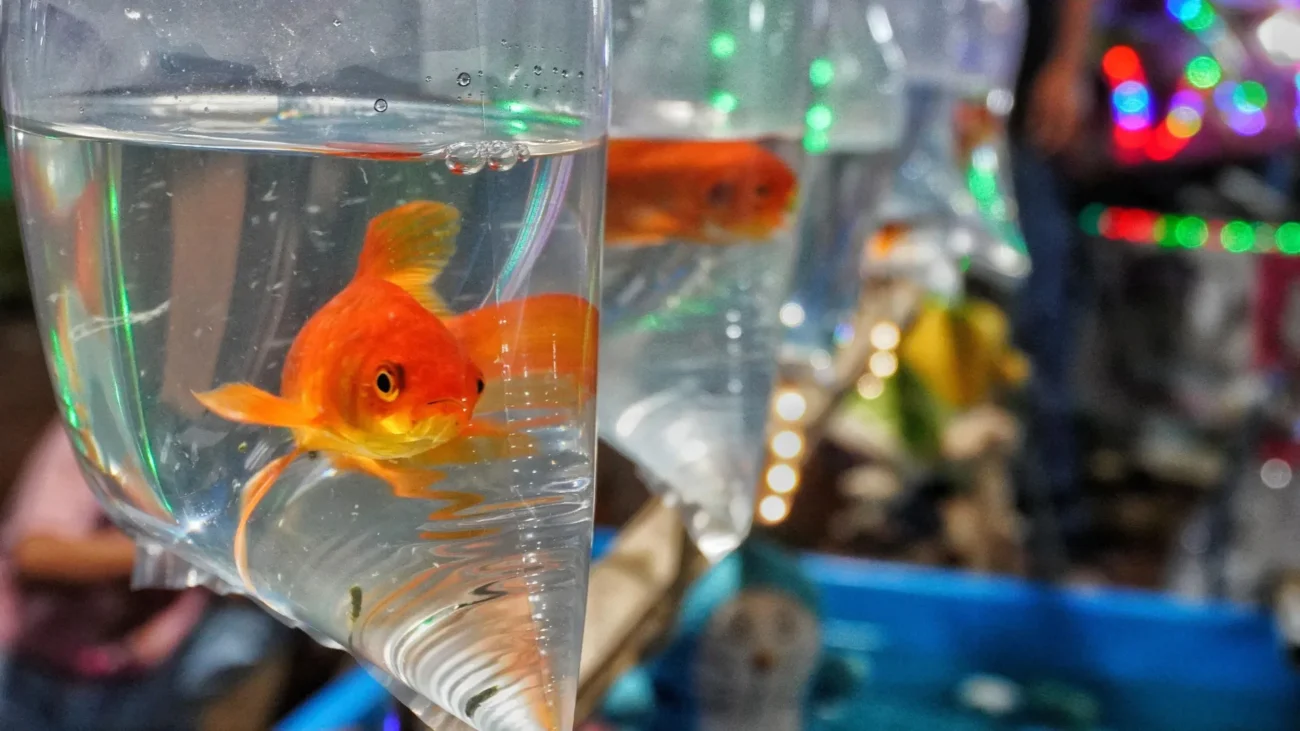
A groundbreaking peer-reviewed study, a collaborative effort between researchers at The University of Toledo and the University of Missouri, has unveiled the profound and often detrimental impact that common goldfish can have on freshwater ecosystems when they are released or escape into the wild. Published in the esteemed Journal of Animal Ecology, this research provides some of the most robust experimental evidence to date demonstrating how invasive goldfish can dramatically reshape lake environments, serving as a critical warning to pet owners, natural resource managers, and policymakers alike. While these vibrant aquatic creatures are cherished as ubiquitous household pets, their proliferation outside the confines of an aquarium transforms them into a significant ecological threat, capable of initiating cascading negative effects throughout aquatic food webs.
"It is critically important to inform the public that their pets can become pests that will harm freshwater ecosystems. The evidence is now clear — releasing a goldfish into the wild might be seen as an act of kindness, but it can turn into a major ecological threat," stated Dr. William Hintz, the study’s lead investigator and an associate professor in UToledo’s Department of Environmental Sciences and Lake Erie Center. His assertion underscores the urgent need for public awareness regarding the ecological ramifications of releasing ornamental fish into natural waterways, a practice often driven by a misguided sense of compassion.
Goldfish: Unveiling Their Ecological Dominance in Freshwater Systems
The comprehensive study, aptly titled "Invasive goldfish trigger a regime shift in experimental lake ecosystems of varying trophic state," employed large outdoor freshwater mesocosms, meticulously designed to replicate the complex conditions found in real-world lake environments. These controlled environments allowed researchers to introduce goldfish (Carassius auratus) and systematically monitor their influence on various lake types over extended periods.
The research team specifically examined two prevalent freshwater conditions: nutrient-poor (oligotrophic) waters, characterized by low nutrient levels and clear water, and nutrient-rich (eutrophic) waters, typically marked by elevated nutrient concentrations, algal blooms, and reduced water clarity. In both of these distinct aquatic settings, the introduction of goldfish resulted in substantial and widespread ecological disruption, highlighting their adaptability and potent impact across a spectrum of freshwater habitats.
The findings revealed several critical points of concern:
- Dramatic Alterations to Aquatic Vegetation: Goldfish were observed to significantly reduce the abundance and diversity of submerged aquatic vegetation. This is primarily due to their foraging behavior, which involves uprooting plants and consuming them. The loss of these plants has far-reaching consequences, as they serve as crucial habitats for invertebrates, provide shelter for juvenile fish, and play a vital role in nutrient cycling and water clarity.
- Increased Water Turbidity: The feeding habits of goldfish, which often involve vigorously sifting through lakebed sediments in search of food, lead to a significant increase in water turbidity. This resuspension of fine particles clouds the water, reducing light penetration. Consequently, the growth of photosynthetic organisms, including essential aquatic plants and phytoplankton, is inhibited, further degrading water quality.
- Disruption of Invertebrate Communities: Goldfish are voracious omnivores and consume a wide range of aquatic invertebrates, including insect larvae, zooplankton, and crustaceans. This predation pressure can lead to a decline in the populations of these crucial organisms, which form the base of many aquatic food webs and are vital food sources for native fish species.
- Promotion of Algal Blooms: By consuming zooplankton that graze on phytoplankton, goldfish can indirectly contribute to increased phytoplankton populations, leading to more frequent and intense algal blooms, particularly in nutrient-rich environments. These blooms can deplete dissolved oxygen, create "dead zones," and release toxins harmful to other aquatic life and potentially humans.
Pinpointing the Goldfish as the Primary Driver of Change
A critical aspect of this research was its rigorous methodology, which employed both additive and substitutive experimental designs. This approach was crucial for disentangling the specific effects of goldfish from the general impact of having a higher overall fish biomass in the mesocosms. By carefully controlling for the total number of fish, researchers could isolate and attribute the observed ecological changes directly to the presence and activity of goldfish.
The analysis unequivocally demonstrated that while some alterations in aquatic vegetation could be linked to the overall abundance of fish, the most severe and damaging ecological consequences were directly and demonstrably connected to the presence of goldfish. This distinction is vital, as it confirms that goldfish are not merely another fish species contributing to a generalized crowding effect, but rather unique agents of ecological degradation.
Furthermore, the study documented what scientists refer to as a "regime shift." This critical threshold is crossed when an ecosystem undergoes a rapid and fundamental reorganization into a starkly different, and often degraded, state. Once these regime shifts occur, the ecosystem’s structure and function are so profoundly altered that restoring it to its original condition becomes exceptionally difficult, if not impossible, and invariably incurs substantial financial and temporal costs. The implications of goldfish driving such shifts are profound, suggesting that their introduction can lead to long-term, irreversible ecological damage.
Understanding the Genesis of the Goldfish Problem
Goldfish, scientifically known as Carassius auratus, are among the most widely distributed ornamental fish species globally. The vast and ever-expanding international pet trade continues to facilitate the unprecedented movement of aquatic species across continents, inadvertently creating pathways for invasive species to establish themselves in new environments.
When goldfish are intentionally released into ponds, rivers, or lakes, or inadvertently escape during natural events such as floods, they possess a remarkable capacity to establish self-sustaining, invasive populations. Their rapid growth rates, prolific breeding, and opportunistic feeding behaviors allow them to spread quickly, outcompeting native species for resources and disrupting established ecological balances.
"If goldfish are released into the wild, they rapidly grow into very large fish that stir up lake sediments, consume large numbers of prey and compete with native fish," explained Dr. Rick Relyea, a professor in the University of Missouri College of Agriculture, Food and Natural Resources, director of Mizzou’s Johnny Morris Institute of Fisheries, Wetlands and Aquatic Systems, and a co-author of the study. His statement highlights the aggressive and disruptive nature of established goldfish populations in natural settings. The transformation from a small aquarium pet to a large, ecologically disruptive wild fish is a key factor in their invasive success.
Proactive Measures and Public Education: A Call to Action
In light of these alarming findings, the researchers are urging that goldfish be classified and treated as a high-priority invasive species. They advocate for natural resource agencies to implement stringent prevention strategies, focus on early detection mechanisms, and develop robust control efforts before wild populations become firmly established and their ecological impact becomes unmanageable.
Moreover, the study’s authors emphasize the critical need for intensified public education campaigns. These efforts are designed to ensure that pet owners fully comprehend the potentially devastating environmental consequences of releasing aquarium animals into natural waterways. The perception of releasing a goldfish as a harmless act of mercy must be dispelled, replaced with an understanding of the ecological damage it can inflict.
For individuals who find themselves unable to care for their goldfish, the researchers strongly recommend exploring responsible alternatives. These include returning the fish to a reputable pet store that accepts returns, finding another aquarium owner willing to adopt the pet, or contacting local wildlife authorities or conservation organizations for guidance on appropriate and humane disposal methods. The goal is to prevent the introduction of these fish into natural ecosystems at all costs.
The Scientific Underpinnings of the Research
The study, titled "Invasive goldfish trigger a regime shift in experimental lake ecosystems of varying trophic state," was the result of dedicated research by Dr. William Hintz from The University of Toledo, Hannah Barrett, and Dr. Rick Relyea from the University of Missouri. Their collective expertise in environmental science and aquatic ecology was instrumental in designing and executing this significant research.
The experimental framework involved the use of precisely constructed outdoor freshwater mesocosms, which are essentially large, enclosed experimental ponds that accurately replicate the complexities of natural lake environments. This approach allowed for controlled manipulation of variables while maintaining ecological realism. The study’s methodology integrated both additive and substitutive experimental designs across two distinct trophic states – oligotrophic (nutrient-poor) and eutrophic (nutrient-rich). This dual-state approach was crucial for evaluating the comprehensive effects of goldfish on a range of critical ecological indicators, including water quality parameters, phytoplankton abundance, invertebrate community structure, the prevalence of filamentous algae, and the overall condition of native fish populations. The meticulous data collection and analysis provided the robust evidence base for the study’s far-reaching conclusions.
Broader Implications for Invasive Species Management
The findings from the University of Toledo and University of Missouri study have significant implications that extend beyond the immediate concern of goldfish. They underscore a broader challenge in invasive species management: the role of the pet trade in introducing non-native species into vulnerable ecosystems. Globally, the aquarium trade is a major pathway for the introduction of aquatic invaders. This research serves as a potent reminder that seemingly benign pets can, with a single act of release, become ecological agents of destruction.
The concept of a "regime shift" is particularly concerning. Such shifts can lead to the permanent alteration of ecosystem services, impacting everything from water provision and fisheries to recreation and biodiversity. The cost of managing established invasive species and restoring degraded ecosystems is astronomical, often far exceeding the initial investment in prevention and public education. Therefore, proactive measures, as advocated by the researchers, are not merely advisable but essential for safeguarding freshwater resources.
This study also highlights the need for increased collaboration between scientific institutions, governmental agencies, and the public. Effective invasive species management requires a multi-faceted approach that includes scientific research, regulatory action, and widespread public engagement. By understanding the science behind invasive species and embracing responsible pet ownership practices, communities can play a vital role in protecting their precious aquatic environments from threats like the humble, yet ecologically potent, goldfish. The continued monitoring of wild goldfish populations and the development of innovative, cost-effective control strategies will be crucial in mitigating the ongoing and future impacts of this pervasive invasive species.

