


The transformation of five primates—three baboons and two vervet monkeys—from victims of systemic neglect in a shuttered Oregon roadside zoo to thriving residents of a world-class sanctuary in Texas represents a significant victory for animal welfare and a turning point in the legal accountability of captive animal facilities. One year ago, Zeus, Calliope, and Monet, all baboons, along with Bear and Blue, two vervet monkeys, were confined to what investigators described as dismal, decrepit enclosures at the now-defunct West Coast Game Park Safari. Today, their lives have been radically altered through a coordinated effort involving law enforcement, the People for the Ethical Treatment of Animals (PETA), and the Born Free USA Primate Sanctuary.
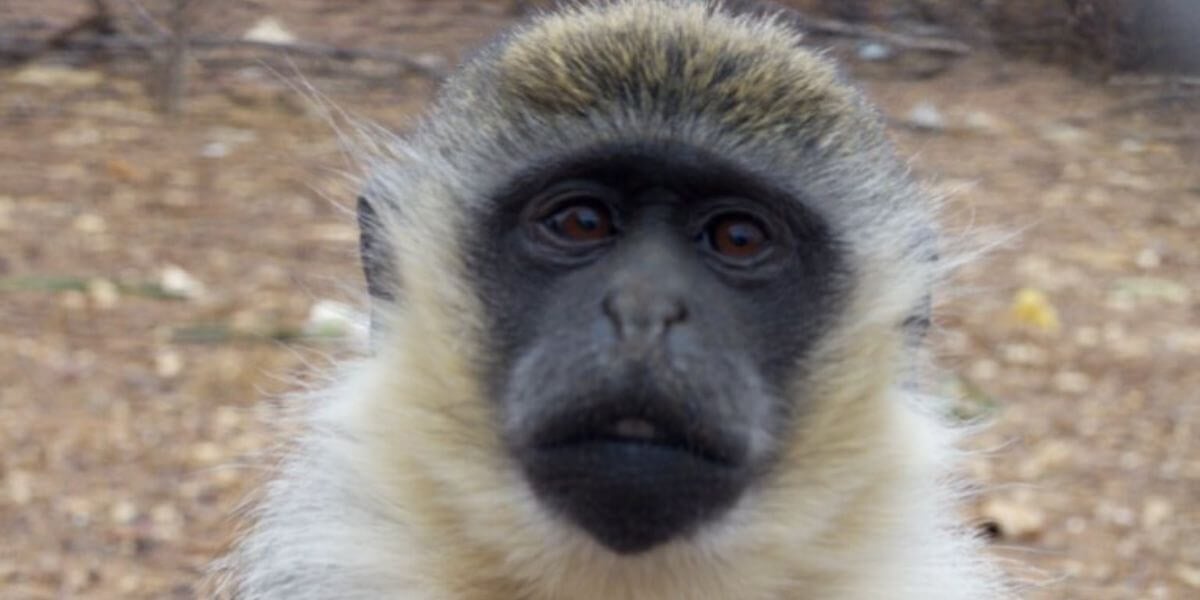
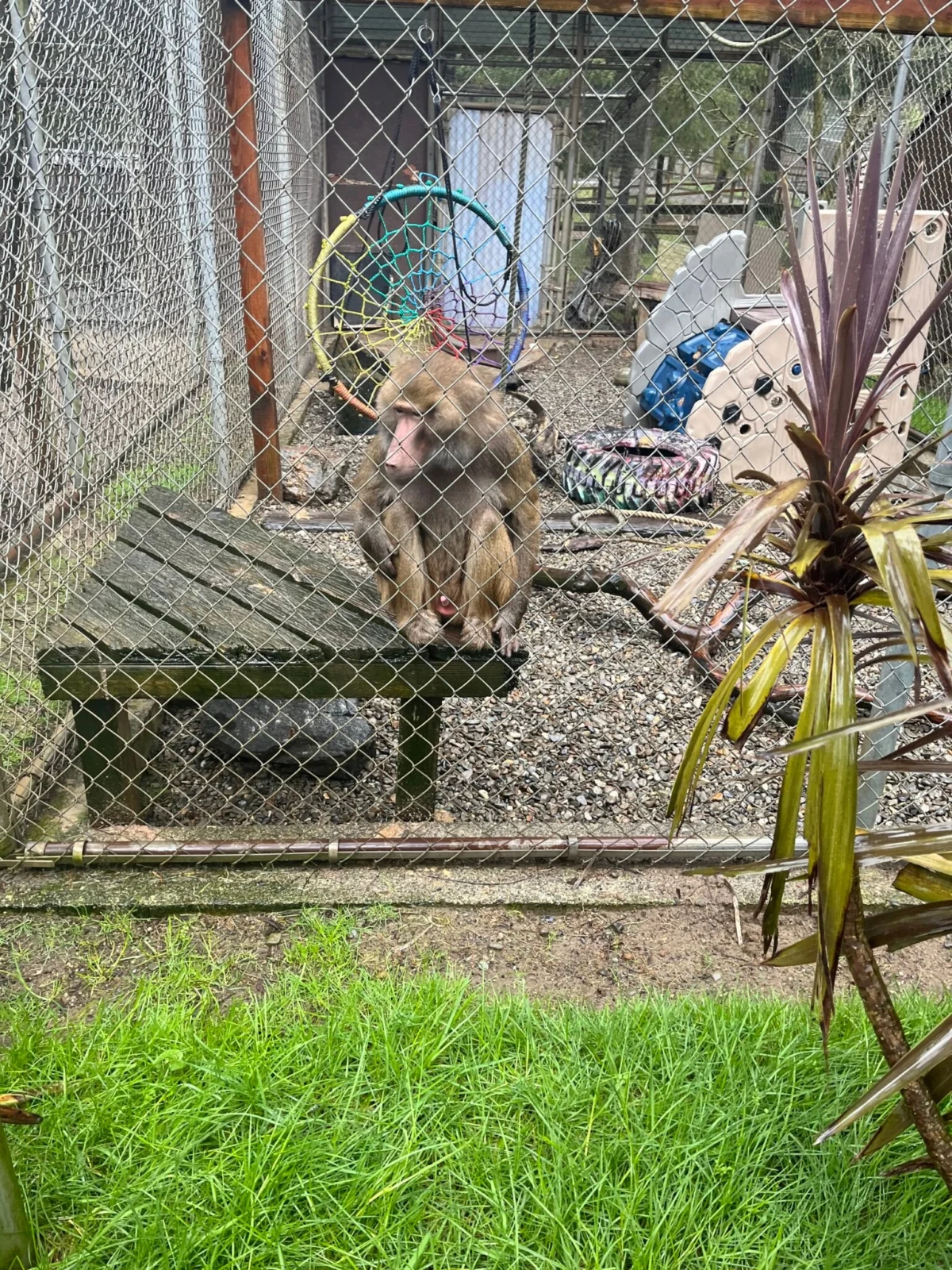
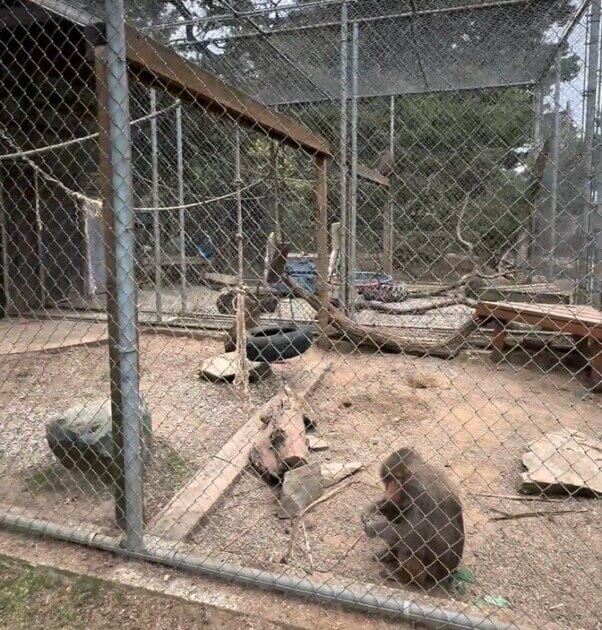
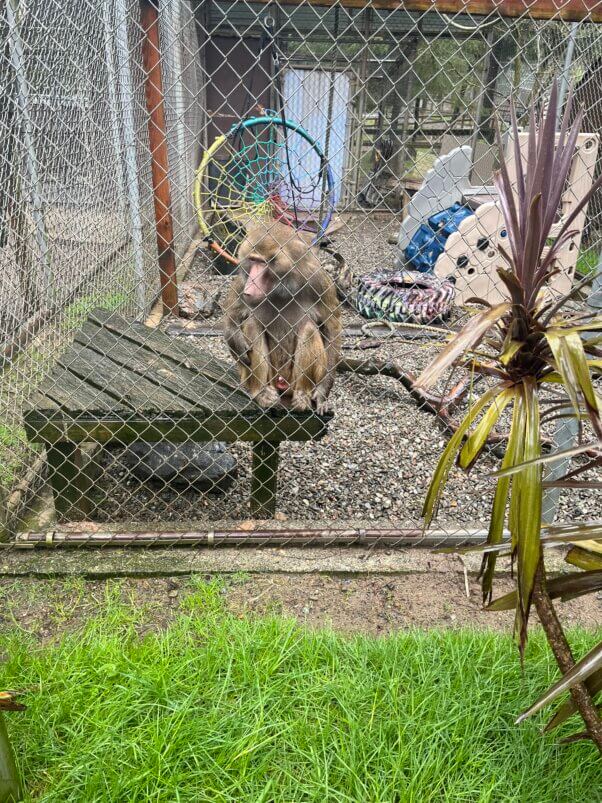
The journey of these five animals highlights the often-unseen cycle of the roadside zoo industry. In 2024, the monkeys were "dumped" at the Oregon facility after another unnamed roadside zoo collapsed. This practice of shuffling animals between substandard facilities is common when such businesses face financial or legal ruin, often resulting in animals moving from one state of neglect to another. Photographic evidence from 2025 captured the grim reality of their situation: the baboons were restricted to tiny, barren gravel pens, while the smaller vervets were kept in cramped cages with hard concrete floors, environments that offered no psychological stimulation or physical comfort.
The 2025 Law Enforcement Intervention and Confiscation
The rescue of these primates was not an isolated event but part of one of the largest animal seizures in Oregon’s history. In May 2025, acting on detailed evidence provided by animal welfare advocates regarding the starvation and neglect of animals at West Coast Game Park Safari, Oregon law enforcement officials executed multiple search warrants on the property. The scene described by responding officers was one of profound suffering, with animals found in varying states of malnutrition and living in filthy, deteriorating conditions.
The operation resulted in the removal of 322 animals from the property. This massive undertaking required complex logistics to ensure that each species—ranging from primates and big cats to smaller exotic mammals—was safely transported to facilities capable of providing immediate veterinary intervention and long-term care. PETA played a pivotal role in facilitating these transfers, working with a network of accredited sanctuaries across the United States to find permanent homes for the displaced animals.
For Zeus, Calliope, Monet, Bear, and Blue, this meant a journey to the Born Free USA Primate Sanctuary in Dilley, Texas. This 175-acre facility is accredited by the Global Federation of Animal Sanctuaries (GFAS), a designation that ensures the highest standards of animal care, habitat design, and ethical management.
Rehabilitation and Social Integration in Texas
The transition from a roadside zoo to an accredited sanctuary involves more than just a change in geography; it requires a comprehensive rehabilitation process. For primates, who are highly social and intelligent beings, the psychological scars of isolation and confinement are often as deep as the physical ones.
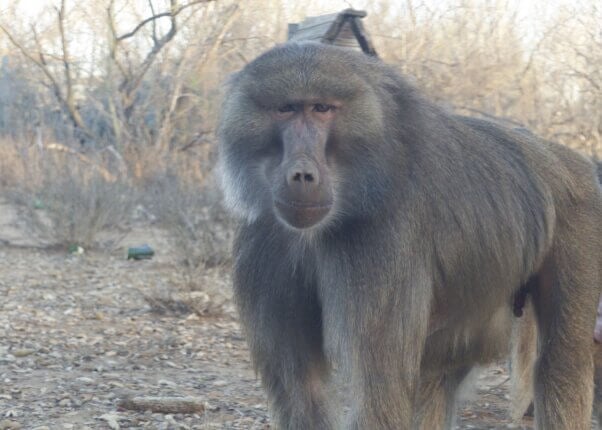
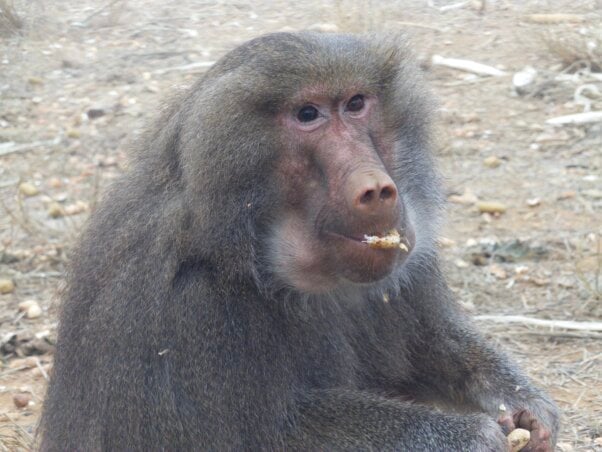
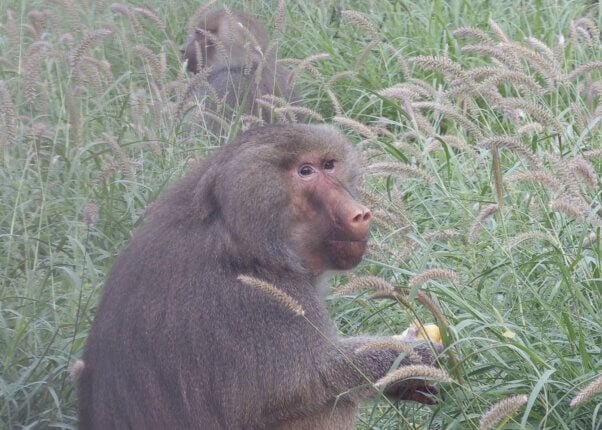
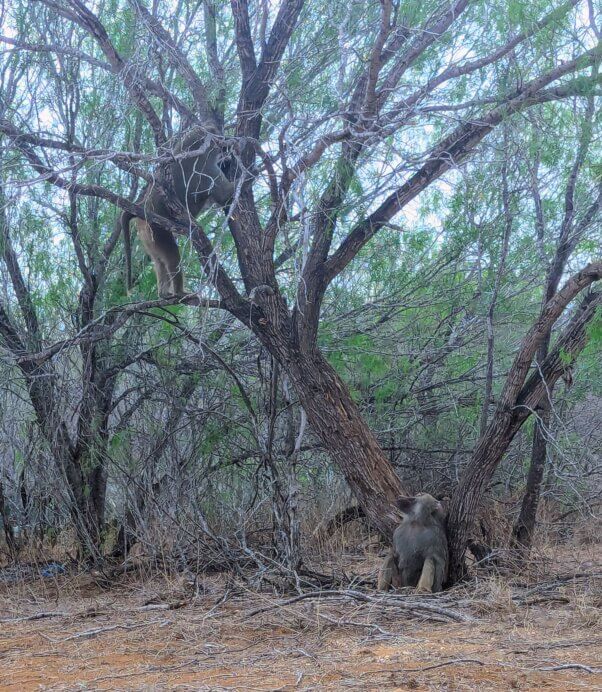
At Born Free USA, the three baboons—Zeus, Calliope, and Monet—were introduced to a larger social group. This group included other baboons previously rescued from a roadside zoo in Iowa, allowing the newcomers to participate in the complex social structures natural to their species. Zeus has reportedly emerged as a "calm, steady leader" within the troop, a role that signifies his psychological recovery and comfort in his new environment. Calliope, who was previously confined to a chain-link cage, now spends her time in expansive fields, while Monet has formed a close bond with an older male named Marlin. Observers note that Monet and Marlin are frequently seen climbing trees and engaging in social play, behaviors that were physically impossible in their previous Oregon enclosures.
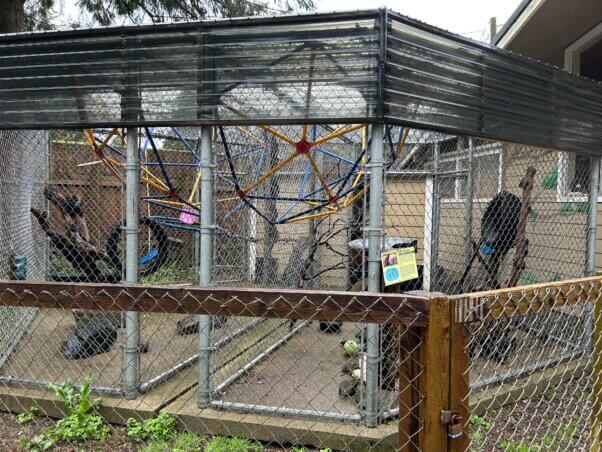
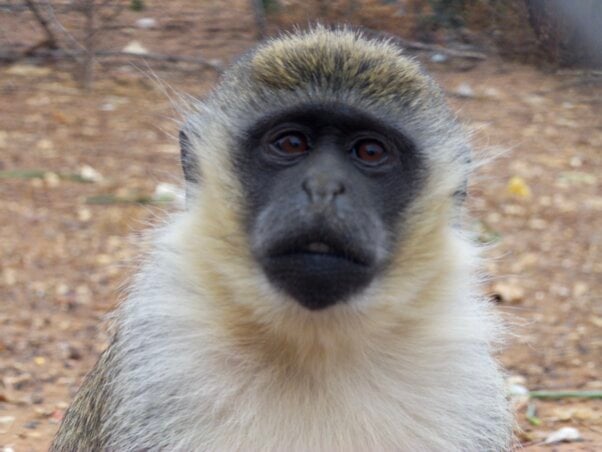
The two vervet monkeys, Bear and Blue, have seen similar success. Vervets are known for their high energy and complex vocalizations. In the Oregon facility, their concrete-floored cages prevented them from engaging in natural foraging or climbing. At the sanctuary, Bear has joined a large group of rescued vervets, where she can exercise her curiosity in a naturalistic habitat. Blue, who initially showed signs of the shyness and anxiety common in abused primates, has since "blossomed into a social butterfly," matching the energy of the rest of the troop.
Legal Accountability: A Precedent-Setting Case
The closure of West Coast Game Park Safari did not end with the removal of the animals. In a significant move for animal law, the owner of the facility was held criminally responsible for the conditions on the property. In April 2026, the owner pleaded guilty to 47 criminal charges. This included 43 counts of animal neglect, reflecting the systemic failure to provide basic necessities such as food, water, and adequate shelter to the hundreds of animals in his care.
The legal fallout from this case is noteworthy for its severity. Prosecutors have recommended a sentence of 7.5 years in prison, along with a requirement for full restitution. This restitution is intended to cover the substantial costs incurred by the state and the receiving sanctuaries for the care, feeding, and medical treatment of the 322 seized animals from the moment of their confiscation until their formal surrender.
Legal experts suggest that this case serves as a warning to other roadside zoo operators. The shift toward criminal prosecution, rather than mere administrative fines from the USDA, indicates a growing intolerance for animal cruelty within the judicial system. The sheer number of charges and the recommendation for a multi-year prison sentence highlight a move toward treating animal neglect as a serious criminal offense rather than a regulatory oversight.
The Biological and Psychological Needs of Primates
To understand the impact of this rescue, it is necessary to examine the specific biological needs that were denied at West Coast Game Park Safari. Baboons are highly social primates with a matriarchal core and a complex hierarchy. In the wild, they occupy large home ranges and spend a significant portion of their day foraging and grooming, which reinforces social bonds. Confining them to gravel pens leads to "zoochosis"—a term used to describe repetitive, obsessive behaviors such as pacing, self-mutilation, or rocking—caused by the stress of an unnatural environment.
Similarly, vervet monkeys are arboreal and highly active. A concrete floor is particularly damaging to their physiology, as it provides no "give" for their joints and prevents the natural behaviors of digging and searching for insects or tubers. The transition to Born Free USA allowed these animals to engage in "species-typical behaviors." This includes the ability to choose their social partners, forage for a variety of foods, and move through a three-dimensional space that includes trees and climbing structures.
The Broader Impact on the Roadside Zoo Industry
The story of the "Oregon Five" is a microcosm of a much larger struggle regarding the ethics of captive wildlife. Roadside zoos, often defined as unaccredited facilities that prioritize profit and public interaction over animal welfare, have come under increasing scrutiny. Unlike facilities accredited by the Association of Zoos and Aquariums (AZA) or the Global Federation of Animal Sanctuaries (GFAS), roadside zoos often lack the resources or the will to provide professional veterinary care or appropriate enrichment.
The success of the West Coast Game Park Safari intervention has energized advocacy groups to push for stricter federal and state regulations. While the Big Cat Public Safety Act addressed the private ownership and cub-petting of lions and tigers, primates remain vulnerable to similar exploitation in many states. Advocates argue that the Oregon case proves that with sufficient evidence and public pressure, law enforcement can and will intervene to shut down substandard operations.
Furthermore, the role of the public is shifting. Increased awareness of the conditions in roadside zoos, often fueled by documentaries and social media exposés, has led to a decline in patronage for such businesses. The narrative of Zeus, Calliope, Monet, Bear, and Blue serves as a powerful reminder that the "entertainment" provided by these facilities comes at a high cost to the animals involved.
Conclusion: A Future of Freedom
As Zeus, Calliope, Monet, Bear, and Blue enter their second year of sanctuary life, they serve as ambassadors for the thousands of other animals still confined in similar conditions across the country. Their journey from the "dismal enclosures" of Oregon to the "lush sanctuary habitat" of Texas is a testament to the resilience of animals when provided with the proper care and environment.
The case of West Coast Game Park Safari stands as a landmark in the fight against animal neglect. It demonstrated a successful collaboration between whistleblowers, advocacy organizations, and law enforcement. More importantly, it ensured that 322 individual lives were saved from a cycle of suffering. For the five monkeys now roaming the Texas sanctuary, the bars and gravel of their past have been replaced by the grass and sky of a permanent, peaceful home. The ongoing legal proceedings against the facility’s former owner continue to move through the court system, with a final sentencing expected to reinforce the message that animal cruelty carries significant, life-altering consequences.

