


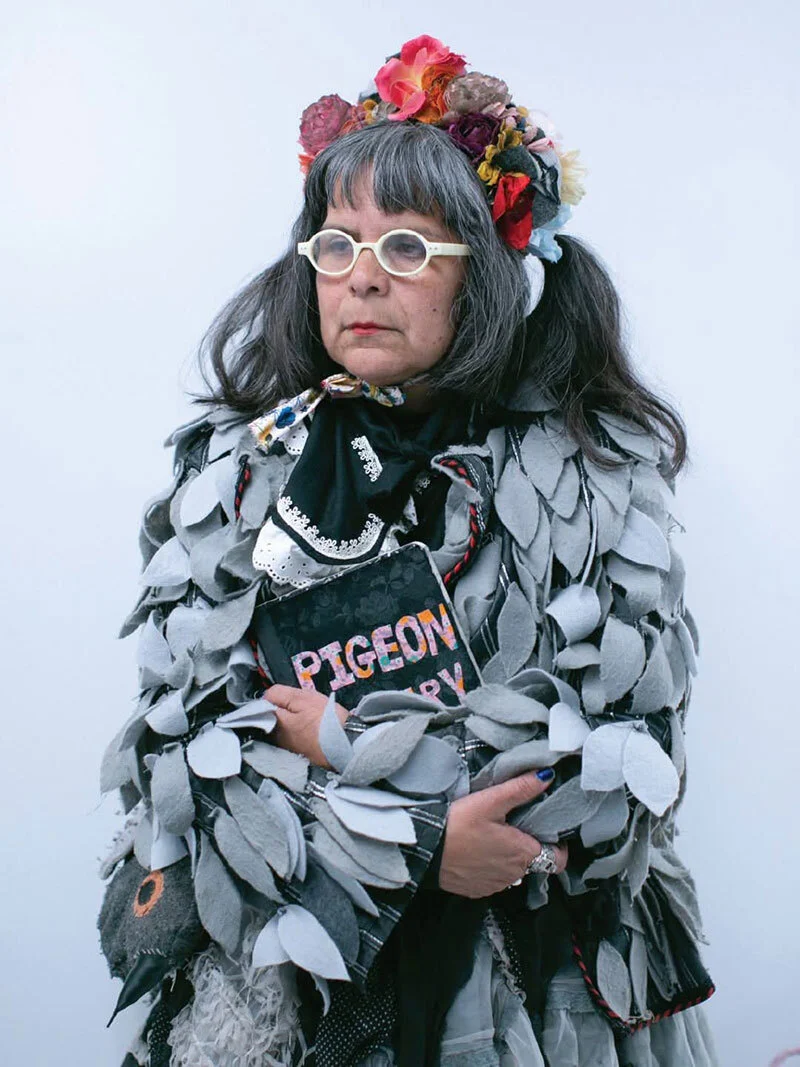
The vibrant tapestry of New York City, a global epicenter for artistic expression and diverse personalities, frequently serves as the crucible for unique forms of advocacy. Within this dynamic environment, Tina Piña Trachtenburg has carved out a distinctive niche, merging performance art with fervent animal rights activism under the compelling moniker of "Mother Pigeon." Her work transcends mere artistic display, evolving into a vocal and visually striking campaign aimed at protecting the city’s often-maligned pigeon population from a gruesome fate in live pigeon shoots. Trachtenburg’s efforts highlight a critical intersection of urban wildlife welfare, ethical considerations, and the innovative power of grassroots advocacy in the digital age.
The Unseen War: Combating Live Pigeon Shoots from NYC to Pennsylvania
At the core of Mother Pigeon’s tireless crusade is the abhorrent practice of live pigeon shoots, predominantly occurring in Pennsylvania. This controversial activity involves the capture of feral and domesticated pigeons, often from urban centers like New York City, for the sole purpose of being released from traps as moving targets for participants in shooting events. These events, frequently disguised as sporting competitions or fundraisers, have drawn widespread condemnation from animal welfare organizations and ethical advocates across the nation.
The process typically begins with the trapping of pigeons, sometimes using inhumane methods, from parks and public spaces. Once captured, these birds are then transported, often across state lines, to designated shooting grounds. Upon release, the pigeons, disoriented and vulnerable, face a barrage of gunfire. Those not killed instantly often suffer agonizing injuries, lingering in pain before succumbing or being collected by "trapper boys" who wring their necks or crush their skulls. The brutality of these events, which prioritize entertainment and sport over animal welfare, stands in stark contrast to the burgeoning public consciousness surrounding animal rights and compassionate treatment. Critics argue that such practices desensitize participants to animal suffering and perpetuate a disregard for life.
Pennsylvania has long been a focal point for this controversy, hosting numerous such events despite persistent legislative efforts to ban them. The historical roots of live pigeon shooting are complex, often tied to rural traditions and a particular interpretation of hunting sports. However, modern ethical standards increasingly challenge these justifications, particularly when the animals involved are captive, often non-native to the shooting site, and subjected to deliberate suffering for sport.
Legislative Efforts: H.B. 1097 and the NYC Bar Association
The gravity of the situation has spurred various organizations into action, extending beyond individual activists like Mother Pigeon to include influential legal bodies. The New York City Bar Association’s Animal Law Committee, for instance, has taken a definitive stance against live pigeon shoots. Their support for Pennsylvania House Bill 1097 (H.B. 1097), introduced for the 2025–2026 legislative session, underscores the growing bipartisan concern over these practices. This proposed legislation specifically aims to prohibit the use of live pigeons as targets in trap and block shooting events within Pennsylvania.
The involvement of a respected legal institution like the NYC Bar Association lends significant weight to the animal welfare argument. Their reports meticulously detail the cruelty involved, highlighting the ethical and legal inconsistencies of such practices. They argue that the practice constitutes animal cruelty under various interpretations of state law and that it fails to align with contemporary societal values regarding animal protection. Furthermore, the interstate trafficking of pigeons for these purposes raises complex jurisdictional issues and challenges enforcement, making collaborative legislative efforts crucial. The legislative process for H.B. 1097, like many animal welfare bills, faces hurdles from entrenched interests, including gun lobby groups and those who defend the practice as a traditional sport. However, the sustained pressure from advocates, coupled with increasing public awareness, continues to push for reform.
Mother Pigeon’s Multifaceted Campaign: Art, Advocacy, and Digital Outreach
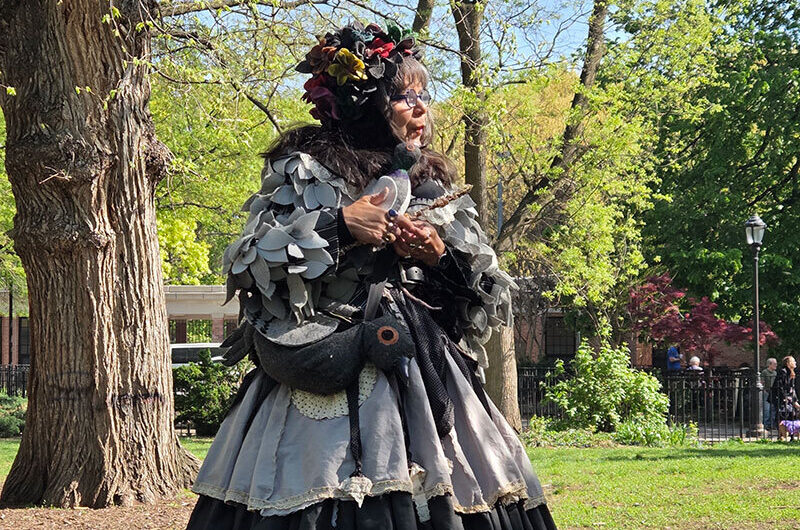
Tina Piña Trachtenburg’s transformation into Mother Pigeon is a testament to the power of combining artistic expression with dedicated activism. Her persona is not merely a costume but a carefully crafted identity that amplifies her message and makes it accessible to a wider audience. As a street performer, she brings her advocacy directly to the public, engaging passersby in conversations about pigeon welfare and the atrocities of live shoots. Her presence in public spaces, often adorned with pigeon-themed attire, creates an immediate visual impact that sparks curiosity and encourages dialogue.
Street Performance and Direct Action in Brooklyn
Trachtenburg’s direct action is particularly focused on preventing the initial capture of pigeons from New York City parks. She has identified Maria Hernandez Park in Brooklyn as a site where pigeons are reportedly being trapped for resale and shipment to Pennsylvania. To combat this, she has taken the extraordinary step of offering a $300 reward for verifiable photographic or video evidence, coupled with strong identification, of anyone capturing pigeons in the park. This grassroots bounty system serves multiple purposes: it acts as a deterrent to potential trappers, empowers local residents to become vigilant observers, and generates further public awareness about the illegal activities. This direct, community-driven approach demonstrates a proactive stance against animal exploitation, going beyond mere protest to actively disrupt the supply chain for live pigeon shoots. The challenge in such situations lies in gathering irrefutable evidence that can withstand legal scrutiny and lead to prosecution, highlighting the need for strong community engagement and collaboration with law enforcement.
The Impeckable Musical Puppet Show: A Creative Approach to Advocacy
Beyond street performance and direct action, Mother Pigeon has harnessed the power of digital media and imaginative storytelling. She launched a unique YouTube channel titled Mother Pigeon’s Impeckable Musical Puppet Show. This project exemplifies her innovative approach, blending entertainment with education. Over the course of a year, she meticulously produced ten videos, featuring a cast of endearing hand puppets: Frankie the Pigeon and Max the Rat. These characters serve as relatable conduits through which Trachtenburg addresses serious topics like animal cruelty, urban wildlife challenges, and the importance of compassion.
The puppet show is not just a visual spectacle; it is also a musical endeavor. The project led to the release of nine original songs, each crafted to convey messages of empathy and advocacy for pigeons. These songs, along with a bonus reading of her published book, are available on platforms like Bandcamp, expanding the reach of her message beyond YouTube. By presenting complex issues in an accessible and engaging format, especially one that appeals to younger audiences, Mother Pigeon fosters a new generation of animal welfare advocates. The use of puppets and music allows for a gentler introduction to difficult subjects, making the message more digestible and memorable than traditional advocacy methods.
Digital Footprint: Amplifying the Message Through Social Media
In an age dominated by digital connectivity, Mother Pigeon has strategically cultivated a robust online presence to amplify her message. Her Instagram account, @motherpigeonbrooklyn, boasts over 38,000 followers, making it a significant platform for her advocacy. With over a thousand posts, she meticulously documents her work, sharing images and videos that chronicle her street performances, updates on legislative efforts, and educational content about pigeons. This visual storytelling not only informs her followers but also inspires them to engage with the cause.
Her Facebook page further extends her reach, creating another avenue for sharing news, events, and calls to action. Social media serves as a vital tool for Mother Pigeon, allowing her to bypass traditional media gatekeepers and connect directly with a global audience. It enables real-time updates on her activism, fosters a sense of community among her supporters, and provides a platform for sharing educational resources. The visual nature of Instagram, in particular, is well-suited to her artistic and performance-based activism, allowing her to share compelling imagery that captures the essence of her work and the plight of pigeons. Her engagement with her followers, often through comments and direct messages, builds a loyal community dedicated to her cause.
The Urban Pigeon: A Contentious Coexistence
Pigeons (Columba livia), often referred to as "rock doves," hold a fascinating and complex position in human society, particularly in urban environments. Historically, they have been revered as symbols of peace, messengers, and even wartime heroes. Their intelligence, homing abilities, and adaptability have been admired for centuries. However, in contemporary cities, they are frequently branded as "flying rats" or pests, associated with disease and nuisance. This stark dichotomy in perception significantly impacts their treatment and welfare.
Pigeons in the City: From Nuisance to Symbol
The proliferation of pigeons in urban areas is largely due to their remarkable adaptability to human-altered landscapes. They thrive on discarded food, find shelter in buildings, and reproduce readily. This close proximity to humans, while facilitating their survival, also fuels the negative perceptions. Concerns about droppings, potential disease transmission (though often exaggerated), and their sheer numbers lead many city dwellers and authorities to view them as a problem to be managed or eliminated.
Mother Pigeon’s activism directly challenges this negative narrative. She champions pigeons not as pests but as sentient beings deserving of respect and protection. Her work aims to re-educate the public, highlighting their intelligence, complex social structures, and their often-overlooked beauty. By reframing the conversation, she seeks to foster empathy and change public policy from one of extermination or control to one of coexistence and humane management. This shift in perception is crucial, as public opinion often dictates the political will for animal welfare legislation.
Challenges in Urban Wildlife Management and Protection
Managing urban wildlife populations, including pigeons, presents multifaceted challenges for city authorities. Traditional methods often involve culling, trapping, or deterrence, which are frequently met with opposition from animal welfare advocates. The challenge lies in finding humane, effective, and sustainable solutions that address both human concerns (e.g., sanitation, property damage) and animal welfare. This often requires public education campaigns, habitat modification, and non-lethal population control methods, such as birth control for birds.
The illegal trapping of pigeons, as targeted by Mother Pigeon, further complicates these efforts. It not only removes individuals from the population in a cruel manner but also undermines any humane management strategies implemented by the city. It also exposes the vulnerability of urban wildlife to exploitation when demand exists for them, such as in the case of live pigeon shoots. This highlights the need for stronger enforcement of anti-cruelty laws and better inter-agency cooperation between local and state authorities.
A Broader Movement: The Landscape of Animal Rights Advocacy
Mother Pigeon’s efforts are part of a larger, global movement dedicated to animal rights and welfare. Her specific focus on pigeons and live shoots intersects with broader themes of animal exploitation, ethical consumption, and legislative reform.
Interstate Animal Cruelty and Enforcement Gaps
The issue of pigeons being trapped in one state (New York) and transported for cruelty in another (Pennsylvania) exposes significant gaps in interstate animal welfare enforcement. While individual states have anti-cruelty laws, the coordination required to prevent such cross-border activities can be challenging. This often necessitates federal oversight or strong collaborative agreements between state law enforcement agencies. The difficulty in tracking and prosecuting such cases allows exploiters to operate with a degree of impunity, making grassroots efforts like Mother Pigeon’s $300 reward crucial for gathering initial intelligence. This also underscores the importance of public vigilance and reporting.
The Role of Public Awareness and Citizen Action
The success of animal rights movements often hinges on public awareness and citizen action. Organizations like the ASPCA, Humane Society, and local animal shelters consistently advocate for stronger animal protection laws and raise awareness about various forms of animal cruelty. Mother Pigeon’s unique artistic approach serves as an excellent example of how individual citizens, through creative and persistent efforts, can significantly contribute to these broader movements. Her ability to engage a large online following demonstrates the power of digital advocacy in mobilizing support and disseminating information rapidly. When citizens are informed and empowered, they can exert pressure on legislators, support ethical businesses, and become active participants in protecting vulnerable populations.
Looking Ahead: Implications for Animal Welfare and Urban Activism
The work of Tina Piña Trachtenburg as Mother Pigeon carries significant implications for both animal welfare and the future of urban activism. Her campaign exemplifies how a single, dedicated individual can leverage creativity and digital tools to shine a light on an obscure but horrific practice.
For animal welfare, the sustained pressure against live pigeon shoots, bolstered by legislative efforts like H.B. 1097, holds the promise of ending a particularly cruel form of animal exploitation. Success in Pennsylvania could set a precedent for other states where similar practices might still occur, reinforcing the idea that animals are not mere commodities for entertainment or target practice. It also contributes to a growing societal understanding of animal sentience and the ethical imperative to protect them from unnecessary suffering.
For urban activism, Mother Pigeon demonstrates the effectiveness of integrating art into advocacy. Her puppet shows, street performances, and online persona create a memorable brand that cuts through the noise of traditional campaigning. This model of "artivism" proves that advocacy doesn’t always have to be confrontational or purely political; it can be engaging, educational, and inspiring. Her approach also highlights the critical role of citizen journalism and community surveillance in exposing and combating illegal activities, especially when official enforcement is stretched thin.
The enduring image of Mother Pigeon, passionately advocating for the city’s overlooked feathered inhabitants, serves as a powerful reminder that compassion can take many forms, and that even the smallest voices, when amplified by creativity and determination, can ignite significant change. Her journey from artist to "Mother Pigeon" underscores a broader truth: that humanity’s capacity for empathy can extend to all creatures, transforming urban spaces into arenas for ethical reflection and action.

