


The Nanday Conure, scientifically known as Aratinga nenday, is a striking and highly social parrot species originating from the open lowlands of central South America. Revered for its intelligence, playful demeanor, and capacity for forming deep bonds with human companions, this medium-sized parrot has become a popular choice for avian enthusiasts worldwide. However, prospective owners must approach the commitment with a clear understanding of the species’ defining characteristic: its exceptionally high noise level, a factor that profoundly impacts its suitability for various living environments. This comprehensive guide delves into the multifaceted aspects of Nanday Conure ownership, from its natural history and dietary needs to its complex social requirements and the significant considerations of its vocalizations.
Species Overview and Classification
Commonly identified as the black-hooded conure due to its distinctive facial markings, the Nanday Conure holds a unique place within the Psittacidae family. Its scientific classification has undergone revisions; originally placed in its own genus, Nandayus, a pivotal study published in 2004 concluded that Nandayus nenday did not warrant a separate genus and was reclassified into Aratinga. This re-evaluation positioned it more closely with well-known species such as the sun conure (Aratinga solstitialis) and jenday conure (Aratinga jandaya), reflecting shared evolutionary traits and genetic proximity. This taxonomic shift underscores the dynamic nature of scientific understanding and provides deeper insights into the relationships among Neotropical parrots. Adult Nanday Conures typically reach lengths of up to 12 inches (30 cm) and weigh approximately 140 grams, presenting a compact yet robust physique. With proper care, these resilient birds can enjoy a remarkably long lifespan, often living up to 30 years, signifying a substantial, multi-decade commitment for any owner.
Distinctive Appearance and Physical Characteristics
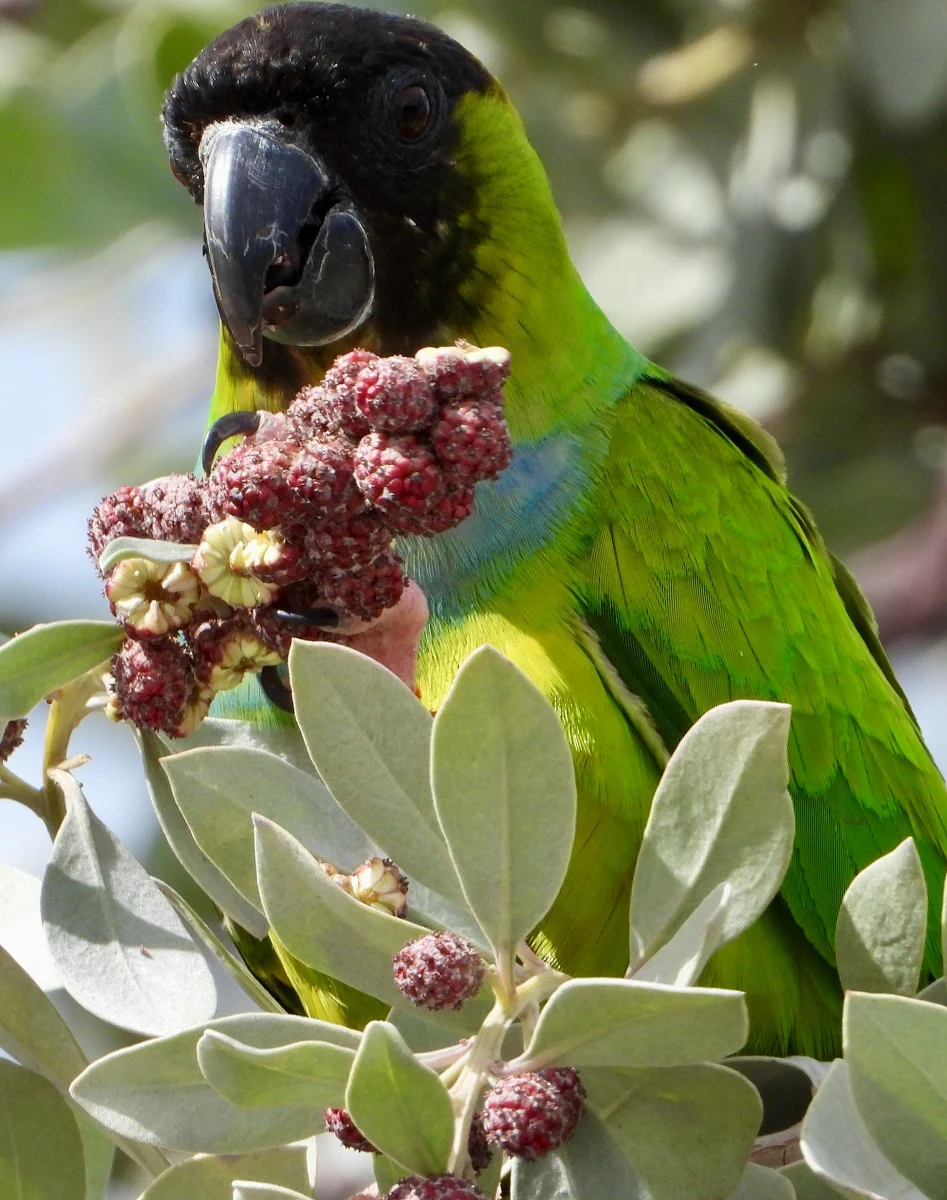
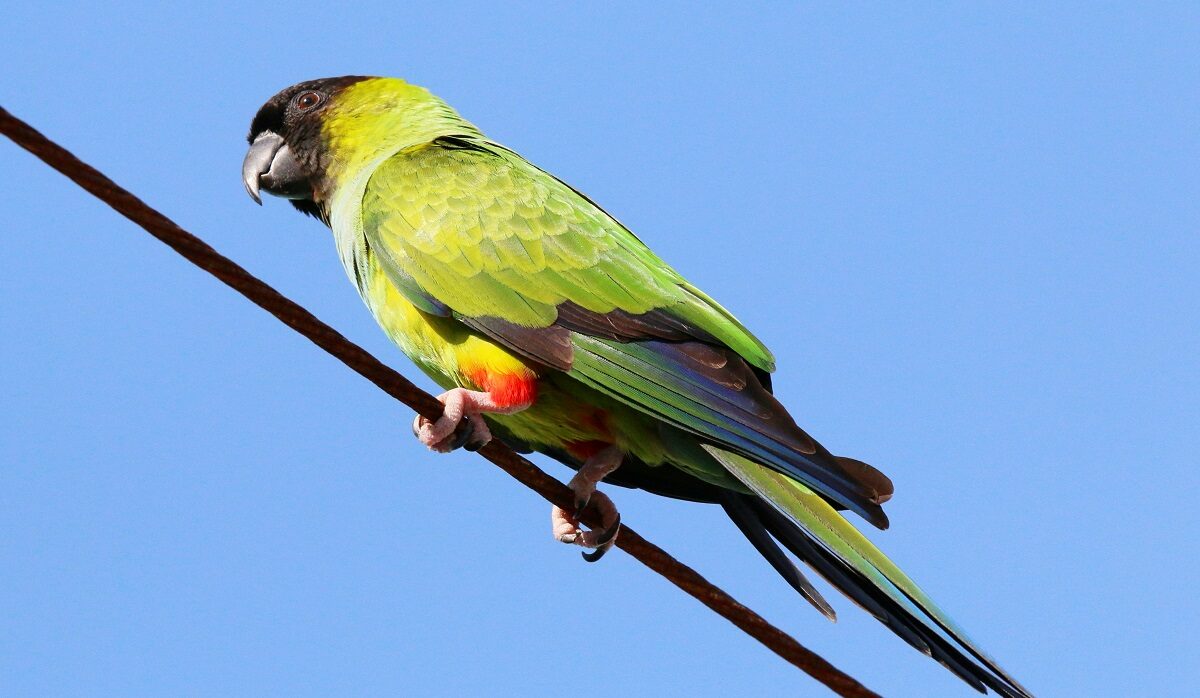
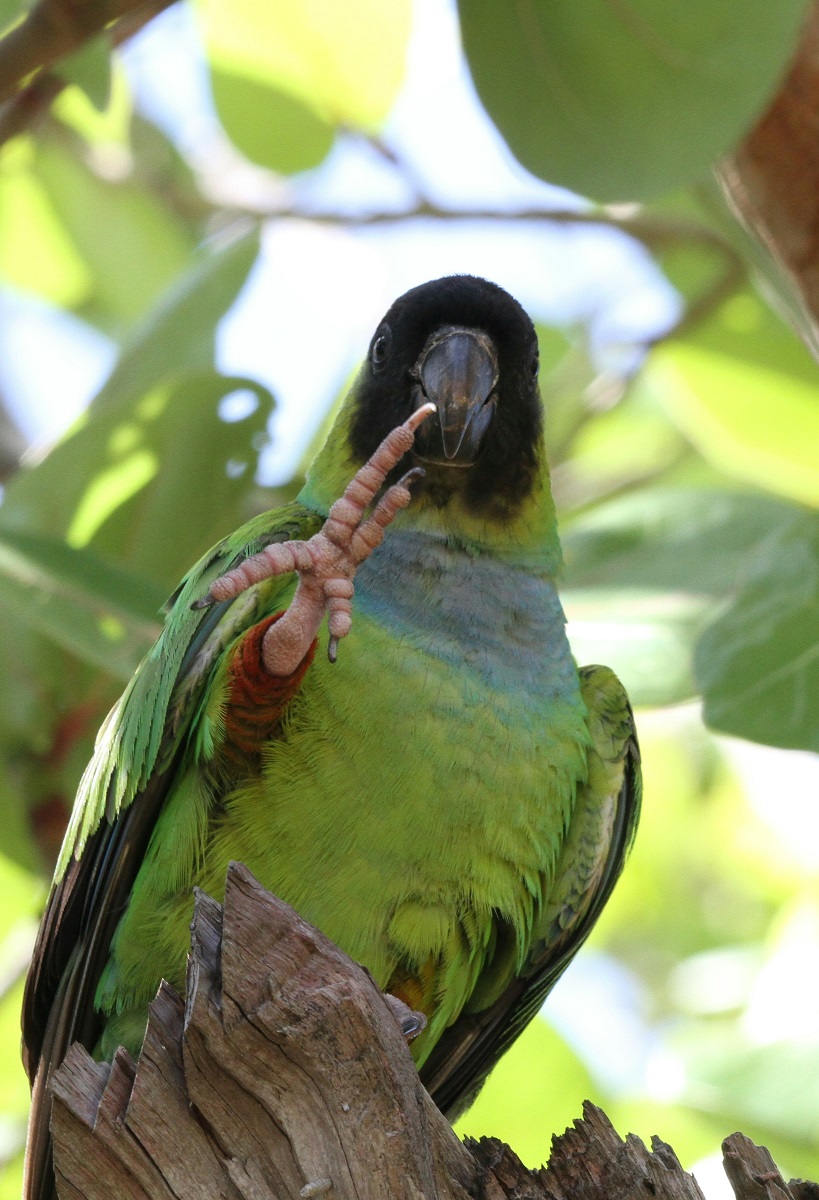
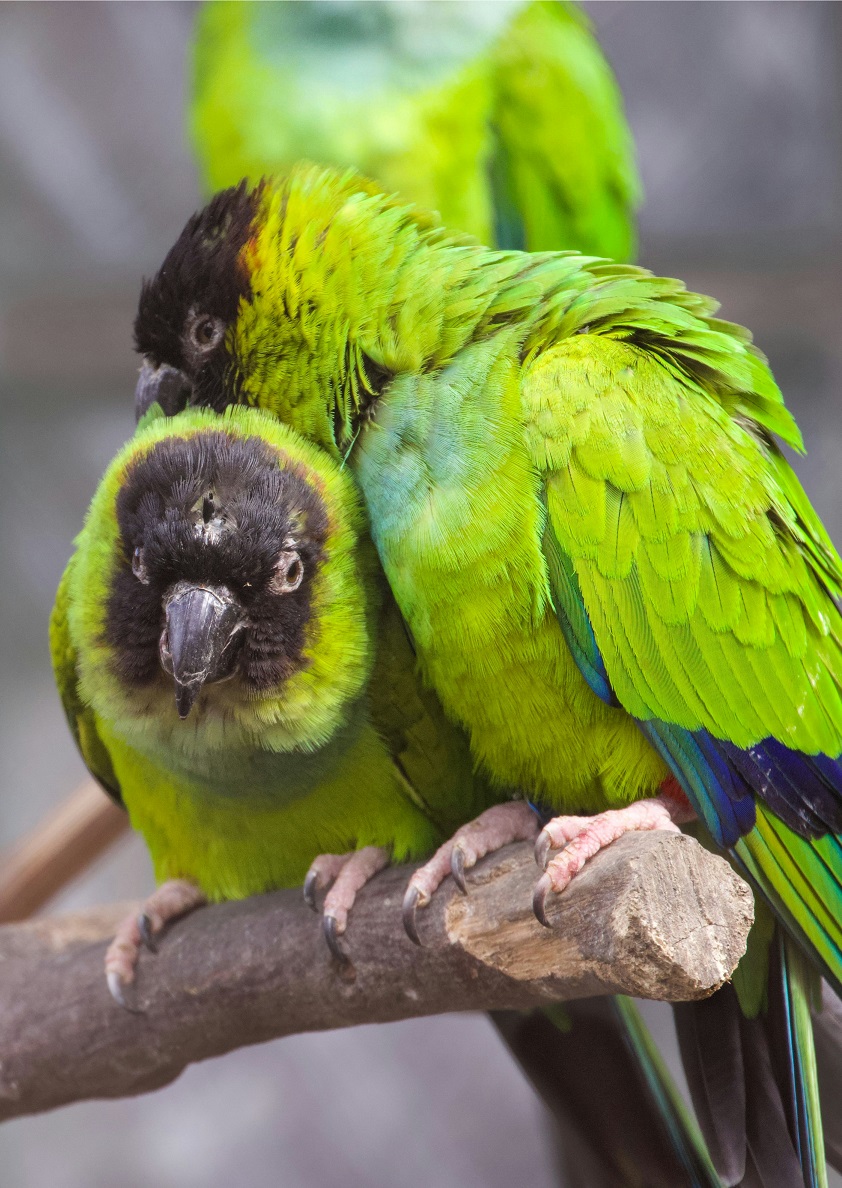
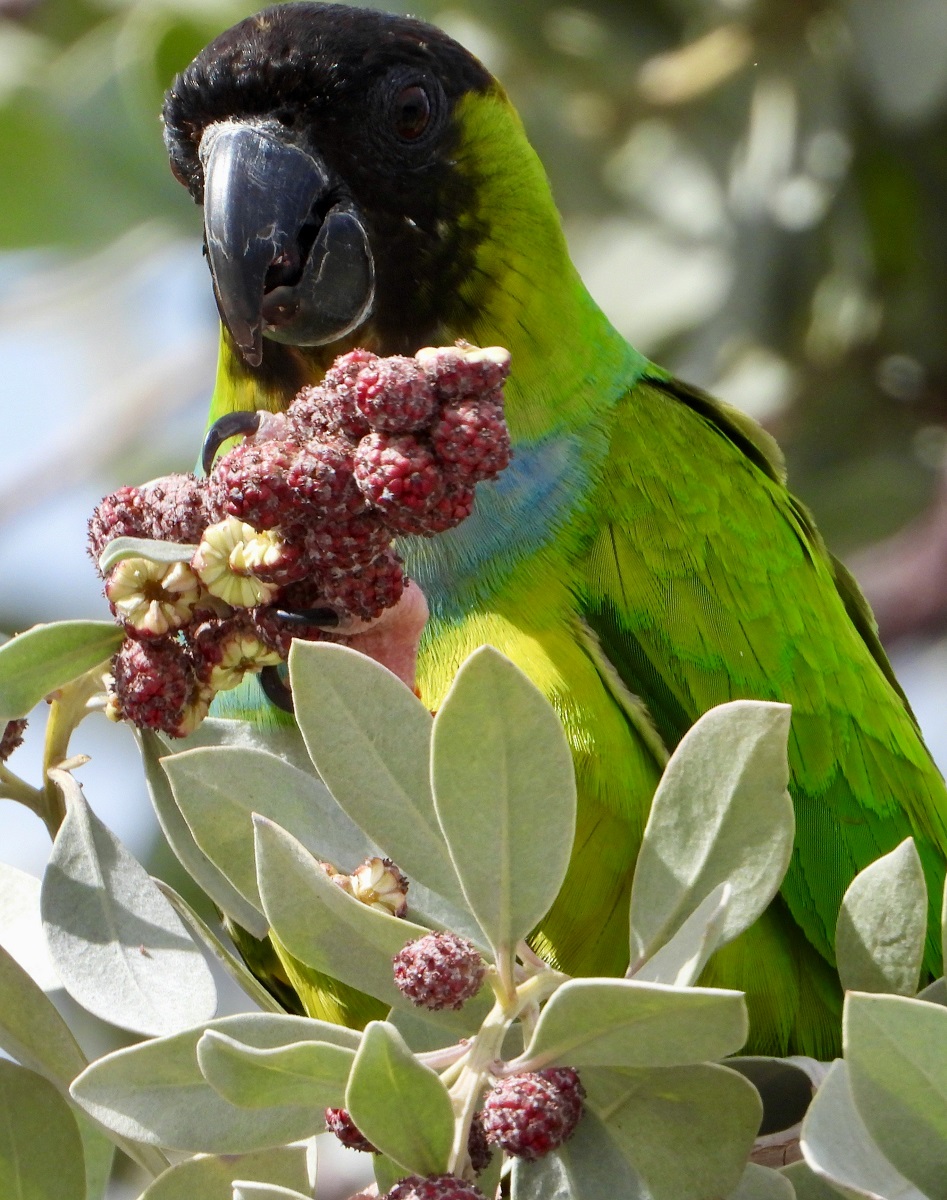
The Nanday Conure’s appearance is undeniably captivating. Its most prominent feature is the stark, velvety black hood that covers its head and extends to the upper chest, creating a dramatic contrast against its predominantly bright green body plumage. This "black hood" is often subtly framed by a scattering of brown feathers, particularly around the nape. Beyond this striking cranial feature, the bird exhibits a black beak, encircled by distinct white eye rings that further accentuate its gaze. The chest feathers transition into a beautiful blue-green hue, while its thighs are adorned with vibrant red plumage, adding another splash of color to its already impressive palette. The combination of these hues—emerald green, jet black, sapphire blue, and ruby red—makes the Nanday Conure a visually stunning parrot, reflecting the rich biodiversity of its native South American landscapes. Its small to medium stature allows for agile flight and maneuverability within its arboreal habitat.
Natural Habitat and Geographical Distribution
The natural range of the Nanday Conure spans a narrow band across central South America, encompassing significant portions of Paraguay, extending into southern Brazil and eastern Bolivia, and reaching northern Argentina. This geographical distribution highlights the species’ adaptability to diverse environmental conditions within these regions. Unlike some forest-dwelling parrots, Aratinga nenday thrives in open lowlands, typically found at altitudes up to 2,600 feet (800 meters). Their preferred habitats are often characterized by former forests that have been converted into cattle pastures, suggesting a degree of resilience and opportunism in adapting to human-modified landscapes. These areas are frequently dotted with palm trees, which are crucial for nesting and roosting, and can vary from swampy, humid zones to relatively dry environments.
The International Union for Conservation of Nature (IUCN) Red List currently classifies Aratinga nenday as a species of "Least Concern." This assessment is notably positive, as the wild population size appears to be stable, and in some areas, even increasing. This growth is largely attributed to habitat changes resulting from human activities, such as deforestation for agriculture, which paradoxically creates more of the open, palm-dotted landscapes that Nanday Conures favor. This unique interaction with human-altered environments presents both a testament to the species’ adaptability and a complex scenario for conservationists, balancing the local population health with broader ecological impacts.
Ecological Impact and Invasive Populations
While thriving in its native range, the Nanday Conure, like many other parrot species, has established invasive populations in various countries outside its indigenous habitat. This phenomenon primarily results from released or escaped pet birds successfully adapting to new environments and reproducing. Significant wild flocks of Nanday Conures now flourish in regions such as Spain, several parts of California, Florida, and other urban and suburban areas globally. In the United States, research, including a 2019 study on naturalized parrots, has identified the Nanday Conure as one of the top three most prevalent invasive parrot species.
The establishment of invasive parrot populations raises considerable ecological concerns. These non-native species can exert significant pressure on local ecosystems through several mechanisms:
- Competition for Resources: Invasive conures compete with native bird species for food sources, particularly fruits and seeds, and for vital nesting sites, often in tree cavities or palm fronds. This competition can displace indigenous species, especially those with similar dietary or nesting preferences.
- Habitat Alteration: Large flocks can potentially damage agricultural crops, leading to economic losses for farmers, and may also impact native vegetation through foraging behaviors.
- Disease Transmission: Introduced species can carry pathogens or parasites to which native wildlife has no immunity, potentially leading to outbreaks that threaten local biodiversity.
- Noise Pollution: While less direct, the persistent, loud vocalizations of large conure flocks in urban areas can also be considered a form of environmental disturbance, impacting human residents and potentially other wildlife.
The presence of these successful invasive populations underscores the importance of responsible pet ownership, including measures to prevent escapes and avoid intentional releases, to mitigate potential ecological disruptions.
Dietary Requirements: Wild vs. Captive
The diet of Nanday Conures, both in their natural habitat and under human care, is a crucial determinant of their health and longevity.
Wild Diet: In their native South American range, Nanday Conures exhibit a diverse and opportunistic foraging strategy. Their diet primarily consists of wild fruits, with a particular fondness for those produced by Copernicia palms. They also consume a variety of seeds, berries, flowers, and flower buds, reflecting their adaptability to seasonal availability. A fascinating aspect of their wild diet, highlighted by a 2002 study, is their role as pollinators for trees like the beautiful flowering Erythrina dominguezii. By drinking nectar from these flowers, they inadvertently spread pollen, contributing to the reproductive success of these plant species. Furthermore, like many other South American parrot species, Nanday Conures are known to visit "clay licks" where they consume soil. This behavior is theorized to aid in obtaining essential micronutrients that may be scarce in their regular diet and to neutralize toxins present in some of the fruits or seeds they consume. This complex dietary behavior underscores their sophisticated nutritional needs.
Captive Diet: For Nanday Conures in captivity, providing a balanced and nutrient-rich diet is paramount to prevent common health issues such as malnutrition and obesity. Modern avian veterinary consensus, strongly supported by experts like Psittacology’s own Dr. Daisy, advocates for a high-quality pellet-based diet as the foundation. Historically, seed mixes were the primary offering, but these are now widely recognized as inadequate due to their high-fat content and nutritional deficiencies, often leading to imbalanced diets.
A suitable captive diet should comprise:
- Pellets (70-80%): High-quality, veterinarian-recommended pellets specifically formulated for parrots provide a comprehensive range of vitamins, minerals, and proteins. Brands like Harrison’s Adult Lifetime Fine are frequently cited as excellent choices.
- Fresh Fruits and Vegetables (20-30%): A wide variety of parrot-safe fresh produce should supplement the pellet diet. Examples include leafy greens (kale, spinach), bell peppers, broccoli, carrots, apples (seeds removed), grapes, berries, and melon. These offer essential vitamins, antioxidants, and fiber.
- Limited Treats: Small quantities of sprouted seeds, cooked whole grains (e.g., brown rice, pasta), and occasional protein sources like cooked egg pieces can be offered as enrichment and supplemental nutrients.
- Avoidance: Certain foods are toxic to parrots and must be strictly avoided, including avocado, chocolate, alcohol, caffeine, and fruit pits/seeds (excluding specific parrot-safe fruits where the flesh is eaten).
A well-rounded diet is the cornerstone of a parrot’s health, vitality, and vibrant plumage, emphasizing the critical role of informed dietary choices for responsible owners.
Housing and Environmental Provisions
Providing an appropriate living environment is fundamental to the well-being of a Nanday Conure. Given their active nature and need for flight, space is a primary consideration.
- Aviary vs. Cage: Ideally, a full-sized aviary with a length of around 10 feet (3 meters) is recommended, especially for owners who cannot provide extensive daily out-of-cage time. This allows for sustained flight and natural movement.
- Cage Dimensions: Even with ample out-of-cage opportunities, a spacious cage is crucial. Minimum dimensions of 30 x 24 x 24 inches (75 x 60 x 60 cm) are suggested, though larger is always preferable. The cage should be designed to allow the bird to fully stretch its wings without touching the sides or top. Critically, cage length is often more important than height for horizontal flight and movement.
- Perches and Platforms: The interior of the cage should be furnished with a variety of natural wood perches of different diameters and textures to promote foot health and prevent pressure sores. Platforms can also offer resting spots and enrichment.
- Enrichment Items: To combat boredom and stimulate mental activity, a diverse array of conure-specific toys is essential. These should include shreddable toys, foraging toys, puzzle toys, and toys designed for chewing. Regular rotation of toys helps maintain interest.
- Food and Water Bowls: At least two food bowls and one or more sources of clean, fresh water should be provided. Stainless steel bowls are recommended for hygiene and durability.
Air Quality and Safety: Parrots possess highly sensitive respiratory systems, making air quality a critical factor. Owners must be vigilant about potential airborne toxins:
- Avoid Aerosols and Fumes: Products such as aerosol sprays (hair spray, air fresheners), strong cleaning chemicals, scented candles, and incense can release harmful volatile organic compounds.
- Nonstick Cookware: Overheated nonstick cookware (containing PTFE, like Teflon) releases fumes that are lethal to birds, even in small concentrations. Owners should opt for bird-safe cookware materials like stainless steel or ceramic.
- Smoke: Cigarette, cigar, or vape smoke is extremely detrimental to avian respiratory health.
- Ventilation: Ensuring good ventilation in the home, particularly in areas where the bird spends time, is important.
These safety measures are integral to creating a healthy and secure environment for a Nanday Conure, preventing common household hazards that can lead to severe illness or death.
Socialization and Enrichment: Preventing Boredom and Stress
Perhaps the most demanding aspect of Nanday Conure ownership is meeting their profound need for mental stimulation and social interaction. These birds are exceptionally intelligent and can suffer significantly if their cognitive and emotional needs are neglected, potentially leading to behavioral issues such as obesity, aggression, feather picking, and even depression.
The Social Imperative: Nanday Conures are intensely social animals, thriving on consistent attention and interaction. In the wild, they live in dynamic flocks, engaging in complex social behaviors. In a home environment, the human family becomes their "flock." A lack of sufficient social engagement can result in profound stress for the bird, often manifesting in destructive behaviors like excessive screaming or self-mutilation (feather picking). For individuals who work a standard 9-to-5 job, leaving a single parrot alone for extended periods is generally not advisable. In such cases, acquiring a second Nanday Conure to provide companionship can significantly mitigate loneliness and stress, though it does not eliminate the need for human interaction.
Enrichment Strategies: Beyond companionship, a varied program of enrichment is essential:
- Foraging Opportunities: Mimic natural foraging by hiding food in puzzle toys, paper bags, or within shreddable materials. This engages their problem-solving skills and prevents rapid food consumption.
- Chewing and Shredding: Provide plenty of safe chew toys made from wood, cardboard, or natural fibers. Conures have strong beaks and a natural urge to chew, which is vital for beak health and mental release.
- Training and Learning: Engage in positive reinforcement training sessions to teach tricks, commands, or even simple vocabulary. This strengthens the bond between bird and owner and provides mental exercise.
- Playtime and Exercise: Dedicate daily time for out-of-cage play and supervised flight. Provide climbing structures, swings, and interactive toys.
- Bathing: Offer regular opportunities for bathing, either through a shallow water dish, a bird bath, or a gentle misting. This promotes feather health and enjoyment.
- Environmental Variety: Periodically rearrange cage furniture or introduce new, safe objects to keep the environment stimulating.
Recognizing the curiosity and delicate nature of parrots, owners should also be prepared for potential emergencies. Familiarity with basic parrot emergency care, including how to identify signs of illness or injury and contact an avian veterinarian promptly, is a critical responsibility.
Temperament and Behavior
Aratinga conures, including the Nanday, are widely appreciated by parrot owners for their generally friendly and outgoing dispositions. Unlike some other conure genera, such as Pyrrhura (which includes green-cheeked conures), a well-socialized Nanday is less prone to nipping or aggressive behaviors. While individual personalities vary, most Nanday Conures are known for their accepting nature towards new people and tend to integrate well with an entire family, rather than bonding exclusively with one individual.
They are inherently highly social and often seek constant interaction, which, while endearing, can also lead to them being perceived as "needy." This neediness can manifest as persistent vocalizations (screaming) when their owner leaves the room or displays of jealousy towards perceived "competitors" for attention, whether another pet or even another family member. An ideal day for a Nanday Conure would likely involve a combination of engaging with noise-making toys, interactive training sessions with their human family, receiving head scratches, and perhaps a comforting nap on their owner’s shoulder. Their intelligence and affectionate nature make them rewarding companions for those prepared to meet their considerable social demands.
The Defining Characteristic: Noise Levels
The most crucial factor prospective Nanday Conure owners must consider is the species’ extraordinary vocal capacity and corresponding noise level. Conures of the Aratinga genus are renowned for being among the loudest of all parrots, and Nandays are certainly no exception. The noise they produce is not merely chirping; it can be an intensely piercing and sustained series of calls.
As highlighted by sources such as "Good Parrotkeeping" by Robin Deutsch (2009), the decibel levels produced by a Nanday Conure can be astonishingly high. While a macaw might scream at 105 decibels and a Moluccan cockatoo at 135 decibels, a Nanday Conure has been recorded reaching levels as high as 155 decibels. To put this into perspective, a jackhammer operates at around 100-110 decibels, and the threshold for pain in human hearing is typically around 120-130 decibels. Sustained exposure to screams of 155 decibels can cause immediate and permanent damage to human eardrums.
This extreme noise level carries significant implications:
- Owner Tolerance: Prospective owners must honestly assess their tolerance for such intense noise. Living with a Nanday Conure requires a high degree of patience and understanding that these vocalizations are a natural part of their communication.
- Living Situation: Nanday Conures are generally unsuitable for apartment dwellers or homes with close neighbors, as their calls can easily penetrate walls and cause significant disturbance. Consideration for the surrounding community is paramount.
- Behavioral Context: Parrots typically exhibit their loudest vocalizations around dawn and dusk, mirroring their wild flock calls to greet the day or settle for the night. They also become intensely vocal when excited, alarmed, or seeking attention.
- Auditory Assessment: Before acquiring a Nanday Conure, it is absolutely imperative to experience their vocalizations firsthand. Listening to recordings on platforms like xeno-canto (a comprehensive online library of bird sounds) and, if possible, visiting a breeder or an owner to hear them in person can provide an accurate impression of their loudness.
Beyond their piercing flock calls, Nandays also engage in a range of other sounds, including whistling, chirping, and sometimes imitating common household noises, adding to the auditory landscape they create. The decision to bring a Nanday Conure into one’s home must be made with a full and unwavering acceptance of their boisterous nature.
Vocalization and Mimicry: Can Nanday Conures Talk?
While Nanday Conures are not typically recognized for the extensive vocabulary or clarity of speech seen in species like the African Grey Parrot, many individuals do possess a notable capacity for vocal mimicry. Their ability to "talk" is generally more akin to "baby babble" or the imitation of short words and phrases rather than forming complete sentences.
Owners often report that their Nandays pick up common household sounds, whistle simple tunes, or repeat short, frequently heard words like their own name or simple greetings. Consistency and positive reinforcement training can encourage this behavior, but it’s important to set realistic expectations. Not all Nanday Conures will be equally interested or adept at imitating human speech, and their "talking" often retains a characteristic "conure" quality rather than precise human enunciation. Engaging with them by repeating simple words or phrases, or whistling distinct tunes, can stimulate their imitative instincts and provide another form of enrichment and bonding.
Lifespan and Long-Term Commitment
The impressive lifespan of up to 30 years for a Nanday Conure underscores the profound long-term commitment required for ownership. This is not a short-term pet; it is a companion for a significant portion of a human lifetime, potentially outliving other common pets and even being passed down through generations. This longevity necessitates careful planning and consideration:
- Financial Resources: Over three decades, the costs associated with food, cages, toys, veterinary care, and potential emergencies accumulate substantially.
- Time Commitment: The daily demands for social interaction, feeding, cleaning, and enrichment are consistent and non-negotiable for 30 years.
- Lifestyle Changes: An owner’s life circumstances—housing, family structure, career—can change dramatically over three decades. A Nanday Conure requires stability and adaptability from its owner.
- Estate Planning: Responsible owners should consider who would care for their parrot if they become unable to, ensuring a smooth transition for the bird’s welfare.
In conclusion, the Nanday Conure offers a vibrant, intelligent, and affectionate companionship that can enrich the lives of its owners immeasurably. Its stunning appearance, playful antics, and potential for mimicry are undeniably appealing. However, the decision to welcome one into a home must be made with a thorough and honest understanding of its considerable needs, particularly its extreme noise level and its demand for social interaction and mental stimulation over a multi-decade lifespan. For the individual or family prepared to embrace these challenges, the Nanday Conure promises a deeply rewarding and engaging relationship.

