


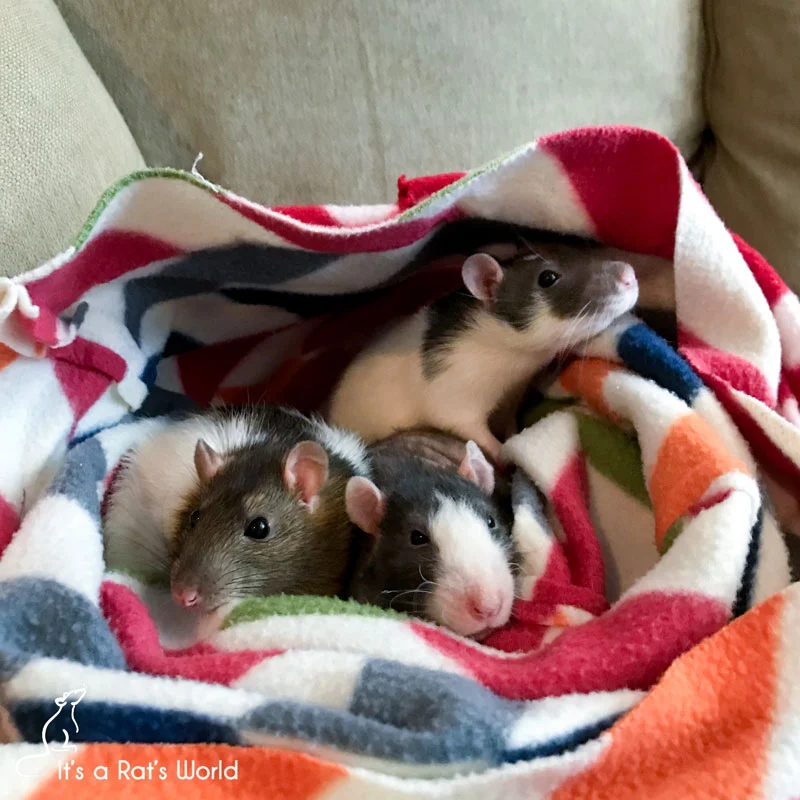
Pet ownership often presents logistical challenges, particularly during peak vacation seasons when household routines are disrupted. While standard boarding facilities and professional pet sitters remain the industry standard for dogs and cats, small exotic mammals—specifically fancy rats—occupy a specialized niche that often lacks accessible care options. For many owners, the anxiety associated with finding a qualified caretaker who understands the unique behavioral and health requirements of rats leads to the consideration of travel as an alternative. According to recent trends in pet travel, a growing segment of exotic pet owners is choosing to integrate their animals into their travel plans, prioritizing continuity of care and the mitigation of abandonment-related stress.
The Rationale for Accompanied Travel
Rats are highly social, intelligent rodents that thrive on predictability and established environmental stimuli. Veterinary behaviorists note that for small mammals, a sudden change in primary caregiver or a prolonged separation from the owner can trigger physiological stress responses, including immunosuppression, appetite loss, and lethargy. The decision to travel with rats is primarily motivated by the desire to maintain the animal’s baseline environment and ensure consistent medical monitoring.
When evaluating the feasibility of a road trip, owners must first consider the animal’s temperament. Not every rat is suited for the sensory stimulation of a moving vehicle. Experts suggest a gradual desensitization process, starting with short, low-stress car rides to monitor for signs of anxiety or motion sickness. Establishing a baseline for how a pet responds to ambient road noise, vibration, and temperature fluctuations is essential before embarking on long-distance travel.

Chronology of Travel Integration
A structured approach to acclimation is necessary to transition a rat from a sedentary home life to a mobile lifestyle. The following timeline is recommended for owners planning upcoming excursions:
- Phase One: Sensory Acclimation (4–6 weeks prior): Introduce the rats to a travel-specific, ventilated bonding pouch. During this period, brief, stationary sessions in the vehicle allow the animals to associate the car environment with security rather than threat.
- Phase Two: Short-Duration Exposure (3–4 weeks prior): Begin with 15 to 20-minute commutes. These excursions should be conducted during moderate weather to prevent thermal stress. Owners should monitor for excessive grooming or freezing behaviors, which are indicators of heightened stress.
- Phase Three: Equipment Validation (2 weeks prior): Ensure that the travel enclosure is secured properly within the vehicle. A cage must be stable, well-ventilated, and large enough to accommodate exercise, hydration, and nesting materials.
- Phase Four: Full Implementation: The actual journey should prioritize the animal’s comfort, including frequent stops to check hydration levels and the integrity of the enclosure.
Logistical Requirements and Equipment Specifications
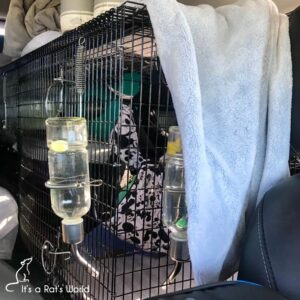
The primary challenge of traveling with rodents lies in the selection of appropriate containment. A "travel cage" must be a hybrid of a permanent home and a secure transport vessel. Ideally, the enclosure should be rigid to prevent structural collapse during sudden stops, yet sufficiently compact to be secured by seatbelts or within footwells.

Essential equipment for any trip includes:
- Hydration Systems: Dual-bottle redundancy is recommended. Vibration can cause ball-bearing valves in standard bottles to leak, leading to dehydration or a soaked, uncomfortable environment.
- Climate Management: Rodents are highly susceptible to both heatstroke and hypothermia. The ambient temperature within the vehicle must be maintained between 65°F and 75°F. If the vehicle is parked, even for short intervals, the climate control must remain active, or the animals must be removed from the vehicle.
- Sanitation Supplies: A travel kit should include non-toxic, unscented wet wipes, paper towels, and antibacterial hand sanitizers. Spot-cleaning the enclosure is vital for maintaining respiratory health, as high levels of ammonia can build up rapidly in smaller, confined spaces.
- Nutritional Supplements: Bringing a consistent supply of the animals’ daily diet is critical. Sudden changes in nutrition can lead to gastrointestinal distress. Anecdotal evidence from veteran keepers suggests that small quantities of banana can assist in stabilizing stool consistency if the rat exhibits signs of stress-induced digestive upset.
Implications for Animal Welfare
The decision to travel with small animals involves inherent risks. Veterinary organizations caution that the mobility of a cage does not equate to the safety of a carrier. In the event of a collision, a large, heavy cage can become a projectile. Therefore, the enclosure must be anchored to the vehicle’s frame or heavy-duty safety features.
Furthermore, the legal landscape regarding pet-friendly lodging is complex. While websites such as PetsWelcome.com provide directories for pet-friendly accommodations, the definition of "pet" often defaults to domestic dogs or cats. Owners are advised to contact hotel management specifically regarding rodents. It is standard practice to request a room on a ground floor for easier access and to utilize a "Do Not Disturb" sign to prevent staff from entering the room, which could lead to accidental escape or unnecessary stress to the animals.
Expert Perspectives and Behavioral Analysis
Veterinary professionals often highlight the "attachment" aspect of rat care. Unlike some domestic pets, rats often view their primary owner as a source of safety. In a study on rodent environmental enrichment, researchers observed that animals exposed to consistent human interaction exhibited higher cognitive function and lower cortisol levels. By accompanying their owners on trips, rats maintain this social anchor.
However, Dr. Sarah Jenkins, a specialist in exotic animal medicine, emphasizes that "the convenience of the owner should not supersede the welfare of the animal." She notes that if a rat shows persistent signs of distress—such as self-mutilation, extreme weight loss, or refusal to eat—the travel plan must be abandoned in favor of traditional, professional pet sitting.
Broader Impact of Exotic Pet Travel
The shift toward including exotic pets in travel plans mirrors a broader societal trend of viewing non-traditional pets as integral family members. This cultural transition has prompted some pet supply manufacturers to develop specialized, travel-ready enclosures for small mammals. The industry is responding to the demand for portable, durable, and safe containment systems, reflecting a market that is increasingly accommodating to the needs of the "small pet" owner.
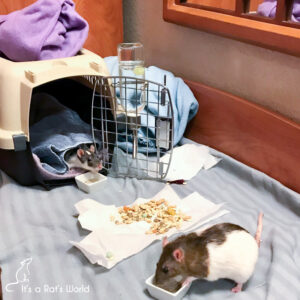
While the logistics of such travel are admittedly burdensome—requiring advanced planning, specialized supplies, and constant vigilance—many owners report that the experience is mutually beneficial. The heightened proximity to the owner during the journey can serve to deepen the human-animal bond, particularly in instances where the animal is younger or more prone to social anxiety.
Ultimately, the successful integration of rats into a travel itinerary is a testament to the owner’s commitment to their welfare. It requires a departure from traditional pet-care norms and an investment in infrastructure, preparation, and patience. As more owners explore this avenue, the accumulation of shared experiences will likely lead to refined best practices, ensuring that the adventure of travel remains a safe and enriching experience for both the human and the companion animal. By following these rigorous guidelines, owners can mitigate the risks associated with transit and ensure that their rodents remain healthy, secure, and stress-free, regardless of the destination.

