


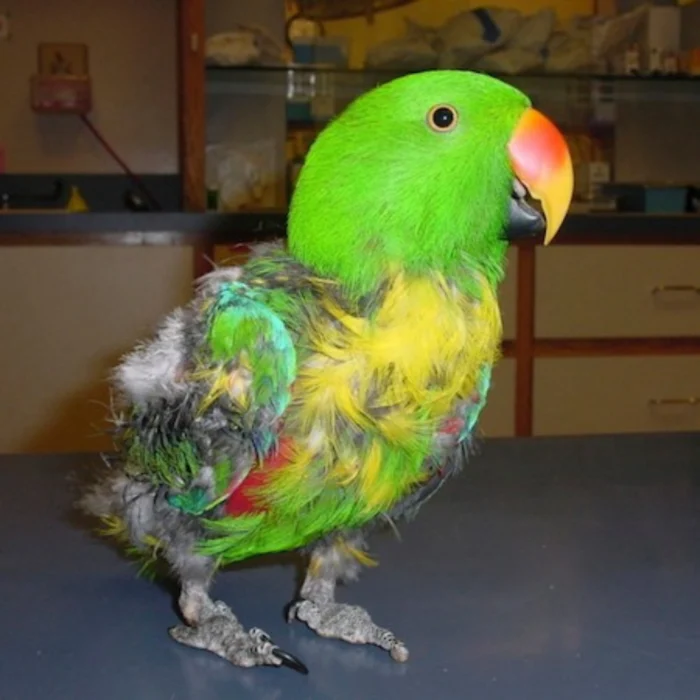
On March 18, 2026, LafeberVet announced that its comprehensive educational module titled "Foraging and Enrichment" has been officially reviewed and approved by the American Association of Veterinary State Boards (AAVSB) Registry of Approved Continuing Education (RACE) program. This accreditation grants one hour of continuing education (CE) credit to veterinarians and veterinary technicians practicing in jurisdictions that formally recognize AAVSB RACE standards. The program, authored by M. Scott Echols, DVM, DABVP (Avian Practice), focuses on the critical intersection of environmental enrichment, ultraviolet radiation, and natural foraging behaviors in captive avian species.
The accreditation represents a significant milestone in the ongoing efforts to standardize avian medical care and animal welfare practices across the veterinary industry. By integrating evidence-based research on UVB light exposure and behavioral stimulation, the course aims to provide practitioners with actionable strategies to mitigate common captive pathologies associated with sedentary lifestyles and lack of environmental complexity.
The Role of AAVSB RACE in Veterinary Education
The American Association of Veterinary State Boards serves as the umbrella organization for veterinary regulatory boards across the United States and Canada. The Registry of Approved Continuing Education (RACE) is the primary mechanism through which the AAVSB ensures that continuing education programs meet high-quality standards. For a course to receive RACE approval, it must undergo a rigorous peer-review process, confirming that the educational content is scientifically accurate, pedagogically sound, and directly relevant to the practice of veterinary medicine.
For the modern veterinary professional, RACE-approved credits are often a mandatory requirement for license renewal. The inclusion of specialized topics like avian foraging and light therapy into the RACE-accredited catalog underscores a growing trend: the shift toward species-specific, evidence-based enrichment protocols. As avian medicine continues to evolve from a niche specialty into a more mainstream component of small animal practice, the availability of high-quality, accredited digital learning modules has become essential for clinical proficiency.
Chronology of the Educational Development
The development of the Foraging and Enrichment webinar did not occur in a vacuum; it is the culmination of years of clinical research into the physiological and psychological needs of captive birds. The project timeline began with the gathering of longitudinal data regarding the impacts of ultraviolet-B (UVB) radiation on avian calcium metabolism and vitamin D3 synthesis.
In early 2025, Dr. M. Scott Echols and the LafeberVet editorial team began synthesizing clinical observations and peer-reviewed literature into a modular educational framework. Throughout the latter half of 2025, the course underwent internal vetting, ensuring that the methodologies suggested—such as specific foraging apparatus designs and light-spectrum optimization—aligned with current clinical best practices. The submission for AAVSB RACE accreditation occurred in late 2025, culminating in the formal approval announcement in March 2026. This process reflects the rigorous standard required to bridge the gap between academic avian research and daily clinical application.
Supporting Data: The Biological Necessity of Foraging and Light
To understand why this curriculum is critical, one must look at the data surrounding captive avian welfare. In the wild, psittacines and other avian species spend between 40% and 80% of their active daylight hours foraging for food. In a domestic setting, food is often provided in a stationary bowl, which can lead to rapid onset of behavioral disorders, including feather picking, stereotypic pacing, and self-mutilation.
Clinical studies cited in the broader literature supporting this webinar suggest that providing cognitive challenges—such as puzzle feeders, destructible foraging toys, and varied food placement—significantly reduces cortisol levels and improves overall immune function in captive birds.
Furthermore, the integration of UVB light is a core component of the LafeberVet curriculum. Research has consistently demonstrated that indoor birds are frequently deficient in vitamin D3, which is vital for calcium absorption and metabolic health. The course details how practitioners can advise clients on the proper placement, intensity, and duration of UVB exposure to mimic natural solar cycles, thereby preventing hypocalcemia and metabolic bone disease. The data shows that when veterinarians provide clear, evidence-based guidance on these two fronts—environmental enrichment and phototherapy—client compliance increases, and the long-term morbidity rates for avian patients decrease substantially.
Industry Impact and Clinical Implications
The approval of this webinar signals a broader shift in the veterinary industry toward "preventative behaviorism." Rather than treating the clinical symptoms of an unhealthy bird, the industry is increasingly focused on the environmental factors that dictate the animal’s quality of life.
Veterinary professionals who complete the course are granted access to a post-test, which serves as the assessment mechanism for the CE credit. The requirement to pass this test ensures that the information—ranging from the intricacies of light spectrums to the mechanics of foraging devices—has been effectively absorbed. Once a passing grade is achieved, the automated system issues a CE certificate, which is a vital document for state board audits.
The implications for veterinary practices are twofold. First, it allows for more accurate diagnostic framing; a clinician familiar with enrichment principles can quickly identify if a patient’s health decline is symptomatic of a lack of foraging opportunities. Second, it empowers the veterinary team to act as consultants for avian owners, providing them with actionable, science-backed advice that elevates the standard of home care. This creates a feedback loop where the veterinarian, the owner, and the patient benefit from a more informed, proactive approach to animal husbandry.
Official Responses and Program Accessibility
While the primary announcement focuses on the accreditation, the logistical accessibility of the material remains a priority. LafeberVet has designed the platform to support international access, offering linguistic support for French and Spanish-speaking professionals. This inclusionary approach reflects the global nature of avian medicine and the universal need for standardized training.
The platform requires a membership for access, a standard practice for specialized veterinary databases that house sensitive, peer-reviewed clinical materials. By requiring a login, the organizers ensure that the users engaging with the content are verified veterinary professionals, maintaining the integrity of the educational experience.
Dr. Echols’ work on this project is widely regarded by industry peers as a bridge between academic avian biology and the practicalities of a busy clinical practice. The RACE approval acts as a seal of quality that validates these findings for state boards across the country, ensuring that the information provided is not only scientifically rigorous but also legally recognized for professional development.
Future Outlook for Avian Veterinary Education
The success of the Foraging and Enrichment webinar sets a precedent for future modules. As the veterinary field moves toward a more holistic view of animal health, the demand for specialized education on exotic and avian species is projected to grow. The integration of technology—such as on-demand webinars and digital certification—is essential to keeping pace with this demand.
By focusing on the fundamental pillars of avian health—nutrition, lighting, and behavioral enrichment—the LafeberVet program provides a template for how other veterinary niches can structure their continuing education. As the industry looks forward, the continued collaboration between regulatory bodies like the AAVSB and clinical researchers will be vital. The goal remains constant: to provide the highest quality of care to exotic patients through the continuous education of the veterinary workforce.
In conclusion, the AAVSB RACE accreditation of the Foraging and Enrichment webinar marks a positive step forward for avian veterinary medicine. It provides a structured, verifiable, and highly relevant educational path for practitioners. For those in the field, this program represents not just a credit-earning opportunity, but a chance to deepen their clinical understanding of the complex behavioral and physiological requirements of the avian species they serve. The shift toward evidence-based enrichment and phototherapy is no longer just a recommendation; it is becoming a cornerstone of the modern veterinary standard of care.

