


The American Federation of Aviculture (AFA) has long stood as a pillar of support, advocacy, and education within the avian community. As the science of aviculture evolves, bridging the gap between hobbyist birdkeeping and professional avian stewardship has become increasingly critical. To address this need, the AFA has developed a robust suite of educational resources, prominently featuring the Fundamentals of Aviculture online curriculum and the Avian Biology Classroom (ABC). These initiatives are designed to elevate the standard of care, promote scientific understanding, and foster a deeper appreciation for feathered species through structured, accessible learning modules.

The development of these premier educational offerings has not occurred in a vacuum. It represents a collaborative effort backed by significant institutional support. The creation of the foundational courses was made possible by a pivotal grant from the Pet Care Trust, an organization dedicated to promoting public education regarding companion animals. Furthermore, foundational backing and expert contributions were provided by the Schubot Exotic Bird Health Center within the College of Veterinary Medicine at Texas A&M University. This partnership between a major veterinary institution and a national avicultural authority ensures that the curriculum meets high academic and scientific standards, providing learners with evidence-based insights into avian health, biology, and management.
At the core of the AFA’s educational framework is the Fundamentals of Aviculture program, structured into two distinct levels to accommodate varying stages of knowledge. Level I serves as the introductory gateway into the discipline. Presented in nine comprehensive chapters, this online course establishes a solid base for anyone entering the field. The curriculum spans a wide array of essential topics, beginning with avian anatomy and physiology and extending into complex behavioral studies. Students also navigate the intricate landscape of laws and regulations governing aviculture, ensuring that caretakers remain compliant with legal standards while prioritizing animal welfare. Additional chapters focus on housing requirements and preventative healthcare measures designed to mitigate illness in captive bird populations.

Building upon this initial foundation, Level II of the Fundamentals of Aviculture program takes an intermediate approach, designed for individuals seeking a more granular and technical understanding of bird care. Spanning 15 detailed chapters, the intermediate course delves into advanced subjects such as conservation, ongoing scientific research, courtship rituals, and nesting behaviors. Genetics plays a significant role in this tier, with modules covering basic avian genetics, color mutations, and the study of hybrids. Additionally, students explore breeding stimuli, incubation techniques, hand-rearing protocols, and studies focusing on non-parrot species. The curriculum also addresses essential veterinary concepts, including basic microbiology, common illnesses, first-aid administration, and environmental enrichment strategies tailored to captive birds.
Accessibility and progression are structured intentionally within the program. Admission to Level II strictly requires the successful completion of Level I, ensuring that all participants possess the baseline knowledge necessary to tackle advanced topics. For current AFA members, the introductory admission fee for Level II is set at $75. Non-members are also accommodated through an integrated enrollment option that allows them to purchase a one-year AFA membership concurrently with course registration. Prospective students can access the learning management portal through the dedicated AFA Campus website to begin their studies.

Complementing the structured online courses is the Avian Biology Classroom (ABC), a versatile educational tool tailored for bird clubs, educators, and community groups. Designed to democratize the science of aviculture, the ABC program is available for public download, allowing teachers and club leaders to easily integrate avian biology into their educational activities. The presentations are provided in both Microsoft PowerPoint (PPT) and Portable Document Format (PDF), requiring standard software such as Adobe Acrobat Reader for viewing.
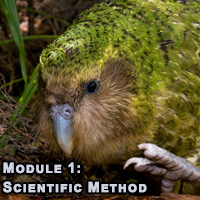
The Avian Biology Classroom curriculum is divided into five distinct modules, each targeting a fundamental aspect of biological and ecological science as it relates to avian species. Module 1 focuses on the Scientific Method, instructing learners on how to approach avian research and observation through systematic hypothesis testing, data collection, and analytical reasoning. Module 2 explores the Characteristics of Life, establishing the biological criteria that define living organisms and examining how these principles manifest uniquely in birds. Module 3 shifts the focus to Populations, discussing the dynamics of group ecology, population genetics, and the environmental pressures that influence wild and captive bird communities. Module 4 covers Mendelian Genetics, providing a mathematical and hereditary basis for understanding trait inheritance, which is particularly vital for breeders studying color mutations and genetic preservation. Finally, Module 5 addresses Ecological Terminology, equipping students with the vocabulary and conceptual frameworks necessary to understand habitats, ecosystems, and the broader environmental context of avian conservation.
The introduction and continuous refinement of these educational tools carry profound implications for the broader avicultural and veterinary communities. Historically, aviculture has relied heavily on anecdotal knowledge passed down through generations of hobbyists. While practical experience remains invaluable, the integration of formal academic frameworks—backed by institutions like Texas A&M University—represents a significant paradigm shift toward evidence-based aviculture. By standardizing education around veterinary science, conservation ethics, and legal compliance, the AFA helps mitigate common husbandry errors that lead to health and behavioral issues in captive birds.
Furthermore, the availability of resources like the Avian Biology Classroom ensures that conservation education reaches younger audiences and grassroots organizations. When local bird clubs and educators are equipped with professionally vetted presentation materials, the message of conservation, responsible pet ownership, and biological science is amplified on a community level. This grassroots engagement is crucial for shifting public perception regarding exotic bird ownership, moving away from impulse acquisition toward informed, scientifically literate stewardship.
As environmental pressures continue to threaten wild avian habitats and climate change alters global ecosystems, the role of captive breeding programs and avicultural research has grown increasingly complex. Facilities and private breeders alike face heightened scrutiny regarding animal welfare, biosecurity, and conservation ethics. In this climate, educational initiatives such as those spearheaded by the American Federation of Aviculture serve an indispensable function. By ensuring that caretakers are thoroughly trained in microbiology, first-aid, genetics, and behavioral enrichment, the AFA not only enhances the quality of life for birds in human care but also reinforces the legitimacy and scientific rigor of modern aviculture.

