


The Eastern Rosella (Platycercus eximius), a vibrant psittacine native to Australia, stands out even among its notoriously colorful parrot kin. Despite its modest size, typically reaching around 30 centimeters (12 inches) in length and weighing approximately 100 grams, its striking plumage makes it virtually impossible to overlook in its natural habitat. Beyond its aesthetic appeal, this species is also a popular companion bird, cherished for its engaging and sociable disposition. This article delves into the multifaceted aspects of the Eastern Rosella, exploring its distinctive appearance, geographical distribution, dietary habits, conservation status, and the considerations for its care in a domestic setting.
Appearance and Identification
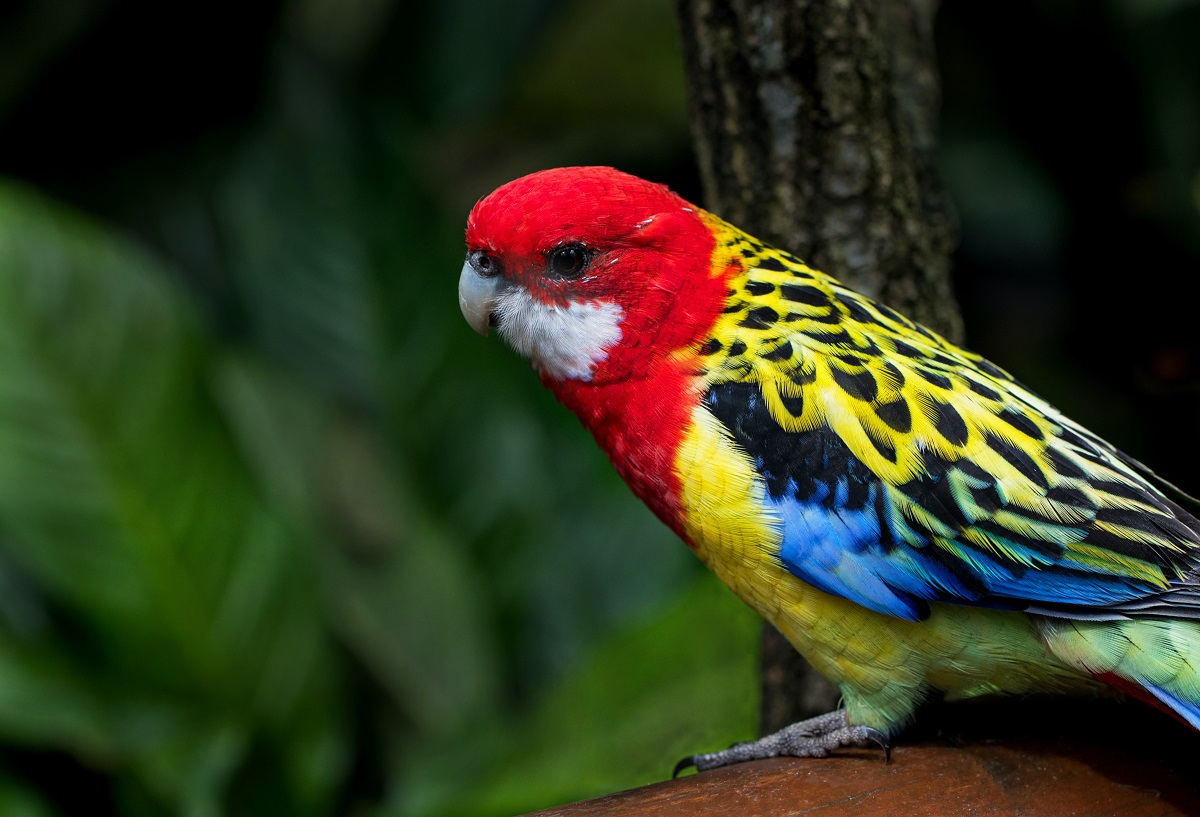
The Eastern Rosella’s appearance is a symphony of vivid hues, making it one of the most visually stunning parrots. Its head and chest are adorned with a brilliant, fiery red, contrasting sharply with clean white cheek patches. This gives way to a vibrant yellow-green on its belly and "pants," creating a dynamic transition of color. The upper wing feathers exhibit an intricate scalloped pattern of yellow-green and black, while its back is a rich green. The undersides of its wings are a striking blue, complementing a long, tapering tail that graduates from blue to green. This intricate mosaic of colors serves not only for display but also provides a degree of camouflage amidst the dappled light of the Australian woodlands.
Three distinct subspecies of the Eastern Rosella have been identified, each possessing subtle variations in coloration and size, and occupying specific geographical ranges. The nominate subspecies, Platycercus eximius eximius, is found across much of southeastern Australia, characterized by its standard brilliant red head and chest. Further south, the Tasmanian subspecies, Platycercus eximius diemensis, tends to be slightly larger with a deeper red on its head and a more pronounced white cheek patch. To the north, Platycercus eximius elecica exhibits a more intense yellow-green on its belly, with some individuals showing a broader band of orange-red on the breast. These minor differences, while significant to ornithologists, contribute to the overall diversity within the species.
Juvenile Eastern Rosellas present a somewhat muted palette compared to their adult counterparts. Their colors are less intense, often appearing duller and with a more greenish wash over the red areas. Additionally, their beaks start as a yellowish hue, gradually transitioning to the characteristic white of mature birds. This juvenile plumage is retained until their first molt, which typically occurs between two and six months of age, after which they adopt the full adult coloration. This period of less vibrant plumage may offer a survival advantage by making them less conspicuous to predators during a vulnerable developmental stage.
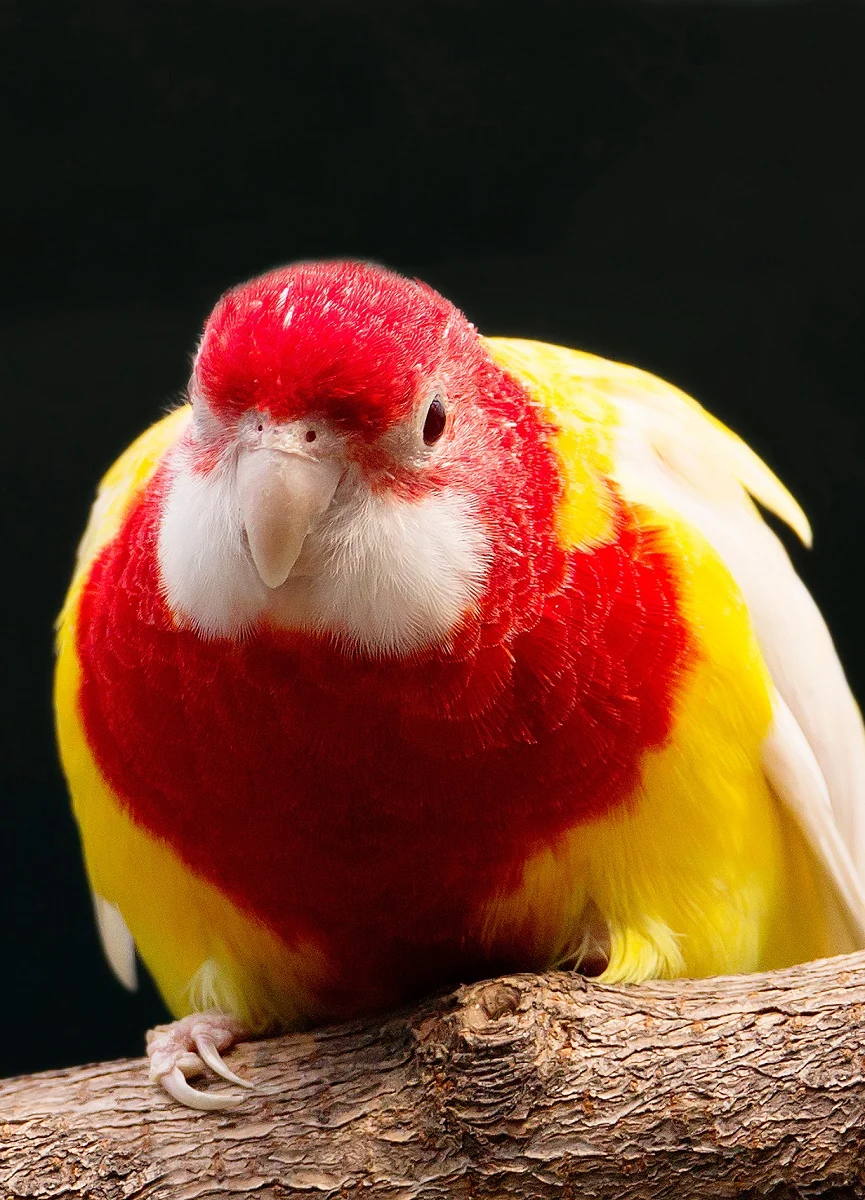
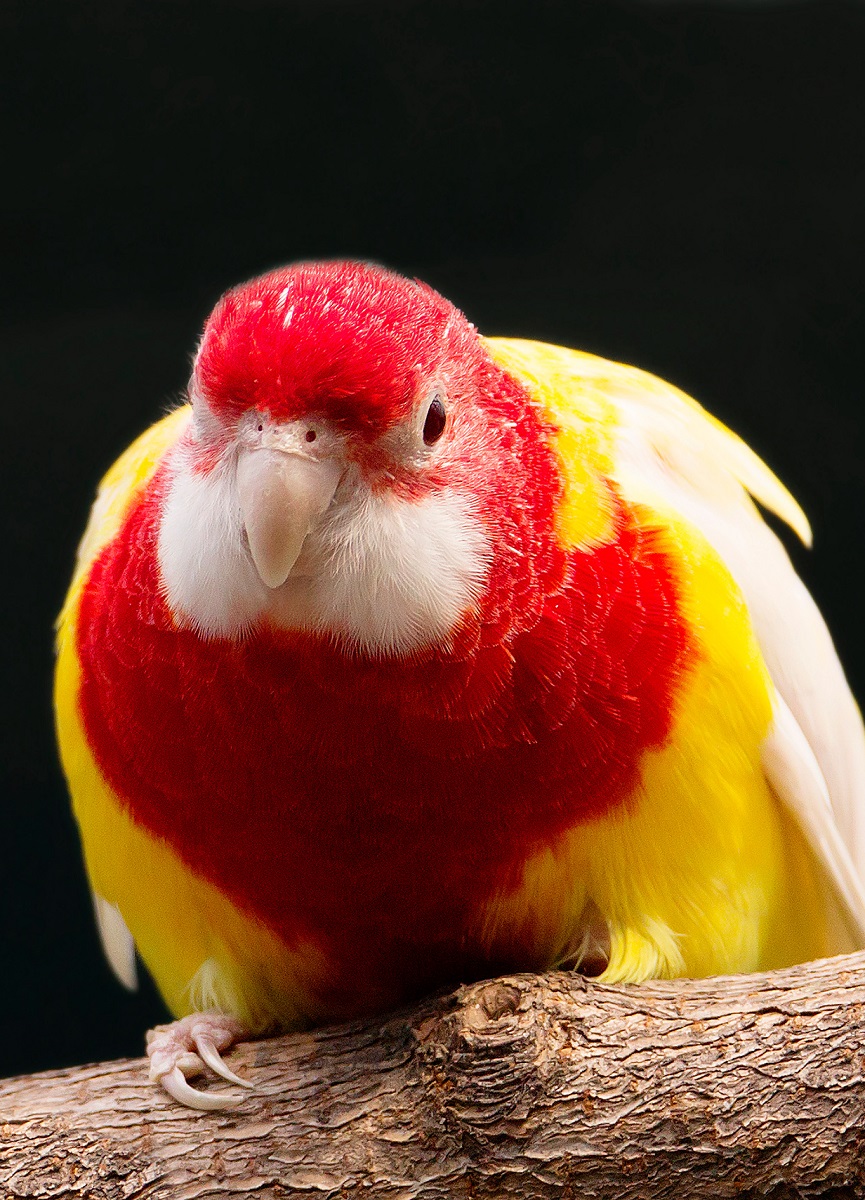
In the pet trade, selective breeding has led to the development of various color morphs that diverge significantly from the wild type. Rubinos, for instance, are particularly common and easily recognizable by their striking red, yellow, and white coloration, completely lacking the blue, green, or black pigments found in wild birds. Other morphs include Lutinos (predominantly yellow), Cinnamons (lighter, pastel hues), and Pastels, each offering a unique aesthetic for enthusiasts. These selectively bred varieties highlight the genetic plasticity of the species and the human fascination with its beauty.
Hybridization and Species Boundaries
The genus Platycercus is known for its propensity for interbreeding, leading to the occurrence of hybrid birds in areas where the ranges of different species overlap. For instance, encounters with an unusual rosella during birdwatching might indicate a hybrid. Eastern Rosella × Crimson Rosella (P. elegans) hybrids are not uncommon, nor are Eastern Rosella × Pale-headed Rosella (P. adscitus) hybrids. These inter-species pairings often produce offspring with a fascinating blend of features from both parents, sometimes resulting in particularly striking and unique plumages. Such hybridization provides valuable insights for scientists studying avian evolution and the mechanisms of species isolation. Hybrid zones serve as natural laboratories for understanding genetic flow and reproductive barriers between closely related species, underscoring the dynamic nature of avian biodiversity.
Sexual Dimorphism
Determining the sex of an Eastern Rosella visually can be challenging, particularly before the bird is fully mature and has completed its first molt. While males generally exhibit slightly brighter and more intense coloration, particularly the red on the head and chest, and may have a marginally larger head and beak, these differences are often subtle. Females might display a slightly duller red, more extensive green mottling on the crown and nape, and a more delicate build. However, these are not infallible indicators, and individual variation can make visual sexing unreliable. For definitive sex identification, particularly for breeding purposes, DNA testing performed by an avian veterinarian is the most accurate method.
Geographic Distribution and Habitat
The Eastern Rosella is aptly named, with its natural range exclusively confined to Eastern and Southeastern Australia, encompassing the island of Tasmania. Within this extensive range, populations thrive across New South Wales, Victoria, and southeastern Queensland. This region is characterized by temperate climates and a mosaic of open woodlands, which are ideal for the species.
Beyond its native shores, the Eastern Rosella has established itself as an introduced species in New Zealand. The presence of these populations is attributed to a combination of accidental escapes and deliberate releases, largely occurring in the late 19th and early 20th centuries. Historical records indicate incidents such as 12 rosellas escaping in Dunedin after their cage was destroyed, and a shipment being released in 1910 by the NZ Customs Department after entry was refused. These events led to the establishment of multiple localized populations across both the North and South Islands of New Zealand, particularly around major urban centers like Auckland and Wellington. As an introduced species, the Eastern Rosella in New Zealand can compete with native bird species for resources, particularly nesting hollows, raising ecological concerns about its long-term impact on local ecosystems.
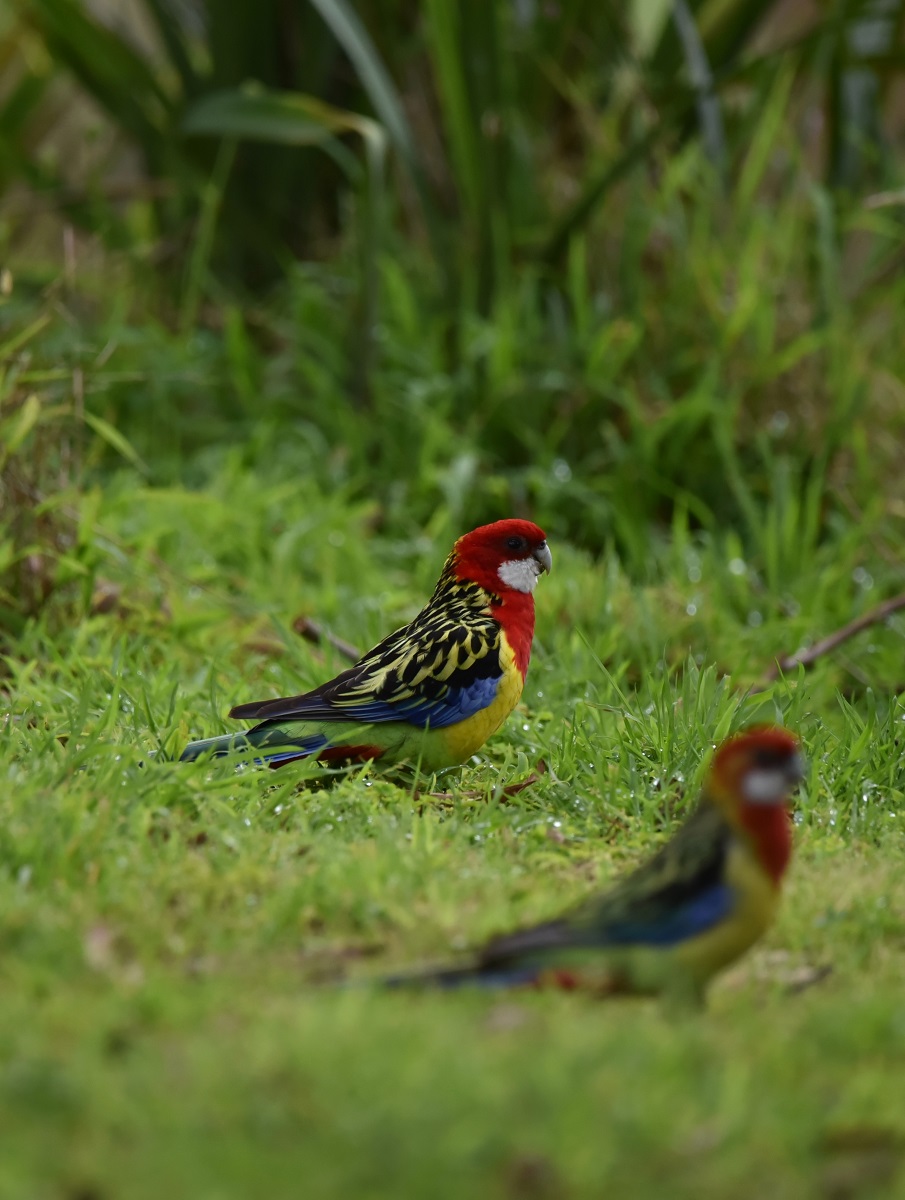
In its natural habitat, the Eastern Rosella demonstrates a preference for lightly wooded areas. These include open forests and forest edges, patches of Eucalyptus trees, farmlands, urban parks, and suburban gardens. They are found at moderate altitudes, typically up to 1,250 meters (4,100 feet), favoring regions that receive ample rainfall or possess consistent water sources. Their adaptability to human-modified landscapes is a key factor in their success. Wild Eastern Rosellas are typically observed in pairs or small family groups, often foraging on the ground or in low vegetation. They occasionally associate with other parrot and rosella species, particularly during abundant food seasons. Like many parrots, they are cavity nesters, relying on hollows within mature trees for breeding, a critical resource that can sometimes be limited by habitat loss.
Conservation Status and Ecological Dynamics
The International Union for Conservation of Nature (IUCN) Red List currently classifies the Eastern Rosella as a species of "Least Concern." This favorable assessment is primarily due to its wide natural range and a population trend that appears to be stable, and in some areas, even increasing. The species’ remarkable resilience and adaptability have allowed it to thrive even amidst significant environmental changes.
Ironically, the expansion of human agriculture has contributed significantly to the Eastern Rosella’s population success. While habitat degradation and forest clearing pose threats to many specialist species, the conversion of natural woodlands into agricultural land often creates a mosaic of open woodlands, forest edges, and cultivated fields. This modified landscape provides an abundance of easily accessible food sources for generalist species like the Eastern Rosella, which readily exploit crops such as maize, grain, and various fruits. The fragmentation of dense forests into more open, park-like environments also suits their preferred habitat structure, making them a common sight in rural and suburban areas across their range.
However, this adaptability comes with a long history of conflict with human interests. For centuries, and particularly since European settlement, the Eastern Rosella has been regarded as an agricultural pest. Its fondness for seeds and fruits often leads to raids on orchards and grain fields, causing significant damage to harvests. Although protected by law in Australia, farmers are often granted permits to cull rosellas if they can demonstrate substantial crop damage and the ineffectiveness of non-lethal deterrents. This ongoing conflict highlights the complex relationship between human land use and wildlife, necessitating ongoing efforts to find sustainable coexistence strategies, such as the development of "wildlife-friendly" labeling for produce to encourage non-lethal pest management.
Diet and Foraging Behavior
The Eastern Rosella’s diet in the wild is diverse, reflecting its opportunistic foraging strategies. Seeds form the cornerstone of its diet, with a particular preference for thistle seeds, various grass seeds, and Eucalypt seeds. They are also highly fond of fruits such as apples, berries, and native figs. Research has shown that their diet further includes a wide variety of flowers, flower buds, nectar, and even insects, particularly during breeding season when extra protein is required for chick development. Their foraging behavior often involves gleaning seeds from the ground, climbing through shrubs, and inspecting tree canopies for blossoms and fruits. This varied diet allows them to adapt to seasonal availability of different food sources, contributing to their ecological success.
Given their varied natural diet, it is paramount that captive Eastern Rosellas receive a comprehensive and balanced nutritional plan. A simple diet of mixed seeds, common in the past, is wholly inadequate for any parrot species and can lead to severe nutritional deficiencies. Modern avian veterinary consensus, including that of experts like Psittacology’s resident vet Dr. Daisy May, strongly recommends a base diet of high-quality, commercially formulated pellets. These pellets are designed to provide a complete and balanced nutritional foundation, minimizing the risk of vitamin and mineral imbalances.
Supplementing the daily pellet ration, fresh produce is an essential component of a captive rosella’s diet. A wide array of vegetables should be offered daily, including leafy greens (kale, spinach, romaine lettuce), carrots, bell peppers, broccoli, and sweet potatoes. Fruits, while nutritious, should be offered a few times a week due to their higher sugar content; safe options include apples, bananas, oranges, berries, and melons. Variety is key to ensure a broad spectrum of nutrients and to keep the bird engaged with its food.
Further enrichment can be provided through the inclusion of sprouted seeds, which are highly nutritious and palatable, as well as cooked whole grains like brown rice, quinoa, and whole-wheat pasta. Small amounts of healthy treats, such as millet sprays or unsalted nuts, can be given sparingly. Occasional protein-based snacks, such as a small piece of boiled egg or a few freeze-dried mealworms, are beneficial, particularly during molting or breeding. Additionally, offering parrot-safe foraged items like fresh, pesticide-free branches (e.g., from eucalyptus, willow, or fruit trees), dandelions, and hibiscus flowers can provide both nutritional benefits and essential mental stimulation. A comprehensive understanding of parrot dietary needs is crucial for ensuring the health and longevity of a captive Eastern Rosella.
The Eastern Rosella as a Pet
Eastern Rosellas are among the more commonly kept parrot species in captivity, prized for their beauty and engaging personalities. They are particularly popular as aviary birds, primarily owing to their stunning colors. However, their inherently territorial nature means they are generally not ideal for cohabitation with other small aviary birds like budgies, as they can become aggressive, especially during breeding season.
For those seeking an indoor companion, a well-socialized Eastern Rosella can be an excellent choice. They are typically fun, active, curious, and social birds. While often described as more independent than some other parrot species (such as cockatoos or African Greys), most still relish spending quality time with their human caregivers. Their intelligence and playful demeanor make them rewarding pets for experienced bird owners.
Housing Requirements
Providing adequate housing is paramount for the well-being of a captive Eastern Rosella. As with all parrots, the principle of "the bigger, the better" applies to cage size. A minimum cage length of 1 meter (40 inches) is recommended to allow the bird sufficient space to stretch its wings fully and engage in short flights. For safety, cage bar spacing should be no more than 1.25 centimeters (0.5 inches) apart to prevent injury or escape. The cage should be constructed from durable, non-toxic materials.
The interior of the cage requires thoughtful furnishing to promote physical and mental health. A variety of natural perches of different diameters and textures (e.g., java wood, manzanita) is crucial for foot health. Stainless steel food and water bowls should be provided and cleaned daily. Critically, the cage must contain a diverse assortment of parrot toys—chew toys, puzzle toys, foraging toys, and shreddable toys—to prevent boredom and destructive behaviors. The cage should be placed in a safe, draft-free location within the home, ideally where the bird can observe household activity but also retreat for privacy.
Enrichment and Mental Stimulation
Parrots are highly intelligent creatures, and Eastern Rosellas are no exception. Without adequate mental and physical stimulation, they can easily become bored, leading to stress, feather plucking, self-mutilation, or excessive screaming. Providing a rich and varied environment is essential for their psychological health.
Beyond the aforementioned toys, several strategies can enhance a rosella’s quality of life:
- Foraging Opportunities: Mimic natural foraging by hiding food in puzzle toys, foraging boxes, or scattering it within safe substrate at the bottom of the cage.
- Out-of-Cage Time: Supervised time outside the cage, allowing for exploration and interaction, is vital. A dedicated play stand can provide a safe and stimulating environment.
- Sensory Enrichment: Introduce new objects, sounds, and textures regularly. Providing music or natural sounds can be enriching.
- Training: Engage in positive reinforcement training for simple commands or trick training, which strengthens the bond and provides mental exercise.
- Bathing: Offer a shallow water dish or a gentle misting to encourage bathing, which is important for feather health.
Noise Level and Talking Ability
Compared to some of their larger parrot relatives, Eastern Rosellas are generally not considered excessively loud. While all parrots make noise, rosellas typically communicate through a series of melodic whistles, chattering, and sharp chirps, rather than piercing flock calls that can be disruptive in an apartment setting. Their vocalizations are often described as pleasant and musical. Recordings of their calls are readily available on platforms like Xeno-Canto (Platycercus eximius) for prospective owners to assess.
Regarding speech, Eastern Rosellas can indeed learn to talk, though they are not renowned for being among the most talented talking parrots. With patience, consistent training, and ample interaction, many individuals can learn to imitate household noises, short phrases, or even mimic simple tunes. Their voices tend to be clear but often higher-pitched than larger parrots. Owners should manage expectations; while some may become quite adept at mimicry, others may only pick up a few words. The focus should always be on providing a rich, stimulating environment regardless of their talking prowess.
Health, Longevity, and Safety
Eastern Rosellas are relatively hardy birds, capable of living between 20 to 30 years in captivity with proper care. However, like all pets, they are susceptible to certain health issues, particularly those related to poor nutrition (e.g., vitamin A deficiency from seed-only diets) or inadequate hygiene. Regular veterinary check-ups with an avian specialist are crucial for preventative care and early detection of potential problems.
Parrots are inherently curious and can be fragile, making home safety a critical consideration. Any space where a rosella has access must be thoroughly "parrot-proofed." This includes removing toxic houseplants, ensuring windows and doors are secured, covering open water sources (toilets, sinks), turning off ceiling fans, and storing household chemicals, lead-containing items, and small ingestible objects out of reach. Owners should also familiarize themselves with basic parrot emergency care, including recognizing signs of illness or injury, and having immediate access to an avian veterinarian.
In conclusion, the Eastern Rosella is a captivating species, a testament to the vibrant biodiversity of Australia. Its stunning appearance, adaptability to varied landscapes, and engaging personality make it a fascinating subject for ornithologists and a beloved companion for pet owners. Understanding its ecological role, dietary needs, and specific care requirements is essential for appreciating this remarkable parrot, whether in the wild or within the home.

