


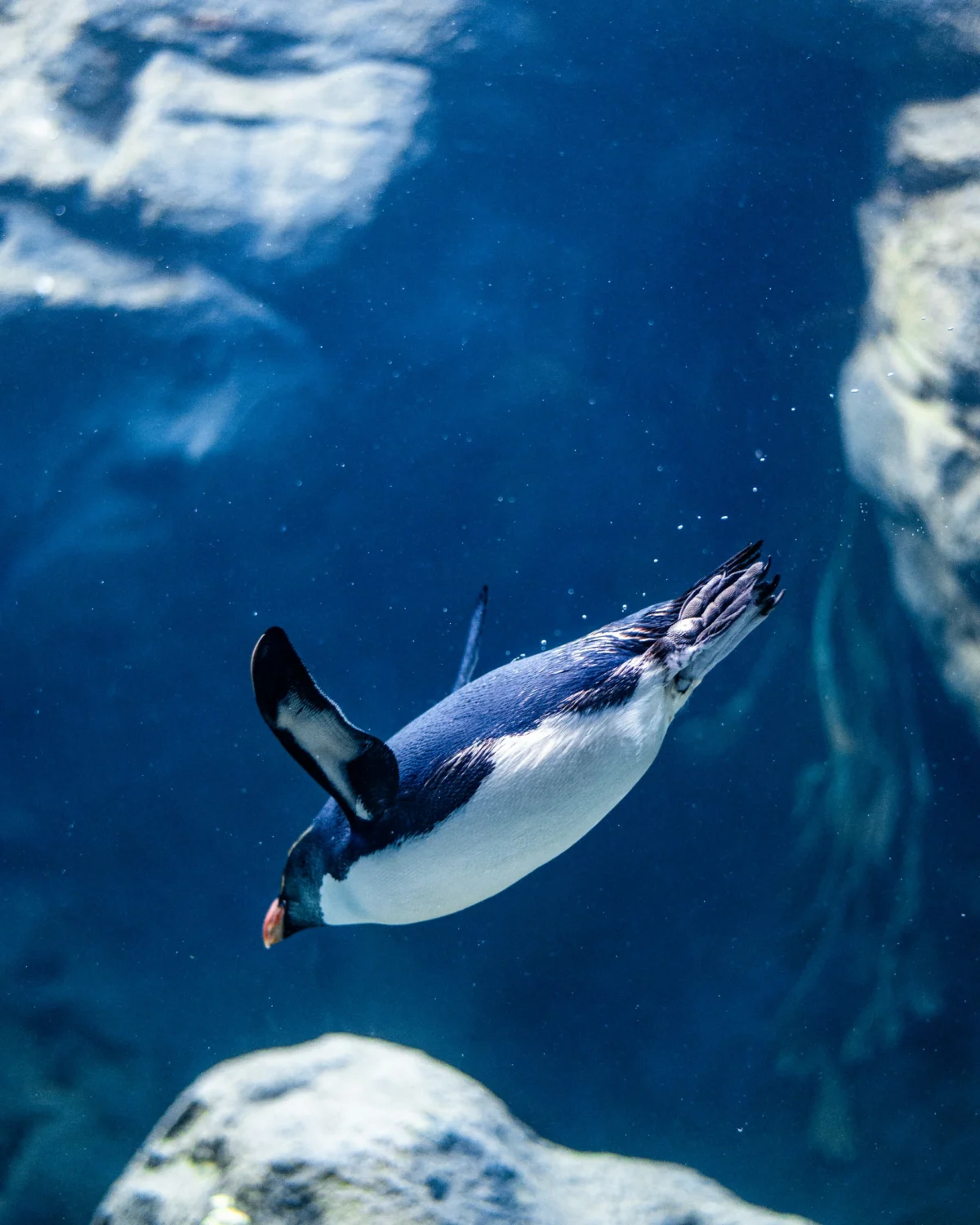
The charming, distinctive waddle of a penguin is a hallmark of its presence in the avian world. To the casual observer, it might appear as though these flightless seabirds possess no discernible legs, with their feet seeming to emerge directly from their stout bodies. This perceived lack of visible limbs, coupled with their unique gait, naturally leads to a curious question: do penguins actually have knees, and if so, how do they function? The answer, while seemingly straightforward, unlocks a fascinating insight into the remarkable adaptations that enable these creatures to thrive in some of the planet’s harshest environments.
The Unseen Knees: An Anatomical Marvel
Contrary to popular perception, all penguin species possess knees, a crucial component of their skeletal structure that facilitates their characteristic movements. The primary reason these joints remain hidden from view is their strategic placement and the dense, insulating layer of feathers that covers a penguin’s body. These feathers, essential for thermoregulation in frigid climates, effectively conceal the upper portions of the penguin’s legs, including the knees and thighs.
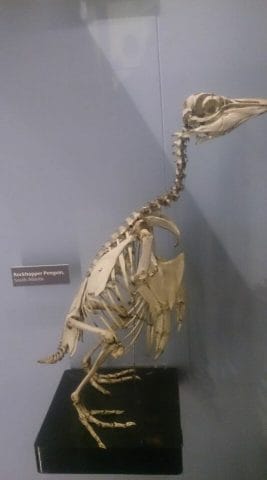
Examining a penguin’s skeleton reveals a surprising anatomical feature: remarkably long legs relative to their compact torsos. This contrasts sharply with the visual impression given by their feathered exteriors. Like the legs of many other bird species, a penguin’s leg structure includes the femur (thigh bone), fibula, and a knee joint.
Unpacking the Penguin’s Knee and Patella
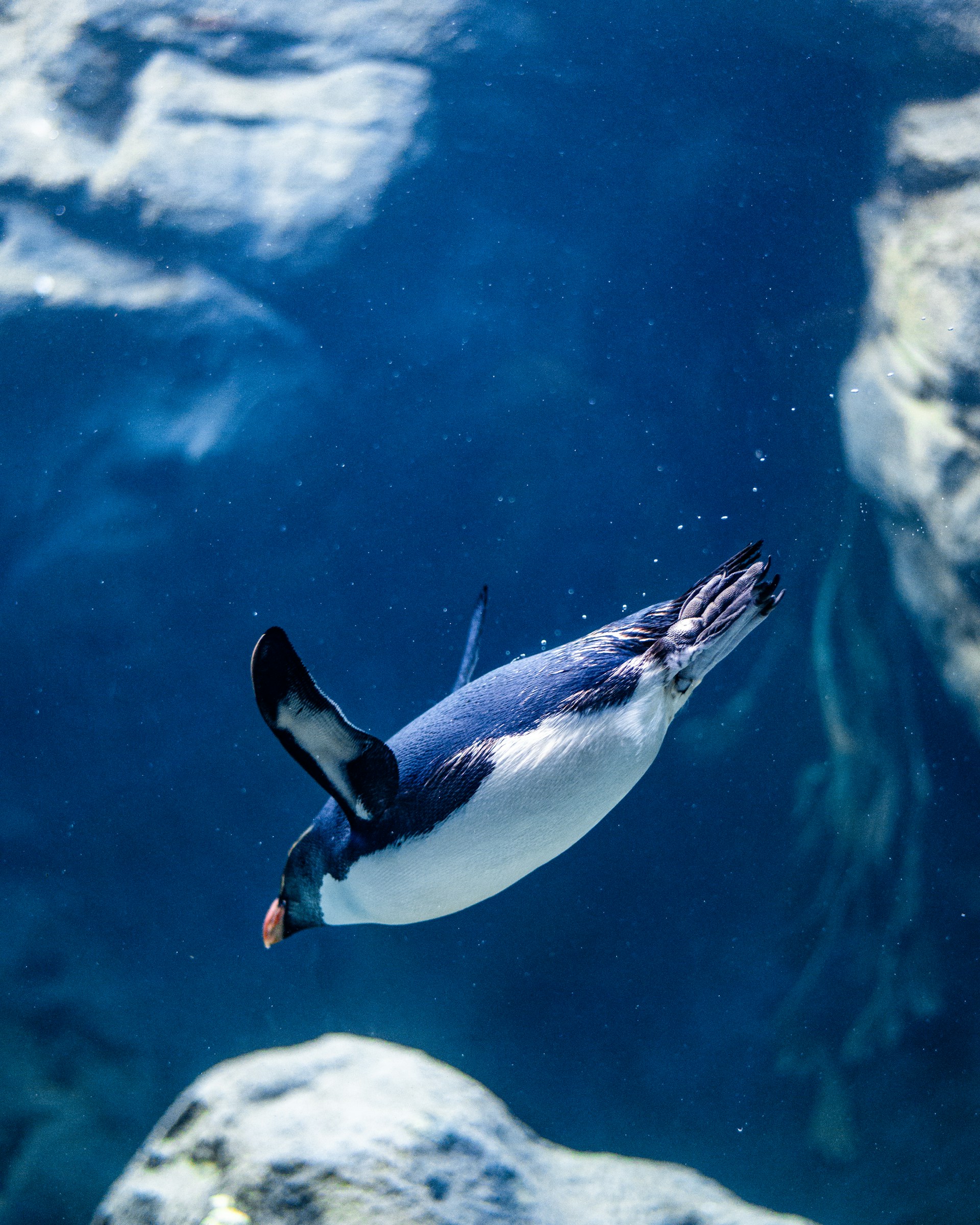
Delving deeper into avian anatomy, it’s important to note that while all birds possess knees, the presence of a kneecap, or patella, varies among species. Penguins, however, are equipped with both a knee joint and a patella. This kneecap, known as the patella, exhibits a unique, cube-like shape, a distinct departure from the more rounded patella found in humans. This specialized form allows the kneecap to fit snugly within the surrounding tendons, granting penguins the necessary flexibility to bend their knees effectively as they walk. This adaptation is vital for their terrestrial locomotion, enabling them to navigate varied terrains with surprising agility.
Skeletal Structure: The Foundation of Penguin Movement
The seemingly stumpy legs and oversized feet that characterize a penguin’s outward appearance are largely an optical illusion. The majority of their leg structure, including the femur and tibia, is positioned high within their body and concealed by their dense plumage. This arrangement is a direct result of evolutionary pressures, optimizing them for their aquatic lifestyle.
Despite their distinct bipedal locomotion, which differs significantly from human walking, penguins share fundamental leg and knee structures with us. Their skeletal framework is a testament to their dual existence, balancing the demands of efficient swimming with the necessities of terrestrial movement.
Upper Legs: The Hidden Foundation
Similar to humans, penguins have upper leg bones that form a 90-degree angle with their lower legs. The penguin’s femur, or thigh bone, is comparatively shorter than that of a human and articulates with the pelvis to form a hip joint. A significant adaptation in penguin anatomy is their bone density. Unlike flying birds, which possess hollow bones to reduce weight for aerial maneuverability, penguins have solid, heavy bones. This increased bone mass is crucial for their aquatic prowess, reducing buoyancy and allowing them to dive and swim with greater efficiency and control, effectively acting as natural ballast.
Knees: The Unseen Hinges
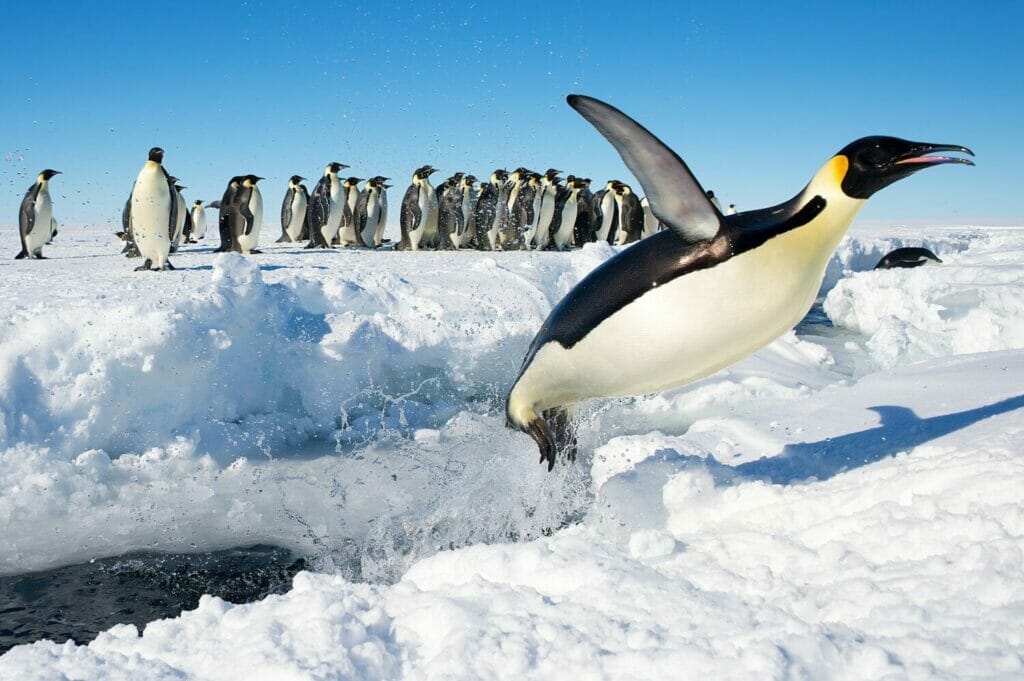
The penguin’s knee joint is characterized by a perpetual bend, a posture that is essential for maintaining the vertical orientation of their lower legs. While this fixed position limits the range of motion at the knee itself, the presence of a well-developed kneecap provides vital protection against injury. For observers, the penguin’s knee is situated just above the visible tip of their flippers, a subtle anatomical landmark often overlooked.
Lower Legs: The Elongated Structure
The lower leg bones, comprising the tibiotarsus (analogous to the human tibia), are the longest segments of a penguin’s leg skeleton. This elongation, combined with the higher placement of the femur and knee, contributes to their characteristic upright stance and the perception of short legs. This arrangement is advantageous for their swimming capabilities, providing a powerful lever for propulsion through water.
Ankles: The Misunderstood Joints
The ankle joint is often the most visible part of a penguin’s leg and is frequently mistaken for the knee by those unfamiliar with their anatomy. These powerful ankle joints are integral to their ability to maintain balance and stability on land, as well as to generate thrust during their characteristic bounding gait.
Feet: The Adaptable Appendages
Penguin feet are large, webbed, and equipped with formidable claws. The webbing enhances their ability to paddle and steer efficiently in water, while the strong claws provide grip on slippery surfaces and aid in catching prey. The substantial size of their feet is critical for both aquatic maneuverability and for providing a stable platform on land, particularly on icy or uneven terrain.
The Functional Significance of Penguin Knees
The knees of penguins are not merely vestigial structures; they are integral to a range of essential behaviors and adaptations. Their function extends beyond simple locomotion, playing a crucial role in their survival strategies.
Movement: Aquatic Propulsion and Terrestrial Navigation
The bent-knee posture allows penguins to effectively propel themselves through water, utilizing their legs as powerful oars. On land, this same bent-knee configuration, combined with their strong ankles, enables them to navigate icy and snowy landscapes with a stable, albeit waddling, gait. The ability to "slice" on snowy banks and maintain firm footing on solid ground is directly facilitated by the controlled flexion and stability provided by their knees.
Furthermore, the elevated position of their knees, contributing to their short-legged appearance, is a significant advantage for swimming. This streamlined body shape reduces drag in the water, allowing for faster and more efficient movement. Beyond locomotion, their knees also enable them to stand and sit comfortably, facilitating rest and sleep even in challenging environments.
Incubation: A Protective Embrace
The penguin’s knees play a vital role in their reproductive cycle. During the incubation period, parents carefully balance their single egg on their feet, tucking it beneath a brood patch and holding it securely between their knees. This unique method of egg incubation keeps the precious cargo elevated from the frigid ground, protecting it from the extreme cold and ensuring its warmth is maintained by the parent’s body heat. The ability to maneuver with the egg precariously balanced is a testament to the controlled flexion and stability of their knee joints.
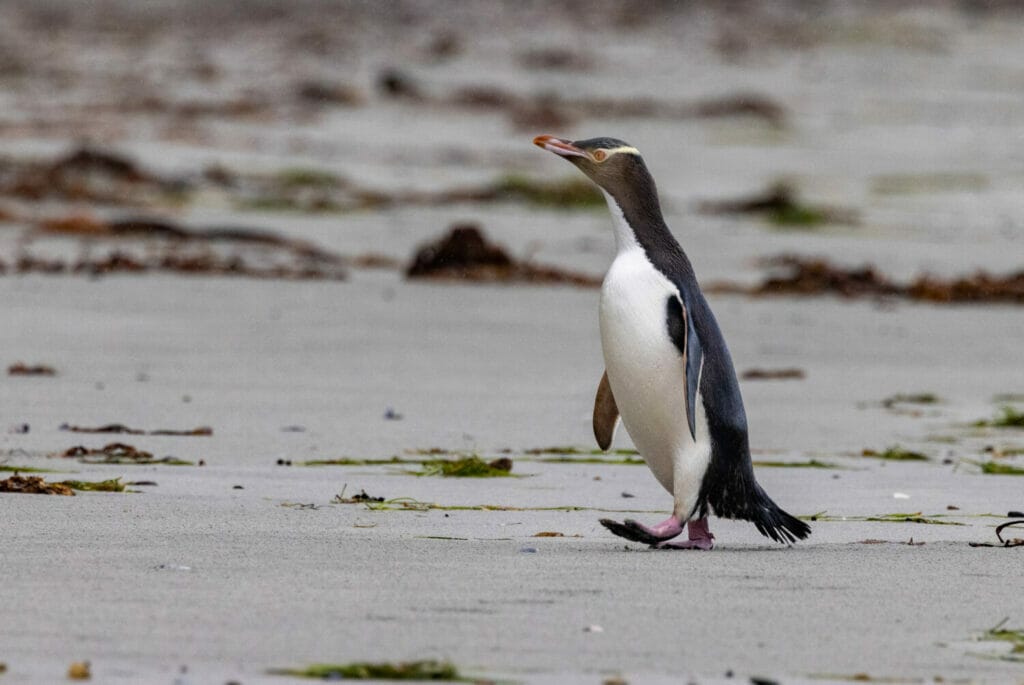
The Enigma of the Waddles: A Symphony of Adaptations
The iconic penguin waddle, while appearing somewhat clumsy to human observers, is a highly efficient and evolutionarily refined mode of locomotion. Several factors contribute to this distinctive gait:
The Impact of Large Feet
Penguins possess disproportionately large feet relative to their body size. These substantial appendages are crucial for both aquatic propulsion and terrestrial stability. However, moving such large feet with grace and agility on land presents a biomechanical challenge. The waddle, a side-to-side motion of the body, effectively distributes weight and conserves energy when moving these large feet.
The Advantage of High Knees
As previously discussed, the penguin’s knees are positioned high within their body, allowing for greater leg flexibility in the water. While this contributes to their aquatic prowess, it results in a shorter visible leg segment. This anatomical arrangement, combined with their body shape, necessitates a waddling motion for efficient terrestrial movement. The gait allows them to swing their bodies from side to side, compensating for the limited apparent stride length.
Body Shape and Bone Structure
The penguin’s inherently oval body shape, coupled with the substantial leg bones occupying a significant portion of their skeletal structure, further dictates their movement. The waddle is simply the most biomechanically advantageous way for them to propel themselves forward with this body plan. It allows for a coordinated swing of the body that maximizes forward momentum with minimal wasted effort.
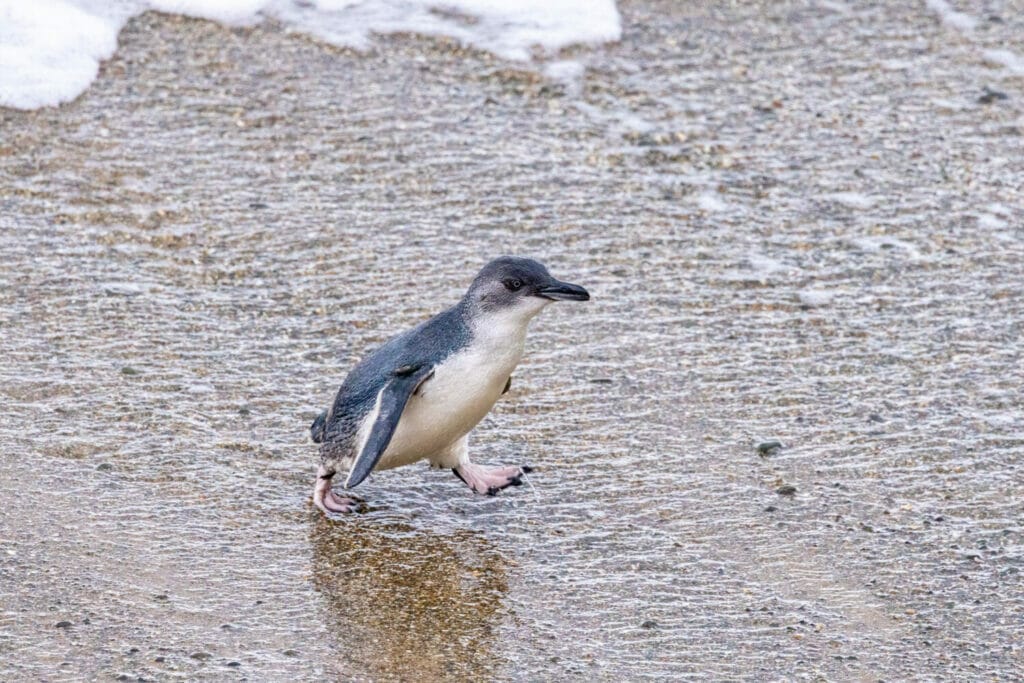
Energy Conservation: A Strategic Necessity
For bipedal animals, walking can be an energy-intensive activity. Penguins, with their significant body mass relative to their size, expend considerable energy when moving on land. Waddling is not merely a quirky characteristic; it is a strategic energy-conservation mechanism. By minimizing unnecessary limb movements and utilizing a more stable, rhythmic motion, penguins can travel distances efficiently, preserving vital energy reserves for foraging, breeding, and surviving in their demanding habitats. This is particularly important for species that undertake long journeys between their breeding grounds and feeding areas.
Broader Implications and Evolutionary Context
The study of penguin anatomy, particularly their hidden knees and unique waddle, offers valuable insights into the principles of evolutionary adaptation. Their skeletal structure, bone density, and gait are finely tuned to their specific ecological niche, demonstrating how form follows function in the natural world. These adaptations are not arbitrary but are the result of millions of years of selective pressures favoring traits that enhance survival and reproductive success.
The fact that penguins, despite their inability to fly, retain wings that are highly adapted for swimming underscores the dynamic nature of evolution. Their wings, transformed into powerful flippers, are a prime example of repurposing existing structures for new functions. Similarly, their leg and knee anatomy is a testament to the intricate interplay between terrestrial and aquatic life.
Global Distribution and Conservation Status
Penguins are found exclusively in the Southern Hemisphere, with the most significant populations inhabiting Antarctica. However, various species have adapted to a range of climates, from the icy Antarctic continent to the temperate coasts of South America, Africa, Australia, and New Zealand. The presence of 18 recognized species highlights the remarkable diversity within this avian group.
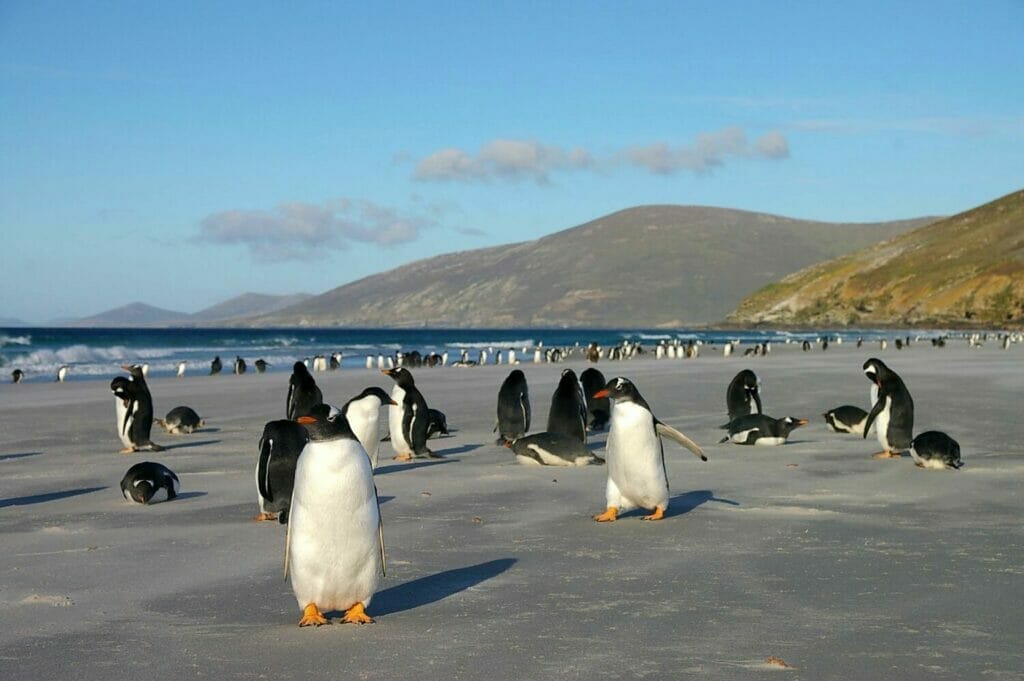
Conservation efforts are crucial for the future of penguin populations. Several species face threats from climate change, including habitat loss due to melting sea ice and changes in prey availability. Overfishing and marine pollution also pose significant risks. Organizations worldwide are actively engaged in monitoring penguin populations, researching threats, and implementing strategies to protect these beloved seabirds and their delicate ecosystems. Understanding their unique anatomy and behavior is fundamental to these conservation endeavors.
Frequently Asked Questions
Where do penguins live?
Penguins are exclusively found in the Southern Hemisphere. Their range extends from the frigid shores of Antarctica to the more temperate coastal regions of South America, Africa, Australia, and New Zealand.
How many penguin species are there?
There are currently 18 recognized species of penguins, each with unique characteristics and adaptations to their specific environments.
Are penguins really birds?
Yes, penguins are unequivocally classified as birds. They exhibit key avian characteristics such as laying eggs, possessing feathers and wings, and having beaks. While they are flightless, their wings have evolved into highly efficient flippers for aquatic locomotion.

Where can you see penguins that are not Antarctica?
Beyond Antarctica, excellent locations for observing penguins include Australia (particularly for Little Blue Penguins), New Zealand (home to several endemic species), and South Africa (known for the African Penguin). The ferry journey between New Zealand’s North and South Islands, for instance, offers opportunities to spot penguins in their natural habitat.

