


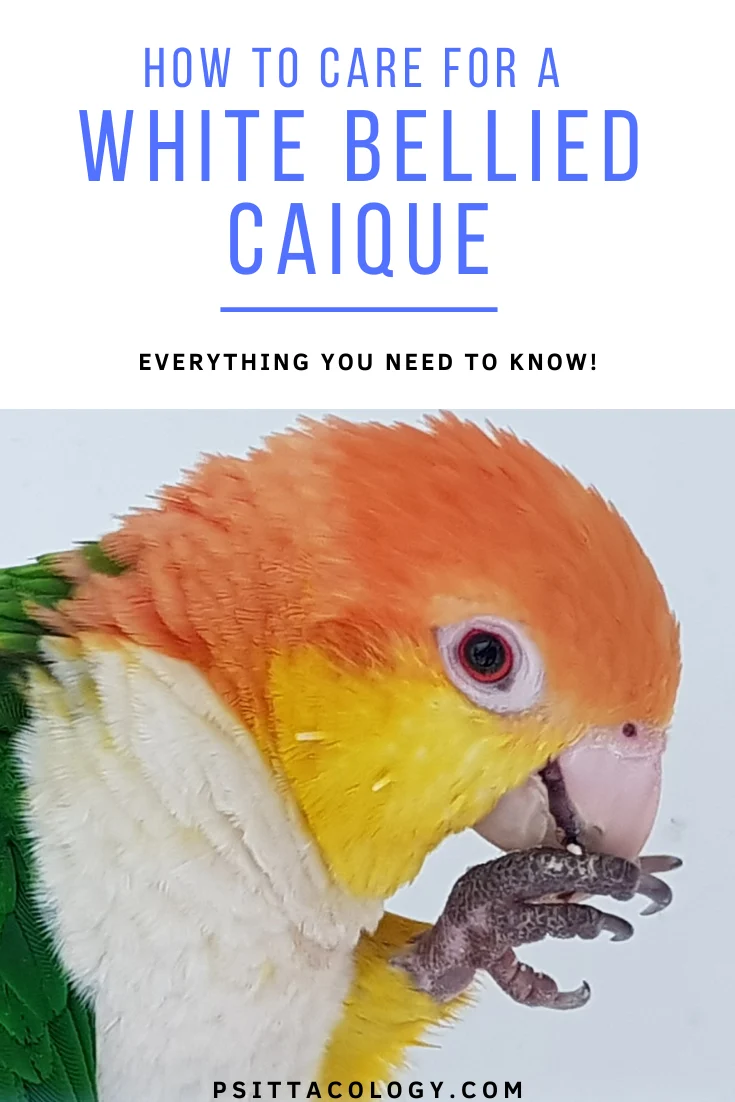
Considering the addition of a white-bellied caique (genus Pionites) to a household is a significant decision that requires extensive understanding of these vibrant South American parrots. Known for their dynamic personalities and demanding care requirements, caiques are not for the faint of heart, presenting both immense joy and considerable challenges to their caretakers. Their distinct physical attributes, complex social behaviors, and specific dietary needs necessitate a well-informed approach to ensure their well-being and a harmonious home environment.
Appearance and Taxonomy: A Colorful and Debated Classification
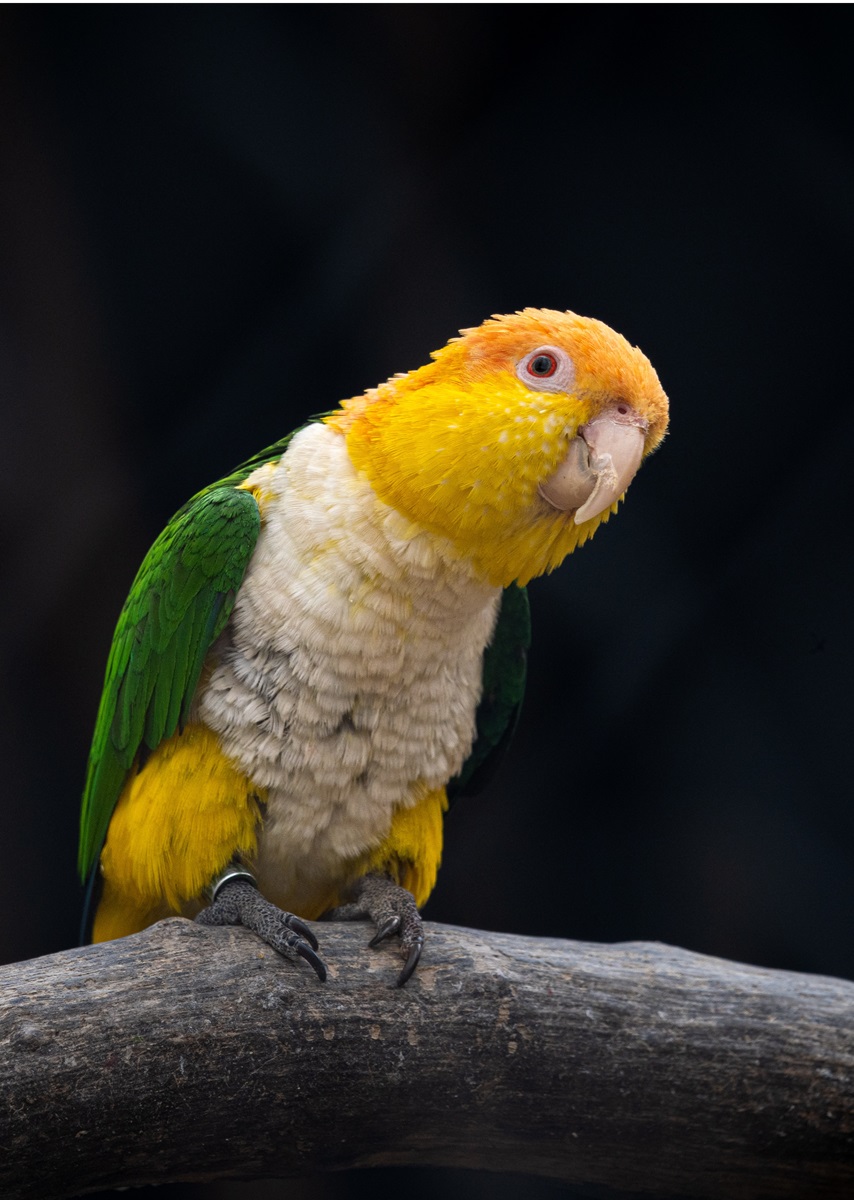
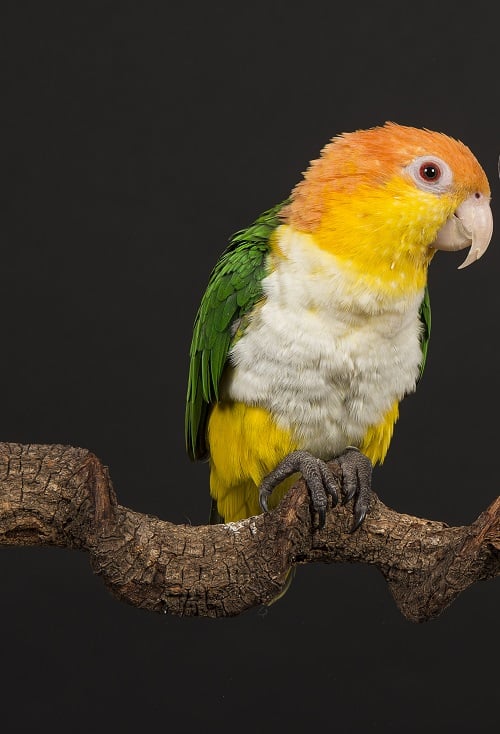
The white-bellied caique is a visually striking parrot, characterized by its stocky build, short, slightly stumpy tail, and a maximum length of approximately 23 cm (9 inches), weighing up to 170 grams. As their common name suggests, they exhibit a prominent white to cream-colored chest and belly. Their plumage is a vibrant mosaic of yellow cheeks, an orange head, and green wings and back, complemented by a beige beak. A unique feature is their reddish eyes, encircled by a bare eye-ring.
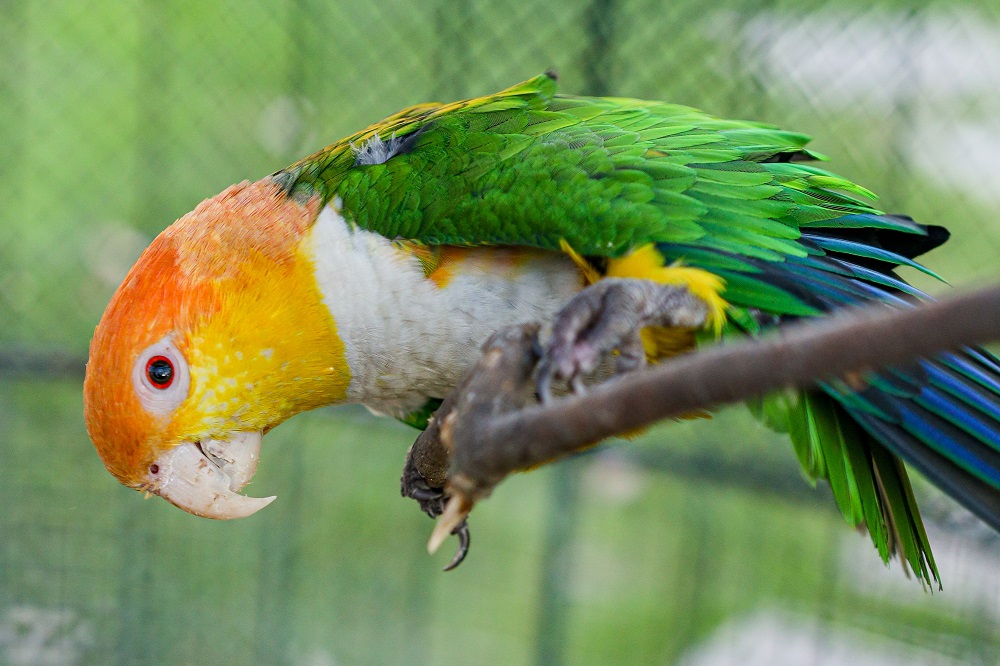
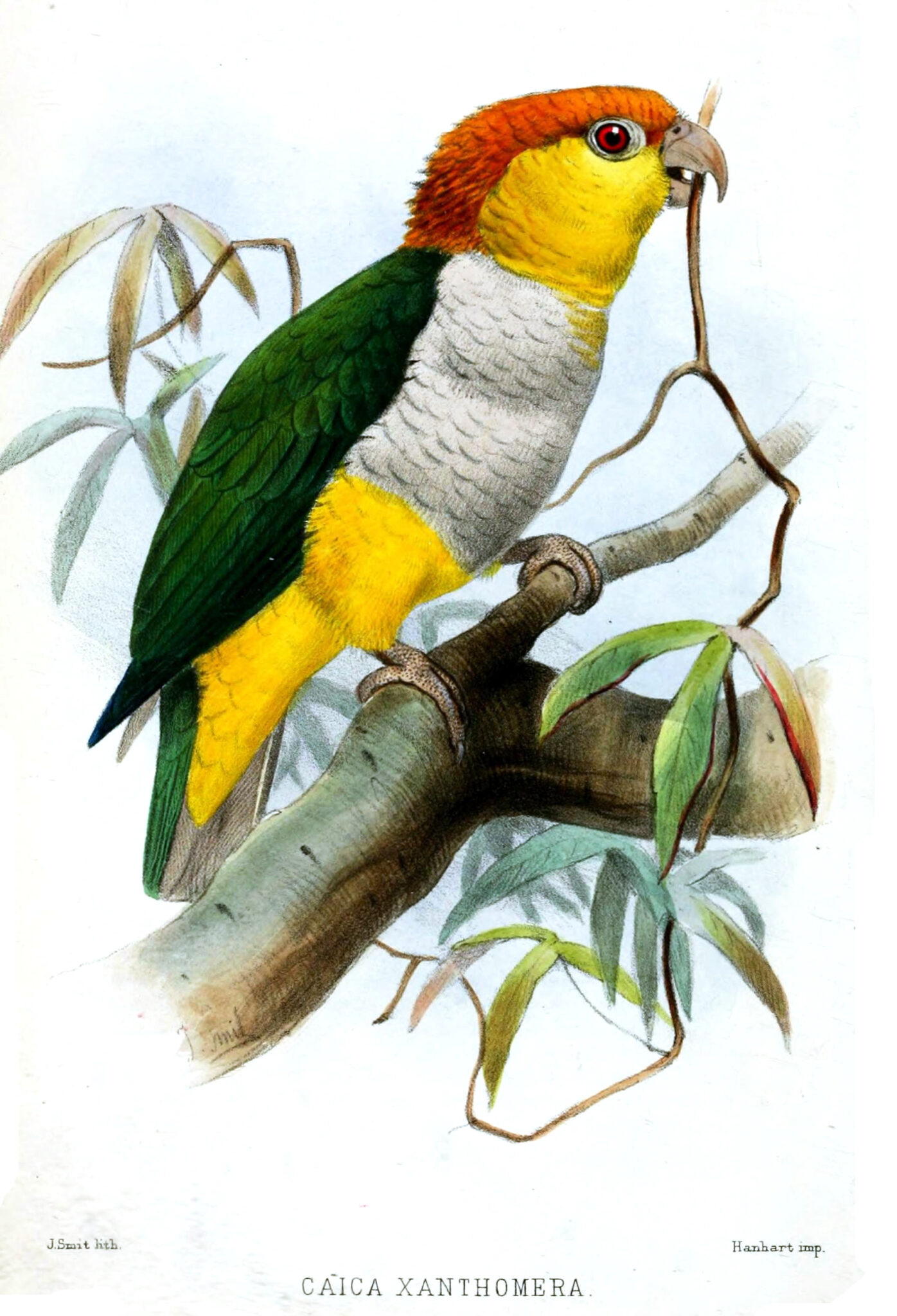
Within the species, subtle color variations exist, particularly concerning the tail and legs, which historically led to the identification of several subspecies. Traditionally, the genus Pionites was divided into two species: the white-bellied caiques (P. leucogaster) and the black-capped caiques (P. melanocephalus). The white-bellied group was further subdivided into three subspecies:
- Pionites leucogaster leucogaster (Green-thighed caique)
- Pionites leucogaster xanthomerius (Yellow-thighed caique)
- Pionites leucogaster xanthurus (Yellow-tailed caique)
However, modern ornithological scholarship, notably by platforms such as Birds of the World, increasingly advocates for classifying P. xanthomerius and P. xanthurus as distinct species rather than subspecies. This reclassification is primarily based on discernible color differences in their plumage. The scientific community continues to debate this taxonomic split, awaiting definitive genetic and morphological studies to provide a clearer consensus. Regardless of their exact classification, visual differentiation between male and female white-bellied caiques is not possible; a DNA test remains the most reliable method for sex determination.
Natural Habitat and Critical Conservation Status
White-bellied caiques are indigenous to the rainforest canopies of South America, primarily inhabiting the vast Brazilian Amazon basin. Their natural range extends beyond Brazil to include parts of Bolivia, Peru, and Ecuador. Within these tropical forest ecosystems, they typically nest in hollow trees, demonstrating a preference for the upper strata of the canopy.

Observational studies indicate that these highly social parrots typically live in groups of up to 10 individuals, reflecting their inherent need for companionship and communal interaction. This social structure is vital for their foraging, predator vigilance, and reproductive success in the wild.
Alarmingly, the majority of white-bellied caique populations are classified as endangered by the International Union for Conservation of Nature (IUCN). The primary driver of this critical status is pervasive habitat loss, stemming from the relentless deforestation of the Amazon rainforest. Agricultural expansion, logging, mining, and infrastructure development continue to decimate their natural environment, fragmenting populations and reducing available resources. Beyond habitat destruction, the illegal pet trade also poses a significant threat, with wild-caught birds enduring immense stress and high mortality rates during capture and transportation, further depleting wild numbers. Conservation efforts are urgently needed to protect their remaining habitats and combat illegal trade to prevent further decline.
Behavioral Profile: The "Clowns" and Their Complexities
The temperament of white-bellied caiques is arguably their most defining characteristic, earning them the moniker "clowns of the parrot world." These birds possess an extraordinary level of intelligence, playfulness, and boundless energy that sets them apart from many other parrot species. Their antics, which often include elaborate "caique dances," tumbling, and playful roughhousing, are a constant source of entertainment.

Despite their jovial nature, caiques present a unique set of behavioral challenges that require a dedicated and understanding owner. They are known for forming exceptionally strong bonds with their human companions, often singling out one individual as their primary attachment figure. However, this intense bond can lead to possessiveness and, particularly after reaching puberty, can manifest as nippy or even aggressive behavior towards others, and sometimes even towards their preferred person. This "moodiness," which some owners describe as a sudden shift to being "possessed by demons," can occur without apparent reason or be exacerbated during mating season. Effective socialization from a young age, consistent positive reinforcement training, and a deep understanding of parrot body language are crucial for managing these behaviors. Owners must learn to recognize early warning signs of agitation and respect their bird’s boundaries.
A well-adjusted caique thrives on interaction and requires substantial daily engagement. They need several hours of direct, stimulating interaction with their human flock members. Without adequate attention, mental stimulation, and social interaction, caiques can quickly develop problematic behaviors such as incessant screaming, feather plucking, or destructive tendencies. For individuals unable to commit extensive time, acquiring two caiques can be a viable option, allowing them to fulfill their social needs with a conspecific, though this still requires significant human interaction.
It is imperative to note that caiques are highly territorial. They are generally not suitable for cohabitation with other bird species, as they can become aggressive and potentially inflict serious harm over perceived threats to their space, toys, or food. Their destructive tendencies are also legendary; they will chew on almost anything, delight in throwing objects, and possess an uncanny ability to cause mayhem. Patience, consistency, and a comprehensive understanding of parrot behavior are non-negotiable for prospective caique owners.
Dietary Requirements: From Wild Forager to Domestic Companion
Understanding the white-bellied caique’s natural diet is fundamental to providing appropriate nutrition in captivity. A 2014 study by Lee et al., observing 190 wild caiques, revealed their consumption of no fewer than 44 different plant species. Their diet varied seasonally but predominantly consisted of seeds, including fruit seeds, and a wide array of fruits, many of which were consumed unripe. Flowers and flower buds also constituted a significant portion of their intake. Another study highlighted their role as important pollinators, consuming pollen and nectar. Occasionally, they supplemented their diet with leaves, bark, and even ants. A curious behavior observed was their visitation to clay licks, presumably to ingest soil rich in essential micronutrients.
Replicating this incredibly diverse wild diet in a domestic setting is impractical. Therefore, a carefully formulated captive diet is essential to prevent nutritional deficiencies and obesity. The common practice of feeding a seed-only mix is highly detrimental; commercial seeds are typically high in fat, deficient in crucial vitamins and minerals, and lead to an imbalanced diet. Similarly, a diet overly reliant on cultivated fruits, while seemingly natural, is problematic. Domestic fruits are often significantly higher in sugar than their wild counterparts, and unlike wild caiques, captive birds rarely consume them unripe, leading to potential health issues like obesity and diabetes.
Instead, a balanced domestic caique diet should primarily consist of:
- High-quality pelleted parrot food (approximately 60-70%): This forms the nutritional cornerstone, providing a balanced intake of vitamins, minerals, and macronutrients.
- A wide variety of fresh vegetables (20-30%): Offer dark leafy greens (kale, spinach, collard greens), bell peppers, carrots, broccoli, squash, and sweet potatoes. These provide essential vitamins, fiber, and hydration with lower sugar content.
- Limited amounts of fresh fruits (5-10%): Focus on lower-sugar options like berries, apples (seeds removed), melons, and citrus. These should be offered as treats rather than a staple.
- Occasional healthy protein sources: Small amounts of cooked lean meat or legumes can supplement their diet.
- Sprouted seeds and grains: These offer enhanced nutritional value compared to dry seeds.
- Small amounts of nuts: Best offered as infrequent training treats due to their high-fat content.
Fresh water must always be available from multiple sources, such as a bowl and a sipper bottle, to encourage hydration. A calcium block is also a recommended supplement for bone health. Owners should also research parrot-safe foods meticulously, as many human foods are toxic to birds (e.g., avocado, chocolate, caffeine, alcohol, onion, garlic).

Housing and Environmental Enrichment: A Sanctuary for Energy
Given their explosive energy and intelligence, white-bellied caiques require a substantial and stimulating living environment. Even with ample out-of-cage time, a spacious enclosure is paramount for their physical and psychological well-being. The cage should be robust, constructed from durable materials like stainless steel or powder-coated wire, with appropriate bar spacing (typically 0.75 to 1 inch) to prevent escapes or injury. Caiques are adept at escaping, necessitating secure locking mechanisms.
The cage should be outfitted with:
- Multiple natural perches: Varying diameters and textures (e.g., java wood, manzanita) are crucial for foot health and exercise, preventing pressure sores. Avoid dowel perches.
- Food and water bowls: Stainless steel bowls are preferred for hygiene and durability, placed strategically to avoid contamination.
- A bird bath: Caiques often enjoy bathing and require access to fresh water for preening and feather health.
- An abundance of toys: Caiques are heavy chewers and thrive on destructible toys made from wood, shreddable paper, or natural fibers. Puzzle toys and foraging toys are also essential for mental stimulation. Toys should be rotated regularly to maintain novelty and prevent boredom.
Beyond the cage, a dedicated "out-of-cage" play area is vital. This can be a separate play stand or a bird-safe room. This area should also be equipped with natural wood perches and a variety of toys to encourage chewing, climbing, and exploration. Critically, any room a caique has access to must be thoroughly parrot-proofed. Their innate curiosity and destructive tendencies mean they will explore and potentially destroy anything within reach, posing risks to themselves (e.g., electrical cords, toxic plants, small ingestible objects) and household items. Owners must also meticulously avoid scented products (candles, air fresheners) and items emitting fumes (non-stick cookware, cleaning supplies) near their birds, as these can cause severe respiratory distress or even death.
Vocalizations and Communication: More Whistles Than Words
Compared to some of the louder parrot species, white-bellied caiques are generally considered to have a moderate noise level. However, it is crucial to understand that "moderate" for a parrot does not equate to "quiet." All parrots possess the capacity for loud vocalizations, and caiques are no exception.
Their typical vocal repertoire includes charming whistles, beeps, and soft squawks, which are usually maintained at an acceptable volume for most of the day. Yet, they can emit surprisingly shrill screams. This is a natural behavior, a carryover from their wild instincts where loud calls are necessary to locate flock members across dense forest canopies. Prospective owners, particularly those in apartment settings, must be prepared for these occasional bursts of high-volume vocalization. The expectation of complete silence after adding any parrot to a family is unrealistic.
Regarding talking ability, caiques are not among the champion talkers of the parrot world, such as African Greys or Amazons. While some individuals may pick up a few words or phrases, their vocabulary is typically limited. However, caiques excel at mimicking whistles, tunes, and various household sounds. They are excellent candidates for vocalization training, particularly with short, distinctive sounds like a wolf whistle or a simple jingle. Consistent repetition and positive reinforcement with treats are effective methods for teaching them these sounds, providing a fun and engaging way to interact with the bird.
Health and Lifespan: A Long-Term Commitment
Bringing a white-bellied caique into the family is a commitment spanning decades. These robust birds boast an impressive lifespan, often living for over 40 years with proper care. This longevity underscores the profound responsibility undertaken by their owners.
As with any pet, understanding potential medical emergencies and common health issues is paramount. Caiques are susceptible to certain diseases, notably polyomavirus, which can cause severe organ damage, particularly in young birds, and can be fatal. Vaccination against polyomavirus is highly recommended and should be discussed with an avian veterinarian. Other common avian ailments that can affect caiques include Psittacine Beak and Feather Disease (PBFD), Pacheco’s disease, and various bacterial or fungal infections. Nutritional deficiencies, often stemming from an improper diet, can also lead to long-term health problems.
Owners must be vigilant in recognizing signs of illness, which can be subtle in parrots as they instinctively hide weakness as a survival mechanism. Symptoms such as lethargy, changes in appetite or droppings, ruffled feathers, discharge from eyes or nares, or behavioral changes warrant immediate veterinary attention. Establishing a relationship with an experienced avian veterinarian before acquiring a caique is crucial. Regular annual check-ups, maintaining strict cage hygiene, providing a balanced diet, and ensuring a stress-free environment are all vital components of preventative care.
In conclusion, the white-bellied caique is a captivating and rewarding companion for the right individual or family. Their vibrant personalities and intelligent antics bring immense joy, but their specific needs for extensive social interaction, mental stimulation, a meticulously balanced diet, and a prepared living environment demand a profound, multi-decade commitment. Prospective owners must conduct thorough research, understand the financial and time investments required, and be prepared for the unique challenges that come with caring for these spirited "clowns." Responsible ownership ensures that these extraordinary parrots can thrive, offering companionship and entertainment for a lifetime.

