


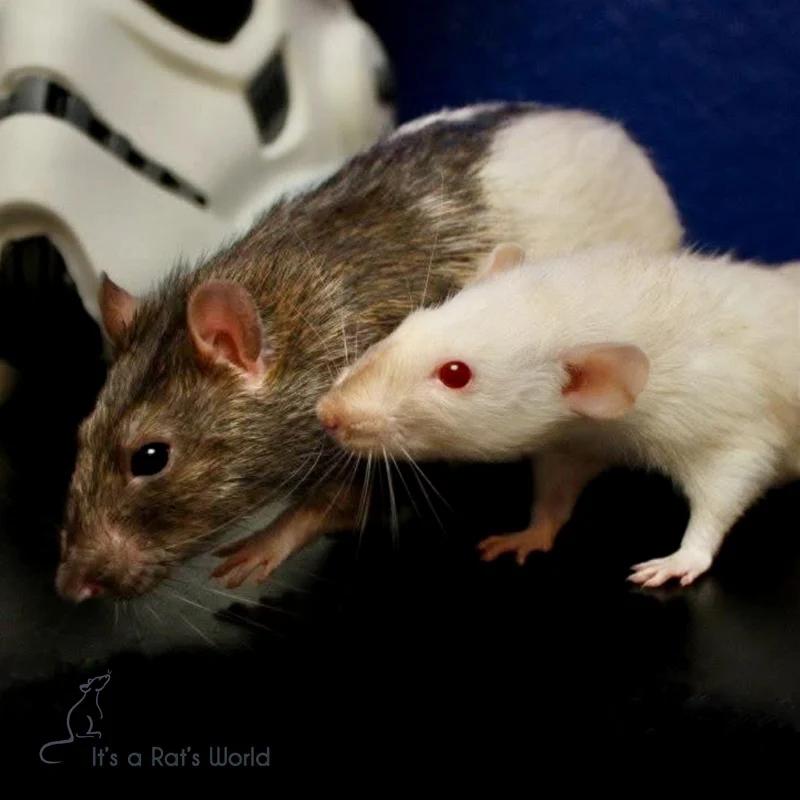
A common question among prospective rat owners revolves around selecting between male and female rats as pets. While both genders offer unique charms and make exceptional companions, understanding their distinct characteristics can significantly inform this decision. This comprehensive guide delves into the physical, behavioral, and aromatic differences, as well as the implications of sterilization, to assist individuals in making the most suitable choice for their household.
Physical Characteristics: Size and Scent
Size Matters: A General Tendency
Generally, male rats tend to be larger and more robust than their female counterparts. Adult males typically measure between 10 to 12 inches in length, excluding their tails, and weigh approximately 450 to 650 grams (about 1 to 1.4 pounds). Females, on the other hand, usually range from 9 to 10 inches in length (tail excluded) and weigh between 350 to 450 grams (roughly 12.3 ounces to 1 pound).
However, it is crucial to note that these are averages, and individual variations are common. Some male rats may be smaller than average, while some females can be quite substantial. For instance, some large female rats can rival the size of many males. Conversely, some males might be as petite as or even smaller than typical females, independent of breed or dwarfism. Exceptional cases, such as a male weighing a full 2 pounds (907 grams) or brothers around 1.8 pounds (850 grams), illustrate the wide spectrum of physical size within the species.

The Distinct Aroma: Buck Grease and Floral Notes
A more subtle, yet noticeable, physical distinction lies in their scent and fur texture. Intact adult male rats produce a higher level of oil on their backs, known as "buck grease." This oily secretion is typically orangish-yellow and can sometimes lead to the fur feeling greasier or coarser. In some cases, excessive buck grease can cause skin irritation, necessitating occasional baths or wipe-downs with unscented baby wipes or damp paper towels. Neutering male rats often significantly reduces or eliminates buck grease, leading to softer fur.
Female rats, by contrast, generally possess softer fur and lack the production of buck grease. Their natural aroma is often described as distinctly different from males. Many owners report that intact female rats emit a pleasant fragrance reminiscent of grape soda, with some also detecting a subtle floral or fabric softener undertone. This unique scent is so pronounced that experienced owners claim they can distinguish between male and female rats by scent alone in a blind test.
Intact males, when not affected by excessive buck grease or "marinating" (a term for resting in soiled bedding), often have an aroma compared to warm corn tortillas or tortilla chips. While this may sound unusual, many find it surprisingly pleasant. A significant behavioral change occurs after neutering, with many males adopting a scent similar to the floral grape aroma typically associated with females.
The practice of "huffing," deeply inhaling the scent of a rat’s fur, is not uncommon among devoted owners. This ritual underscores the unique and often delightful olfactory experience that rats can provide.
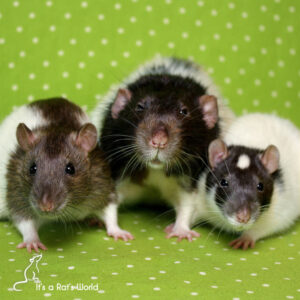
Behavioral Tendencies: Energy Levels and Social Dynamics
Energy and Cuddliness: Beyond Generalizations
A prevalent notion suggests that male rats are inherently more laid-back and inclined to cuddle, while females are more energetic, agile climbers, and less prone to close physical affection. However, personal experiences often challenge these generalizations. While it is true that males can become more sedentary with age, particularly after neutering, they are quite active during their youth. Furthermore, a male rat’s inclination to cuddle does not automatically equate to a desire to be held; many prefer to simply rest near their owners.
Similarly, while some female rats, like the individual described who remained highly energetic until health issues intervened, might be exceptionally active, many females also mellow out and become "lazy potatoes" as they age, mirroring the behavior of their male counterparts.
It’s important to consider that many female rats adopted by owners may have already been spayed. This procedure can alter their behavior, potentially mitigating the restlessness, hyperactivity, agitation, and ear-wiggling associated with being in heat, which occurs approximately every four to five days. Witnessing these heat-related behaviors, such as the described ear wiggling, can be a unique aspect of female rat ownership.
Ultimately, the propensity for cuddling and energy levels appear to be more influenced by individual personality and life stage than by sex alone. Many female rats can be as affectionate and cuddly as males, contrary to popular belief.

Social Maturity and Introductions: Navigating the Dynamics
A more significant behavioral difference emerges around social maturity and territoriality, particularly concerning urine marking and inter-rat introductions. While puberty occurs between 6 to 8 weeks of age, rats typically reach social maturity between 5 to 6 months. However, anecdotal evidence from experienced owners suggests this period might extend to 6 to 9 months for males.
During this 6 to 9-month window, some male rats may undergo a personality shift, becoming more irritable, agitated, or even aggressive towards cagemates and, occasionally, their owners. Such behavior is not universal, and when it occurs, it often subsides within a couple of months. Intervention, such as castration, can be highly effective in managing hormonal aggression.
When introducing new rats, especially males to other males, territoriality can become a pronounced issue. Even typically docile males may exhibit territorial behaviors. This does not imply that males are inherently incapable of coexisting peacefully or that all males are territorial. However, introductions involving males can require more patience and careful management. If aggression escalates to a point of danger for other rats, separating groups or considering neutering becomes necessary.
Introductions between males and females, or between females, are generally reported to be less stressful than male-to-male introductions. Nevertheless, even females can exhibit resistance to newcomers. Some older females might become less accommodating, while others remain welcoming. Overall, female rats are often considered easier to introduce to new companions than many males.

Urine Marking: A Distinctive Trait
Urine marking is another notable behavioral difference. Intact male rats are significantly more prone to marking their territory, including their owners and their belongings. While some males reduce or cease frequent marking once settled, others continue this behavior throughout their lives. Female rats, in contrast, exhibit a much lower propensity for urine marking.
Furthermore, female rats are often reported to be easier to litter box train. However, it is important to note that neither sex achieves perfect litter box usage, and owners should expect occasional accidents.
The Impact of Sterilization: Health and Behavioral Benefits
Preventing Unplanned Litters: A Responsible Necessity
The most apparent benefit of spaying and neutering is the prevention of unwanted litters. Rats are prolific breeders, with females capable of producing between 8 to 18 offspring per litter. If both sexes are housed together, even in adjacent cages, intact females have been known to escape or find ways to impregnate through cage bars. Responsible pet ownership necessitates ensuring that at least one sex is sterilized to avoid accidental litters, especially considering the significant commitment involved in caring for multiple rat pups.

Minimizing Health Risks: A Crucial Consideration
Sterilization plays a vital role in mitigating various health risks associated with hormonal activity in rats. Both male and female rats are susceptible to hormone-related diseases like mammary and pituitary tumors. However, female rats are particularly prone to mammary tumors, as well as ovarian and uterine diseases. These conditions can significantly shorten a rat’s already limited lifespan.
Spaying female rats between 3 to 4 months of age, rather than later in life or not at all, has been shown to substantially reduce the incidence of these health problems. While some sources suggest a broader window of 3 to 6 months, or even 5 to 7 months, for optimal benefits, trusted veterinary resources often advocate for the earlier range.
The spaying procedure for females is more invasive than neutering for males and can be costly. Despite the risks and expense associated with surgery, the health benefits for females are widely considered significant. Many owners prioritize adopting already-spayed females or opting for the procedure before bringing a female rat home. While spaying is not a guaranteed preventative against all tumors, it demonstrably lowers the risk.
Improving Behavior and Well-being
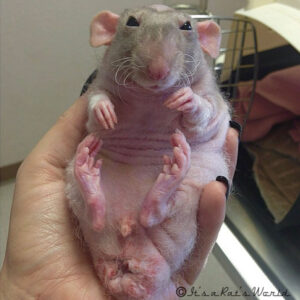
For male rats, neutering offers several behavioral and health advantages. It helps to temper aggression, reduce urine marking, and decrease the production of buck grease. Beyond behavioral improvements, neutering can also prevent the formation of vesical proteinaceous plugs (penis plugs) in older or less mobile males. While testicular cancer is relatively rare in rats, neutering eliminates this risk.
Currently, comprehensive data on whether neutering males effectively reduces their risk of mammary or pituitary tumors is less readily available. Nevertheless, the behavioral and certain health benefits of neutering are well-established. A thorough discussion with a veterinarian is essential to determine the most appropriate course of action regarding spaying or neutering for individual rats, considering their specific health and behavioral profiles.
The Nuances of Mixed-Sex Households
For owners who choose to house both male and female rats, or even multiple individuals of the same sex, understanding the potential for complex social bonds is important. As observed in some cases, even between different sexes, rats can form exceptionally strong attachments. A notable instance involved a male rat who, after neutering, returned to his previously sweet demeanor and maintained a deep bond with a female companion. Their inseparable connection, evident even during cuddle sessions, and his devoted vigil by her side during her final illness, highlighted the profound emotional capacity of these animals.
Ultimately, whether one chooses male rats, female rats, or a combination of both, the experience promises to be rewarding. Their capacity for affection, intelligence, and unique personalities makes them truly delightful pets. The primary consideration remains responsible ownership, ensuring that reproductive capabilities are managed through sterilization to prevent unintended litters and to contribute to the overall health and well-being of these cherished companions.

