


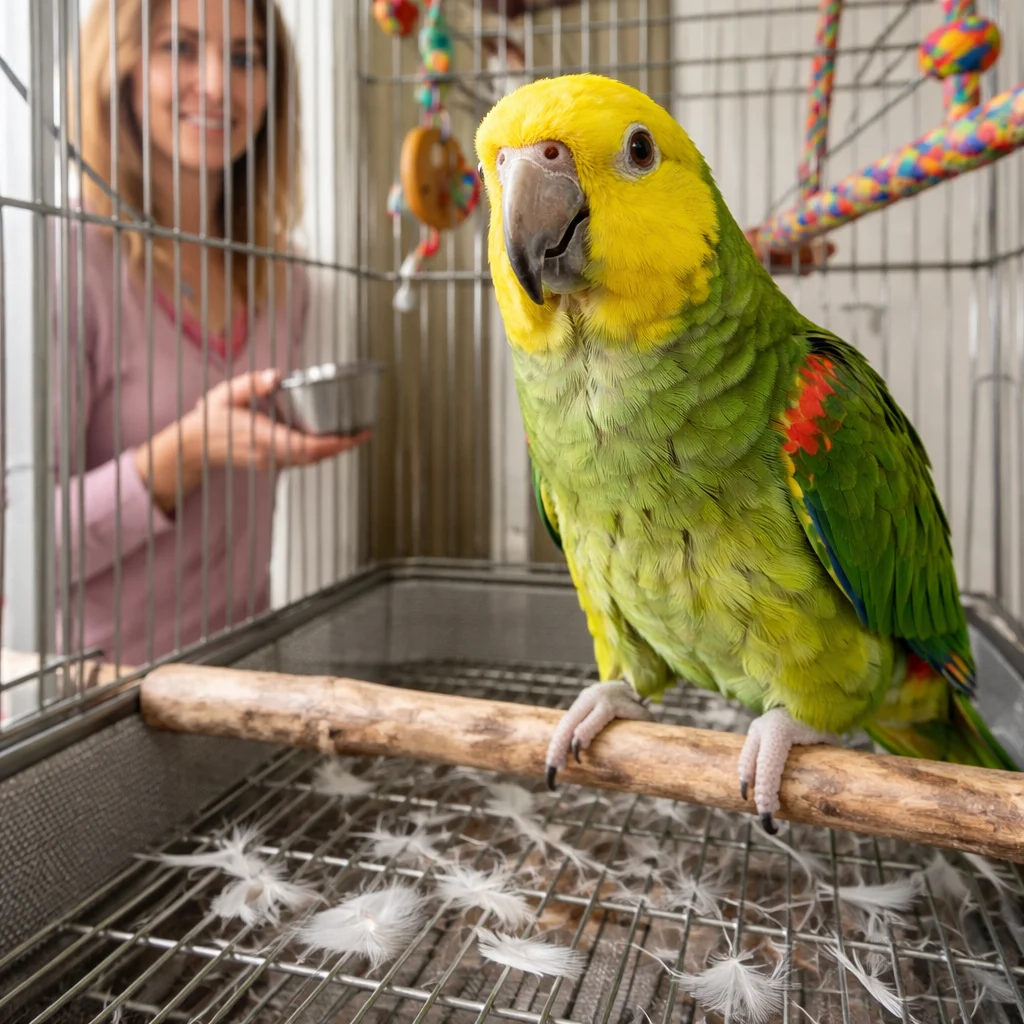
The sudden discovery of a significant accumulation of feathers on the cage floor can be a deeply unsettling experience for any bird owner, immediately triggering concerns about their pet’s health. The instinctive fear often gravitates towards serious conditions such as illness or self-mutilation through plucking. However, before succumbing to panic and initiating an emergency veterinary visit, a systematic approach to "feather forensics" can often differentiate between a natural, healthy biological process and a potentially serious behavioral or medical issue. Most frequently, the phenomenon is a normal part of avian physiology: the bird is simply undergoing a molt, shedding old feathers to make way for new growth. This period, while sometimes accompanied by temporary crankiness or reduced energy, is a vital aspect of maintaining healthy plumage. Understanding the key indicators allows owners to quickly discern between a routine molt and a problematic condition within moments.
The 10-Second "Shaft Test": Differentiating Molting from Plucking
A critical initial diagnostic step involves examining the fallen feathers themselves. The manner in which a feather detaches from the bird’s body leaves distinct clues regarding its origin. This simple "shaft test" can provide immediate insight without professional intervention.
Indicators of a Healthy Molt:
When a feather has been shed naturally as part of a molt, the "quill" – the calamus, or the part of the feather shaft that was embedded in the skin – will appear smooth, transparent or clear, and typically slightly pointed at its base. This appearance signifies a natural separation from the follicle, indicating that the feather has simply slid out as part of the normal growth cycle. Accompanying these feathers, owners often observe fine white flakes, which are fragments of bird dander (keratin) and the old waxy sheaths that encase emerging new feathers. This dander is a normal byproduct of new feather development and is not cause for alarm.
Indicators of Feather Plucking:
In contrast, feathers indicative of plucking or over-preening will present a markedly different appearance. The feather shaft or vane may look damaged, appearing "chewed," jagged, or snapped off mid-shaft. If the quill remains embedded in the skin but the feather vane is absent or severely truncated, it strongly suggests the bird has actively pulled or broken the feather. Furthermore, a highly concerning sign is a bloody and ragged tip of the quill, which indicates a traumatic removal of a "blood feather" – a new, growing feather with an active blood supply. This type of damage points directly to self-inflicted harm or aggressive over-preening.
Biology vs. Behavior: The Underlying Causes of Feather Loss
It is paramount to recognize that feather loss stemming from natural molting and that resulting from plucking behaviors originate from fundamentally different physiological and psychological mechanisms.
The Biological Imperative of Molting:
Molting is an essential physiological process for all birds, critical for maintaining the integrity, insulation, and flight efficiency of their plumage. Feathers are dead structures once fully grown and are subject to wear and tear from environmental exposure, preening, and daily activities. Periodically, these worn feathers must be replaced. The process is hormonally regulated, primarily influenced by photoperiod (daylight length), nutrition, and general health. Most avian species undergo at least one complete molt annually, often after the breeding season, though some may have partial molts throughout the year. During a complete molt, feathers are shed in a symmetrical pattern, ensuring the bird retains its ability to fly and regulate body temperature. The energy demands of molting are substantial, requiring increased protein and nutrient intake. Birds may appear less vibrant, have reduced energy, and exhibit some irritability during this period.
The Complexities of Feather Plucking:
Feather plucking, conversely, is an abnormal behavior where a bird damages or removes its own feathers, often leading to bare patches or compromised plumage. Unlike molting, plucking is not a natural process and always signals an underlying issue that requires investigation. The causes are multifaceted and can be categorized into several key areas:
- Medical Conditions: A significant percentage of plucking cases have a primary medical etiology. This can include parasitic infestations (mites, lice), bacterial or fungal skin infections, allergies, systemic diseases (e.g., Psittacine Beak and Feather Disease – PBFD, Polyomavirus), internal organ pain, liver disease, kidney disease, heavy metal toxicosis, or even certain types of cancer. Pain or discomfort anywhere on the body can lead a bird to excessively preen or pluck feathers in the affected area.
- Environmental Factors: The captive environment often falls short of meeting the complex needs of avian species. Factors contributing to plucking include:
- Inadequate Humidity: Dry indoor air, especially in heated homes, can lead to dry, itchy skin, prompting excessive preening.
- Insufficient Light: Lack of full-spectrum lighting, particularly UVA and UVB, can disrupt natural biological rhythms and lead to behavioral issues.
- Poor Cage Hygiene: Unsanitary conditions can foster bacterial or fungal growth, leading to skin irritation.
- Lack of Enrichment: Boredom, frustration, and lack of mental stimulation are potent stressors for intelligent birds. An unstimulating environment can lead to repetitive behaviors, including plucking, as an outlet for pent-up energy or anxiety.
- Stressors: Sudden changes in routine, new pets, loud noises, family conflicts, or even the perception of threat can induce chronic stress, manifesting as plucking.
- Nutritional Deficiencies: A diet lacking essential vitamins, minerals, amino acids (especially sulfur-containing ones like methionine and cysteine crucial for keratin synthesis), or fatty acids can compromise feather quality and skin health, making feathers brittle or skin itchy, thereby encouraging plucking. Diets primarily consisting of seeds are notoriously deficient in many critical nutrients.
- Behavioral/Psychological Issues: This category is often intertwined with environmental factors. Birds are highly social and intelligent creatures.
- Anxiety and Fear: Chronic anxiety can lead to self-soothing behaviors, including feather destruction.
- Frustration: Unmet needs for attention, social interaction, or reproductive drives can result in frustration-induced plucking.
- Learned Behavior: Some birds may learn that plucking elicits a reaction from their owners (even negative attention), reinforcing the behavior.
- Obsessive-Compulsive Disorder (OCD-like behaviors): In some cases, plucking can escalate to a compulsive disorder, where the behavior becomes ingrained and difficult to break even after the initial trigger is removed.
The Safety Check: Identifying Blood Feathers
During any inspection of a bird’s plumage, particular attention must be paid to "blood feathers." A blood feather, also known as a pin feather, is a new feather actively growing from the follicle. It is characterized by a dark, often purplish or bluish, shaft because it contains a live artery and vein supplying blood to the developing feather structure. These feathers are extremely sensitive and can bleed profusely if broken or damaged. A damaged blood feather constitutes a veterinary emergency due as significant blood loss can occur quickly. Owners should be aware that while a single broken blood feather might be managed at home by carefully pulling it out (if the owner is trained and confident), multiple broken blood feathers or persistent bleeding necessitates immediate veterinary attention.
The 2-Step "Peace of Mind" Check for Owners
Beyond the initial "shaft test," two further steps can help owners gain peace of mind and provide more detailed information for potential veterinary consultation.
1. The "Mist & Part" Test:
Dry feathers, especially in dense plumage, can effectively conceal the true condition of the underlying skin and emerging feathers. Lightly misting the bird with plain water or a bird-safe product such as an aloe vera bird spray (marketed as a molting or plucking aid) can dampen the feathers, allowing them to be gently parted. Once the feathers are damp and separated, the owner can carefully observe the skin. The presence of numerous small, emerging "spikes" or "pins" (new pin feathers) pushing through the skin is a definitive indicator of a healthy molt. These pins will initially be encased in a waxy sheath, which the bird will meticulously preen off. Conversely, bare, red, irritated, or scratched skin without the presence of new pin feathers strongly suggests plucking or a severe skin condition that warrants immediate veterinary assessment.
2. The "Hot Spot" Species Check:
Behavioral feather plucking often exhibits predictable patterns based on the avian species, reflecting common areas of self-mutilation. While a bird can theoretically pluck any accessible feather, certain "hot spots" are frequently observed in clinical practice:
| Species | Common Plucking "Hot Spots" |
|---|---|
| African Greys | Under the wings or the inner thighs. |
| Cockatiels | The shoulders or the center of the chest. |
| Cockatoos | The chest, belly, and even the head. Cockatoos are particularly adept at using their feet to pluck feathers from areas their beak cannot directly reach, such as the head and neck. |
The Rule of Thumb: In a normal, healthy molt, even when a bird sheds head feathers, these areas typically present with numerous "spikes" or pin feathers emerging, rather than appearing as completely bare, raw, or scratched skin. The presence of significant skin irritation, redness, or lesions without evidence of new feather growth is a red flag.
The Best Bird Molting & Skin Relief Recovery System: Comprehensive Care
Whether a bird is navigating the energy-intensive process of a major molt or contending with the persistent skin irritation and stress of plucking, its physiological system is under considerable strain. Effective management requires a two-pronged approach: addressing the immediate discomfort (itch) and rectifying any underlying deficiencies.
For molting birds, supportive care is paramount. This includes ensuring a highly nutritious diet rich in protein, essential amino acids, vitamins (especially A, D, E, K, and B-complex), and minerals (calcium, zinc, selenium). Regular bathing or misting can help soften feather sheaths, making preening easier and reducing itchiness. Maintaining a stable, stress-free environment and adequate sleep also contribute significantly to a smoother molt.
For birds exhibiting plucking behavior, a comprehensive strategy is critical, often beginning with a thorough veterinary examination to rule out medical causes. Once medical issues are addressed or ruled out, the focus shifts to environmental enrichment, behavioral modification, and nutritional support. This might involve:
- Dietary Adjustments: Transitioning to a high-quality pelleted diet supplemented with fresh fruits, vegetables, and sprouted seeds. Supplementation with omega-3 fatty acids and specific vitamins (like biotin) may be beneficial for skin and feather health.
- Environmental Enrichment: Providing a variety of foraging toys, shreddable toys, different perches, opportunities for supervised out-of-cage time, and social interaction. Ensuring adequate cage size and proper lighting is also crucial.
- Humidity Control: Using a humidifier to maintain optimal humidity levels (typically 50-60%) to prevent dry, itchy skin.
- Behavioral Modification: Working with an avian behaviorist to identify triggers and implement positive reinforcement strategies.
- Topical Treatments: Products containing aloe vera or other soothing agents can provide temporary relief from skin irritation.
- Pharmaceutical Interventions: In severe, medically refractory cases of plucking, a veterinarian may prescribe medications to manage anxiety or compulsive behaviors, always as a last resort and in conjunction with comprehensive environmental and behavioral modifications.
Expert Perspectives and Owner Responsibility
Avian veterinarians and behaviorists consistently emphasize the critical role of vigilant observation and proactive care from bird owners. Dr. Jane Smith, a board-certified avian veterinarian, notes, "Many owners overlook subtle signs of distress until feather plucking becomes severe. Early intervention, often starting with a comprehensive medical workup, is key to successful treatment. We see a significant improvement when owners commit to addressing the underlying causes, whether medical, environmental, or behavioral."
Diane Burroughs, LCSW, founder of UnRuffledRx® and a specialist in avian feather plucking, reinforces this perspective: "My ‘behavior-first’ protocols are built on the understanding that parrots are complex, intelligent beings. Plucking is rarely just a habit; it’s a symptom. Owners have a profound responsibility to provide an environment that supports their bird’s physical and psychological well-being. This includes understanding their species-specific needs, offering diverse enrichment, and building trust through consistent, positive interaction."
The implication of understanding the distinction between molting and plucking extends beyond mere diagnosis; it dictates the entire course of action and the prognosis for the bird. A healthy molt requires supportive care, while plucking demands a rigorous, often multidisciplinary investigation and intervention. Failing to differentiate can lead to unnecessary stress for the owner and, more critically, prolonged suffering or worsening health for the bird.
Conclusion
The sight of fallen feathers, while initially alarming, does not automatically signify a crisis. Through careful observation and the application of simple diagnostic tests like the "shaft test" and the "mist & part" method, bird owners can often determine if their avian companion is undergoing a normal, albeit energy-intensive, molt or exhibiting the distressing signs of feather plucking. A natural molt is a testament to the bird’s healthy physiological function, requiring supportive care. Feather plucking, conversely, is a complex syndrome that necessitates a thorough investigation into potential medical, environmental, nutritional, and psychological causes, ideally under the guidance of an avian veterinarian or behaviorist. Proactive observation, informed decision-making, and a commitment to providing an optimal environment are paramount in ensuring the long-term health and well-being of our feathered companions.

