


Published On: Dec 21, 2025
Last updated on: Dec 21, 2025
The question of whether birds can safely wear collars is frequently posed by concerned avian caretakers, particularly those grappling with the challenging issue of feather destructive behavior (FDB). The concise answer is affirmative: birds can indeed wear collars safely, but only when introduced thoughtfully, managed meticulously, and applied for appropriate reasons, primarily as a protective intervention rather than a punitive measure. This article aims to provide an in-depth exploration of avian collars, their utility, the critical considerations for their application, and a detailed guide for their safe and effective introduction, moving beyond superficial solutions to address the complex underlying issues.
Understanding Feather Destructive Behavior: A Pressing Avian Welfare Concern
Feather destructive behavior (FDB), encompassing feather plucking, barbering, and self-mutilation, represents one of the most persistent and distressing challenges faced by companion bird owners and avian veterinarians. This complex syndrome is not a disease in itself but rather a symptom of underlying medical, environmental, or behavioral issues. Its prevalence is significant, with studies suggesting that a substantial percentage of captive psittacine birds (parrots) exhibit some form of FDB during their lifetime, varying in intensity from mild over-preening to severe skin lacerations.
The etiology of FDB is multi-faceted, requiring a comprehensive diagnostic approach. Medical causes can range from dermatological conditions, fungal or bacterial infections, internal parasites (like Giardia), nutritional deficiencies (particularly vitamin A, calcium, or essential fatty acids), heavy metal toxicity, and systemic diseases such as Psittacine Beak and Feather Disease (PBFD) or Pacheco’s disease. Environmental factors often play a critical role, including inadequate cage size, lack of environmental enrichment, inappropriate humidity levels, insufficient lighting (especially UV-B), exposure to irritants, and chronic stressors. Behavioral components frequently intertwine with these factors, manifesting as anxiety, boredom, attention-seeking, displacement behaviors, or learned habits that become self-reinforcing. A bird may initially pluck due to a medical irritation, but the act itself can become a compulsive habit, independent of the initial trigger.
The Strategic Role of Avian Collars in FDB Management
Avian collars, often perceived with apprehension, serve as a vital tool in the holistic management of FDB when other interventions have proven insufficient or when immediate physical protection is paramount. Their primary function is to act as a physical barrier, preventing the bird from accessing and damaging its feathers or skin. This intervention is rarely a standalone solution but rather a critical component within a broader treatment plan designed to identify and resolve the root causes of the destructive behavior.
Collars are instrumental in several key scenarios:
- Interrupting the Destructive Cycle: When plucking escalates to a compulsive habit, a collar can break the immediate cycle of self-trauma, preventing further damage and allowing the skin and feathers to heal. This interruption provides a window of opportunity for owners and veterinarians to investigate and address the underlying triggers without the constant reinforcement of the plucking behavior.
- Facilitating Wound Healing: For birds that have already caused skin lesions, open wounds, or even self-mutilated, a collar is essential to prevent further trauma, picking at scabs, or reopening wounds. This is critical for preventing secondary infections and promoting proper healing.
- Post-Surgical Protection: Following surgical procedures, collars are frequently used to prevent birds from picking at stitches or surgical sites, ensuring an undisturbed recovery.
- Managing Acute Anxiety or Stress-Induced Trauma: In periods of heightened anxiety or specific stressful events, a bird might intensely pluck or self-mutilate. A collar can provide temporary protection while the stressor is identified and mitigated.
It is crucial to emphasize that collars are a temporary measure in many cases, a "bridge" to recovery, not a permanent solution. The objective is always to work towards the bird’s comfort and eventual rehabilitation, ideally leading to collar removal once the underlying issues are controlled and the destructive habit is broken.
Types of Avian Collars and Their Applications
Various designs of avian collars are available, each with specific advantages and considerations:
- Elizabethan Collars (E-collars): These are cone-shaped collars, typically made of plastic, that extend beyond the bird’s head, physically blocking access to the body. They are highly effective but can be cumbersome and may restrict peripheral vision, potentially causing initial disorientation.
- Tube Collars: Cylindrical collars, often made of soft fabric or flexible plastic, that fit snugly around the neck. They are generally less restrictive than E-collars but may allow some access to the lower body, depending on the bird’s flexibility and the collar’s length.
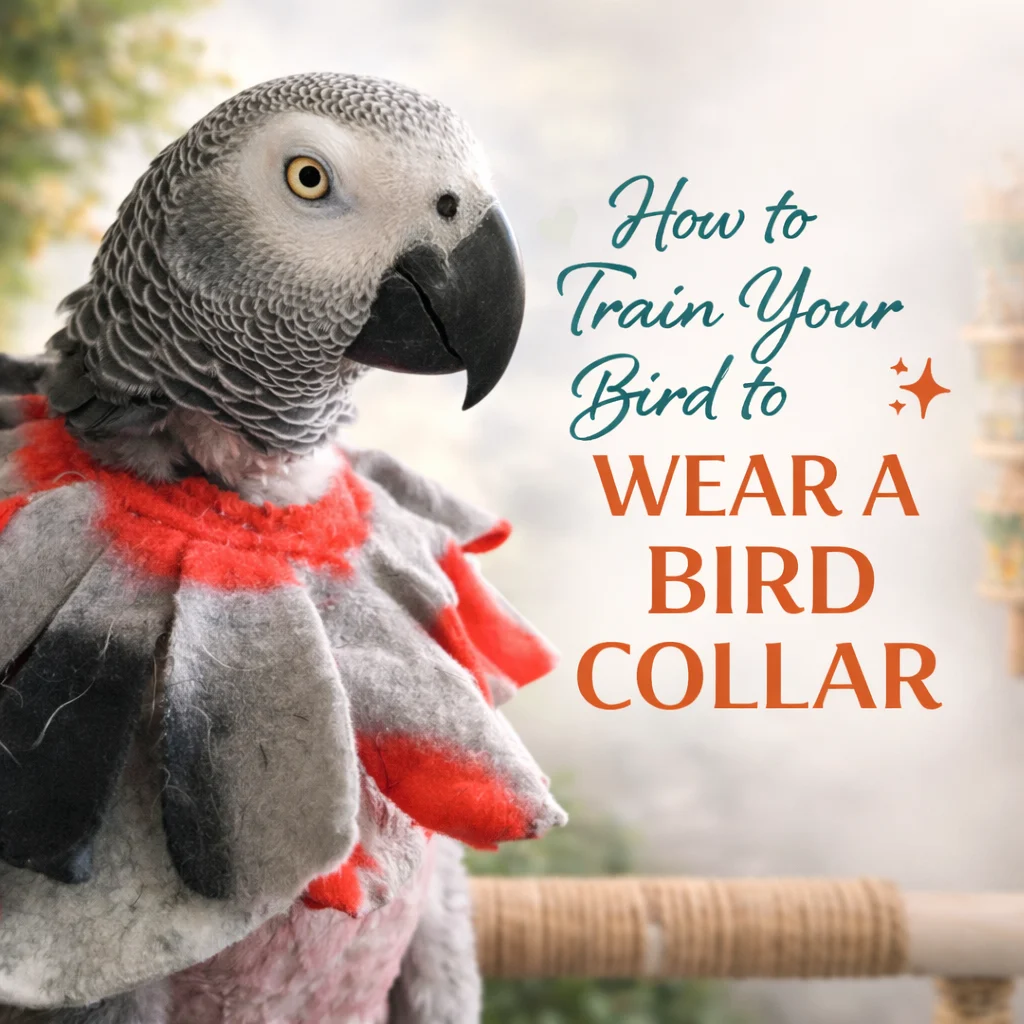
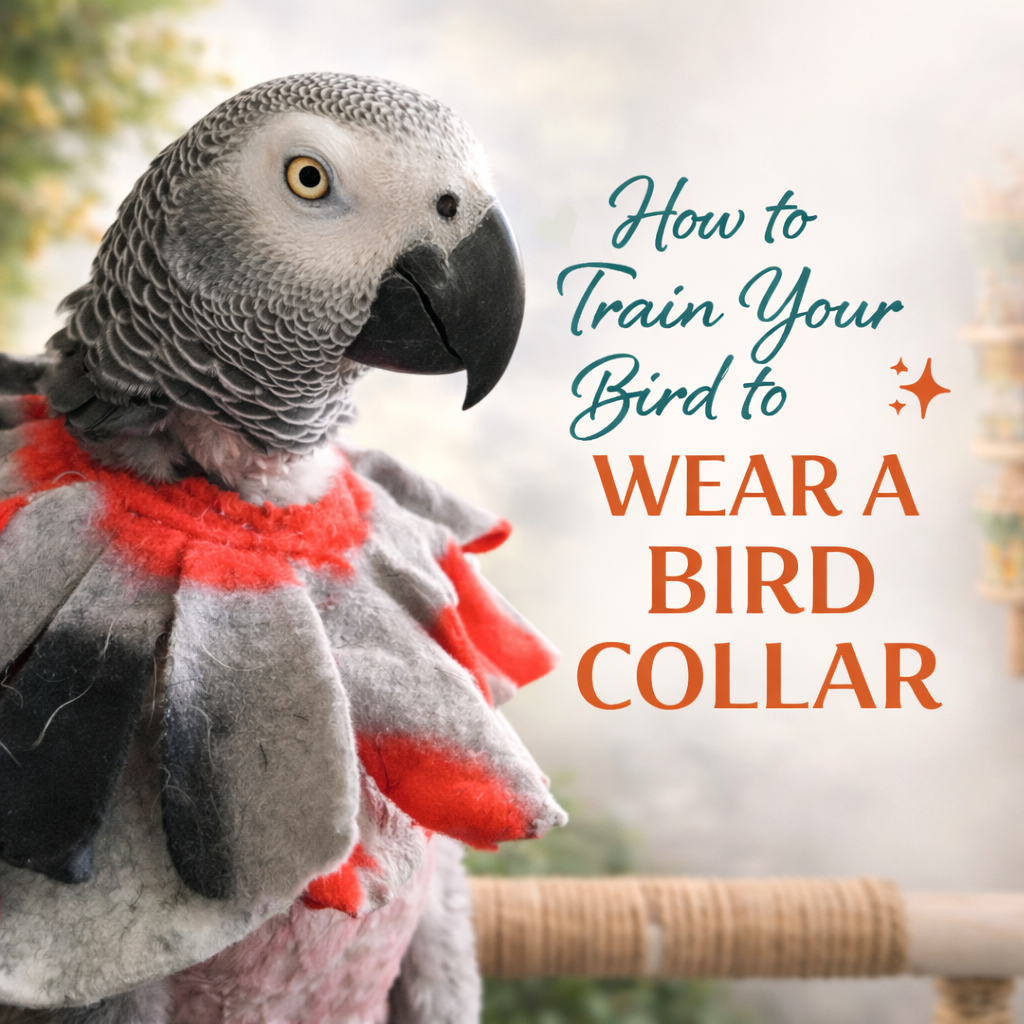
- Fabric/Soft Collars: These are often made from pliable materials like fleece or soft cloth, offering comfort and flexibility. Their effectiveness can vary, as some determined birds might still manage to maneuver around them.
- Inflatable Collars: Similar to those used for dogs and cats, these can offer a softer barrier but might be less effective for birds due to their unique anatomy and dexterity.
The choice of collar type depends on the specific needs of the bird, the location and severity of the plucking, and veterinary recommendations.
When Avian Collars Become Indispensable: Identifying Critical Situations
The decision to apply an avian collar is a significant one, usually made after careful consideration and often as a last resort when the bird’s physical well-being is at stake. Several indicators signal when a collar becomes a necessary intervention:
- Rapidly Escalating Feather Loss: If a bird is quickly denuding large areas of its body, especially if patches of skin are becoming visible.
- Skin Damage and Self-Mutilation: Any instance where the bird is breaking the skin, creating open wounds, or actively picking at existing sores. This poses a significant risk of infection and further trauma.
- Chronic, Self-Reinforcing Plucking Loops: When plucking has become a deeply ingrained, repetitive behavior that the bird cannot cease on its own, a collar can interrupt this pattern, allowing for behavioral modification techniques to be implemented.
- Veterinary Mandate: Post-surgical care, treatment of specific dermatological conditions, or protection during diagnostic procedures often necessitate collar use.
- Failure of Non-Invasive Interventions: After dietary adjustments, environmental enrichment, medical treatments, and behavioral modifications have been attempted without success, a collar may be introduced to prevent further harm while a more comprehensive strategy is developed.
Prudent Assessment: When Collars May Be Unwarranted
Just as there are critical situations warranting collar use, there are also instances where their application might be unnecessary or even counterproductive. Introducing a collar without clear justification can induce undue stress in a bird, potentially exacerbating underlying issues.
- Mild or Seasonal Molting: Natural feather loss during molting periods should not be confused with FDB. If feather loss is uniform, new pin feathers are growing in, and the skin remains healthy, a collar is not needed.
- Normal Preening Variations: Some birds may appear to preen intensely or spend extended periods grooming. If this behavior does not result in skin damage or significant feather loss, it is likely a normal part of their hygiene routine.
- Effective Non-Invasive Interventions: If dietary changes, increased enrichment, environmental adjustments, or medical treatments are already showing positive results in reducing plucking, adding a collar might disrupt progress and increase stress.
- Absence of Skin Damage: If the bird is only "barbering" (chewing feathers without pulling them out) and the skin remains intact, a collar might be overly restrictive if other, less invasive methods can manage the behavior.
Avian veterinarians and behaviorists consistently advocate for a "less is more" approach, starting with the least intrusive interventions and escalating only when necessary.
Expert Perspectives and Best Practices
Avian veterinarians and behaviorists universally agree that the decision to use a collar should always be made in consultation with a qualified professional. Dr. Evelyn Finch, a renowned avian veterinarian, often states, "A collar is a tool, not a diagnosis. Its application is a critical intervention that buys us time to conduct a thorough diagnostic work-up and implement a holistic management plan for feather destructive behavior." This sentiment underscores the professional consensus: collars are a protective measure, not a cure for FDB.
Current best practices for managing FDB and utilizing collars involve:
- Comprehensive Veterinary Examination: Before any collar application, a complete physical examination, blood work, fecal analysis, and potentially skin biopsies or imaging are crucial to rule out underlying medical conditions.
- Environmental Audit: A detailed review of the bird’s living environment, diet, and daily routine to identify potential stressors or deficiencies.
- Enrichment Plan: Implementing a robust enrichment program including foraging toys, varied perches, appropriate lighting, and opportunities for social interaction.
- Behavioral Modification: Working with an avian behaviorist to develop strategies to redirect plucking behaviors, reduce anxiety, and promote positive interactions.
- Gradual Introduction: As detailed below, the collar must be introduced systematically and positively to minimize stress.
- Continuous Monitoring: Regular check-ups by a veterinarian and vigilant observation by the owner are essential to monitor the bird’s adaptation, identify complications, and track progress towards collar removal.
The ethical considerations surrounding collar use are significant. While preventing self-harm is paramount, the potential for stress, reduced mobility, and altered social interactions must be carefully weighed against the benefits. The goal is always to enhance the bird’s welfare, even if temporarily sacrificing some comfort for long-term health.
The Critical Process of Collar Introduction and Acclimation
Successfully introducing a collar to a bird is a process that demands immense patience, positive reinforcement, and a deep understanding of avian behavior. Rushing the process can lead to severe stress, aversion, and even greater behavioral problems. The following steps outline a systematic approach to collar training:
Pre-Collar Preparation:
Before even showing the collar to your bird, ensure its environment is safe and conducive to collar wear. This includes lowering perches, ensuring food and water bowls are easily accessible, and potentially adding soft bedding to the cage floor to cushion any falls during the initial adjustment period. A comprehensive veterinary check-up is also essential to ensure the bird is physically robust enough to handle the stress of a collar.
Step 1: Passive Desensitization (1-3 Days)
Begin by simply placing the collar within your bird’s sight, but at a safe distance where it can observe it without feeling threatened. The goal here is to normalize its presence in the environment. Do not force interaction. Reward calm behavior when the collar is visible. This teaches the bird that the collar is not inherently dangerous.
Step 2: Gradual Familiarity (1-2 Days)
After the bird shows no overt signs of stress with the collar in its vicinity, gradually integrate it into normal routines. Lay the collar on your shoulder while you interact with your bird, or place it on a nearby surface during feeding times. This builds familiarity through association with positive, routine activities, without requiring direct interaction from the bird.
Step 3: Invite Exploration (Variable Duration)
Encourage your bird to investigate the collar on its own terms. Place treats on or near the collar, or allow the bird to peck at it if it shows interest. Use positive reinforcement (clicker training, verbal praise) for any voluntary interaction. Curiosity, driven by positive association, is far more effective than coercion.

Step 4: Build Tolerance to Touch and Handling (Variable Duration)
While continuing the above steps, dedicate short training sessions to gently handling your bird, focusing on areas where the collar will be applied – the neck, shoulders, and upper torso. Reward calm acceptance of touch. This prepares the bird for the physical sensation of having the collar placed and adjusted. Always end these sessions on a positive note before stress accumulates.
Step 5: Environmental Modification Before First Fitting
Prior to the first fitting, make critical adjustments to the bird’s cage. Lower perches to just above the cage floor to prevent falls and ease access to food and water. Place food and water bowls in easily reachable positions, potentially using wider, shallower dishes. Remove any toys or elements that could snag the collar. Ensure soft bedding on the cage bottom.
Step 6: First Fitting (Brief and Supervised, 1-3 Hours)
When both you and your bird appear ready, and with professional guidance, proceed with the first fitting. This should be done calmly and efficiently. Once the collar is on, closely supervise the bird. Initial awkwardness, attempts to remove the collar, and changes in mobility are normal. Observe for signs of severe distress (panic, hyperventilation, inability to move). Provide favorite treats and calm reassurance. The duration of this initial fitting should be short, 1-3 hours, allowing the bird to experience it and then have it removed, reinforcing that it’s not a permanent fixture.
Step 7: Build Strength and Confidence (Gradual Increments)
After a successful brief first fitting, gradually increase the wear time in 30-60 minute increments daily. This incremental approach allows the bird to build the physical strength and coordination needed to navigate with the collar comfortably. Monitor eating, drinking, and elimination habits closely. Continue to provide ample positive reinforcement and ensure easy access to resources. Some birds may struggle with preening, so gentle misting might be beneficial under veterinary guidance.
Step 8: Return the Cage to Normal (Gradual Reintegration)
As the bird adapts to wearing the collar for extended periods, slowly return perches and bowls to their usual positions. Observe carefully to ensure the bird can still access everything comfortably. Some birds, especially those that were particularly nervous, may need ongoing assistance or specific training to re-learn how to perch, climb, and forage with the collar. Patience and consistent support are paramount throughout this phase.
Broader Implications and Long-Term Management
The application of an avian collar is often a critical turning point in managing feather destructive behavior. It signifies a commitment to addressing a complex problem with a multi-faceted approach. While the collar provides immediate physical protection, the long-term success hinges on a holistic strategy that encompasses:
- Ongoing Veterinary Care: Regular check-ups to monitor the bird’s health, assess the skin under the collar, and adjust medications or diet as needed.
- Environmental Enrichment: Continuously providing new challenges, foraging opportunities, and safe toys to combat boredom and redirect energy.
- Dietary Optimization: Ensuring a high-quality, balanced diet rich in essential nutrients, potentially supplemented under veterinary guidance.
- Behavioral Therapy: Working with an avian behaviorist to identify triggers, implement desensitization techniques, and teach alternative behaviors.
- Owner Commitment: The process demands significant patience, observation, and adaptability from the owner. It is a journey that can be emotionally challenging but ultimately rewarding.
The ultimate goal, if possible, is the eventual removal of the collar once the FDB is under control and the bird has healed. For some birds with chronic or deeply ingrained behaviors, long-term or intermittent collar use might be necessary, emphasizing the collar as a protective measure for life-long management.
In conclusion, avian collars, when applied judiciously and introduced through a meticulous, positive reinforcement-based training protocol, can be a life-saving intervention for birds suffering from feather destructive behaviors. They offer a crucial protective barrier, providing a vital window for owners and veterinary professionals to diagnose and address the complex underlying causes of FDB. This approach underscores a commitment to the welfare of companion birds, ensuring they can lead healthier, more comfortable lives despite the challenges of these complex behavioral issues.
Diane Burroughs has worked with birds and bird owners for over 30 years, specializing in anxiety-driven behaviors and feather destructive disorders. Her approach blends behavior science with practical, real-world care.
TAGS: #BirdCollars #FeatherPlucking #BirdBehavior #AvianHealth #PetCare #VeterinaryMedicine #BirdWelfare
SHARING IS CARING 💚
If this helped, pass it along to another bird owner.
Related Posts:
How to Choose a Bird Collar
Neck Collar Size Guide
Parrot Weight Chart

