


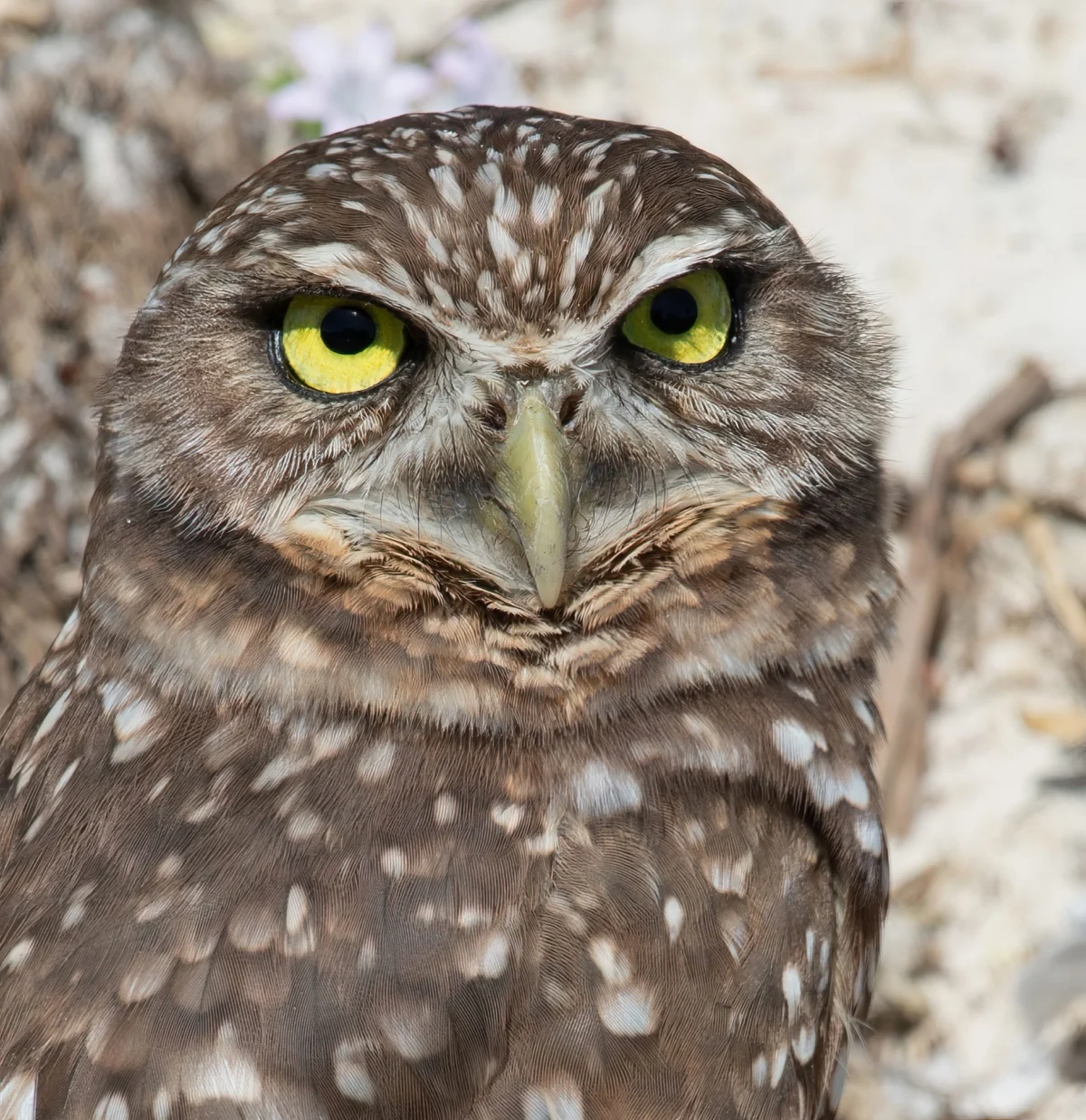
Louisiana, a state renowned for its vibrant cultural tapestry woven from the threads of Jazz music, the rich flavors of Creole and Cajun cuisines, and its breathtaking natural landscapes, also harbors a fascinating and often elusive population of owls. Beyond the well-trodden paths of its cultural heritage, Louisiana offers a haven for avian enthusiasts, boasting a remarkable diversity of 485 bird species that call the state home either permanently or as seasonal visitors. Among these feathered inhabitants, the owls present a particularly intriguing subject for observation, their nocturnal habits and stealthy hunting techniques making them a captivating, albeit challenging, focus for birdwatchers. While many popular birding destinations dot the Louisiana landscape, the pursuit of owls often necessitates venturing out during the crepuscular hours of dawn and dusk, or even under the cloak of night. These masters of camouflage and silent flight embody the wild spirit of the state, their presence a testament to the ecological richness that persists amidst its human-inhabited areas. This comprehensive exploration delves into the world of nine of the most prominent owl species found in Louisiana, offering insights into their habitats, behaviors, and ecological significance.
Louisiana’s Diverse Owl Habitats: A Canvas for Nocturnal Hunters
The ecological mosaic of Louisiana provides an ideal backdrop for a variety of owl species. While many owls exhibit a preference for roosting and nesting within the dense confines of forested areas, the adaptability of some species allows them to thrive in less conventional environments. Human-altered landscapes, such as areas with established nesting boxes or even abandoned buildings, can become viable alternatives for certain owls. Crucially, Louisiana’s abundant forests and extensive swamplands offer a plentiful supply of prey, a vital factor that directly correlates with the likelihood of encountering different owl species. The intricate web of ecosystems, from the bayous to the pine forests, supports a healthy population of small mammals, insects, and other creatures that form the staple diet of these apex predators. This natural bounty ensures that Louisiana remains a significant habitat for a diverse range of owl populations, contributing to the state’s overall biodiversity.
A Glimpse into Louisiana’s Owl Pantheon
The following profiles illuminate some of the most frequently encountered and noteworthy owl species gracing the skies and woodlands of Louisiana.
1. Great Horned Owl (Bubo virginianus)
The Great Horned Owl is a formidable and widespread resident of Louisiana, readily identifiable by its impressive size and distinctive "horns" – actually elongated ear tufts. These owls are highly adaptable, inhabiting a broad spectrum of environments, including the state’s extensive swamps and its diverse evergreen and deciduous forests. Their ability to thrive across various ecosystems makes them more ubiquitous than many other owl species.
Physical Characteristics and Behavior:
With a predominantly brown and gray plumage, the Great Horned Owl possesses a striking and imposing appearance, further enhanced by its prominent ear tufts. While typically preferring natural roosting sites, they are known to occupy nests built by other bird species or make use of tree cavities and even man-made structures. Their hunting prowess is legendary; they are opportunistic predators with a remarkably diverse diet, capable of taking down prey even larger than themselves. Their hunting activities occur primarily at dawn and dusk, though they are not averse to hunting during the night.
Ecological Role and Adaptations:
Known as the "Tiger Owl" for its fierce predatory nature, this owl is an apex predator within its habitat. Its adaptability extends to its diet, which is one of the most varied among North American owls. This dietary flexibility allows it to exploit a wide range of prey, from small mammals like rabbits and rodents to birds, reptiles, and even insects. Pairs of Great Horned Owls often maintain close proximity, especially leading up to and during the breeding season. Their strong territorial defense and ability to adapt to human proximity, occasionally being seen near residential areas, underscore their resilience.
2. Flammulated Owl (Psiloscops flammeolus)
The Flammulated Owl, a diminutive yet masterfully camouflaged species, presents a delightful challenge for birdwatchers. Its plumage, a delicate blend of brown, gray, rust, and white, intricately mimics the textures of tree bark and leaves, rendering it exceptionally difficult to spot. Compounding this challenge is its soft, low-pitched hoot, which offers little auditory clue to its location.

Habitat and Diet:
While not as commonly encountered as some of its larger relatives, the Flammulated Owl can sometimes be found in Louisiana’s city parks, indicating a degree of adaptability to more fragmented wooded areas. Their primary diet consists of small insects, which they expertly catch on the wing, showcasing remarkable aerial agility. Favorite prey includes crickets, owlet moths, various bugs, grasshoppers, and beetles.
Reproductive Behavior:
The male Flammulated Owl utilizes its low hoot to establish territory and attract a mate. A fascinating aspect of their courtship involves the male amassing a substantial food supply to present to the female before she lays her eggs, ensuring she has the necessary energy reserves for nesting and incubation.
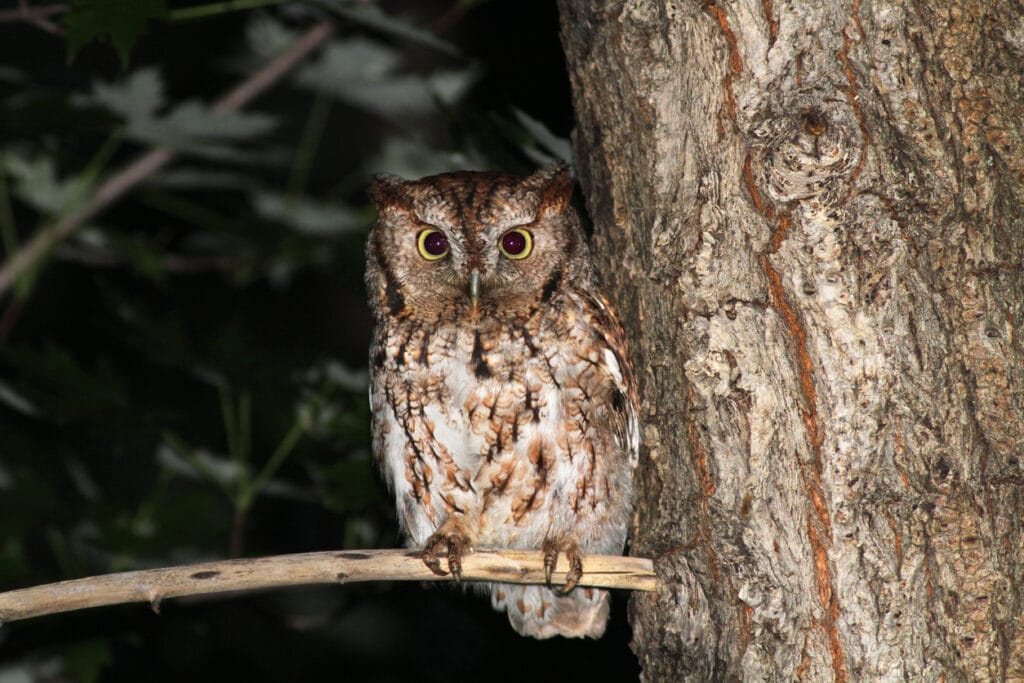
3. Eastern Screech-Owl (Megascops asio)
The Eastern Screech-Owl is a year-round resident of Louisiana, a testament to its successful integration into a variety of wooded environments, including suburban parks and areas adjacent to human habitation. This adaptability is largely driven by the availability of its preferred prey: small rodents, which are often abundant in these human-influenced landscapes.
Physical Attributes and Human Interaction:
Characterized by its stocky build and a plumage that can be either gray or rufous (reddish-brown), the Eastern Screech-Owl boasts excellent camouflage. Unlike many owl species that exhibit pronounced shyness around humans, the Eastern Screech-Owl has demonstrated a remarkable ability to coexist with people, often tolerating close proximity. This trait has led to opportunities for bird enthusiasts to attract breeding pairs to their backyards by installing appropriately sized nesting boxes. However, it’s important to note that the presence of this owl can sometimes cause consternation among smaller songbirds, which may collectively mob the owl in an attempt to drive it away.

Dietary Range:
Beyond its primary prey of small rodents, the Eastern Screech-Owl also supplements its diet with reptiles, large insects, and amphibians, demonstrating a broad predatory scope.
4. Barred Owl (Strix varia)
The Barred Owl is a familiar sight in many parts of Louisiana, including urban centers like Baton Rouge. These owls favor habitats characterized by large, mature trees and are particularly drawn to nesting sites near swamps and wetlands, ecosystems that are abundant throughout the state.
Distinctive Features and Vocalizations:
The Barred Owl derives its name from the characteristic barring on its plumage, featuring a mottled brownish body with white spots and black markings on its underparts. During daylight hours, they tend to roost quietly, often blending seamlessly with the bark of mature trees, making them challenging to spot. However, their distinctive and remarkably loud call, often described as "Who cooks for you? Who cooks for you-all?", can often betray their presence.
Hunting Habits and Diet:
Barred Owls are primarily nocturnal hunters, employing a sit-and-wait strategy from a perch before swooping down on their prey. Their diet includes a variety of small animals such as mice, squirrels, voles, rabbits, and some bird species. When situated near water bodies, they will also opportunistically prey on fish and crayfish. They exhibit a practice of caching surplus food in tree cavities when prey is abundant. Small prey items are typically swallowed whole, while larger prey may be dismembered before consumption, often with the head being the first part ingested.
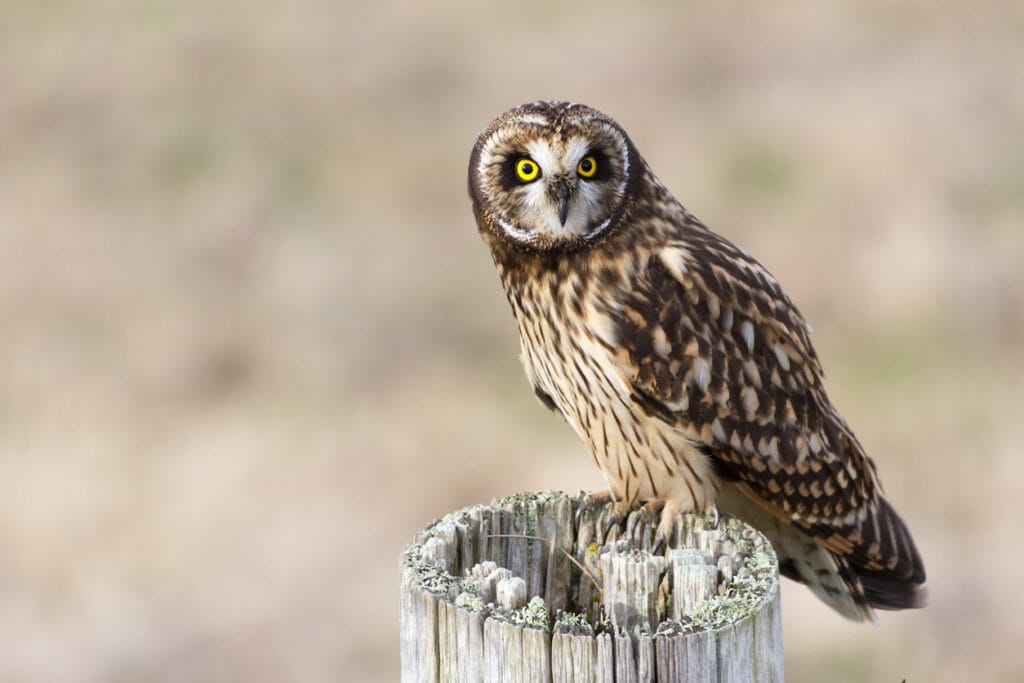
5. Short-eared Owl (Asio flammeus)
The Short-eared Owl is not an uncommon sight in Louisiana, and surprisingly, can sometimes be observed near residential areas. However, its preferred nesting and hunting grounds are typically open habitats such as marshes, meadows, and grass fields.
Physical Description and Hunting Behavior:
This medium-sized owl is diurnal, meaning it hunts during the day. Its plumage is a mottled brown and buff, with white feathers adorning its underparts. It possesses two ear tufts, which are characteristically short, giving the species its name. The Short-eared Owl hunts by flying low over short vegetation, actively seeking out small mammals, with mice and voles being particularly favored. Its diet also extends to rabbits, weasels, bats, squirrels, and birds. When consuming prey, it exhibits a unique behavior of decapitating mammals before ingestion and removing the wings of birds.
Breeding Adaptations:
During the breeding season, Short-eared Owls become more active throughout the day. The male plays a crucial role in defending the nest and providing food for the incubating female. They typically construct their nests directly on the ground, concealed among low-lying plants, offering camouflage from predators. In a remarkable display of defense, the female may feign injury, exiting the nest and luring predators away from her young.
6. Barn Owl (Tyto alba)
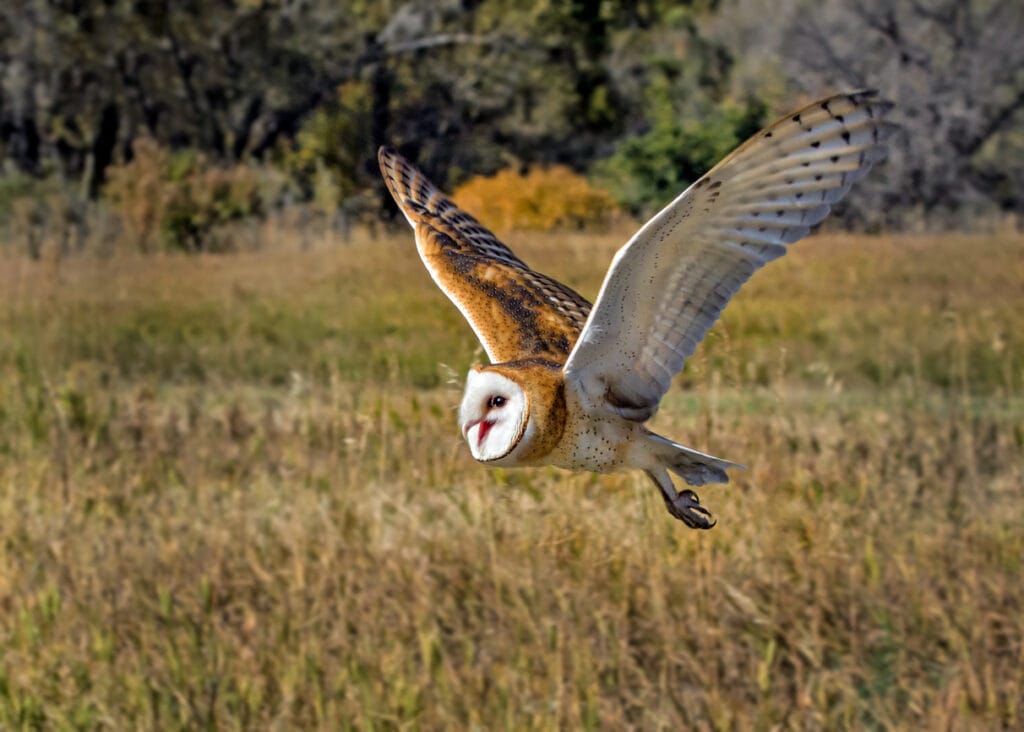
The Barn Owl is widely distributed across Louisiana, particularly in the southern regions, where it frequents areas near rice and sugarcane fields, marshlands, and the fertile banks of major rivers like the Red, Atchafalaya, and Mississippi. Its call is less of a hoot and more of a chilling scream, which can be unsettling to the uninitiated.

Visual Appeal and Sensory Acuity:
Despite its somewhat unnerving vocalizations, the Barn Owl is a highly prized species among birdwatchers due to its striking appearance. Its plumage is a blend of buff and gray, appearing almost pale white in low-light conditions, which aids its nocturnal hunting. This owl is an exceptionally skilled nocturnal predator, relying heavily on its acute sense of hearing to pinpoint prey in complete darkness.
Unique Adaptations for Hunting:
A key adaptation is its heart-shaped facial disc and asymmetrical ear openings. These features work in concert to funnel sound waves to each ear at slightly different times, allowing the owl to triangulate the precise location of its prey with remarkable accuracy, even when the prey is hidden from view. The Barn Owl’s diet consists primarily of rodents, with mice being a staple. A single Barn Owl is estimated to consume up to 1,000 mice annually, making it an invaluable natural pest controller.
Mating Rituals and Parental Care:
Male Barn Owls are known to be aggressively protective of their nests. Interestingly, they appear to favor females with a greater number of spots on their plumage, a trait that has been linked to the female’s ability to resist parasites and diseases.
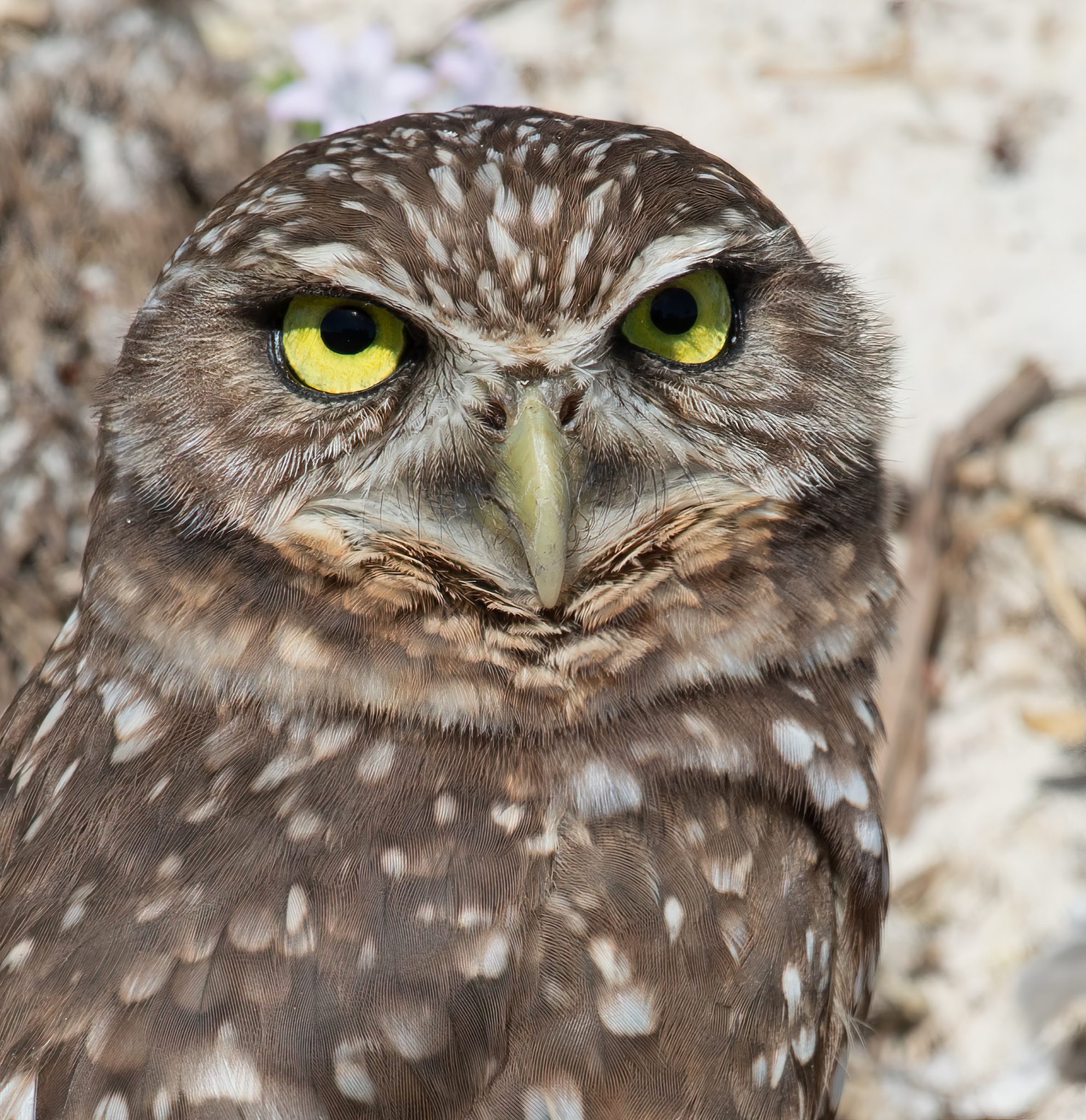
7. Burrowing Owl (Athene cunicularia)
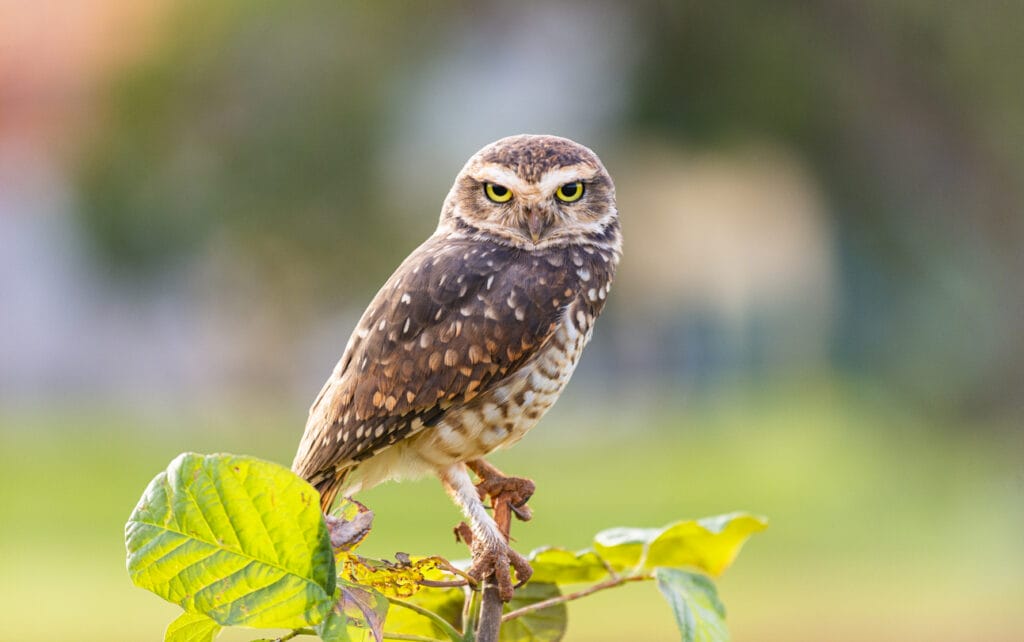
The Burrowing Owl’s range extends into the southern reaches of Louisiana, where it is typically found in open environments such as pastures, prairies, and grasslands with sparse vegetation.
Unique Nesting Habits:
Unlike many other owl species that utilize tree cavities or abandoned structures, the Burrowing Owl exhibits a unique preference for underground dwellings. They excavate their own burrows or, more commonly, occupy those previously dug by other animals like prairie dogs, squirrels, or tortoises. They can also adapt to man-made underground structures, provided they offer easy access to the surface.
Behavioral Quirks and Diet:
Both male and female Burrowing Owls are similar in size and possess sandy-colored bodies that provide excellent camouflage within their grassland habitats. Their diet is varied, encompassing prairie dogs, mice, reptiles, insects, and small birds. A distinctive characteristic of this species is its ability to hunt both day and night. They often fly low to the ground or run to capture their prey. Their extended time spent underground has led to a higher tolerance for carbon dioxide compared to other owl species. Before laying eggs, Burrowing Owls meticulously line the entrance of their burrow with animal dung, a behavior believed to attract dung beetles, which may form part of their diet or serve as an attractant for other prey. Furthermore, they have been observed collecting and scattering refuse such as cigarette butts, aluminum foil, and other discarded items around their burrow entrances, potentially as a territorial marker or to signal occupancy.
8. Snowy Owl (Bubo scandiacus)
While their primary habitat lies in the frigid Arctic regions, Snowy Owls undertake migratory journeys southward during the winter months. With snow being a relatively rare phenomenon in Louisiana, spotting a Snowy Owl here requires a degree of luck.
Identification Challenges and Habitat Preference:
Identifying a Snowy Owl, even when snow is present, can be challenging due to their exceptional camouflage. Their large size and predominantly white plumage, often interspersed with black markings on the underparts, can cause them to resemble a small snowball when at rest. When present in Louisiana, they are often found in open, low-lying areas, providing a habitat analogous to their northern tundra environment.
Vocalizations and Sensory Abilities:
Snowy Owls are known for their vocal nature, producing a variety of hoots and calls to communicate. The male’s hoot can carry for impressive distances, reportedly up to seven miles. Their keen eyesight and hearing are paramount for locating prey, even when it is concealed beneath snow.
Breeding Displays and Defensive Behavior:
During the breeding season, the male Snowy Owl engages in elaborate aerial displays to attract females, which often involve flying high into the air and presenting prey. While generally not aggressive, Snowy Owls can become defensive when they perceive a threat, resorting to dive-bombing and attacking humans or other perceived intruders.
9. Long-eared Owl (Asio otus)
The Long-eared Owl is a less frequently encountered species in Louisiana, preferring habitats of coniferous woodlands and open grasslands.
Physical Characteristics and Silent Flight:
This owl is characterized by its buff and black plumage, a narrow face, and notably long ear tufts that give the species its name. A remarkable adaptation is the presence of fringed feathers along their wings, which enable them to fly with exceptional silence, making them incredibly effective ambush predators. During daylight hours, their coloration and feather patterns provide superb camouflage, rendering them nearly invisible while roosting.
Social Behavior and Diet:
In contrast to many solitary owl species, the Long-eared Owl is quite social and often roosts in large groups. They are also known to tolerate the presence of other bird species, such as American Crows, in their nesting areas. Their diet consists primarily of small mammals, with voles, mice, shrews, and kangaroo rats being favored. They capture prey with a precise bite to the back of the head before swallowing it whole. Indigestible remains, such as fur, bones, and hair, are later regurgitated in the form of pellets. Male Long-eared Owls tend to be more vocal than females, frequently repeating their hoots. Like other owls, they will often utilize abandoned nests of other birds or make use of tree cavities for nesting.
Conclusion: An Enduring Fascination with Louisiana’s Owls
The diverse array of owl species inhabiting Louisiana offers a captivating window into the state’s rich natural heritage. From the imposing Great Horned Owl to the elusive Long-eared Owl, each species plays a vital role in its ecosystem. While their nocturnal nature and adept camouflage can make them challenging to observe, the rewards of patient observation are immense. These magnificent birds can be found in a variety of settings, from the depths of state parks to the edges of residential areas, each sighting a testament to their adaptability and resilience. The experience of encountering a pair of curious owl eyes peering from the dense foliage is a profound reminder of the wild beauty that Louisiana continues to offer, an experience that birdwatchers and nature enthusiasts alike find profoundly worthwhile. Understanding these fascinating creatures enriches our appreciation for the intricate ecological balance of the Pelican State.
Frequently Asked Questions
What is the most common owl species in Louisiana?
The Barred Owl is considered locally common in various regions of Louisiana, often found in mature forests and near wetland areas.
Where can I find more information about local owl sightings in Louisiana?
For up-to-date information on owl sightings and distribution, resources like eBird are invaluable. This platform allows users to search for recent observations, specific species, or sightings within particular geographic areas, providing birdwatchers with critical data for planning their excursions.

