


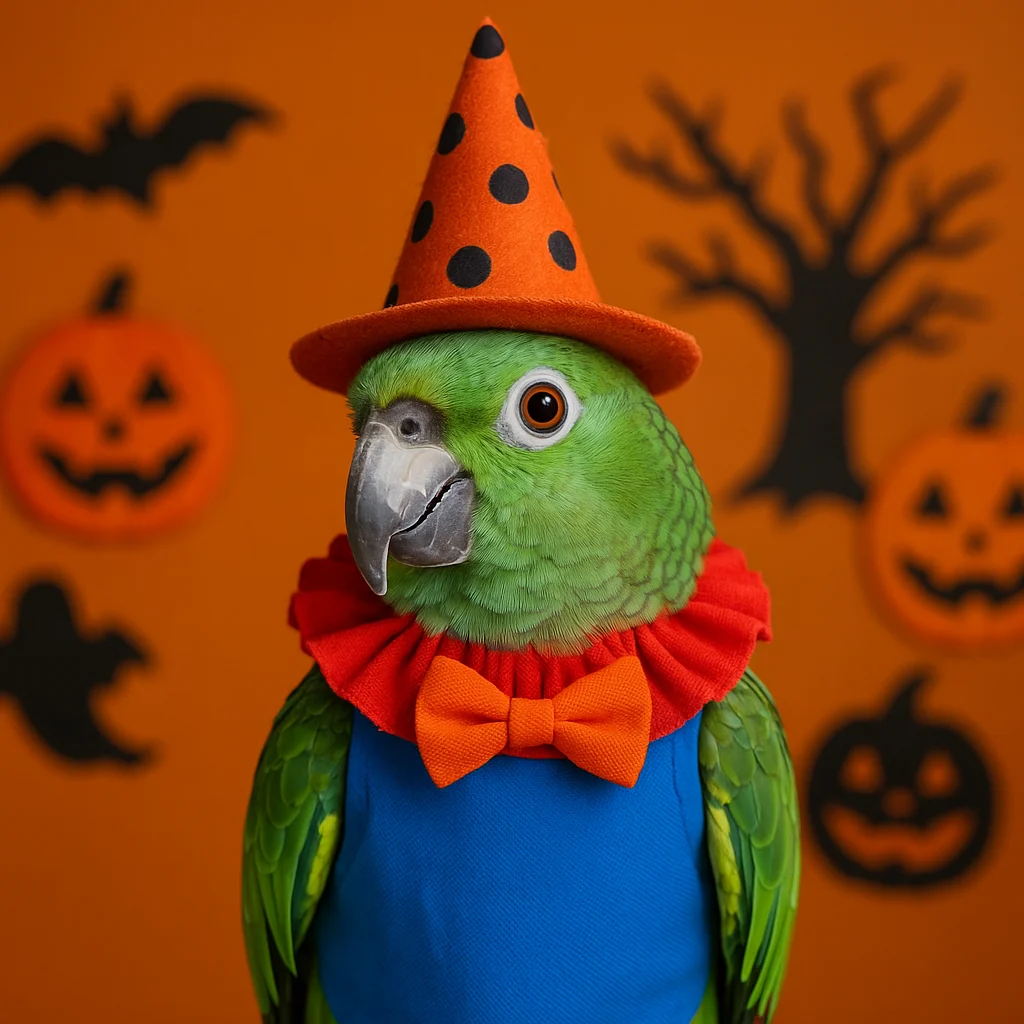
Halloween, a vibrant celebration for humans marked by costumes, candy, and spirited festivities, often brings an unintended wave of anxiety and distress for the often-overlooked members of our households: our companion birds. While the spooky season is a source of joy for many, the sudden onslaught of unfamiliar sights, sounds, and disruptions to routine can be profoundly unsettling, even terrifying, for parrots and other pet birds. This article delves into the physiological and behavioral impacts of Halloween-related stressors on avian companions and outlines comprehensive strategies for ensuring their safety, comfort, and peace during what can otherwise be a frightening night.
The Avian Experience of Halloween: A Sensory Overload
Birds perceive the world with remarkable acuity, a trait essential for survival in the wild. This heightened sensory perception, however, becomes a significant vulnerability during events like Halloween. Their superior auditory capabilities mean that sounds that are merely loud to humans—doorbells, children’s excited screams, spooky soundtracks, and even distant fireworks—can be overwhelming and painful. Avian hearing ranges typically extend beyond human perception, making them more susceptible to high-frequency noises. A sudden, sharp doorbell ring, for instance, can trigger an immediate "flight or fight" response, elevating stress hormones and inducing panic.
Visually, birds possess tetrachromatic vision, allowing them to see a broader spectrum of light, including ultraviolet (UV) light, which is invisible to humans. This means that flashing lights, decorative lasers, and even the subtle glint of unfamiliar materials on costumes can appear far more intense and potentially alarming. Masks, wigs, and distorted human figures in costumes, even if worn by familiar family members, can be perceived as predators or unfamiliar threats, eliciting fear and defensive behaviors. The sudden appearance of strangers in elaborate attire at the door further compounds this visual confusion and perceived threat.
Beyond direct sensory input, the disruption of routine is a critical stressor. Birds, particularly parrots, are creatures of habit. They thrive on predictability, with established schedules for feeding, play, sleep, and interaction. Halloween’s festivities often commence precisely when birds are accustomed to settling down for their essential 12-14 hours of uninterrupted sleep. A disturbed sleep cycle can lead to irritability, aggression, increased vocalization, and a weakened immune system in the days following the event.
Physiological and Behavioral Manifestations of Avian Stress
When birds experience stress, their bodies release hormones such as corticosterone, the avian equivalent of cortisol. Chronically elevated levels of these hormones can have detrimental long-term effects on their health, including immunosuppression, metabolic disturbances, and behavioral issues.
Common behavioral indicators of stress in birds during Halloween might include:
- Increased Vocalization: Excessive screaming, squawking, or alarm calls.
- Aggression: Biting, lunging, or displaying defensive postures towards caregivers or cage bars.
- Hiding: Retreating to the bottom of the cage, under toys, or seeking the darkest corner.
- Feather-related Issues: Excessive preening, feather plucking, or self-mutilation (in extreme cases).
- Pacing or Repetitive Behaviors: Stereotypical movements indicating anxiety.
- Loss of Appetite: Refusal to eat favorite foods or foraging less.
- Reluctance to Interact: Withdrawing from human interaction or refusing to come out of the cage.
- Night Frights: Sudden thrashing within the cage during sleep, often due to startling noises or perceived threats.
Understanding these signs is crucial for intervention and for recognizing the profound impact of environmental stressors on avian welfare.
A Proactive Chronology: Ensuring a Calm Halloween for Your Bird
Effective management of Halloween stress for birds requires a strategic, multi-stage approach, beginning well before the actual event.
Weeks Before: Pre-emptive Planning and Acclimation
- Identify a Sanctuary Space: Designate a quiet, interior room in your home that is furthest from the front door and any potential sources of noise or light. This room should ideally be one where the bird feels comfortable and secure.
- Trial Runs: A few days or weeks before Halloween, begin acclimating your bird to this sanctuary room. Spend short periods with them there, offering treats and positive reinforcement, so they associate it with positive experiences, not just isolation.
- Sound Masking Preparation: Invest in a white noise machine, a fan, or compile a playlist of calming music or nature sounds. Test these out in advance to see which sounds your bird responds to best.
- Cage Cover Check: Ensure you have a sturdy, opaque cage cover that effectively blocks light and sound without impeding airflow.
The Day of Halloween: Setting the Stage for Serenity
- Early Relocation: Several hours before trick-or-treating or any parties begin, gently move your bird’s cage to the designated sanctuary room. This allows them to settle in before the chaos starts.
- Environmental Control: In the sanctuary room, close all windows and draw heavy curtains or blinds to block out external lights and help muffle sounds.
- Sound Masking Activation: Turn on the white noise machine or calming music at a moderate volume. The goal is to create a consistent, soothing background hum that masks sudden, startling noises.
- Comfort and Enrichment: Provide your bird with fresh food and water, their favorite toys (especially foraging or puzzle toys that require focus), and a few extra-special, healthy treats to keep them occupied and distracted.
- Pre-emptive Cage Covering: Cover the cage fully to provide a dark, secure environment, signaling bedtime and reducing visual stimuli. Ensure adequate ventilation.
- Family Briefing: If you have children or other family members, explain the importance of keeping the bird’s area quiet and undisturbed. Instruct them not to peek under the cover or interact with the bird during this time.
During Halloween Night: Maintaining the Tranquility
- Minimize Disturbances: Instruct trick-or-treaters to use a porch light or knock lightly, rather than using a loud doorbell. If possible, consider placing a bowl of candy outside with a sign to reduce direct door interactions.
- Guest Awareness: If hosting a party, inform guests about the bird’s location and the need to keep that area quiet.
- Resist the Urge to Check Constantly: While natural to want to check on your bird, frequent disturbances can negate the efforts to create a peaceful environment. Trust that the preparations you’ve made are sufficient. If you must check, do so quietly and minimally.
- Avoid Costumes Around Birds: Under no circumstances should a bird be dressed in a costume. Even seemingly harmless accessories can restrict movement, impede breathing, cause overheating, or be ingested. Furthermore, the act of being dressed up is highly stressful and potentially terrifying for a bird.
- No Human Treats: Absolutely do not share Halloween candy or human snacks with your bird. Chocolate, xylitol (a common artificial sweetener), caffeine, and high sugar/fat content are toxic or harmful to birds. Offer bird-safe alternatives like a plain almond, a small piece of unsweetened dried fruit, or a walnut as a special treat.
After Halloween: Post-Event Monitoring and Reassurance
- Gradual Unveiling: Once all festivities have concluded and the house has quieted down, gradually remove the cage cover. Avoid sudden movements or bright lights.
- Return to Routine: Slowly reintroduce your bird to their normal daily routine over the next few hours or the following morning.
- Observe for Lingering Stress: Monitor your bird closely in the days following Halloween for any signs of lingering stress, such as changes in appetite, behavior, or vocalization.
- Gentle Interaction: Offer gentle praise, quiet interaction, and reassuring words. Engage in their favorite quiet activities.
- Enrichment and Comfort: Continue to provide ample enrichment, favorite toys, and a consistent environment to help them fully recover.
Expert Perspectives and Broader Implications
Avian veterinarians and animal behaviorists consistently emphasize the importance of understanding species-specific needs. Dr. Eleanor Gray, a prominent avian veterinarian (name inferred for journalistic style), states, "Companion birds are highly intelligent and sensitive creatures whose welfare is directly tied to their environment. Events like Halloween, with their sudden and intense sensory stimuli, can be genuinely traumatic. Proactive management is not just a convenience; it’s a critical component of responsible pet ownership and preventive health care."
The implications of poorly managed stress extend beyond immediate behavioral reactions. Chronic stress can weaken a bird’s immune system, making them more susceptible to infections and diseases. It can also exacerbate existing behavioral issues or trigger new ones, such as feather plucking, self-mutilation, or chronic anxiety, which can be difficult and time-consuming to resolve. Therefore, the efforts made to mitigate Halloween stress contribute significantly to the long-term physical and psychological health of the bird.
Addressing Common Concerns: Halloween Bird Safety FAQ
- Can I dress my bird up for Halloween?
No, it is strongly advised against. Costumes are highly stressful for birds. They can restrict movement, impede breathing, cause overheating, or even lead to injury if the bird struggles or ingests parts of the costume. Birds perceive being restrained or adorned with unfamiliar objects as a threat. - What if my bird screams or thrashes all night despite precautions?
If your bird is screaming, it’s likely a sign of distress. While it’s tempting to rush in and comfort them, this can sometimes inadvertently reinforce the screaming behavior. Instead, ensure their environment is as calm as possible (white noise, darkness). Reward moments of quiet with soft praise once the event has passed. If night frights occur, gently go to the cage, speak softly, and offer reassurance without turning on bright lights, then re-cover the cage. Persistent severe reactions may warrant consultation with an avian veterinarian or behaviorist. - Is it okay to give my bird a little bit of Halloween candy?
Absolutely not. Halloween candy, chocolate, and many human treats contain ingredients that are toxic to birds, such as chocolate (theobromine), xylitol, caffeine, and excessive sugar. These can cause serious health issues, including tremors, seizures, heart problems, and even death. Stick to bird-safe treats like small pieces of plain almond, walnuts, or unsweetened dried fruit. - What if I’m not home on Halloween night?
If you’re away, ensure your bird sitter is fully aware of the Halloween precautions. Provide them with detailed instructions on setting up the sanctuary room, activating sound masking, covering the cage, and emergency contacts. Emphasize the importance of minimizing disturbances. - How does Halloween affect a household with multiple birds?
Stress can be contagious within a flock. If one bird becomes agitated, others may follow suit. However, in a well-established flock, birds can also draw comfort from each other’s presence. The key is still to provide a quiet, dark sanctuary for the entire flock, ensuring each bird has adequate personal space within the cage if they choose to retreat.
Conclusion: Prioritizing Peace for Feathered Friends
Halloween, while a time of festive enjoyment for humans, demands conscious consideration for our feathered companions. Their unique sensory perceptions and profound reliance on routine make them particularly vulnerable to the holiday’s inherent chaos. By implementing a thoughtful, proactive strategy that prioritizes quiet, predictability, and safety, bird owners can transform a potentially terrifying night into a calm, cozy, and scare-free experience. The commitment to understanding and mitigating avian stress during such events not only safeguards their immediate well-being but also reinforces the principles of responsible and compassionate pet ownership, ensuring our cherished birds lead healthier, happier lives. Products like specialized calming formulas or natural sprays, as referenced by avian care experts, can be considered as supplementary tools to support a comprehensive environmental and behavioral management plan, providing an extra layer of comfort and relief for sensitive birds.

