


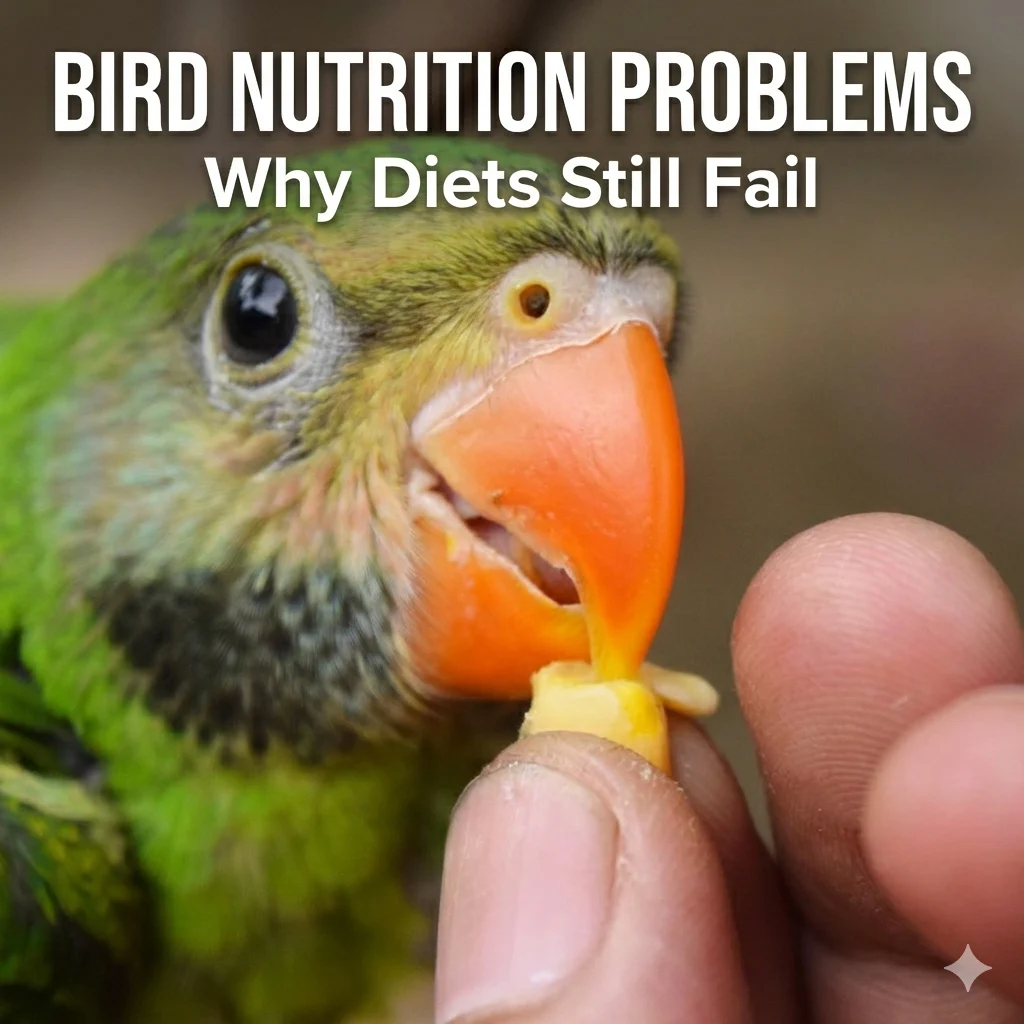
Even parrots seemingly provided with high-quality diets can exhibit signs of weakness and illness, a paradox rooted not in the availability of food but in the complex metabolic processes of nutrient absorption and activation. This critical distinction between what a bird eats and what its body effectively utilizes often represents a silent crisis in avian welfare, underscoring the necessity of a holistic understanding of parrot physiology and environmental needs. The underlying issue frequently stems from a failure in one of three crucial steps: adequate nutrient intake, efficient absorption through the digestive system, or the proper activation of these nutrients for metabolic use.
The Silent Epidemic: Nutritional Deficiencies in Captive Parrots
For decades, the standard diet for pet parrots often consisted predominantly of seed mixes, a practice that, while seemingly providing sustenance, inadvertently contributed to widespread nutritional deficiencies. Parrots in their natural habitats consume a diverse array of foods—fruits, nuts, seeds, flowers, insects, and vegetation—each contributing a complex profile of vitamins, minerals, and amino acids. This stark contrast with the historically impoverished captive diet led to a cascade of health issues. Avian veterinarians and nutritionists have since championed the shift towards formulated pellets as a dietary cornerstone, aiming to provide a more balanced nutritional foundation. However, even with the adoption of pellets and fresh produce, many captive parrots continue to present with subtle yet debilitating health problems, pointing to factors beyond mere food presentation.
Research consistently indicates that nutrient imbalances, particularly concerning Vitamin A and Calcium, remain prevalent in pet bird populations. A 2017 study published in the Journal of Avian Medicine and Surgery noted that subclinical deficiencies could persist for years before manifesting as overt disease, making early detection challenging for owners. The implications are significant, affecting everything from feather quality and immune response to bone density and reproductive success. The principle is clear: intake alone is insufficient; the biological chain of absorption and activation must also function optimally for true health.
Beyond the Bowl: The Complexities of Nutrient Utilization
The journey of a nutrient from the food bowl to its functional role within a parrot’s body is intricate. Several key nutrients highlight the critical importance of this metabolic pathway:
Calcium and Vitamin D3: The Bone-Muscle Connection
Calcium is fundamental for bone structure, nerve transmission, and muscle contraction. Yet, its presence in the diet does not guarantee its utility. For calcium to be absorbed from the intestine into the bloodstream, adequate levels of Vitamin D3 are indispensable. Vitamin D3 acts as a hormone, activating specific transport proteins in the intestinal wall that facilitate calcium uptake. Without sufficient D3, dietary calcium largely passes through the digestive system unabsorbed.
A primary source of Vitamin D3 for most vertebrates, including parrots, is through exposure to ultraviolet B (UVB) radiation, which triggers its synthesis in the skin. However, indoor housing presents a significant challenge: standard window glass effectively blocks almost all UVB rays. Consequently, even birds basking in bright sunlight through a window are not synthesizing Vitamin D3. This deficiency often leads to conditions like hypocalcemia, manifesting initially as subtle neuromuscular weakness. Owners might observe a weakening grip, evidenced by slipping toes on perches, hesitation before flight, or clumsy landings. In advanced stages, it can contribute to metabolic bone disease and pathological fractures. Feather quality, too, can suffer; compromised calcium metabolism can result in dull, brittle, or poorly structured feathers during molting periods, as calcium plays a role in feather development and overall metabolic stability.
The Vitamin A Imperative: Protecting Internal Health
Vitamin A, or retinol, is another critical nutrient frequently deficient in seed-heavy diets. Its primary role lies in maintaining the health and integrity of epithelial tissues, which line the respiratory, digestive, and urogenital tracts, as well as the skin and mucous membranes. When Vitamin A levels are inadequate, these protective tissues can thicken, lose their normal function, and become more susceptible to bacterial and fungal infections.
Symptoms of Vitamin A deficiency in parrots are insidious and progressive. Early signs can include dull, dirty-looking nares (nostrils), choanal papillae (small, finger-like projections in the roof of the mouth) appearing blunted or absent, and a generally rough texture to the oral mucosa. As the deficiency progresses, respiratory issues such as sneezing, nasal discharge, and difficulty breathing may emerge due to compromised respiratory tract lining. Immunosuppression also becomes a concern, making birds more vulnerable to secondary infections. While pellets are often fortified with Vitamin A, ensuring consistent intake and proper absorption from dietary sources like dark leafy greens and orange vegetables remains crucial.
Amino Acids and Trace Minerals: Unseen Pillars of Vitality
Beyond major vitamins and minerals, a complete array of essential amino acids and trace minerals is vital for overall vitality. Amino acids are the building blocks of proteins, essential for feather growth, muscle repair, enzyme production, and immune function. Deficiencies can lead to poor feather quality, muscle wasting, and a general lack of vigor. Trace minerals such as zinc, iodine, and selenium, though required in small amounts, play pivotal roles in hormonal balance, immune function, and antioxidant defense. Iodine, for instance, is critical for thyroid function, while zinc is involved in immune response and feather pigmentation. Imbalances in these micronutrients can lead to a host of nonspecific symptoms, including behavioral changes, compromised immunity, and reproductive issues.
Navigating Dietary Transitions: From Seed Addiction to Balanced Nutrition
The transition from a seed-based diet to a more balanced pellet-and-fresh-food regimen is a significant challenge, often fraught with peril for the uninitiated owner. Parrots are inherently "neophobic," meaning they exhibit a fear of new things, especially unfamiliar foods. This evolutionary trait, designed to prevent poisoning in the wild, can lead to dangerous food refusal in captivity. A "cold turkey" approach to pellet conversion, where seeds are abruptly removed, can cause rapid and severe weight loss, leading to starvation and even death.
Avian experts, including Diane Burroughs, LCSW, an author and recognized authority on avian care, strongly advocate for a gradual, patient transition. The process involves slowly introducing small amounts of pellets mixed with familiar seeds, progressively increasing the pellet-to-seed ratio over weeks or even months. Crucially, owners must monitor their bird’s weight daily or weekly using a gram scale. A weight loss exceeding 3-5% of body weight is an immediate red flag, signaling inadequate intake and necessitating a slowdown or temporary reversal of the transition. The primary objective during this phase is caloric stability; nutritional optimization follows once the bird reliably consumes the new diet.
The appeal of seeds for parrots is not nutritional wisdom but rather a learned preference driven by their high fat content and satisfying texture. This "seed addiction" means that birds will often select seeds over more nutritious options, leading to chronic deficiencies even when pellets are technically offered. A balanced diet, therefore, structurally combines a formulated pellet foundation with a measured portion of fresh vegetables and controlled, limited seed use as a treat rather than a staple.
Environmental Factors: The Seasonal Impact on Avian Health
The environment in which a parrot lives profoundly impacts its health, particularly concerning light exposure. Most popular pet parrot species originate from tropical or subtropical regions, where daylight length and intensity remain relatively stable throughout the year. In northern latitudes, however, winter brings dramatically shorter days and significantly weaker sunlight. For indoor birds, this seasonal shift is compounded by the fact that window glass blocks crucial UVB radiation.
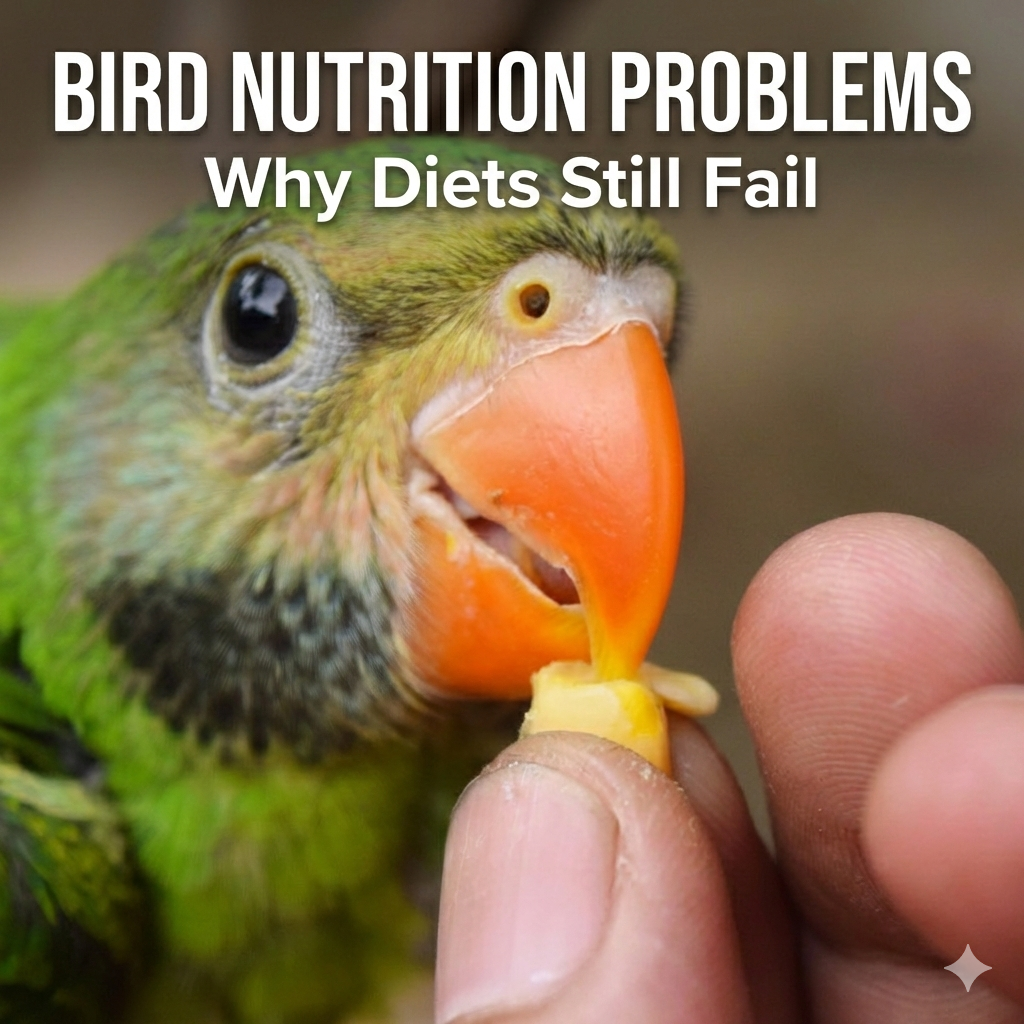
The reduction in natural UVB exposure during winter directly impairs the bird’s ability to synthesize Vitamin D3. This reduction in D3 synthesis leads to decreased calcium utilization, even if dietary calcium intake remains constant. Consequently, many indoor birds exhibit a subtle decline in health during late winter, manifesting as weaker grip strength, reduced activity levels, or delayed and poor-quality molts.
Beyond Vitamin D3 synthesis, light exposure regulates a parrot’s circadian rhythm, hormonal signaling, and overall metabolic stability. Inconsistent or shortened photoperiods can trigger behavioral changes such as irritability, increased aggression, or lethargy. For birds, particularly breeding hens, the stress of egg-laying combined with seasonal D3 deficiency can precipitate acute calcium crashes, a life-threatening condition requiring immediate veterinary intervention. Installing a species-appropriate, full-spectrum UVB bird light, replaced according to the manufacturer’s schedule (typically every 6-12 months as UVB output degrades over time, even if visible light remains), is a critical intervention for indoor parrots.
Supplementation Strategies: When and How to Support
The question of whether supplements "work" is nuanced. Water-soluble supplements, while convenient, can be unreliable. Nutrient stability in water can be compromised by light, heat, and the passage of time, leading to degradation. Furthermore, a bird’s daily water intake fluctuates, making it difficult to ensure a consistent, stable dose. This variability can result in underdosing or, conversely, accidental overdosing if the bird drinks excessively.
Food-based supplementation generally offers greater reliability. When supplements are mixed into a known portion of chop, soft food, or pellets, owners can more accurately observe and confirm consumption. For critical nutrients like calcium, magnesium, or biotin, which require consistent dosing for optimal effect, controlled food application minimizes waste and improves efficacy. Avian veterinarians often recommend targeted supplementation when specific deficiencies are diagnosed or when a bird’s environmental conditions (e.g., indoor housing without UVB, egg-laying) present a clear risk. A properly formulated calcium, magnesium, and D3 combination is often advised to support nerve signaling, muscle contraction, and bone stability, particularly when natural D3 activation is impaired. However, the caveat against over-supplementation is crucial; excessive levels of certain vitamins (like synthetic Vitamin A) or minerals can be toxic, stressing organs like the liver and kidneys, and disrupting overall metabolic balance.
Recognizing the Warning Signs: A Call for Early Veterinary Intervention
Distinguishing between specific nutritional deficiencies and other illnesses can be challenging, as symptoms often overlap. It is paramount to understand that while these guidelines are educational, they are not diagnostic tools. Any suspected deficiency or worsening condition warrants an immediate consultation with an avian veterinarian. Both excessively low and dangerously high levels of certain nutrients can cause severe health complications. Bloodwork, radiographs, and other diagnostic tests performed by a qualified avian veterinarian are the only reliable means to confirm a deficiency or toxicity.
Signs of Vitamin A Deficiency in Parrots:
- Dull, dirty, or crusted nares (nostrils)
- Blunted or absent choanal papillae (small projections in the roof of the mouth)
- Excessive mucus in the mouth or throat
- Sneezing, nasal discharge, or respiratory distress
- Poor feather quality, stress bars, or abnormal coloration
- Recurrent bacterial or fungal infections
- Swelling around the eyes or eyelids (in advanced cases)
Signs of Hypocalcemia (Calcium Deficiency) in Parrots:
- Weak grip strength, slipping toes, difficulty perching
- Hesitation before flying, clumsy landings, or shorter flights
- Muscle tremors or seizures (in acute cases)
- Soft-shelled or infertile eggs in laying hens
- Bone deformities or pathological fractures
- Behavioral changes like irritability or lethargy
- Delayed or poor-quality molts
Call an Avian Vet Immediately If You See:
- Acute onset of seizures or tremors
- Severe respiratory distress (gasping, labored breathing)
- Sudden paralysis or inability to perch
- Severe lethargy or collapse
- Profuse bleeding or unexplained wounds
- Rapid and significant weight loss
These are not "watch and wait" symptoms. Acute calcium crashes, severe infections secondary to vitamin A deficiency, or unrelated systemic illnesses can progress rapidly and prove fatal without prompt professional intervention. An avian veterinarian can perform critical diagnostic tests, administer supportive treatment, and devise a safe, effective recovery plan. Documenting changes in weight, grip strength, appetite, and behavior can provide invaluable information to your vet.
Proactive Solutions: A Holistic Approach to Avian Wellness
Effectively addressing nutritional problems in parrots rarely involves a single solution; it demands a multi-pronged, holistic approach. The key is to identify and correct the "weak link" in the intake, absorption, and activation chain.
- Correcting Dietary Imbalance: Transitioning from seed-heavy diets to a formulated pellet base supplemented with fresh, appropriate vegetables (rich in Vitamin A precursors like beta-carotene, such as carrots, sweet potatoes, dark leafy greens) is foundational. Consistency is paramount; sporadic vegetable intake will not rebuild depleted nutrient stores.
- Installing a Safe UVB Bird Light: Since glass blocks UVB, providing a dedicated, full-spectrum UVB lamp is critical for indoor birds to synthesize Vitamin D3. The light should be positioned appropriately (within the manufacturer’s recommended distance) and replaced regularly as its UVB output diminishes over time. This directly supports the activation pathway for calcium.
- Using Calcium, Magnesium & D3 Together: When supplementation is indicated, a synergistic approach is best. Calcium alone is often insufficient. Vitamin D3 activates calcium absorption, while magnesium is essential for proper calcium regulation and neuromuscular function. This integrated approach ensures that calcium is not only absorbed but also correctly utilized by the body. Dosing must be precise and species-appropriate to avoid the risks of over-supplementation.
Birds do not fail to thrive because their owners do not care; they fail when one critical link in their metabolic chain is compromised. When intake, absorption, and activation are meticulously aligned, the results are transformative: strength returns, grip improves, feathers regain their structural integrity and sheen, and energy levels stabilize, leading to a healthier, more vibrant companion bird. The journey to optimal avian nutrition is one of continuous learning and proactive care, guided by scientific understanding and professional veterinary advice.
The Broader Implications: Responsible Pet Ownership and Avian Welfare
The pervasive issue of nutritional deficiencies in captive parrots highlights a fundamental responsibility of pet ownership: to provide not just survival, but thriving conditions. The long-term health and welfare of these intelligent and sensitive creatures depend on an informed approach to their care. Beyond individual bird health, addressing these issues contributes to improved avian welfare standards globally, potentially impacting breeding success, longevity, and overall quality of life for companion birds. Avian experts, like Diane Burroughs, LCSW, consistently advocate for owner education as the primary tool in preventing these common yet preventable conditions. By understanding the intricate metabolic needs of their feathered companions, owners can move beyond simply feeding their birds to truly nourishing them, ensuring a healthier and happier life.

