


A series of internal documents and federal reports recently brought to light by People for the Ethical Treatment of Animals (PETA) has intensified scrutiny on the University of Massachusetts Chan Medical School (UMass Chan) regarding its animal testing protocols. At the center of the controversy is Raffi Aroian, a prominent experimenter whose research involves the deliberate infection of small mammals with various blood-sucking parasites. The findings, which span decades of federally funded research, suggest a pattern of significant animal suffering, recurring regulatory non-compliance, and questions regarding the scientific translation of these animal models to human medicine.
The allegations against Aroian follow previous PETA investigations into other UMass Chan researchers, including Matt Gounis and Heather Gray-Edwards, painting a picture of an institution struggling with oversight and ethical standards in its laboratory facilities. While UMass Chan maintains its position as a leading biomedical research hub, the details emerging from the Aroian laboratory have sparked a renewed debate over the ethics of parasitic research and the management of taxpayer-funded grants.
Detailed Methodology of Parasitic Infection Experiments
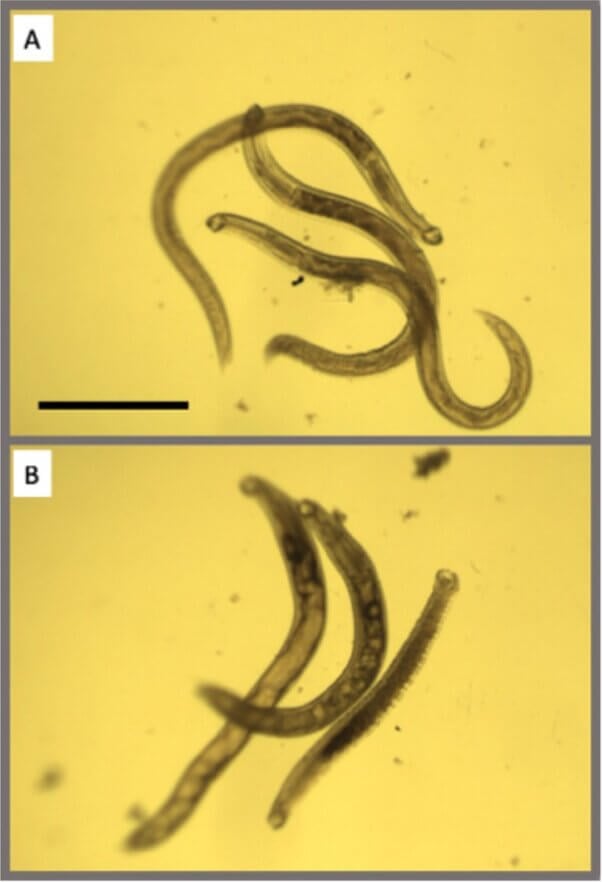
Raffi Aroian’s research focuses on soil-transmitted nematodes, including hookworms, roundworms, and whipworms. These parasites represent a significant global health burden, affecting over a billion people worldwide, particularly in developing nations. However, the methods used to study these organisms at UMass Chan involve the intensive use of hamsters, mice, and rats in procedures that animal rights advocates describe as inherently inhumane.
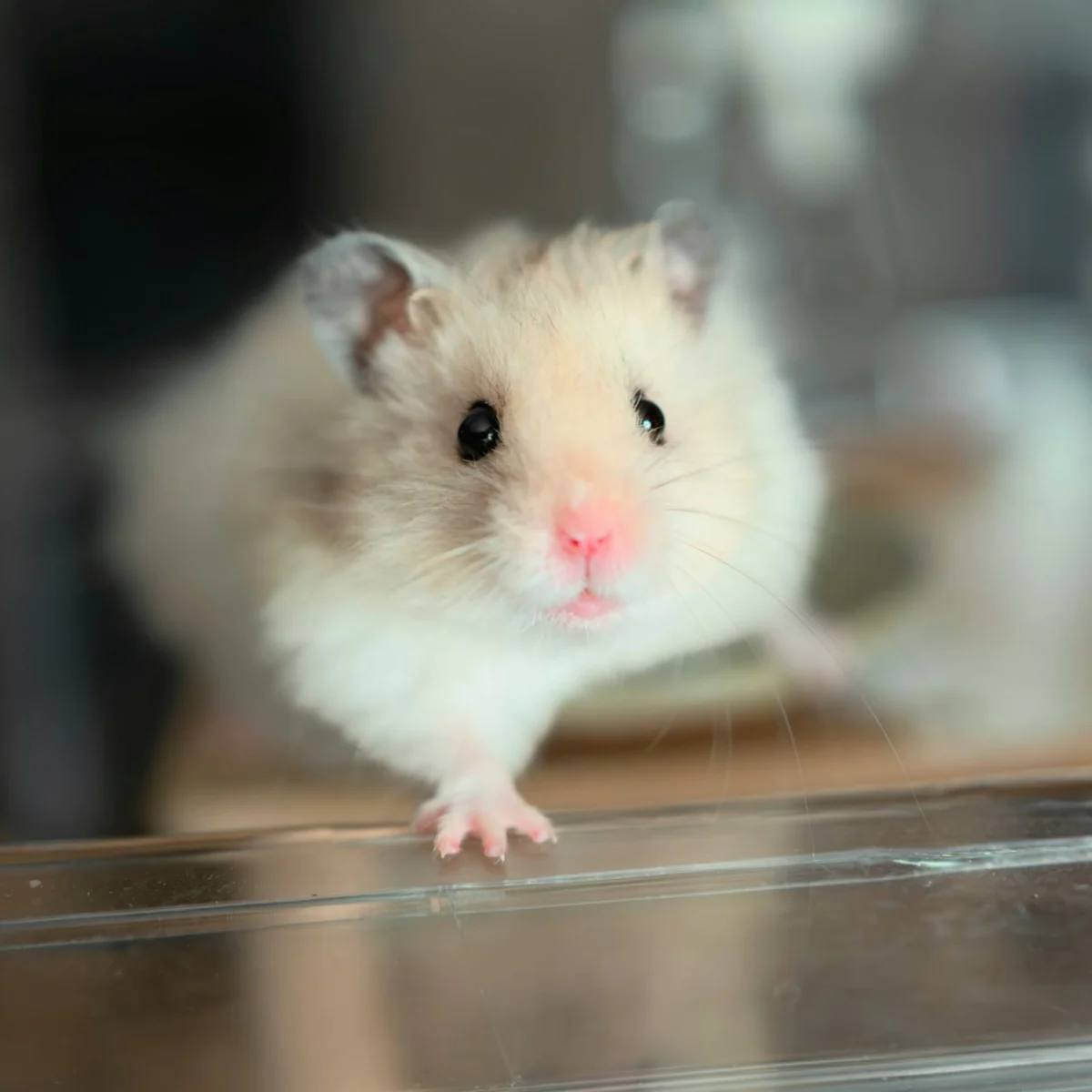
According to laboratory protocols, hamsters are frequently used as "incubators" for hookworm larvae. Experimenters inject the larvae into the animals, which then migrate to the intestines. Once there, the hookworms attach to the intestinal lining and feed on the animal’s blood. To ensure the parasites reach adulthood and produce eggs for further study, researchers often administer immunosuppressive drugs to the hamsters. This prevents the animal’s natural immune system from fighting off the infection, thereby prolonging the duration of the parasitic load.
These hamsters are typically kept alive for 12 to 19 days, during which time they suffer from chronic blood loss, tissue inflammation, and internal injury. At the conclusion of the observation period, the animals are euthanized so that their intestines can be removed and the adult parasites harvested. In many instances, these harvested parasites are then reused to infect a new cohort of animals, creating a self-sustaining cycle of infection and termination.
Similar procedures are applied to mice and rats. Mice are infected with whipworms, which burrow into the lining of the large intestine. Like the hamsters, these mice often have compromised immune systems to facilitate the growth of the parasites. Rats are primarily utilized as a source of larvae; they are injected with up to 1,000 larvae at six weeks of age. The resulting larvae are collected from the rats’ feces to be used in subsequent experiments.
A History of Federal Funding and Financial Scope
The scale of Aroian’s research is underscored by the significant financial support provided by the National Institutes of Health (NIH). Since 1998, Aroian has reportedly received approximately $20.5 million in federal grants to conduct these experiments. Currently, two active grants totaling $1.4 million continue to fund his laboratory’s operations at UMass Chan.
This high level of funding highlights the NIH’s ongoing commitment to traditional animal models in the search for broad-spectrum anthelmintic agents. However, critics argue that the sheer volume of wealth funneled into these projects has not yielded a commensurate breakthrough in human treatments, leading to calls for a reassessment of how federal biomedical budgets are allocated.
Chronology of Regulatory Failures and Oversight Lapses
The ethical concerns surrounding the nature of the research are compounded by a series of documented regulatory violations within the Aroian laboratory. Records indicate that the school’s animal care committee has had to intervene on multiple occasions due to negligence and failure to adhere to approved protocols.
In April 2024, UMass Chan staff discovered that hamsters in Aroian’s lab were being held in solitary confinement. This practice was in direct violation of the approved research protocols and federal animal welfare guidelines, which emphasize the social needs of certain rodent species. Following the discovery, the university’s Institutional Animal Care and Use Committee (IACUC) required Aroian to immediately revise his protocols to justify any future instances of solitary housing. This incident was subsequently reported to the NIH’s Office of Laboratory Animal Welfare (OLAW).
Less than two months later, in May 2024, a more severe instance of negligence occurred. During a procedure where hamsters were moved to new cages for feces collection, two animals were inadvertently left behind in their original enclosures. These hamsters remained without access to water for approximately 16 hours. The U.S. Department of Agriculture (USDA) issued a citation to UMass Chan following this incident.
In response to these recurring failures, the university took the "highly unusual" step of placing Aroian’s laboratory under mandatory supervision for a period of six months. This level of oversight is generally reserved for facilities that demonstrate a persistent inability to maintain federal standards of care.
Broader Institutional Context at UMass Chan
The issues identified in the Aroian lab are not isolated incidents within the university. PETA’s ongoing campaign against UMass Chan has previously highlighted the work of Matt Gounis, whose research involves inducing strokes in dogs to test medical devices. According to the investigation, these dogs are subjected to invasive surgeries where their skulls are carved open, and they are sometimes deprived of food to facilitate experimental procedures.
Similarly, researcher Heather Gray-Edwards has faced criticism for her work on neurodegenerative diseases. Her experiments involve breeding animals to develop debilitating conditions that lead to seizures, brain swelling, and a loss of motor function. PETA alleges that in some instances, these animals have been denied adequate pain relief during the terminal stages of their illness.
The cumulative weight of these allegations suggests a systemic issue with the culture of animal research at UMass Chan. While the university maintains that its IACUC provides rigorous oversight, the frequency of self-reported violations and USDA citations has provided critics with significant ammunition to argue for a total overhaul of the institution’s research practices.
Scientific Analysis: The "Translation Gap" in Parasite Research
One of the most potent arguments against the Aroian experiments is the scientific "translation gap." Critics and some members of the scientific community argue that using rodents to study human parasitic infections is fundamentally flawed for several reasons:
- Species Specificity: Many of the parasites used in these labs are not the same species that infect humans. The biological interactions between a hamster and a rodent-specific hookworm do not perfectly mirror the interactions between a human and Necator americanus or Ancylostoma duodenale.
- Environmental Variables: Laboratory animals are kept in highly controlled, barren environments and fed standardized diets. This is a far cry from the complex environmental and nutritional factors faced by human populations in areas where these parasites are endemic. Recent research has shown that the gut microbiome, which is heavily influenced by diet and environment, plays a crucial role in how parasitic infections progress and how drugs are metabolized.
- Physiological Differences: Rodents possess different immune responses and metabolic rates than humans. A drug that appears effective in a mouse or a hamster often fails in human clinical trials because the human body processes the compound differently or because the human immune system reacts uniquely to the parasite.
As a result, opponents of the research argue that the $20.5 million spent on these experiments has largely been wasted on data that cannot be reliably applied to human health. They advocate for a shift toward human-relevant research methods, such as organ-on-a-chip technology, which can simulate human intestinal tissue and its reaction to parasites without the use of sentient animals.
Implications for the Future of Biomedical Research
The controversy at UMass Chan reflects a larger global trend toward the reduction and replacement of animal testing. The passage of the FDA Modernization Act 2.0 in the United States has already signaled a shift in federal policy, allowing for the first time the use of non-animal data to support applications for new drug trials.
For institutions like UMass Chan, the pressure to modernize is both ethical and financial. As the NIH and other funding bodies face increasing public and legislative pressure to prioritize "New Approach Methodologies" (NAMs), laboratories that remain tethered to traditional animal models may find it increasingly difficult to secure funding.
Furthermore, the reputational damage caused by repeated animal welfare violations can affect an institution’s ability to attract top-tier talent and philanthropic support. The mandatory six-month supervision of the Aroian lab serves as a warning that federal and institutional oversight bodies are becoming less tolerant of negligence in the laboratory.
Conclusion and Calls for Action
The revelations regarding the treatment of hamsters, mice, and rats in Raffi Aroian’s laboratory have ignited a fresh wave of activism. PETA has called upon UMass Chan to shut down these experiments and transition to non-animal research methods that align with 21st-century scientific capabilities.
The university, while acknowledging the recent citations, continues to defend the necessity of animal models in the fight against global diseases. However, as the timeline of violations suggests, the margin for error in these high-stakes environments is narrowing. The debate over the Aroian lab is more than just a conflict over animal rights; it is a fundamental question of whether the current model of biomedical research is the most efficient, ethical, and scientifically sound path forward for human medicine.
As the six-month supervision period for the Aroian lab continues, the scientific community and the public will be watching closely to see if UMass Chan can rectify its oversight failures or if these latest revelations will lead to a more permanent shift in how the university conducts its research. For now, the "toxic petri dish" described by critics remains a focal point in the ongoing struggle between traditional experimental methods and the burgeoning field of animal-free science.

