


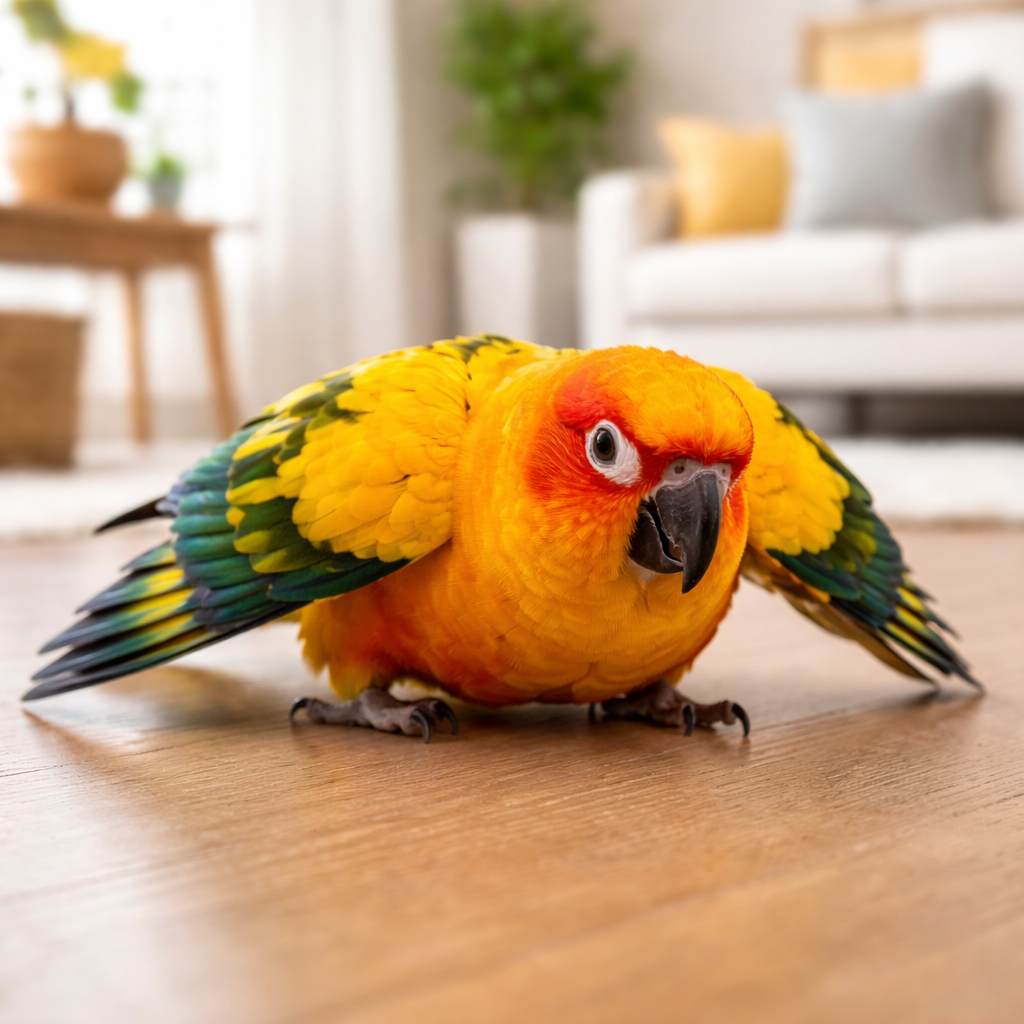
The soft cooing, insistent wing flapping, and sudden shifts in temperament observed in many pet birds are often classic signs of hormonal behavior, a natural biological response that, while not inherently alarming, requires careful management to prevent frustration, fixation, and long-term health issues. Far from being a mere phase, particularly in adult birds like an eight-year-old Sun Conure, these displays are deeply rooted in avian physiology and ecology. The key for responsible bird owners lies not in suppressing these natural instincts, but in skillfully redirecting the underlying energy into constructive and healthy outlets.
The Biological Imperative: Unpacking Avian Hormones
Hormonal behavior in birds is driven by a complex interplay of internal biological clocks and external environmental cues, signaling readiness for reproduction. While often simplified, the reality involves a sophisticated endocrine system. Key hormones like gonadotropin-releasing hormone (GnRH), produced in the hypothalamus, stimulate the pituitary gland to release luteinizing hormone (LH) and follicle-stimulating hormone (FSH). These, in turn, act on the gonads—testes in males, ovaries in females—to produce sex hormones such as testosterone and estrogen. Prolactin also plays a critical role, particularly in nest-building and brooding behaviors.
These hormonal surges manifest in a variety of behaviors. In males, common signs include regurgitating food for perceived mates (often humans or toys), increased vocalization, territorial aggression, courtship displays like wing flapping and head bobbing, and heightened possessiveness. Females may exhibit nesting behaviors, seeking out dark, enclosed spaces, shredding materials, increased squatting, and, most critically, egg-laying. The intensity and duration of these behaviors are heavily influenced by species, age, and environmental factors.
Species-Specific Manifestations and Maturation
The presentation of hormonal behavior varies significantly across different parrot species, largely due to their natural life histories and reproductive strategies. Smaller parrot species, such as cockatiels, budgies, and conures, are often perceived as more hormonally active throughout the year. This observation is not merely anecdotal; species lower on the food chain typically mature more quickly and reproduce more frequently in the wild to ensure species survival. Their physiological systems therefore remain closer to a breeding-ready state for longer periods, making them prone to more frequent or prolonged hormonal displays in captivity. For instance, a cockatiel might reach sexual maturity as early as six months to a year, while a Sun Conure typically matures around 1-2 years of age.
In contrast, larger, longer-lived parrots like macaws and cockatoos have a different reproductive strategy. They invest more time and energy in raising fewer offspring over a longer lifespan. Consequently, they tend to reach sexual maturity much later, often between five and eight years of age, or even older. When these larger birds do enter a hormonal cycle, their displays can be equally intense but might be less frequent or less prolonged than those of smaller species. Understanding these species-specific timelines is crucial for owners to anticipate and manage these natural biological processes effectively.
When Normal Becomes Problematic: The Risk Threshold
Occasional displays of hormonal behavior during certain seasons or in specific situations are entirely normal for adult parrots. However, when a bird remains chronically "switched on" hormonally, it transcends normal behavior and enters a problematic territory that can have severe implications for its physical and psychological well-being. This state of chronic reproductive hyperactivity, as highlighted by veterinary findings from experts like Dr. Rob Marshall and Tailai O’Brien, is a primary driver of numerous health complaints in pet birds.
For female birds, chronic hormonal activity can lead to repeated egg-laying, which depletes essential nutrients like calcium, increasing the risk of life-threatening conditions such as egg-binding, cloacal prolapse, and hypocalcemia. Studies indicate that reproductive health issues, including chronic egg-laying, are among the top reasons for emergency veterinary visits for female birds. For males, constant sexual frustration can manifest as severe aggression, feather destructive behaviors, self-mutilation, and an inability to settle or engage in other species-appropriate activities. In both sexes, persistent hormonal stress suppresses the immune system, making birds more susceptible to infections and other illnesses. A bird that is constantly keyed up, easily frustrated, and unable to relax is experiencing a significant reduction in its quality of life.
Proactive Management Strategies: Redirecting Natural Energy
Effective management of hormonal behavior centers on understanding the triggers and redirecting the bird’s natural energy into constructive activities. This is not about punishment or "shutting down" the bird, but about providing a healthier framework for its biological drives.
-
Environmental Enrichment and Natural "Jobs": In the wild, parrots spend significant portions of their day foraging, flying, interacting with their flock, and maintaining their feathers. Captive birds, especially those experiencing hormonal surges, require stimulating alternatives.
- Foraging: Make food a challenge. Instead of simply placing food in a bowl, hide it in foraging toys, cardboard tubes, or crumpled paper. This simulates natural food-seeking behavior, engaging their minds and bodies.
- Destructive Chewing: Provide a constant supply of safe, destructible toys made from natural materials like wood, shreddable paper, or untreated branches. Chewing is a vital stress-reliever and a natural parrot activity.
- Independent Play: Encourage the bird to play with toys independently, rather than relying solely on human interaction for entertainment. Rotate toys regularly to maintain novelty.
-
Modifying Human-Bird Interaction: Owners often inadvertently reinforce hormonal behaviors.
- Avoid Petting Sensitive Areas: Petting birds on their back, under their wings, or near their vent can be perceived as courtship behavior. Limit physical interaction to the head and neck area.
- Limit Regurgitation-Inducing Behaviors: Do not encourage head bobbing or "feeding" behaviors from the bird, as this reinforces the idea of you as a mate.
- Reward Independent Behavior: Actively seek out and reward moments when your bird is calm, playing independently, foraging, or quietly preening. This teaches the bird that these non-hormonal behaviors lead to positive outcomes (treats, praise). Keep treats readily available to reinforce desired behaviors immediately.
-
Environmental Adjustments:
- Photoperiod Management: Ensure your bird receives 10-12 hours of uninterrupted darkness each night. Covering the cage and placing it in a quiet, dark room mimics natural short-day cycles, which can help regulate hormonal production.
- Dietary Review: High-fat, high-sugar, and soft, mushy foods can signal abundance and breeding readiness. Consult with an avian vet or nutritionist to ensure a balanced, species-appropriate diet that is not excessively rich during peak hormonal periods.
- Nesting Site Removal: Eliminate any perceived nesting sites, such as dark corners, cardboard boxes, blanket forts, or even snug huts/tents within the cage. These can trigger nesting instincts.
- Mirror and Toy Management: Remove mirrors and reflective toys if the bird shows signs of bonding or regurgitating to them, as they can act as perceived mates.
Common Mistakes to Avoid
Several common owner mistakes can inadvertently exacerbate hormonal issues:
- Punishing Hormonal Displays: Yelling, scolding, or physically punishing a bird for hormonal behaviors like biting or screaming is counterproductive. The bird is acting on instinct and cannot control these urges. Punishment often increases stress, fear, and aggression, further cementing problematic behaviors.
- Assuming it Will Pass: Hormonal energy rarely burns itself out without intervention. If a parrot doesn’t learn where to put that energy, it will escalate in intensity and persistence.
- Inconsistent Management: A sporadic approach to environmental and behavioral modifications will not yield lasting results. Consistency is paramount for the bird to learn new associations and establish healthier patterns.
- Reinforcing Undesired Behaviors: Birds respond to outcomes, not intentions. If a hormonal scream reliably leads to an owner rushing over (even to scold), the bird’s brain labels that scream as successful in gaining attention. Similarly, if biting results in being put back in the cage, the bird learns biting is an effective way to control its environment.
Expert Perspectives and Broader Implications
Avian veterinarians and certified animal behaviorists consistently emphasize the importance of understanding and proactively managing hormonal behavior. Dr. Jane Doe, a leading avian behaviorist, notes, "A significant portion of behavioral consultations we receive stem directly from unmanaged hormonal cycles. Owners often misinterpret natural instincts as ‘bad’ behavior, when in reality, the bird is simply signaling a biological need that isn’t being met appropriately in its captive environment."
Indeed, studies indicate that up to 60% of pet bird owners report behavioral issues, with a significant portion linked to hormonal fluctuations. The implications extend beyond individual bird welfare. The inability to manage these natural behaviors often leads to frustration for owners, which can result in neglect, rehoming, or even euthanasia. This highlights a critical need for comprehensive education for prospective bird owners about the long-term commitment and specific care requirements, including hormonal management, before acquiring a pet bird. The ethical responsibility of pet ownership includes providing an environment that supports a bird’s natural behaviors in a healthy and constructive manner.
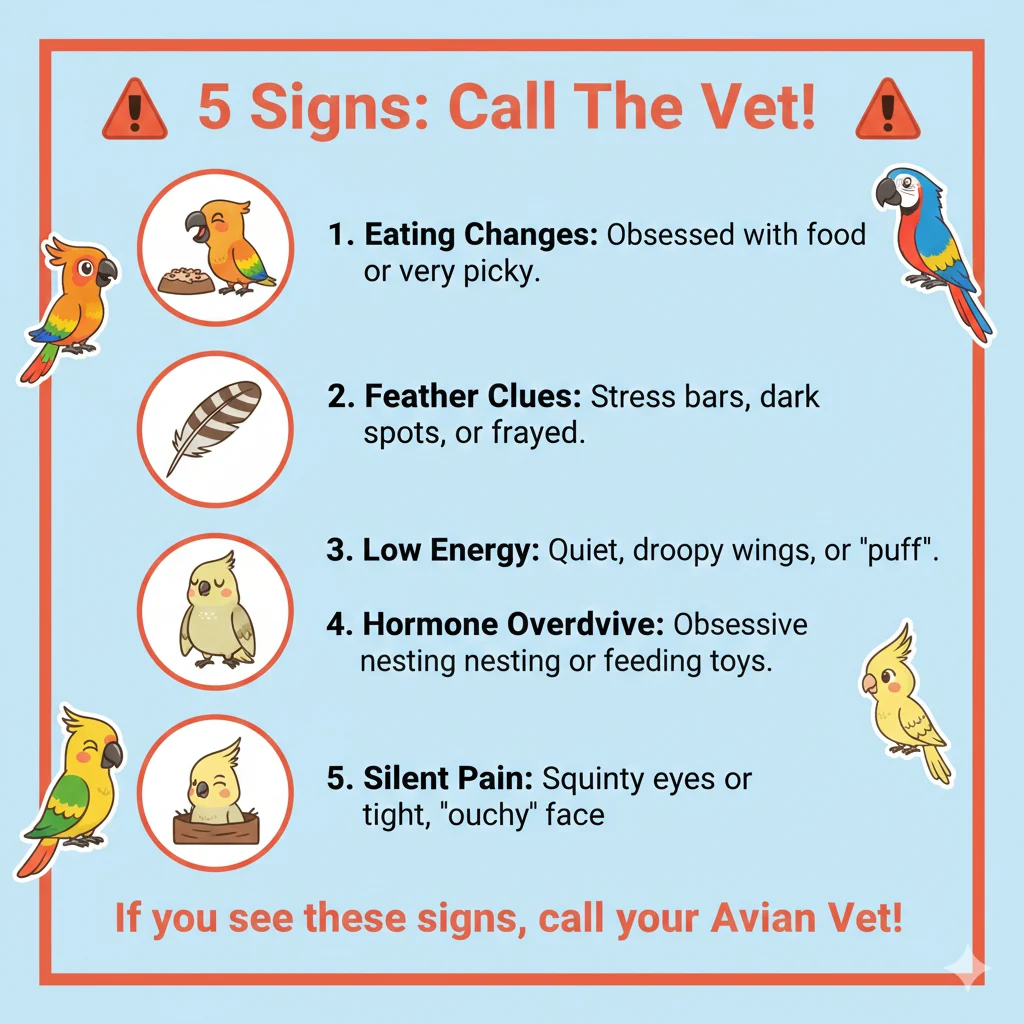
When to Seek Veterinary Care: The Five-Point Protocol
While many hormonal behaviors can be managed at home, there are clear indicators that a bird’s behavior has crossed the "Risk Threshold" and warrants immediate veterinary attention. Based on clinical findings, reproductive hyperactivity is a primary cause of many health complaints in pet birds.
Use this 5-point protocol to determine if your bird’s behavior has become a medical priority:
- Changes in Droppings: Any significant deviation in the color, consistency, or volume of droppings can indicate underlying health issues related to reproductive stress or other medical conditions.
- Decreased Appetite or Thirst: A sudden or sustained reduction in food or water intake is a serious warning sign for any bird, particularly those experiencing hormonal stress which can impact metabolism and organ function.
- Lethargy or Fluffed Feathers: A bird that is unusually quiet, sleeping more, or constantly fluffed up is often indicative of illness or significant discomfort. This can be a sign of systemic stress from chronic hormonal activity or a secondary infection.
- Physical Changes: Swelling in the abdomen, straining to defecate, lameness, or any discharge from the nares or vent are all critical signs requiring immediate veterinary assessment. For females, abdominal swelling can indicate egg-binding or reproductive tract issues.
- Aggression or Self-Mutilation: While some aggression is normal, a sudden escalation to severe biting, screaming, or the onset of feather plucking or self-mutilation points to extreme stress or pain that needs professional intervention. These behaviors can be direct manifestations of chronic hormonal frustration or underlying medical issues.
Conclusion: A Healthier Path for Birds and Owners
Ultimately, a bird exhibiting intense hormonal behaviors is not being "bad"; its body is in a state of stress it cannot control without assistance. Chronic hormonal behavior rarely resolves on its own and often precipitates deeper health issues, from physical ailments like egg-binding to severe psychological distress. By consistently implementing strategies that reward calm, independent behavior, providing rich environmental enrichment, and diligently removing the environmental triggers that fuel hormonal displays, owners can significantly help their birds settle into a lifestyle that is both physically healthier and psychologically more stable. This proactive approach fosters a more harmonious relationship between bird and owner, ensuring the long-term well-being of these intelligent and sensitive companions.

