


For avian enthusiasts and caregivers, ensuring a bird’s optimal health often extends beyond a balanced base diet to include nutritional supplements. A critical decision facing bird owners is determining the most effective method for delivering these supplements: via drinking water or mixed with food. This choice is not trivial; it profoundly impacts the supplement’s efficacy, the consistency of nutrient intake, and ultimately, the bird’s well-being. The answer hinges on the specific type of supplement, its formulation, and the bird’s individual habits, necessitating an informed approach guided by scientific understanding and veterinary advice.
The Foundation of Avian Nutrition: Why Supplements Are Necessary
The global market for pet bird care products, including nutritional supplements, has seen steady growth, reflecting a heightened awareness among owners regarding their birds’ health. Despite advancements in commercial bird diets, replicating the complex and diverse nutrient profiles of a wild bird’s natural diet remains a significant challenge. Captive birds, even with high-quality pelleted diets, can face nutritional deficiencies due to various factors, including species-specific needs, environmental stressors, breeding cycles, illness, or a diet heavily reliant on seeds, which are often high in fat and low in essential vitamins and minerals.
Common deficiencies observed in captive birds include Vitamin A (crucial for immune function, vision, and epithelial tissue health), Vitamin D3 (essential for calcium absorption and bone metabolism), and calcium itself (vital for bone strength, eggshell formation, and muscle function). While a primary focus should always be on feeding a diverse, high-quality base diet, strategic supplementation can bridge nutritional gaps, support immune function, aid recovery from illness, and promote overall vitality and longevity. However, the benefits of supplementation are entirely contingent on the bird actually receiving the intended dose of the supplement.
Understanding Delivery Mechanisms: Water-Based Supplementation
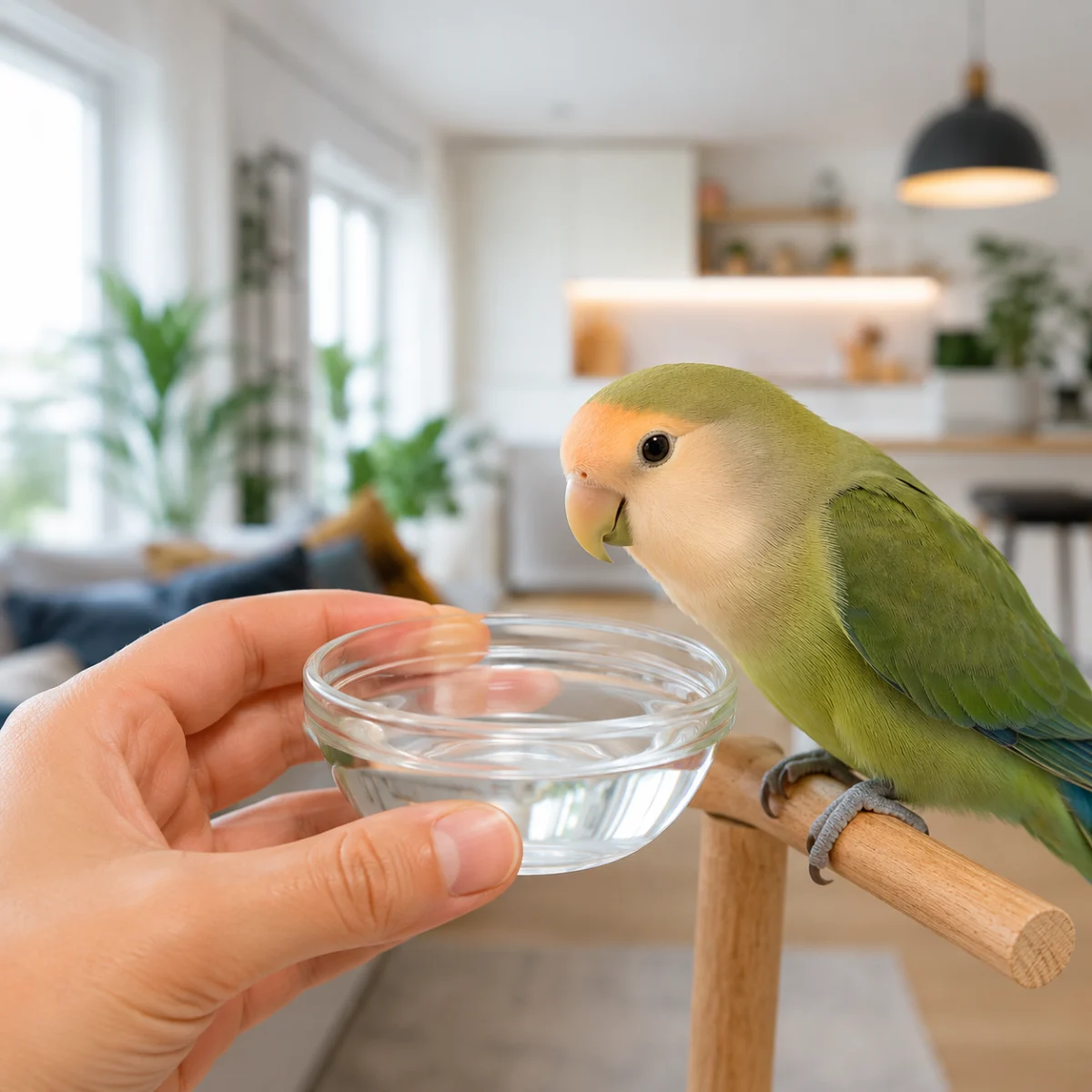
Administering supplements through a bird’s drinking water offers a seemingly convenient and less stressful method for owners. Many products are specifically formulated to be dissolved in water, making them appear ideal for daily nutritional support.
Advantages of Water-Based Supplementation:
- Convenience: It requires minimal direct interaction with the bird, reducing stress for both the bird and owner.
- Continuous Access: Birds can consume the supplement throughout the day as they drink, potentially leading to more consistent, albeit variable, intake.
- Non-Invasive: It avoids altering the bird’s primary food source, which can sometimes lead to refusal if the taste or texture changes.
Considerations for Efficacy and Dose Reliability:
Despite its apparent simplicity, water-based supplementation is subject to several critical variables that can compromise its effectiveness. The primary concern revolves around dose reliability, which refers to the consistency with which a bird consumes the intended amount of a supplement.
- Solubility and Stability: For a water-based supplement to be effective, it must dissolve completely and remain evenly distributed in the water. Powders that clump, settle at the bottom, or form an oily film will lead to uneven nutrient distribution, meaning the bird may not receive a consistent dose with each drink. Furthermore, the stability of certain nutrients in water can be compromised by light, air exposure, or temperature fluctuations. For instance, some vitamins are sensitive to oxidation and can degrade rapidly once mixed into water, especially if left out for extended periods. Reputable manufacturers formulate their water-soluble products to be stable under typical household conditions, but frequent water changes are still crucial.
- Variable Water Intake: Birds do not drink a fixed amount of water daily. Their hydration needs fluctuate significantly based on:
- Diet: Birds consuming moisture-rich foods like fresh fruits, vegetables, or sprouts will naturally drink less than those on a dry pellet or seed-only diet.
- Environmental Temperature and Humidity: Hot, dry weather increases water consumption, while cooler, humid conditions decrease it.
- Activity Level: More active birds or those engaged in breeding will typically drink more.
- Species and Individual Variation: Different bird species have varying metabolic rates and water requirements, and even within the same species, individual birds can have distinct drinking habits.
- Bathing: Some birds may use their water dish for bathing, potentially contaminating the water and making it appear as if they’ve consumed more than they have.
- Palatability and Contamination: The addition of a supplement can alter the taste, smell, or color of the water. Even subtle changes can make a cautious bird refuse to drink, leading to dehydration or insufficient supplement intake. If a bird avoids supplemented water, the entire purpose of the administration is defeated. Moreover, water left out for extended periods can become contaminated with food particles, droppings, or bacteria, especially in warmer environments, potentially leading to health issues. This necessitates frequent changing of supplemented water – at least once daily, and often more frequently.
Avian veterinarians often recommend water-soluble products for general wellness supplements like certain multi-vitamins or electrolytes during times of stress, provided they are formulated for stability and palatability. However, for critical medications or supplements requiring a precise dose (e.g., specific antibiotics, antifungals, or highly potent vitamins), water administration is generally discouraged due to the inherent unreliability of consistent dosing.
Food-Based Supplementation: Precision and Control
Mixing supplements with a bird’s food offers a more controlled method of delivery, especially when precise dosing is a priority. This method is particularly suitable for supplements that are not water-soluble, have strong flavors, or degrade in water.
Advantages of Food-Based Supplementation:
- Dose Control: When mixed thoroughly with a palatable food item that the bird is known to consume entirely, food-based administration allows for a more accurate and consistent dose.
- Suitability for Specific Supplement Types: This method is ideal for:
- Oils and Tinctures: Such as flaxseed oil, red palm oil, or liquid vitamin A/D3 supplements, which are not water-soluble.
- Fat-Soluble Vitamins (A, D, E, K): These are often better absorbed when consumed with food.
- Powders Designed to Coat Food: Many mineral supplements, specific probiotics, or digestive enzymes are formulated to be sprinkled onto or mixed into food.
- Herbal or Seed-Based Items: These typically do not dissolve in water and are best incorporated into a bird’s diet.
- Improved Palatability: Supplements can be mixed into a bird’s favorite "carrier" foods (e.g., fresh chop, cooked grains, mashed sweet potato, soft pellets), potentially masking undesirable tastes or textures.
Challenges and Solutions for Food-Based Supplementation:
- Acceptance and Refusal: Birds can be highly discerning and suspicious of changes to their food. A sudden alteration in taste, smell, or appearance can lead to outright refusal, causing the bird to miss both the supplement and potentially its meal.
- Solution: Introduce supplements gradually. Start with a tiny amount mixed into a small portion of a highly favored food. Slowly increase the supplement’s quantity and the amount of carrier food over several days or weeks. Observing the bird’s reaction is key; if refusal occurs, revert to a smaller amount and try again.
- Uniform Distribution and Complete Consumption: Ensuring the bird consumes the entire supplemented portion of food is crucial for accurate dosing. If the supplement is sprinkled on a large bowl of chop, and the bird only picks at certain pieces, the intended dose will not be received.
- Solution: Mix the supplement thoroughly into a small, measured portion of food that the bird is likely to eat completely. Offering this supplemented portion first, before providing other foods, can help ensure full consumption.
- Stability in Food: Some supplements, particularly probiotics or certain vitamins, can be sensitive to heat, light, or moisture. Mixing them into hot food or leaving them exposed for too long can degrade their efficacy.
- Solution: Follow manufacturer guidelines regarding mixing temperature and timing. For sensitive supplements, mix immediately before feeding and ensure the food is at a suitable temperature.
Direct Administration: When Precision is Paramount
While not the primary focus of daily supplementation, direct oral administration using a syringe or dropper is often the preferred method for critical medications or supplements where an exact, guaranteed dose is non-negotiable. This method, typically performed by an avian veterinarian or under their direct guidance, involves physically administering the liquid directly into the bird’s beak. While more stressful for the bird, it eliminates the variables associated with water or food intake, ensuring 100% dose reliability. This method is generally reserved for short-term treatments or when a bird is critically ill and not eating or drinking normally.
Factors Influencing a Bird’s Daily Intake
Understanding the physiological and environmental factors that govern a bird’s water and food consumption is vital for effective supplement delivery.
- Environmental Conditions: High ambient temperatures and low humidity increase evaporative water loss, prompting higher water intake. Conversely, cooler temperatures reduce the need for hydration.
- Dietary Composition: A diet rich in fresh fruits and vegetables (e.g., leafy greens, cucumber, melon) provides significant moisture, reducing the need for drinking. Dry diets (e.g., seeds, pellets) necessitate greater water consumption.
- Physiological State:
- Activity Level: Highly active birds expend more energy and may have higher metabolic water turnover, leading to increased drinking.
- Reproductive Status: Laying hens require increased calcium and water for egg production.
- Illness: Sick birds may have altered thirst or appetite, complicating supplement delivery.
- Species-Specific Needs: Different species have evolved in diverse environments, leading to varied hydration strategies. For instance, desert-dwelling species may be more efficient at water conservation than those from rainforests.
Navigating Product Labels and Veterinary Guidance
The simplest and most fundamental rule for supplement administration is to always follow the directions on the product label. Manufacturers design their products with specific delivery methods in mind, based on the supplement’s chemical properties, stability, and intended absorption pathway. A product labeled "for drinking water" is formulated to dissolve completely and remain stable in water, whereas a product designed "to be mixed with food" may contain ingredients that are not water-soluble or could degrade rapidly in an aqueous solution.
Beyond label instructions, consulting an avian veterinarian is paramount. An avian vet can:
- Assess your bird’s overall health and identify any existing nutritional deficiencies through diagnostic tests.
- Recommend specific supplements tailored to your bird’s species, age, diet, and health status.
- Advise on the appropriate dosage and delivery method, considering your bird’s individual habits and temperament.
- Educate on potential risks of over-supplementation (e.g., Vitamin D3 toxicity, hypercalcemia) or adverse interactions between different supplements or medications.
The Broader Impact: Health, Welfare, and Economics
The correct administration of supplements has far-reaching implications:
- Improved Health Outcomes: Effective supplementation supports robust immune systems, enhances bone density, improves feather quality, aids in organ function, and can contribute to a longer, healthier life for captive birds. Inadequate or incorrect supplementation can lead to persistent deficiencies or, paradoxically, toxicities.
- Welfare Considerations: A method that minimizes stress for the bird (e.g., easily accepted food-based supplements vs. forced direct administration) contributes significantly to its overall welfare and strengthens the human-animal bond.
- Economic Aspects: Efficient supplement delivery ensures that the product is not wasted due to poor acceptance or degradation. Investing in appropriate delivery methods and veterinary guidance can prevent costly health problems down the line, ultimately saving on future veterinary bills.
Conclusion: A Holistic Approach to Avian Wellness
The decision of whether to add bird supplements to water or food is not a one-size-fits-all answer. It demands a thoughtful, informed approach that considers the specific supplement’s properties, the bird’s unique physiology and behavior, and expert veterinary advice. While water-soluble nutrients can be effectively delivered via drinking water for general wellness, particularly when they dissolve completely and the water is changed regularly, powders, oils, and critical medications often require the more controlled environment of food-based administration or, in specific cases, direct oral dosing.
Ultimately, the key takeaway is to let the supplement’s design dictate the delivery method. Following manufacturer’s instructions, coupled with ongoing consultation with an avian veterinarian, provides the best chance of ensuring your feathered companion receives the intended nutrients safely and effectively, fostering a lifetime of health and vitality. This informed approach forms an integral part of responsible avian care, contributing significantly to the well-being of pet birds in human homes.

