


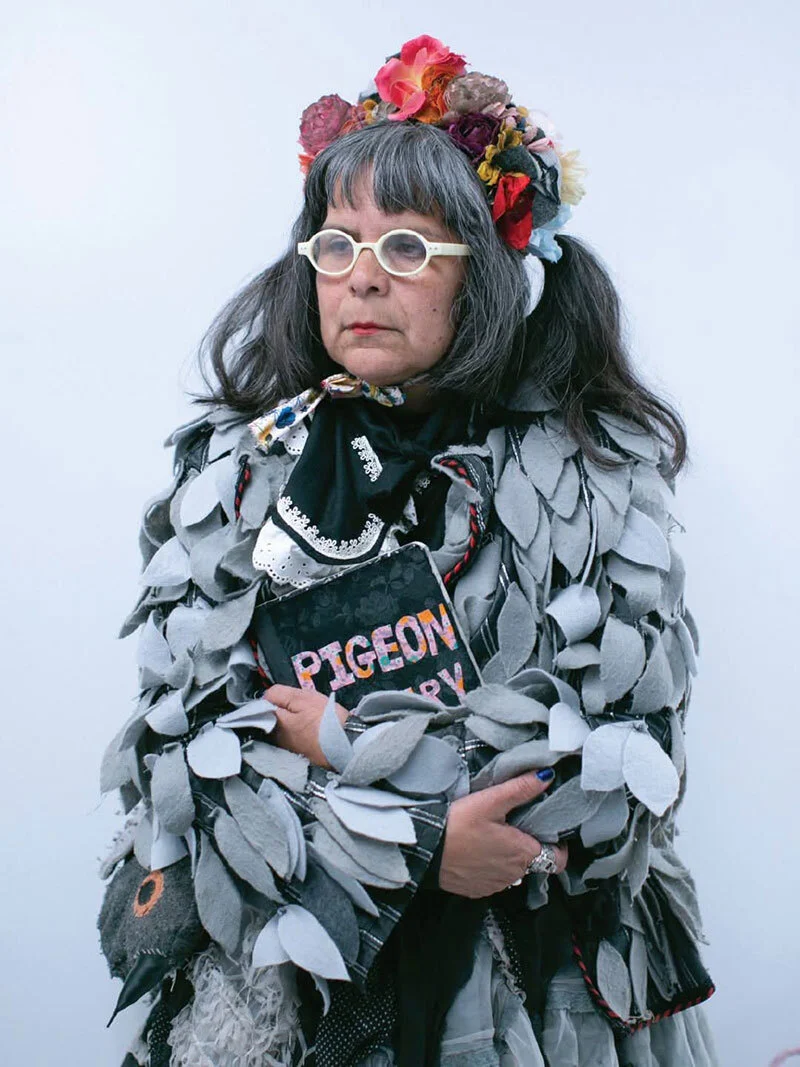
The vibrant and ever-evolving landscape of New York City consistently serves as a crucible for innovative artistic expression and impassioned social advocacy. Amidst this dynamic tapestry, certain personalities emerge, embodying a unique blend of creativity and commitment to causes often overlooked. One such figure is Tina Piña Trachtenburg, widely known by her evocative moniker, "Mother Pigeon," an artist, street performer, and formidable animal rights activist who has channeled her diverse talents into a singular mission: to protect the city’s pigeon population from exploitation and cruelty. Her efforts transcend mere artistic display, evolving into a potent campaign against the capture of urban pigeons for the horrific practice of live pigeon shoots in Pennsylvania, spotlighting a contentious issue at the intersection of animal welfare, urban ecology, and legislative reform.
Trachtenburg’s activism is currently focused on a critical protest against the clandestine capture of New York City pigeons. These birds, often considered ubiquitous urban dwellers, are allegedly being trapped and then illegally shipped to Pennsylvania, where they are used as live targets in organized shooting events. This practice, condemned by animal welfare advocates worldwide, involves the release of live birds from mechanical traps or boxes, only to be shot at by participants. In a direct and determined response, Trachtenburg has offered a $300 reward for photographic and video evidence, coupled with strong identification capabilities, of anyone engaged in capturing pigeons within Maria Hernandez Park, a prominent green space in Brooklyn. This bounty underscores the seriousness of the issue and her resolve to expose and halt these illicit activities.
The Historical and Ethical Context of Live Pigeon Shoots
The practice of live pigeon shooting, while less common than in previous centuries, persists in certain regions, most notably in Pennsylvania, which remains one of the few states where it is still legally permitted. Rooted in historical hunting traditions, these events typically involve releasing domesticated or feral pigeons from spring-loaded traps into the air, providing a moving target for shooters. Proponents often defend the practice as a form of sport, a test of skill, or a continuation of tradition. However, opponents vehemently argue that it constitutes extreme animal cruelty, causing unnecessary suffering and death for entertainment.
Historically, live bird shoots gained popularity in the 19th and early 20th centuries, with various bird species, including pigeons, sparrows, and even captive-bred game birds, being used. As societal views on animal welfare evolved, many states and countries outlawed these events, recognizing the inherent cruelty. Pennsylvania, however, has proven resistant to such legislative changes, despite repeated efforts by animal welfare organizations and concerned citizens. The birds used are often disoriented, frightened, and have little chance of escape, leading to prolonged suffering, including injuries that do not result in immediate death. This ethical dilemma forms the core of Trachtenburg’s advocacy, highlighting a stark contrast between the perceived enjoyment of a few and the undeniable suffering of animals.
Pigeons: Urban Dwellers and Misunderstood Creatures
The common pigeon, Columba livia domestica, also known as the rock dove, holds a complex place in human society. Descended from wild rock doves, these birds have adapted remarkably to urban environments, becoming a ubiquitous sight in cities worldwide. For some, they are pests, carriers of disease, and symbols of urban decay, earning them the pejorative "rats with wings." This perception often fuels indifference or even hostility towards them, making them vulnerable to exploitation.
However, for others, including Trachtenburg, pigeons are intelligent, resilient, and often endearing creatures. They possess remarkable homing abilities, were historically used as messengers, and have played significant roles in human culture, symbolizing peace and love. Their ability to thrive in harsh urban conditions speaks to their adaptability and tenacity. Trachtenburg’s work seeks to reframe public perception, urging New Yorkers and others to see pigeons not as disposable nuisances but as integral, deserving members of the urban ecosystem, worthy of protection and respect. Her choice to embody "Mother Pigeon" is a direct challenge to the negative stereotypes, transforming a maligned bird into a symbol of care and advocacy.
Tina Piña Trachtenburg: The Genesis of Mother Pigeon
Tina Piña Trachtenburg’s journey to becoming "Mother Pigeon" is a testament to the powerful synergy between art and activism. Her artistic background, combined with a deep empathy for animals, has sculpted a persona that is both visually striking and deeply resonant. As a street performer, Trachtenburg leverages the public sphere as her stage, directly engaging passersby and transforming mundane urban spaces into arenas for awareness. Her performances are not merely entertainment; they are living statements, designed to provoke thought, challenge indifference, and inspire action.
The persona of Mother Pigeon is meticulously crafted. It’s a visual spectacle that often involves unique costumes and props, drawing attention to her and her message. This theatrical approach is crucial in a city as saturated with stimuli as New York, allowing her to cut through the noise and capture public imagination. By adopting a maternal, protective figure, she humanizes the plight of pigeons, inviting a level of empathy that might otherwise be absent. This artistic foundation provides a powerful platform for her activism, allowing her to communicate complex ethical issues in an accessible and memorable way. Her work embodies the principle that art can be a powerful catalyst for social change, making the invisible visible and giving a voice to the voiceless.
The Campaign’s Multifaceted Approach: From Reward to Legislation
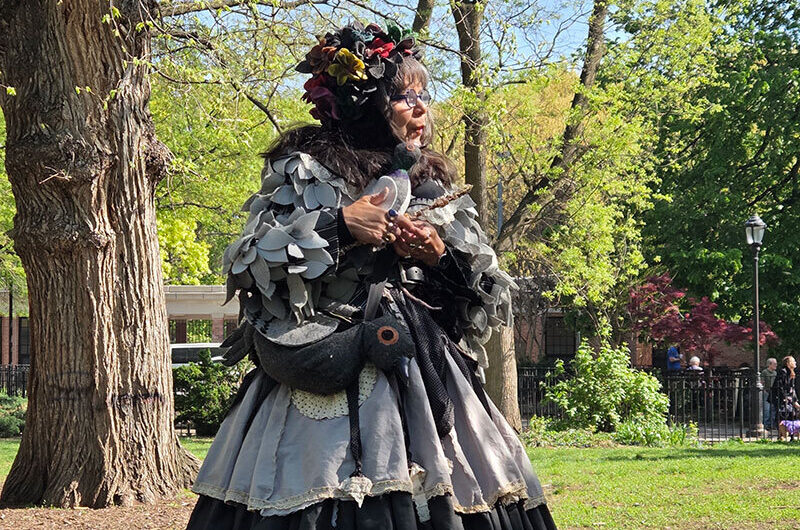
Trachtenburg’s immediate campaign, centered around the $300 reward for evidence of pigeon trapping in Maria Hernandez Park, is a direct, grassroots effort to disrupt the illegal supply chain. Maria Hernandez Park, like many urban parks, is a known habitat for pigeons and a potential target for trappers. The reward incentivizes community vigilance, turning ordinary citizens into potential eyes and ears against cruelty. Capturing pigeons for commercial gain or for use in shoots without proper permits or in violation of animal cruelty laws is illegal. By offering a reward, Trachtenburg aims to gather crucial evidence that could lead to arrests and prosecution, sending a clear message to those engaged in these illicit activities.
Beyond this localized effort, Trachtenburg’s advocacy is bolstered by significant legislative initiatives. The New York City Bar Association’s Animal Law Committee has taken a strong stance against live pigeon shoots. Their support for H.B. 1097 (2025–2026 legislation) in Pennsylvania is a critical component of the broader movement to eradicate this practice. This bill aims to explicitly prohibit the use of live pigeons as targets in trap and block shooting events within the state. The involvement of a respected legal body like the NYC Bar Association lends significant weight to the animal welfare argument, framing the issue not just as an ethical concern but also as a matter of legal and moral imperative. The legislative process is often protracted and challenging, requiring sustained advocacy, public pressure, and compelling legal arguments to overcome entrenched interests and traditional practices. The timeline for H.B. 1097, spanning 2025-2026, indicates the long-term commitment required to effect policy change at the state level.
Broader Legal and Enforcement Challenges
The fight against live pigeon shoots faces several legal and enforcement hurdles. While many states have broad animal cruelty laws, these laws can sometimes have exemptions for "sport" or "hunting," creating loopholes for practices like live pigeon shoots. The specific wording of H.B. 1097 is crucial in closing such loopholes in Pennsylvania. Furthermore, enforcing bans on animal trapping can be difficult, especially in large urban environments. Illegal trapping often occurs discreetly, making it challenging for law enforcement to catch perpetrators in the act. Trachtenburg’s reward initiative directly addresses this enforcement challenge by empowering community members to act as frontline observers.
Official responses to such activism can vary. Law enforcement agencies, while generally committed to upholding laws, may face resource constraints or prioritize other crimes, making the investigation and prosecution of animal cruelty cases challenging. Animal welfare organizations, both local and national, consistently support efforts like Trachtenburg’s, often providing legal aid, public education, and lobbying efforts. They frequently highlight the extensive scientific evidence demonstrating animal sentience and the inherent cruelty of practices that inflict pain and suffering for sport. Conversely, proponents of live pigeon shoots might argue for property rights, the right to hunt, or the economic contributions of such events, presenting counter-arguments that legislative efforts must contend with.
Art as a Vehicle for Change: Mother Pigeon’s Digital Reach
Trachtenburg’s commitment to advocacy extends significantly into the digital realm, utilizing modern media to amplify her message and connect with a wider audience. Her YouTube channel, Mother Pigeon’s Impeckable Musical Puppet Show, is a prime example of her innovative approach. Over the course of a year, she produced ten engaging videos, featuring hand puppets named Frankie the Pigeon and Max the Rat. This creative format allows her to address serious issues in an accessible and often whimsical manner, making the topic of pigeon welfare digestible for various age groups. The use of puppets creates a narrative distance that can be effective in conveying emotional messages without being overly confrontational, drawing viewers in through storytelling and song.
The project also led to the release of nine original songs, available on Bandcamp, alongside a bonus reading of her published book. Music and literature are powerful tools for emotional connection and long-term memory. The songs likely explore themes of animal rights, urban coexistence, and the plight of pigeons, serving as anthems for her cause. Her book further solidifies her narrative, offering a deeper dive into her philosophy and experiences. These artistic outputs not only entertain but also educate, inspire, and foster a sense of community among her supporters.
Her robust presence on social media platforms further underscores her strategic use of digital outreach. With an Instagram account boasting over 38,000 followers and an active Facebook page, Trachtenburg maintains a consistent dialogue with her audience. Instagram, in particular, serves as a dynamic visual diary of her work and advocacy. With over a thousand posts, she meticulously documents her street performances, interactions with the public, updates on her campaigns, and educational content about pigeons. Social media allows for immediate dissemination of information, mobilization of support for specific actions (like reporting pigeon trapping), and the cultivation of a global community dedicated to animal welfare. A short YouTube video where she articulates her motivations provides a personal glimpse into the passion driving Mother Pigeon, humanizing her cause and deepening her connection with her audience.
The Broader Impact and Future Outlook
Tina Piña Trachtenburg’s work as Mother Pigeon represents a significant convergence of art, activism, and community engagement. Her tireless efforts are crucial in raising public awareness about the often-ignored plight of urban pigeons and the barbarity of live pigeon shoots. By injecting creativity and a distinct persona into her advocacy, she transcends traditional activist models, making the cause more relatable and compelling to a broader audience.
The implications of her work extend beyond pigeon welfare. It highlights the broader ethical considerations of human-animal relationships, the responsibilities humans have towards the creatures with whom they share urban spaces, and the power of individual action to drive systemic change. Her campaign serves as a model for other grassroots animal rights initiatives, demonstrating how passion, creativity, and strategic use of media can galvanize support and challenge entrenched cruelties.
Looking ahead, the success of H.B. 1097 in Pennsylvania will be a critical benchmark for the movement. Its passage would not only eliminate live pigeon shoots in that state but also send a powerful message nationwide about evolving animal welfare standards. Regardless of the legislative timeline, Trachtenburg’s ongoing vigilance and artistic endeavors will continue to keep the issue in the public consciousness. Her sustained presence on the streets of New York and across digital platforms ensures that the voices of pigeons, championed by their "Mother," will not be silenced. As long as animals are exploited, artists like Tina Piña Trachtenburg will continue to use their unique talents to advocate for justice, transforming the seemingly mundane into a powerful canvas for compassion and change.

