


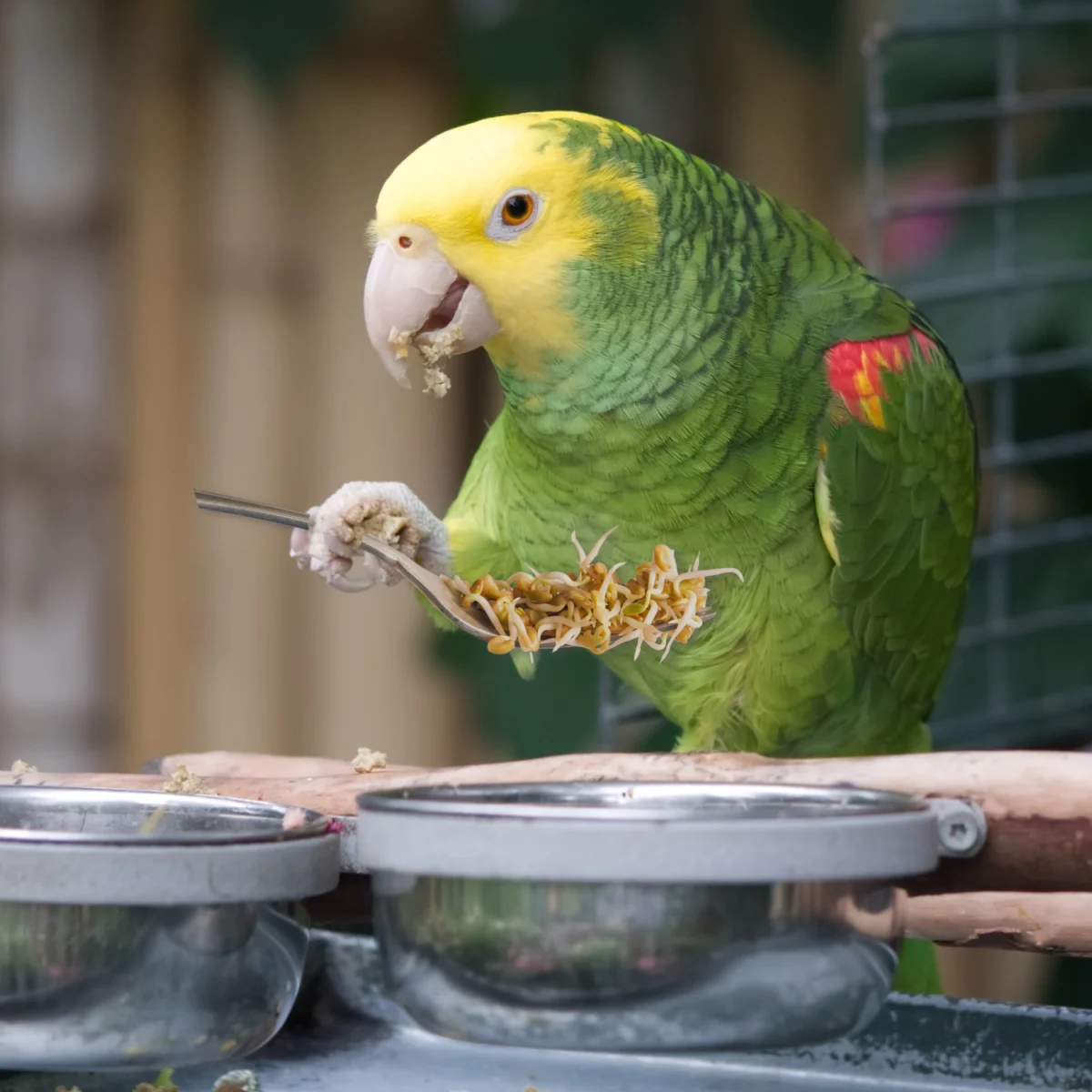
Many companion bird owners frequently encounter digestive irregularities in their feathered companions, ranging from inconsistent droppings to mild digestive upset. While readily available supplements often promise quick fixes, a growing consensus among avian veterinarians and nutritionists points to daily feeding habits and environmental enrichment as the cornerstone of long-term gut health. This comprehensive guide explores natural, diet-centric approaches to foster robust digestive function, addressing common concerns before they escalate into serious health crises requiring immediate veterinary intervention. It targets owners observing symptoms like variable stool consistency, reduced interest in fresh vegetables, or signs of mild digestive discomfort, aiming to empower them with strategies for natural gut health improvement through proactive dietary management.
The Foundational Discrepancy: Wild Diets Versus Captive Realities
The digestive challenges faced by many captive birds often stem from a fundamental divergence between their evolved dietary needs and the typical fare offered in domestic settings. In their natural habitats, parrots and other avian species consume an incredibly diverse array of fresh foods: a dynamic mix of seeds, nuts, fruits, berries, flowers, buds, leaves, insects, and other plant materials, varying significantly with seasons and geographical locations. This diet is inherently rich in moisture, diverse fibers, complex carbohydrates, and a broad spectrum of phytonutrients, all delivered through active foraging behaviors.
In stark contrast, many companion birds are fed diets that, while convenient for owners, are often dry, calorically dense, and nutritionally monotonous. A common scenario involves a diet predominantly composed of dry seeds or pellets, often lacking the vital moisture, varied fibers, and broad plant diversity found in fresh produce. This repetitive, low-diversity feeding pattern, coupled with the inherent stresses of captivity, gradually impacts the delicate balance of the avian digestive tract. This sets the stage for a cascade of health issues, including nutrient malabsorption, dysbiosis (an imbalance in gut flora), and chronic inflammation, long before overt signs of illness become apparent. Avian experts frequently note that "the gut is often the first indicator of systemic health," emphasizing that subtle digestive shifts can signal underlying nutritional deficiencies or environmental stressors that, if unaddressed, can lead to more serious systemic conditions.
Decoding Avian Droppings: What’s Normal and What Demands Attention
A critical skill for any bird owner is the ability to accurately interpret changes in their bird’s droppings, distinguishing between normal variations and those signaling potential health concerns. A healthy bird dropping typically comprises three distinct components:
- Feces: The solid, often coiled or tubular part, varying in color (greens, browns, grays) and consistency depending on diet. For instance, a bird consuming a pellet-based diet might have brownish feces, while one eating a lot of greens could have greenish feces. The feces should be well-formed.
- Urates: The white or cream-colored, pasty substance, representing uric acid excretion, which is the avian equivalent of urine. These should be well-formed and distinct from the liquid component.
- Urine: The clear, liquid component, which can vary in volume.
Normal Variations: It is important to recognize that minor, transient changes can be perfectly normal. Consuming water-rich fruits and vegetables might lead to temporarily more watery droppings. Excitement, mild stress, or a sudden fright can also cause a "stress poop," which is typically larger and more watery than usual but resolves quickly. Dietary pigments from fresh foods like berries or beets can temporarily alter fecal color.
Warning Signs That Deserve Attention: Persistent changes, especially when coupled with alterations in the bird’s behavior, warrant immediate attention. These include:
- Undigested Food: The presence of whole seeds or food particles in droppings is a clear sign of malabsorption, rapid gut transit, or pancreatic issues, requiring prompt veterinary evaluation.
- Bloody Droppings: Any visible fresh blood (bright red) or black, tarry droppings (indicating digested blood from higher in the digestive tract) are serious indicators of internal bleeding and constitute an emergency.
- Excessive Liquid (Polyuria): A persistent increase in the clear urine volume, not directly linked to increased water intake or water-rich foods, can indicate kidney disease, diabetes, or other systemic illnesses.
- Diarrhea: Unformed, watery feces that are not easily distinguishable into the three components. This can signal infection, inflammation, or dietary intolerance.
- Drastic Color Changes: Unexplained shifts in fecal or urate color (e.g., bright yellow, rusty red, or unusually pale urates) that persist beyond a single meal.
- Foul Odor: An unusually strong or offensive odor from droppings can indicate bacterial overgrowth or infection.
- Changes in Dropping Volume or Frequency: Significantly increased or decreased volume, or changes in how often the bird defecates, can be concerning.
"Monitoring droppings daily is one of the most accessible and fundamental forms of health surveillance for avian owners," states Diane Burroughs, LCSW, founder of UnRuffledRx and an expert with over 30 years of hands-on bird experience. "However, the key is to observe these changes in conjunction with the bird’s overall demeanor, appetite, and activity levels. Isolated changes might be benign, but behavioral shifts alongside digestive symptoms are always a red flag that warrants professional veterinary consultation." This holistic approach to observation is crucial for early detection and intervention.
The Indispensable Role of Moisture and Fiber in Avian Gut Health
Beyond mere caloric intake, the biological composition of a bird’s diet—specifically its moisture and fiber content—is paramount for optimal digestive function. Many commercial bird diets, particularly those high in dry seeds or processed pellets, are "biologically dry," a stark contrast to the water-rich diets consumed by wild birds.
Moisture’s Multifaceted Role: Adequate moisture in food is vital. It facilitates the breakdown of food, aids in nutrient absorption across the intestinal lining, and ensures the smooth transit of ingesta through the gastrointestinal tract, preventing impaction. Moreover, sufficient dietary moisture supports kidney function by reducing the strain of processing highly concentrated waste products. Birds on predominantly dry diets often compensate by drinking excessive amounts of water, leading to polyuria (excessive urination) and frequently messy, watery droppings, which can be mistakenly identified as diarrhea. This chronic over-hydration can place undue stress on the kidneys over time, potentially leading to long-term health issues.
Fiber: The Gut’s Essential Architect: Fiber, encompassing both soluble and insoluble types, acts as a critical component for maintaining gastrointestinal health and microbial balance.
- Insoluble Fiber (found abundantly in the cell walls of plants like vegetables, fruits, and whole grains) adds bulk to stool, promoting regular bowel movements and helping to sweep waste products, toxins, and undigested food through the intestines efficiently. This mechanical action is crucial for preventing constipation and maintaining a healthy gut environment.
- Soluble Fiber (found in oats, legumes, some fruits, and vegetables) forms a gel-like substance when mixed with water. This gel slows digestion, which aids in more thorough nutrient absorption and helps regulate blood sugar levels. Crucially, soluble fiber acts as a prebiotic, serving as a fermentable food source for beneficial gut bacteria. This promotes the growth of a healthy, diverse microbiome.
A diet consistently lacking sufficient fiber and moisture can lead to sluggish digestion, chronic constipation, inconsistent stool quality, and an imbalanced gut microbiome (dysbiosis). An article in Frontiers in Veterinary Science on avian nutrition emphasizes, "The avian digestive tract thrives on variety, texture, and moisture. Depriving birds of these fundamental elements compromises their ability to process food efficiently, absorb vital nutrients, and maintain a robust immune system, which is intrinsically linked to gut health."
Natural Dietary Interventions for Optimal Digestive Support
Shifting focus from merely feeding to "nourishing" involves incorporating specific foods known for their digestive benefits. These interventions aim to mimic the diversity and nutritional richness of a wild avian diet, providing a proactive strategy for gut health.
-
Sprouts: Living Nutrition Powerhouses:
- Observable Problem: Bird eats mostly dry food and produces inconsistent or dry droppings, showing little interest in vegetables.
- Why Sprouts Help: Sprouts are one of the most potent natural foods for enhancing bird gut health. The sprouting process transforms dormant seeds into living organisms, significantly increasing their moisture content, enzyme activity, and bioavailability of vitamins (especially B vitamins and Vitamin C) and minerals. This makes nutrients easier to digest and absorb.
- Why This Works: Sprouting breaks down complex starches into simpler sugars and proteins into more readily digestible amino acids, reducing the workload on the bird’s digestive system. The increased moisture content directly contributes to a hydrated digestive tract and promotes smoother, more consistent stool quality. A study cited in the Merck Veterinary Manual (2024) notes the significant nutritional upgrade of sprouted grains compared to their dry counterparts.
- Practical Application: Introducing a variety of sprouting seeds (e.g., mung beans, lentils, quinoa, various birdseed mixes designed for sprouting like "Sprouting Seeds") can dramatically improve dietary diversity and provide a natural form of enrichment as birds enjoy pecking at the fresh, tender shoots.
-
Omega-Rich Seeds: Fueling Gut Lining and Stool Quality:
- Observable Problem: Dry, flaky droppings, low fresh food intake, dull feathers, or a diet heavily reliant on processed foods.
- Why Omega-Rich Foods Help: Beyond being excellent sources of healthy fats, seeds like chia, flax, and hemp hearts are packed with fiber, which is crucial for maintaining the integrity of the gut lining and regulating stool consistency.
- **Why This Works

