


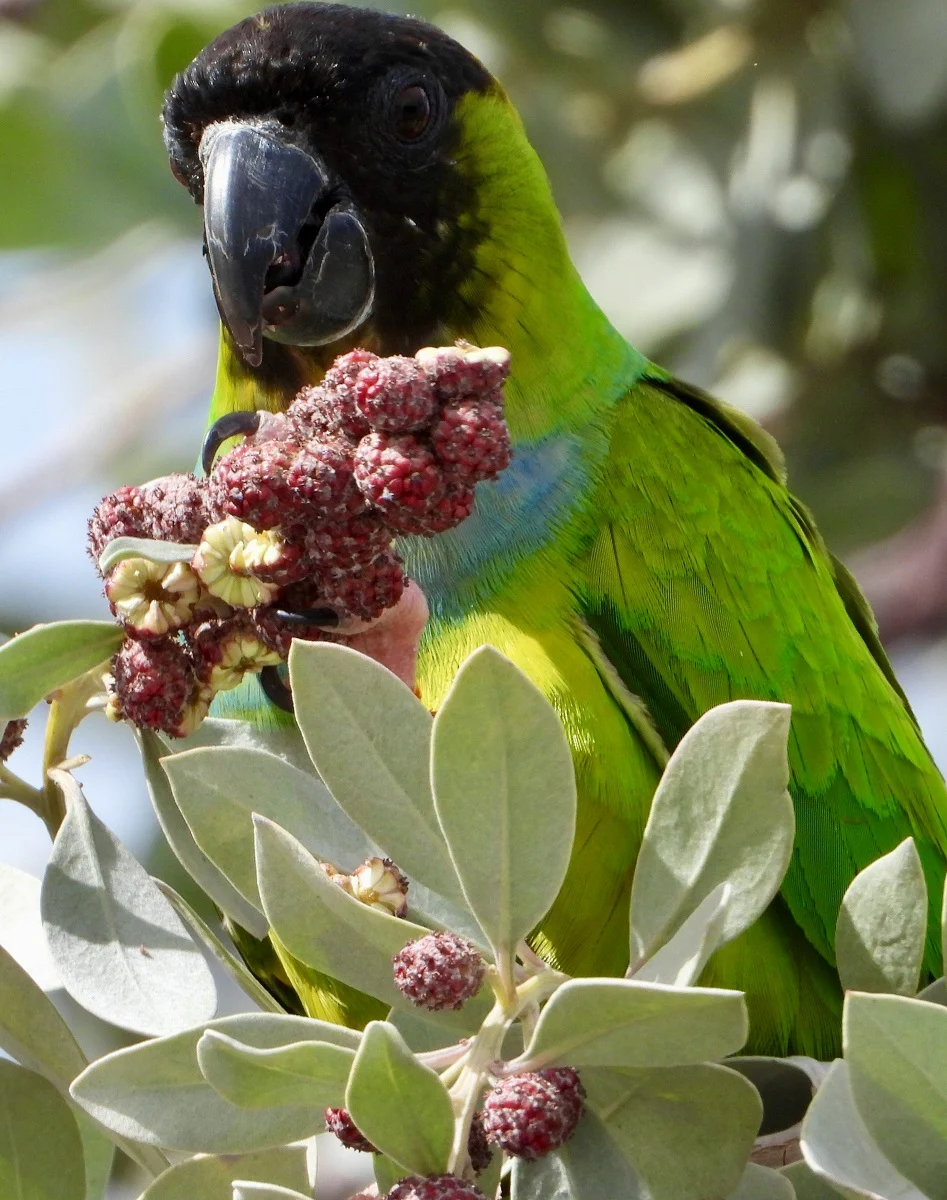
The Nanday Conure, a dazzling avian species originating from the heart of South America, presents a captivating prospect for prospective pet owners. Known for their striking appearance, playful demeanor, and remarkable intelligence, these parrots can forge deep bonds with their human companions. However, their charm comes with a significant caveat: an extraordinarily high noise level that demands careful consideration and a robust tolerance from their caregivers. This detailed guide explores every facet of the Nanday Conure, from its scientific classification and natural history to its specific care requirements in captivity, offering essential insights for anyone contemplating adding this vibrant bird to their family.
Unveiling the Nanday Conure: Scientific Classification and Background
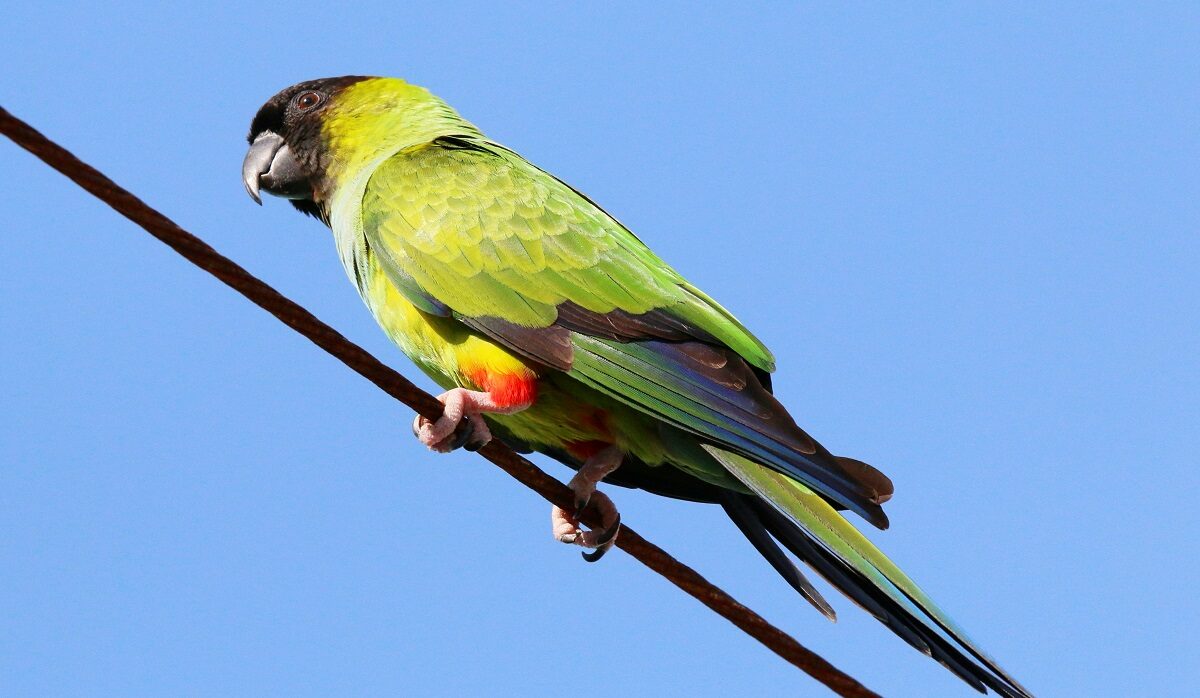
The Nanday Conure, often referred to as the Black-Hooded Conure due to its distinctive head plumage, holds the scientific name Aratinga nenday. This classification, while now widely accepted, has a notable history within avian taxonomy. Historically, the species was placed in its own genus, Nandayus, and recognized as Nandayus nenday. This taxonomic distinction was based on perceived morphological differences that suggested a unique evolutionary lineage separate from other conures. For decades, Nandayus nenday was considered distinct, largely due to its unique black head coloration, which sets it apart from the predominantly green or yellow-headed Aratinga species.
However, a pivotal study published in 2004, led by researchers Ribas and Miyaki, utilized advanced molecular phylogenetic analysis to re-evaluate the evolutionary relationships within the broader conure family. Through genetic sequencing of mitochondrial DNA, they concluded that the Nanday Conure did not warrant its own genus. Instead, their findings demonstrated a closer genetic affinity to species within the Aratinga genus than previously understood, particularly to other popular pet conures like the Sun Conure (Aratinga solstitialis) and the Jenday Conure (Aratinga jandaya). Consequently, it was formally reclassified into the Aratinga genus, a move that brought its scientific name in line with its genetic heritage. This reclassification underscored the dynamic nature of avian taxonomy, where advancements in genetic tools continually refine our understanding of species relationships, providing a clearer picture of the Nanday Conure’s place within the parrot world and its shared characteristics with its Aratinga relatives. This scientific re-evaluation also implies a shared behavioral and ecological foundation with its new genetic kin, guiding more informed care practices in captivity.
A Symphony of Color: Physical Characteristics
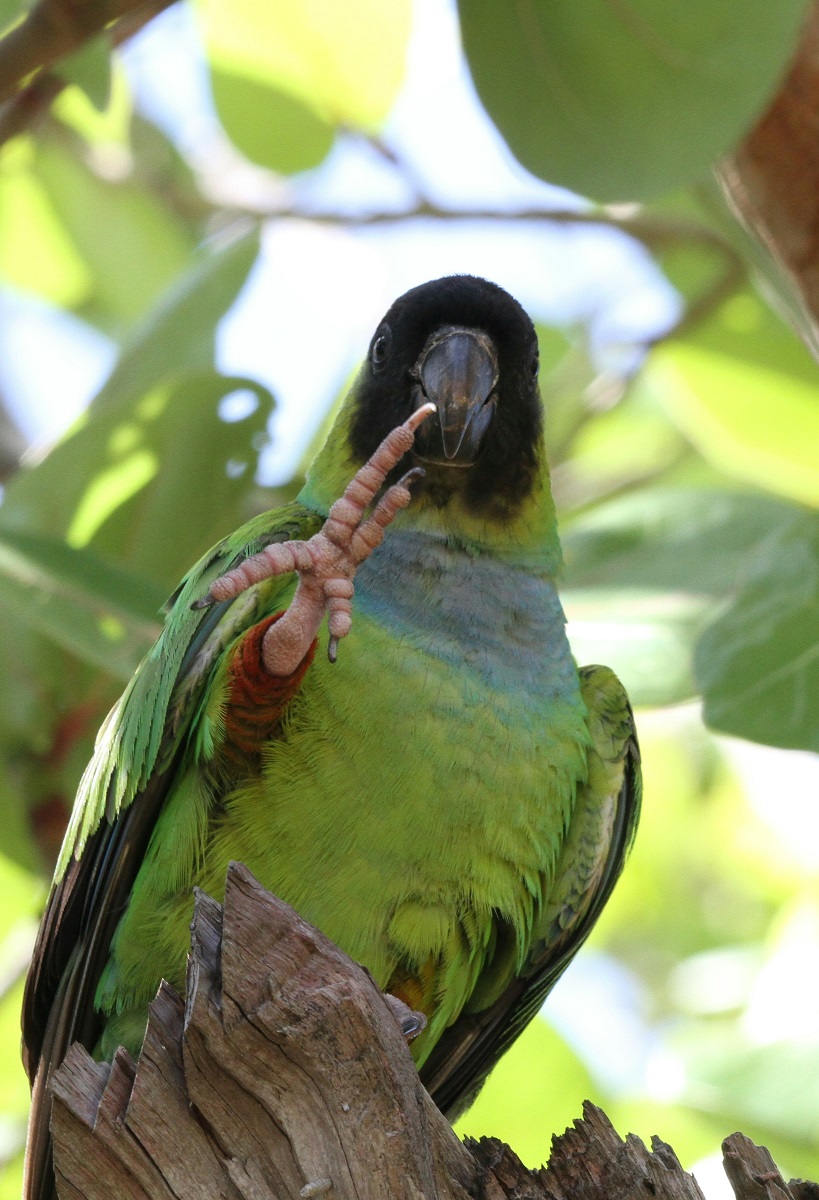
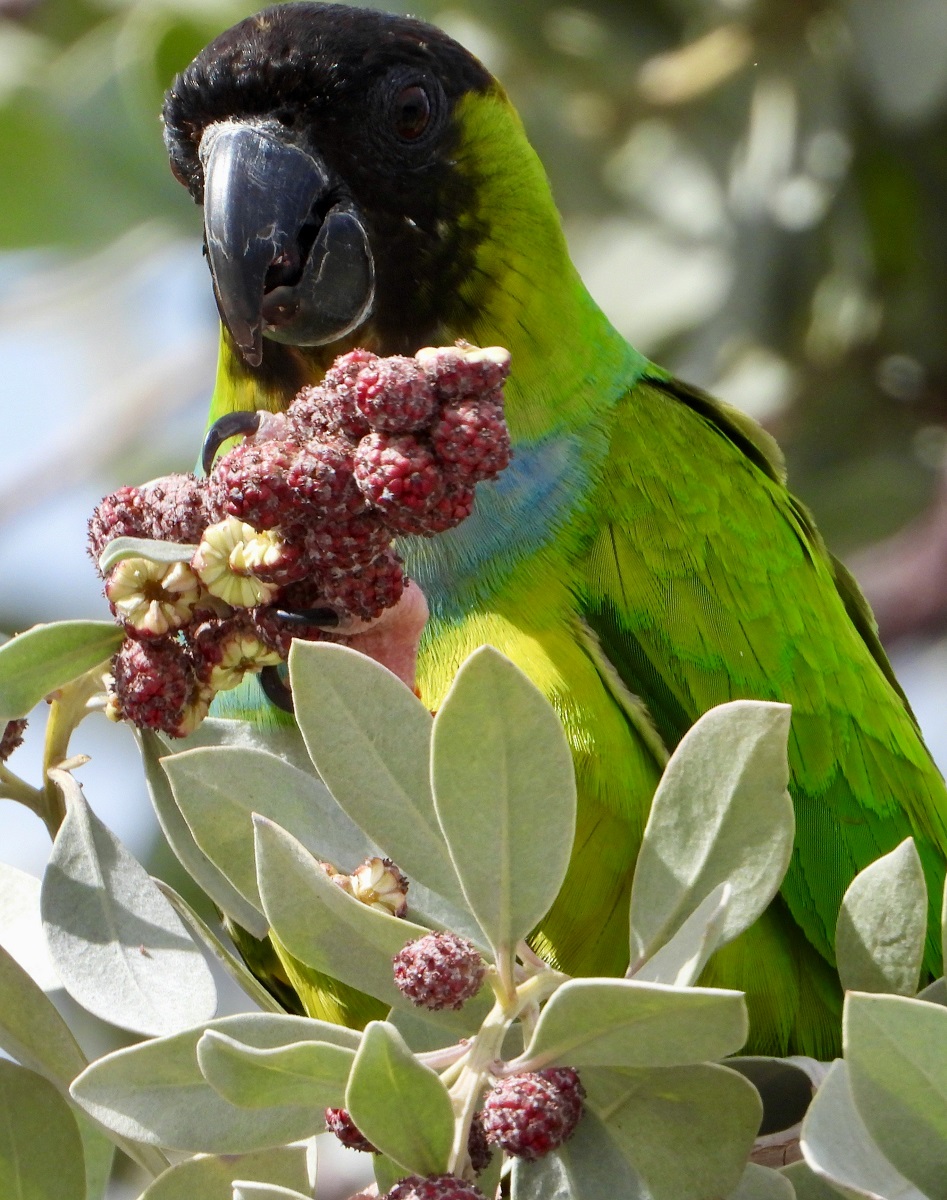
The Nanday Conure is undeniably a visually arresting bird, its common moniker, the Black-Hooded Conure, serving as an immediate descriptor of its most striking feature. Its head is cloaked in a stark, velvety black, creating a dramatic and highly recognizable contrast with its otherwise vivid, almost entirely bright green body plumage. This iconic "hood" often extends to the upper chest and is sometimes subtly framed by a scattering of dark brown feathers, adding depth to its unique appearance.
Considered a small to medium-sized parrot, the Nanday Conure typically reaches lengths of up to 12 inches (approximately 30 centimeters) from the crown of its head to the tip of its tail, with an average adult weight ranging around 140 grams. This makes them larger than many smaller Pyrrhura conures but smaller than the larger macaw species. Beyond its prominent black hood, other notable physical traits contribute to its distinctive profile. It possesses a robust, black beak, perfectly adapted for cracking seeds and fruits found in its natural diet. Distinct white eye rings encircle its dark eyes, enhancing its expressive gaze and giving it a curious, alert appearance. The chest feathers transition from the green body into a captivating blue-green hue, gradually blending into the deeper green of the abdomen. A final flourish of color is provided by its thighs, which are adorned with bright red feathers, a detail that often surprises and delights observers. These vibrant markings, combined with its streamlined body, make the Nanday Conure a standout species, easily distinguishable from its congenerics despite their shared genetic heritage.
Natural Range and Conservation Status
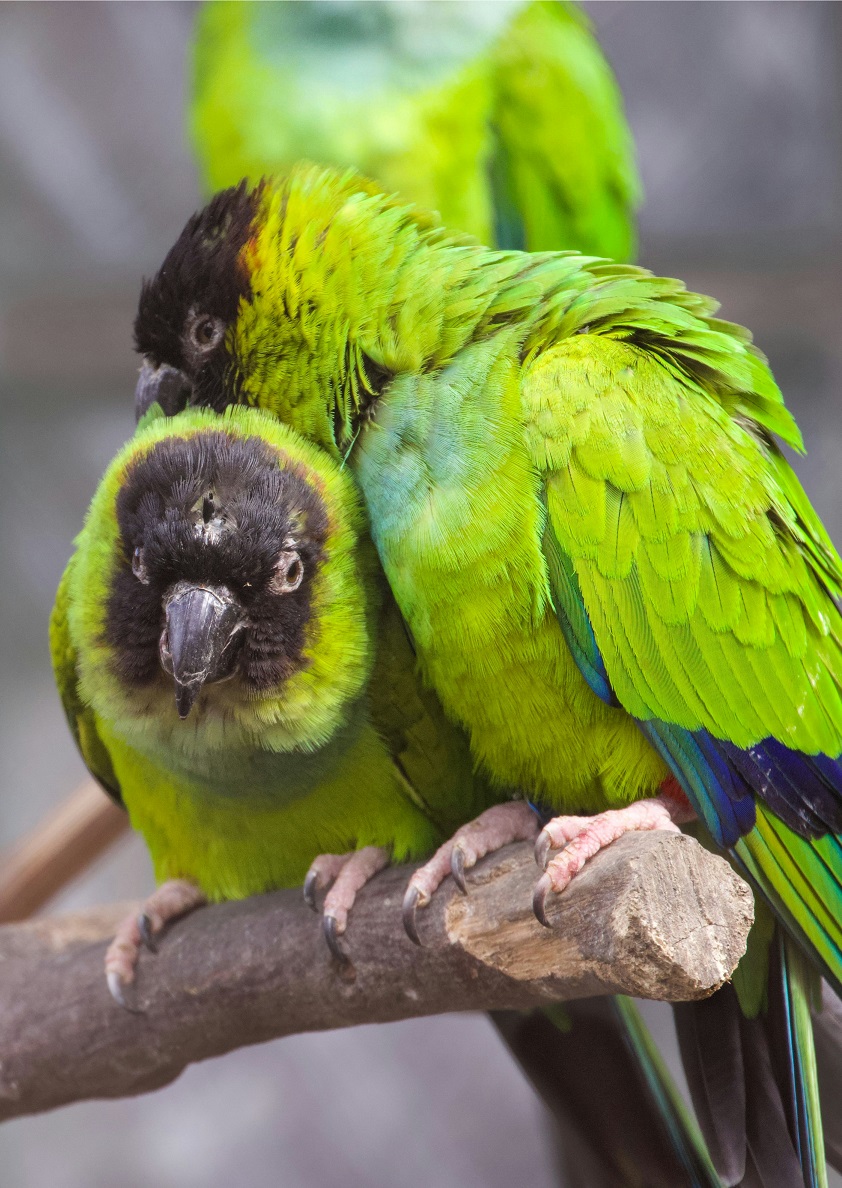
The indigenous range of the Nanday Conure spans a significant portion of central South America, forming a distinct, narrow band across the continent. This natural habitat stretches primarily through the heart of Paraguay, extending northward into southern Brazil and eastern Bolivia, and southward into northern Argentina. Within these territories, the species thrives in open lowlands, typically found at elevations up to approximately 2,600 feet (800 meters) above sea level.
Their preferred environments are often characterized by landscapes that have undergone transformation, particularly former forests that have been converted into cattle pastures or other agricultural lands. This indicates a notable degree of adaptability to human-altered landscapes, a trait not universally shared by all parrot species. These open areas are frequently dotted with various palm species, such as Copernicia palms, which Nanday Conures utilize extensively for nesting, roosting, and foraging. The habitat can range from seasonally swampy wetlands, rich in aquatic vegetation, to considerably drier regions, showcasing the species’ resilience across diverse environmental conditions and its ability to exploit a variety of ecological niches. Their communal roosting and nesting behaviors are particularly evident in areas with dense palm groves, offering both shelter and security.
From a conservation standpoint, the Nanday Conure is currently listed as a species of "Least Concern" by the International Union for Conservation of Nature (IUCN) Red List. This favorable status is particularly noteworthy because the wild population size appears to be stable, and in some regions, even increasing. This paradoxical growth, despite ongoing habitat modification, is largely attributed to human activities. The conversion of vast tracts of forest into agricultural lands and cattle ranches, while often detrimental to many specialized species, has inadvertently created new, suitable open lowland habitats for the Nanday Conure. These altered landscapes, characterized by scattered palm trees and abundant new food sources from cultivated crops, have provided ample foraging opportunities and nesting sites, allowing the species to expand its range and population. This highlights the complex interplay between human development and wildlife populations, where some adaptable species can unexpectedly benefit from anthropogenic changes, though the long-term ecological consequences for the broader ecosystem still warrant careful monitoring.
The Double-Edged Sword: Nandays as Invasive Species
While flourishing in their native range, the remarkable adaptability of Nanday Conures has also led to a significant ecological challenge: their establishment as an invasive species in various non-native regions globally. Like many other parrot species, Nanday Conures released or escaped from captivity have demonstrated an impressive ability to survive, reproduce, and establish thriving feral populations in environments far removed from their South American origins. This phenomenon is particularly prevalent in urban and suburban areas with suitable climates, abundant food sources (often from cultivated plants or bird feeders), and sufficient nesting sites (such as tree cavities or artificial structures).
The mechanisms behind their establishment typically involve initial escapes from pet collections, followed by the formation of small, breeding flocks. Their intelligence

