


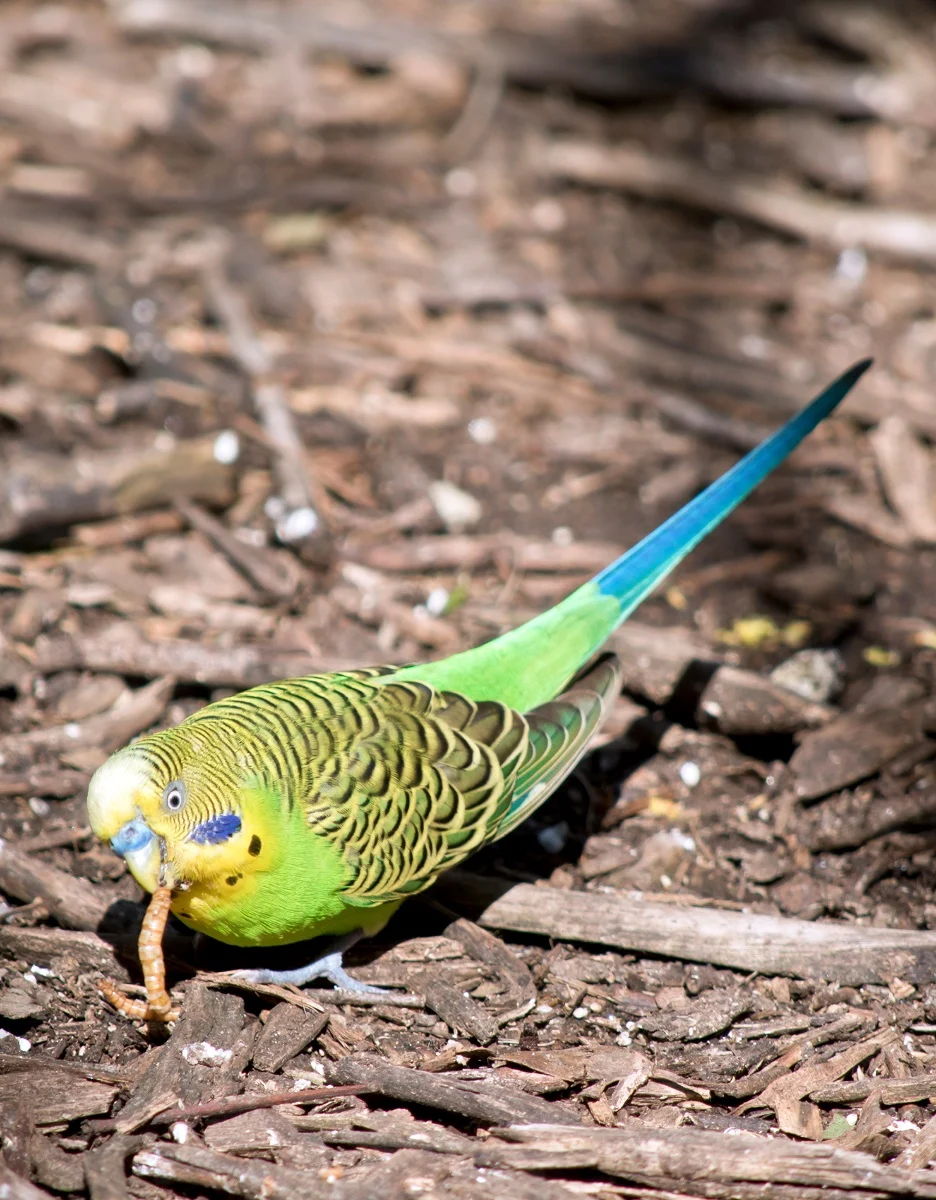
Budgerigar parakeets, commonly known as budgies, possess a remarkably adaptable digestive system, allowing them to consume a diverse array of foods. Establishing and maintaining a varied and nutritionally balanced diet is paramount to their overall health and longevity. However, discerning which common household items are beneficial and which pose significant risks can be a complex challenge for pet owners. This comprehensive guide aims to clarify these distinctions, offering detailed insights into 19 safe human foods that can enrich a budgie’s diet and identifying 9 crucial items that must be strictly avoided.
Understanding the Budgie’s Nutritional Needs: A Foundation for Health
The dietary requirements of a domesticated budgie are deeply rooted in the natural feeding habits of its wild Australian ancestors. Wild budgies primarily subsist on grass seeds, supplemented by native plants and occasional insects, providing a spectrum of proteins, fats, carbohydrates, vitamins, and minerals. Historically, captive budgies were often fed an exclusive diet of commercial seed mixes, which, while convenient, frequently led to nutritional deficiencies such as hypovitaminosis A, calcium imbalance, and obesity. Modern avian veterinary science strongly advocates for a balanced approach, recommending a high-quality pelleted diet as a staple, augmented by fresh vegetables, small amounts of fruit, and carefully selected human-grade seeds, nuts, and grains. This dietary evolution reflects a growing understanding that variety is not merely a luxury but a fundamental component of avian welfare, preventing common health issues such as obesity, liver disease, and vitamin deficiencies. Owners seeking to diversify their budgie’s diet will find many suitable options readily available in their own kitchens, offering both nutritional benefits and valuable enrichment opportunities.
Safe Household Foods: Expanding Your Budgie’s Palate
Many everyday human foods, when prepared correctly and offered in moderation, can serve as excellent supplements to a budgie’s primary diet. The key principle for selection is to prioritize natural, single-ingredient items free from added salts, sugars, fats, and preservatives. Processed foods, typically high in these undesirable components, should be universally avoided. Avian veterinarians consistently highlight the importance of understanding the nutritional profile of any supplemental food item.
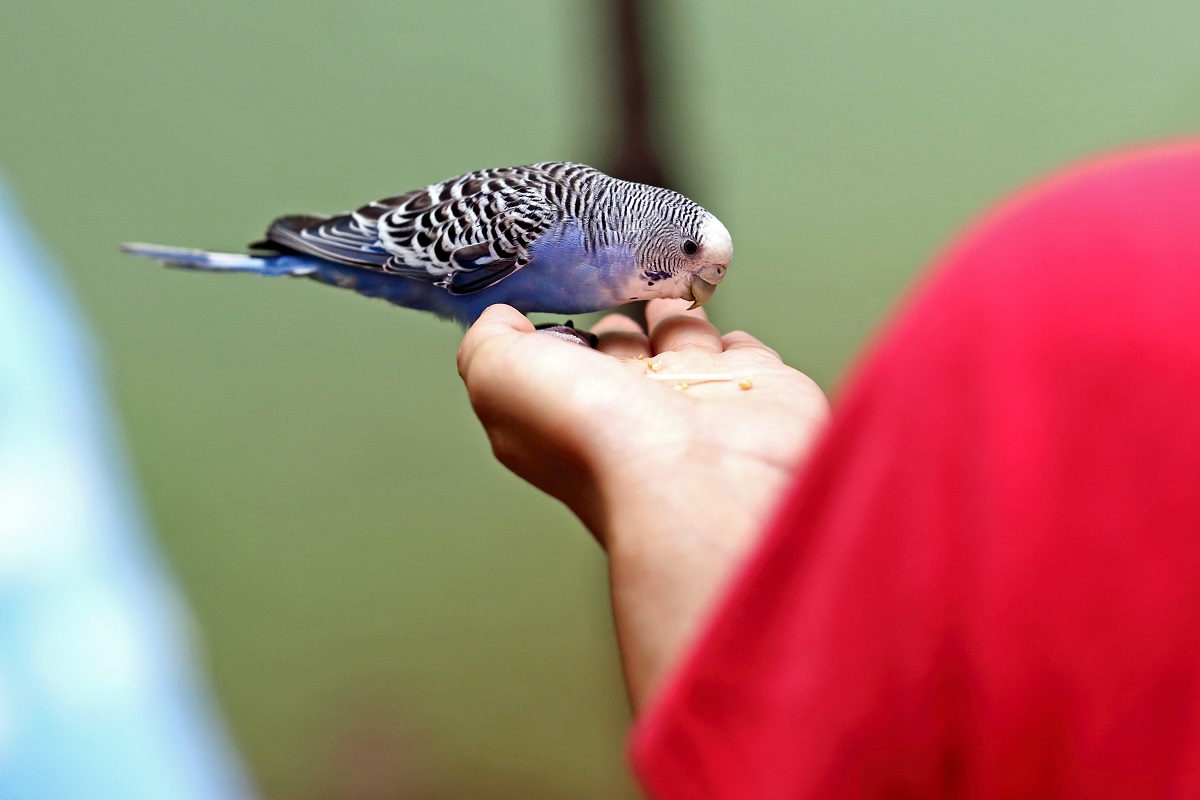
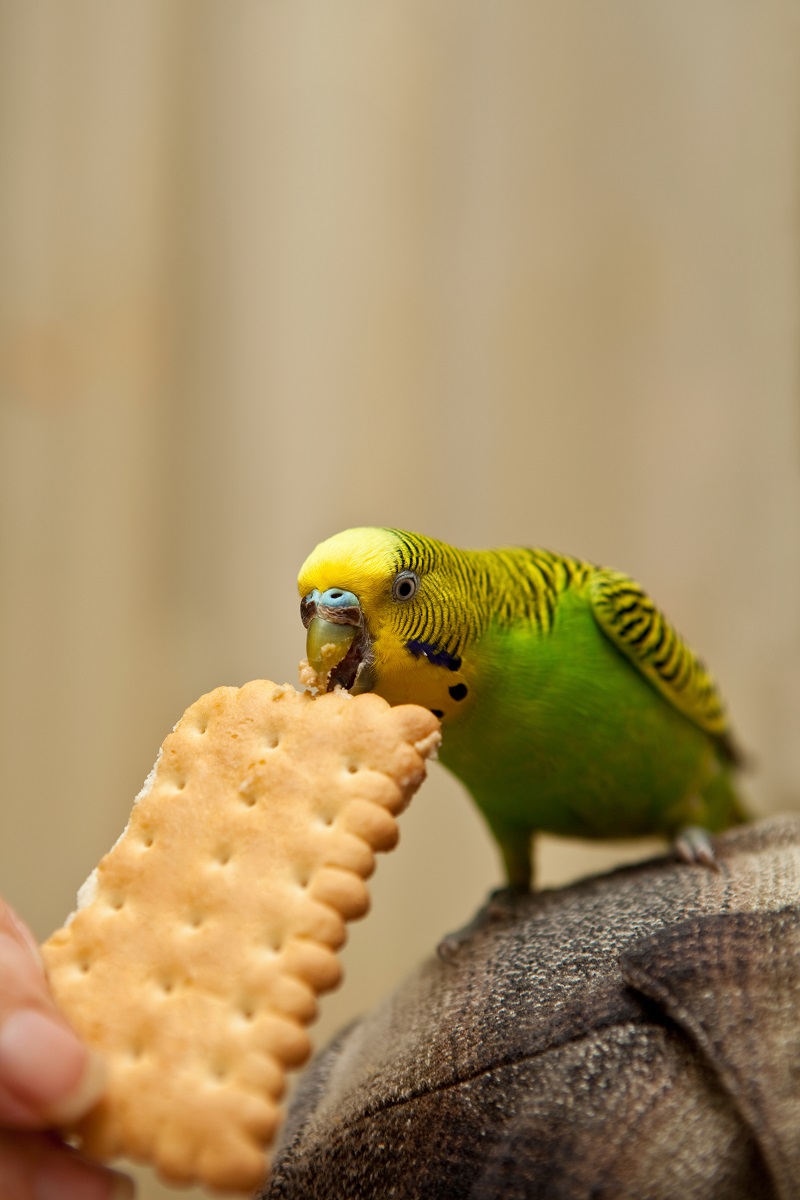
1. Bread (Whole-Wheat, Unsweetened): While not a nutritional powerhouse, small, infrequent pieces of plain, whole-wheat bread can be offered. It provides some carbohydrates and fiber. Crucially, it must be unsweetened, unflavored, and contain no added salt. White bread or sugary varieties like brioche are unsuitable due to their low nutritional value and high sugar content. Any seeds on top, such as sesame or poppy, can be shared if unsalted. Bread should always be offered in very small quantities to avoid digestive upset.
2. Sunflower Seeds (Unsalted, Hulled): A favorite treat for many budgies, sunflower seeds are rich in healthy fats, particularly polyunsaturated fatty acids, and vitamin E, an important antioxidant. However, their high fat content necessitates strict moderation. They should be offered as an occasional treat or training reward, never as a daily staple. Only unsalted, raw, or lightly roasted seeds should be provided, as excessive sodium is detrimental to avian health and can lead to kidney issues. Commercial seed mixes often contain too many sunflower seeds, contributing to an unbalanced diet if fed exclusively.
3. Natural Peanut Butter (Unsalted, Sugar-Free): Pure peanut butter, made solely from ground peanuts without added sugar, salt, or hydrogenated oils, can be given in tiny amounts. It’s a dense source of protein and healthy fats. Its sticky texture makes it an excellent tool for encouraging birds to interact with new toys or foods, as they are often drawn to its palatability. Due to its caloric density, it should be a rare indulgence, applied as a minuscule smear rather than a dollop. Owners must ensure the absence of xylitol, an artificial sweetener highly toxic to pets. Aflatoxins, a concern with poorly stored peanuts, are mitigated by choosing high-quality, human-grade products.
4. Boiled Eggs (Plain): Cooked eggs are a highly beneficial source of complete protein, essential amino acids, and calcium, particularly valuable for breeding budgies, those recovering from illness, or young birds. Both the yolk and the white can be offered. Eggs should be thoroughly boiled and served plain, without any oil, salt, or spices. Scrambled eggs are also acceptable if prepared without these additives. This nutrient-rich food supports muscle development, bone health, and overall vitality.
5. Chia Seeds: These tiny seeds are packed with Omega-3 fatty acids, fiber, antioxidants, and various minerals like calcium, phosphorus, and magnesium. While not native to Australia, they are a safe and nutritious supplement. They can be sprinkled dry (approximately 1/4 teaspoon) into a budgie’s food bowl or offered as a water-soaked "pudding." Their nutritional profile contributes to healthy feathering, digestive regularity, and general well-being.
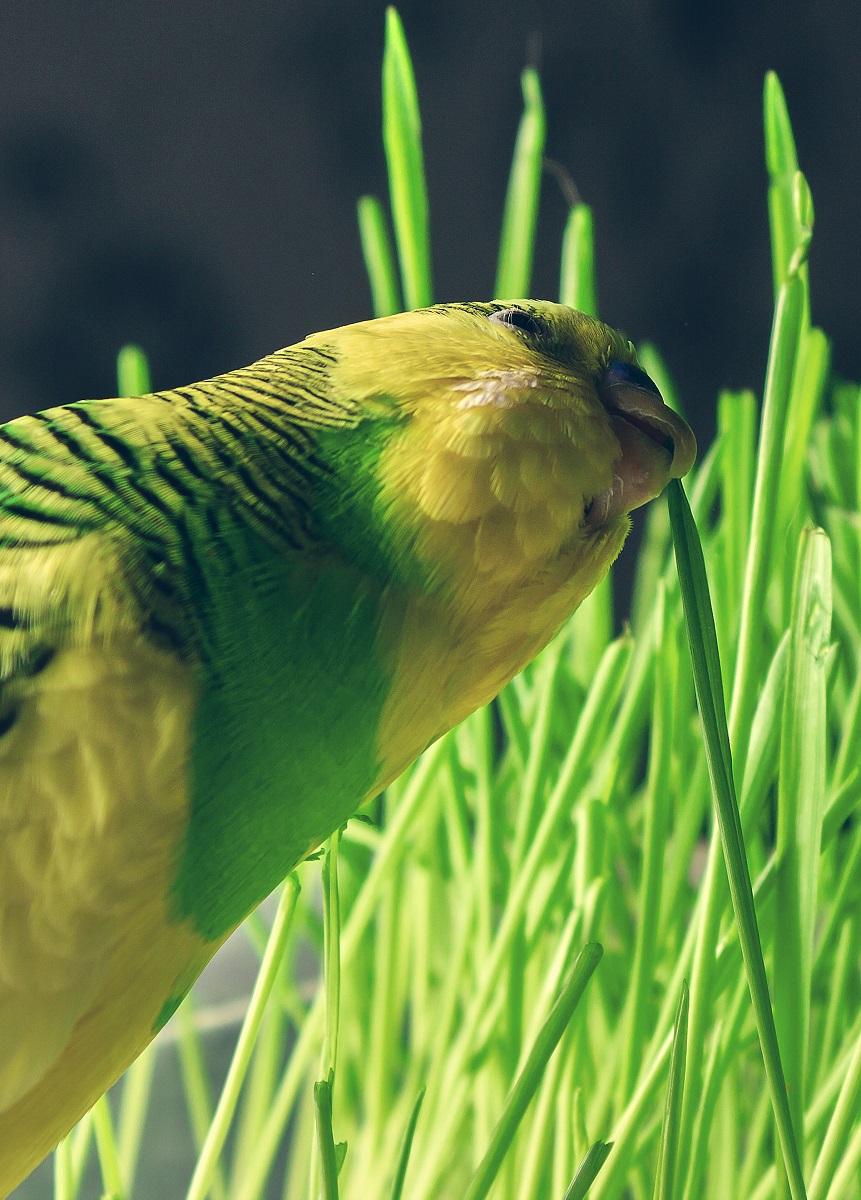
6. Wheatgrass (Sprouted): Wheatgrass offers a vibrant source of vitamins (A, C, E, K, B-complex), minerals, and chlorophyll. Sprouting wheatgrass provides valuable enrichment, allowing budgies to engage in natural foraging behaviors as they demolish the nutritious greenery. It’s crucial to sprout wheatgrass through a mesh or on a substrate that prevents the bird from ingesting soil, which can harbor harmful bacteria, molds, or unhealthy additives. This mimics the natural grazing behaviors of wild parrots.
7. Cashews (Unsalted, Raw or Roasted): Like other nuts, cashews are a source of healthy monounsaturated fats, protein, and minerals such as magnesium and zinc. Only unsalted, plain cashews should be offered. Due to their high fat content, cashews should be given sparingly – a small piece, perhaps a quarter of a nut, crushed into smaller, manageable bits, makes an adequate treat. Overconsumption can lead to obesity and other health complications.
8. Cheerios (Plain, Unsweetened): Among commercial cereals, plain Cheerios are relatively benign due to their primary ingredients of whole-grain oats and corn starch. However, they do contain minimal amounts of sugar and salt. Therefore, they should only be offered as a very occasional, small treat (e.g., half a loop). Sugary, flavored, or heavily processed cereals are entirely unsuitable. The whole-grain fiber content is a minor benefit.
9. Pumpkin Seeds (Unsalted, Hulled or Shelled): Similar to sunflower seeds, pumpkin seeds are rich in healthy fats, protein, and minerals like zinc, magnesium, and iron. They are larger, so half a seed at a time is appropriate. While some budgies can hull them, owners may need to assist by cracking them open. As with all seeds high in fat, moderation is critical to prevent excessive caloric intake and potential liver issues.
10. Almonds (Unsalted, Raw or Roasted): Almonds provide healthy fats, fiber, and vitamin E. As with other nuts, they must be unsalted, unflavored, and offered in very small quantities (a quarter of an almond, finely chopped). Raw almonds can also be sprouted, which enhances their nutritional value and digestibility, making them an even healthier option for feathered companions. They offer a good source of magnesium and riboflavin.
11. Cooked Chicken (Plain, Unseasoned): While not a primary dietary component, plain, cooked chicken breast or thigh can provide a valuable protein boost, especially for laying hens, young birds, or those needing extra nutrients for recovery. It should be completely unseasoned, without salt, oils, spices, or sauces. Offering small, shredded pieces a few times a week can be beneficial in specific circumstances, mimicking the occasional insect consumption of wild parrots.
12. Dried Fruit (Unsweetened, Preservative-Free): The suitability of dried fruit hinges entirely on its processing. Only unsweetened, preservative-free dried fruits (e.g., those without sulfites) are acceptable. Even then, dried fruit concentrates natural sugars significantly, making it calorically dense, so it must be offered in very small quantities and infrequently. Fresh fruit is generally preferred due to its higher water content and less concentrated sugar. Dehydrating fruits at home allows for better control over ingredients.
13. Hemp Seeds: A common inclusion in quality bird seed mixes, hemp seeds are an excellent source of Omega-3 and Omega-6 fatty acids in an ideal ratio, as well as complete protein and various minerals like iron and zinc. Human-grade hemp seeds are devoid of psychoactive compounds and offer substantial nutritional benefits for budgies, contributing to feather health, immune function, and overall vitality.
14. Pasta (Plain, Cooked or Dry): Plain pasta, made from flour, eggs, and water, can be offered to budgies. Boiled, unsalted pasta (one or two pieces) provides complex carbohydrates for energy. Dry pasta also serves as a safe and engaging chew toy, promoting natural foraging and shredding behaviors. Whole-wheat pasta or alternatives made from lentils, corn, or peas are also suitable and often offer enhanced nutritional profiles.
15. Pine Nuts (Unsalted): Pine nuts are small, soft, and rich in healthy fats, proteins, and essential minerals such as magnesium and iron. Following the rules for other nuts, they should be offered unsalted and in very small quantities. Their texture and size make them an appealing treat for budgies.
16. Peanuts (Unsalted, Human-Grade): While previously a subject of concern due to potential for aspergillosis (a fungal disease from mold spores in poorly stored peanuts), high-quality, human-grade, unsalted peanuts are considered safe in small amounts. Owners should ensure peanuts are fresh and properly stored. Offering shelled peanuts with a small opening encourages natural foraging and problem-solving behaviors, providing mental enrichment.
17. Popcorn (Plain, Air-Popped): Plain, air-popped popcorn, without any butter, salt, or sugar, is a safe and enjoyable treat for budgies. The light, crunchy texture is often appealing to them. Popcorn can also be incorporated into homemade edible bird toys, providing both nutrition and entertainment. It offers whole-grain carbohydrates and fiber.
18. Quinoa (Cooked or Uncooked): Quinoa, a pseudocereal from the Amaranth family, is highly nutritious. It’s considered a complete protein, containing all nine essential amino acids, and is rich in fiber, iron, magnesium, and B vitamins. Both cooked (plain, unsalted) and uncooked quinoa seeds are suitable for budgies, offering a valuable addition to their grain intake. White, red, and black varieties are all acceptable.
19. Rolled Oats (Plain, Uncooked or Soaked): Rolled oats (and steel-cut oats) are an excellent source of complex carbohydrates, fiber, and B vitamins. They can be offered dry in the food bowl or soaked in plain water. While oatmeal made with unsweetened nut milk is technically safe, its sticky nature can make it difficult for birds to clean from their beaks, potentially leading to hygiene issues. Plain oats are a simple and nutritious daily addition.
Emergency Feeding and Dietary Balance:
In situations where regular budgie food runs out, a temporary diet composed of suitable vegetables (like leafy greens, carrots), a small amount of fruit, and grains such as oats, quinoa, pasta, and rice can sustain your bird. Supplementing with hemp and chia seeds, along with a tiny amount of chopped plain nuts, ensures

