


Published On: May 25, 2026
Last updated on: May 25, 2026
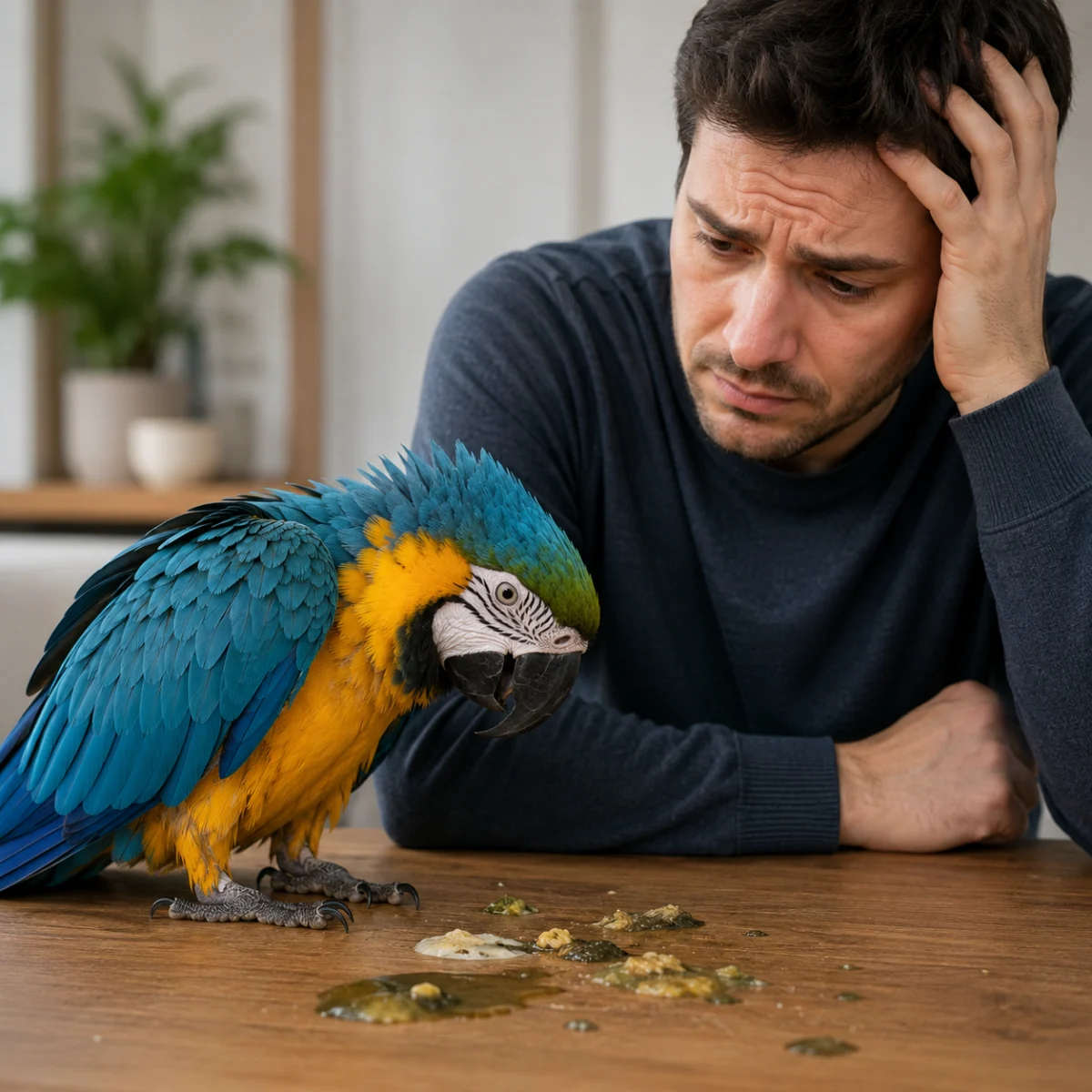
The health of a pet bird is often subtly communicated through its daily droppings. Unlike mammals, avian excretions combine feces, urine, and urates, offering a complex snapshot of internal well-being. Sudden changes in the appearance, consistency, color, or smell of these droppings, or the presence of undigested food, can be critical indicators of underlying health issues. While some alterations may stem from benign dietary shifts or temporary stress, others signal urgent veterinary attention. This article aims to provide bird owners with a detailed understanding of avian digestive health, enabling informed decision-making regarding their feathered companions’ care.
Understanding the Avian Digestive System and Normal Droppings
A bird’s digestive system is a marvel of efficiency, designed for rapid nutrient absorption and waste elimination to maintain flight-ready weight. Food travels from the crop, through the proventriculus (true stomach), ventriculus (gizzard), and intestines before waste is expelled via the cloaca. Normal droppings typically consist of three distinct components:
- Feces: The solid, usually coiled or cylindrical part, varying in color (green, brown, black) depending on diet, and generally firm but not hard.
- Urates: The white or cream-colored, pasty substance, representing solid uric acid, the avian equivalent of urine.
- Urine: The clear, liquid component, often surrounding the other two.
Deviations from this typical presentation warrant close observation. According to data compiled by various avian veterinary practices, digestive complaints constitute a significant percentage, often upwards of 20-30%, of all presented cases, underscoring the importance of early detection and intervention.
Distinguishing Watery Droppings: Diarrhea Versus Polyuria
One of the most common concerns for bird owners is the sudden appearance of watery droppings. It is crucial to differentiate between true diarrhea and polyuria, which is an increase in the liquid (urine) portion of the droppings.
-
Polyuria (Excessive Urine): This condition manifests as an increased amount of clear liquid surrounding otherwise normal feces and urates. It can be caused by:
- Dietary Factors: High intake of fruits, watery vegetables (like lettuce or cucumber), or fresh greens can naturally increase fluid excretion.
- Increased Water Intake: Birds may drink more due to heat, excitement, or mild stress.
- Stress: Environmental changes, new cage mates, or even perceived threats can temporarily increase a bird’s water consumption and subsequent urination.
- Certain Medications: Some veterinary-prescribed drugs can have a diuretic effect.
- Less Concerning: If the bird’s appetite, energy levels, and posture remain normal, and the fecal component is well-formed, polyuria is often a less urgent concern, though persistent polyuria without a clear dietary cause should be monitored.
-
True Diarrhea: This involves an abnormal fecal component – loose, unformed, mushy, or completely liquid, often mixed with urates and urine. Unlike polyuria, the integrity of the fecal matter is compromised. True diarrhea is always a cause for concern as it indicates a problem within the gastrointestinal tract.
- Causes: Infections (bacterial, viral, fungal, parasitic), inflammatory bowel disease, toxins, or systemic illnesses affecting gut motility and absorption.
- Urgency: If accompanied by lethargy, reduced appetite, weight loss, or changes in behavior, diarrhea necessitates immediate avian veterinary assessment.
The Critical Alarm: Undigested Food in Droppings
The presence of recognizable seed, pellet fragments, or other undigested food particles in a bird’s droppings is a significant red flag that should never be ignored. The avian digestive process, involving the crop, proventriculus, and ventriculus, is designed to thoroughly break down food. When this process fails, it signals serious underlying pathology.
-
Why It Matters: Undigested food indicates a breakdown in the digestive chain. Potential causes include:
- Proventricular Dilatation Disease (PDD): A severe and often fatal viral disease (Avian Bornavirus) that attacks nerve ganglia in the digestive tract, impairing motility and digestion. Birds with PDD may eat voraciously but still lose weight.
- Gizzard Impairment: Problems with the ventriculus (gizzard), such as foreign body obstruction, infection, or inflammation, can hinder the mechanical grinding of food.
- Malabsorption Syndromes: Conditions where the intestines cannot properly absorb nutrients, leading to food passing through undigested.
- Severe Parasitic or Bacterial Infections: These can inflame the gut lining, disrupting normal digestion and absorption.
- Pancreatic Issues: Although less common, pancreatic insufficiency can lead to poor digestion of fats and other nutrients.
-
Associated Symptoms: When undigested food is observed alongside weight loss (despite eating), vomiting, weakness, fluffed posture, or neurological changes, it constitutes an avian emergency. Prompt diagnostic testing by an experienced avian veterinarian is crucial to identify the cause and initiate appropriate treatment.
Decoding Dropping Colors: A Visual Diagnostic Tool
The color of a bird’s droppings can offer valuable clues, though it must always be interpreted in conjunction with other observations, such as consistency, odor, and the bird’s overall demeanor.
| What You See | Possible Meaning | What to Do
| Green after greens | Dietary pigment change | Monitor; if the bird remains otherwise normal, no immediate concern. SAYING THAT IF YOUR BIRD IS IN THIS CATEGORY, YOU NEED AN AVIAN VET. THIS IS NOT A HOME TROUBLESHOOTING SITUATION.
- Prompt Veterinary Care Required: If a bird exhibits these signs, immediate consultation with an avian or exotics veterinarian is non-negotiable. These symptoms suggest systemic illness, severe infection, or organ failure that can rapidly become life-threatening without professional intervention.
Immediate Actions for Concerned Owners: Observation and Data Collection
While awaiting veterinary care, particularly for non-critical but concerning symptoms, owners can gather valuable information to aid diagnosis. Diane Burroughs, LCSW, an expert in avian behavior and care, emphasizes the goal of gathering useful information without delaying critical care.
-
Observe and Document:
- Dropping Photos: Take clear, well-lit photos of fresh droppings, noting the time and date.
- Dietary Log: Record all foods eaten in the last 24-48 hours, including treats and any new introductions.
- Behavioral Changes: Note changes in appetite, water intake, activity level, vocalization, sleep patterns, posture, and interactions.
- Environment: Check cage cleanliness, presence of new toys, household chemical use, or any potential access to toxins.
- Water Intake: Monitor how much water the bird is drinking.
- Weight: If possible, weigh the bird daily at the same time using a gram scale. Significant weight loss is a serious indicator.
-
Environmental Adjustments (Temporary):
- **Cleanliness

