


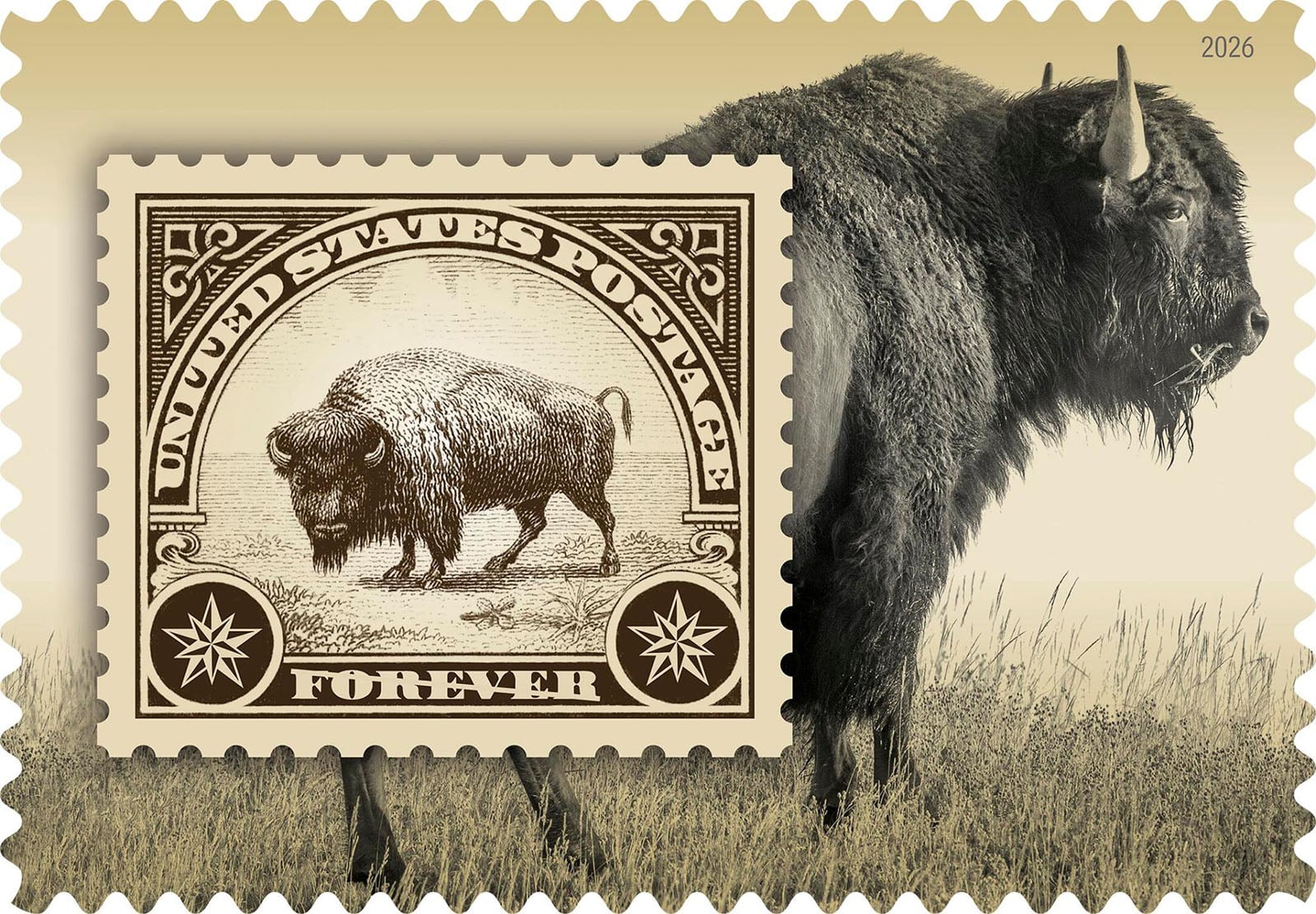
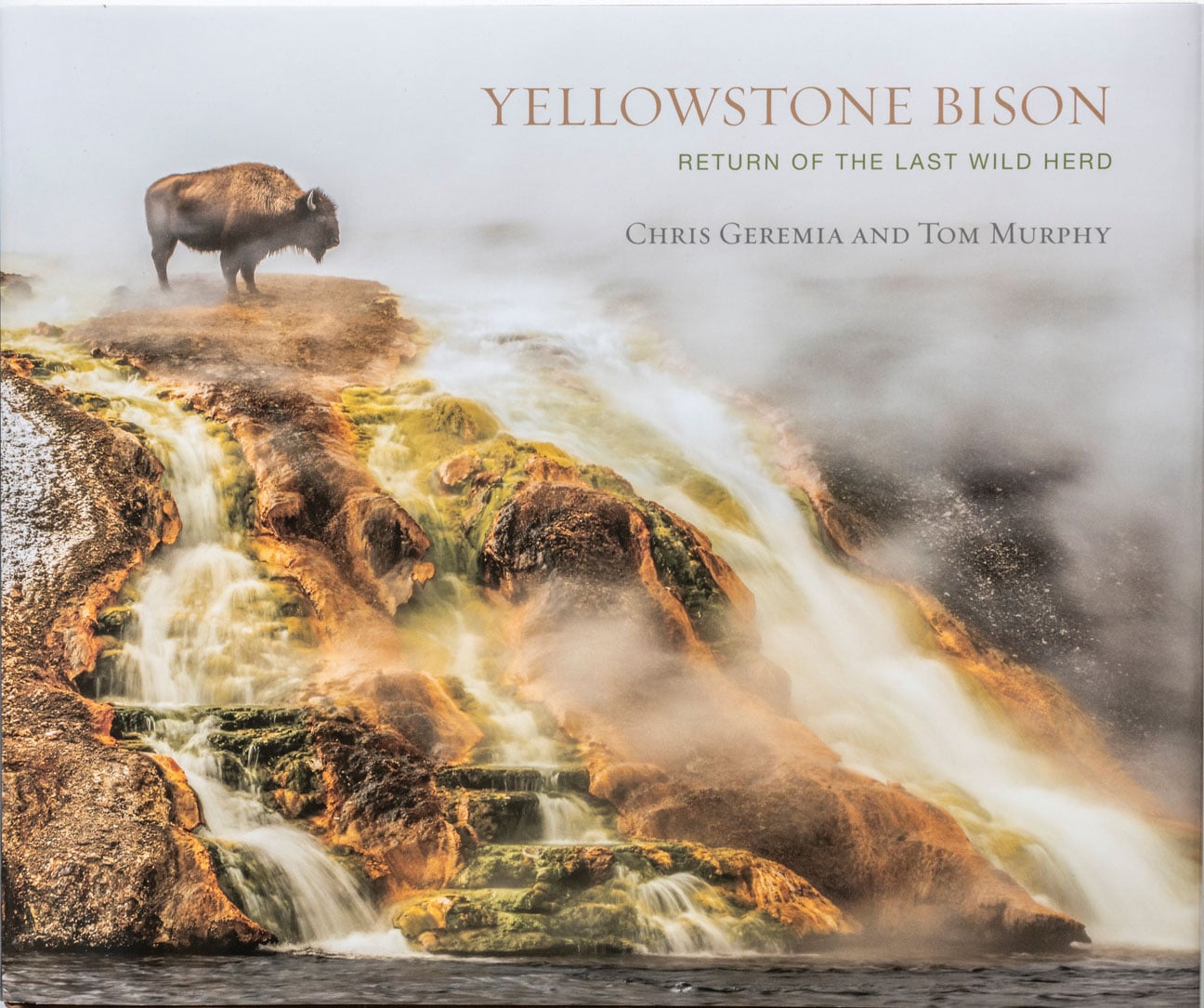
Tom Murphy, a distinguished fine art wildlife and landscape photographer who has spent more than five decades documenting the rugged beauty of the American West, has released a comprehensive new volume titled Yellowstone Bison: Return of the Last Wild Herd. This publication, produced in collaboration with the conservation organization Yellowstone Forever, serves as both a visual masterclass and a scientific testament to the survival of one of North America’s most iconic species. The release of the book coincides with a period of significant national recognition for Murphy, whose work has also been selected by the United States Postal Service for a 2026 Forever stamp, further cementing his status as a preeminent chronicler of the Yellowstone ecosystem.
Murphy’s career is defined by a deep, localized expertise that is increasingly rare in the era of globalized travel photography. While he has led expeditions to the polar regions and the African savanna, his life’s work is inextricably linked to the 2.2 million acres of Yellowstone National Park. Since making the park his primary subject in the 1970s, Murphy has accumulated a vast archive of imagery that captures the seasonal shifts and biological dramas of the high plateau. His latest project, co-authored with National Park Service biologist Chris Geremia, bridges the gap between aesthetic appreciation and ecological understanding, providing readers with an intimate look at the only bison population in the United States to have lived continuously in the wild since prehistoric times.
A Chronology of Survival: From the Brink to Recovery
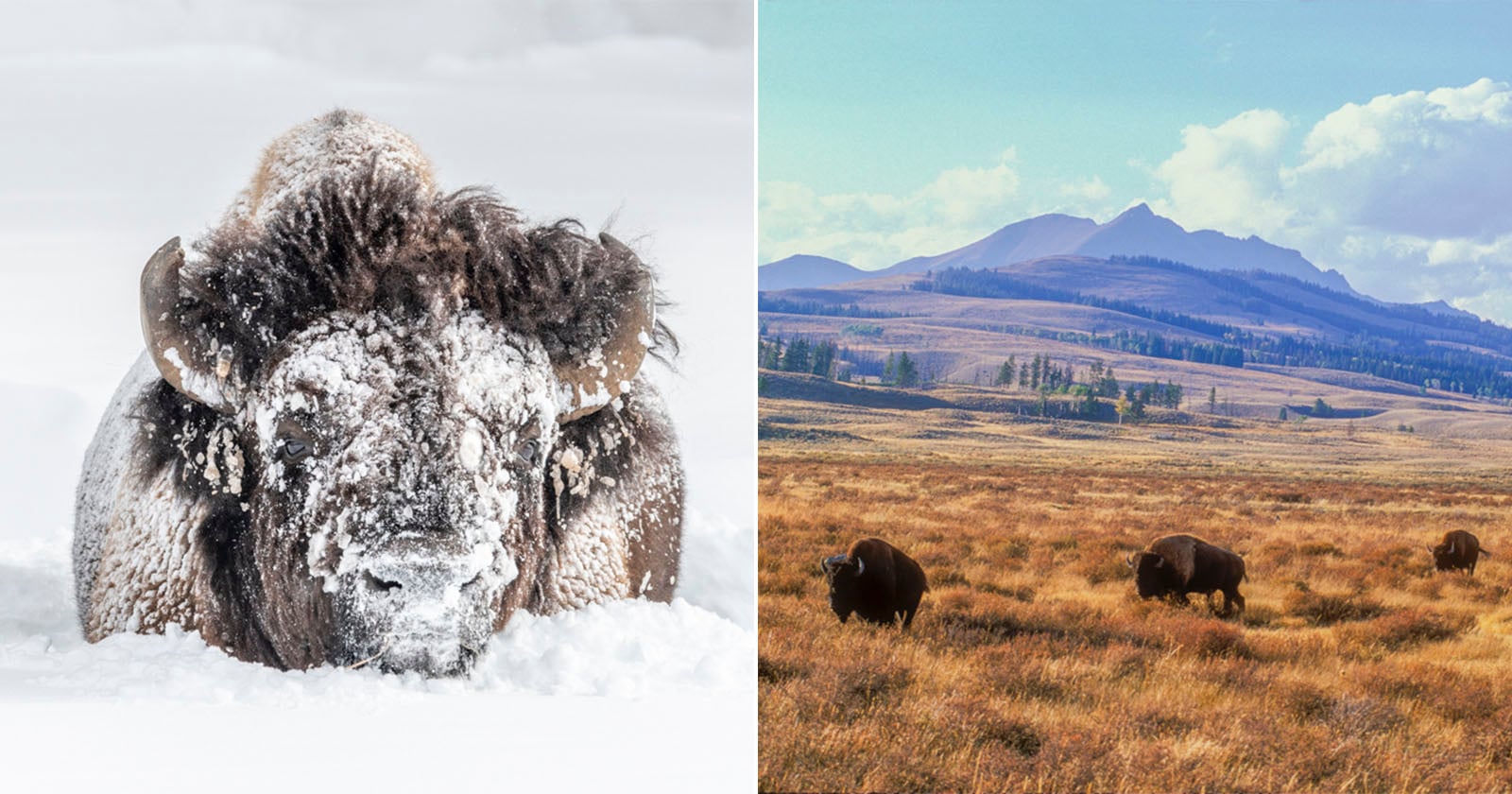
The narrative of the Yellowstone bison is one of the most dramatic recovery stories in the history of global conservation. To understand the significance of Murphy’s photography, one must look at the historical timeline of the species. In the early 19th century, an estimated 30 to 60 million bison roamed the North American continent. However, by the late 1800s, a combination of commercial hunting, government-sanctioned slaughter, and habitat loss had decimated the population. By 1902, the wild bison in Yellowstone had been reduced to a mere two dozen individuals hiding in the remote Pelican Valley.
The recovery of the herd was a slow, deliberate process involving strict protectionist policies and active management. Throughout the 20th century, the National Park Service worked to shield the remaining animals from poachers and slowly reintroduce them to different areas of the park. By the time Tom Murphy began his photographic journey in Yellowstone, the population had grown to approximately 1,500 animals. Today, that number stands at roughly 5,500. This five-fold increase during Murphy’s tenure has allowed him to witness a transformative era in the park’s history, where bison have transitioned from a rare sight to a dominant force on the landscape.
Murphy’s personal connection to the animal predates his professional career. Growing up on a 7,500-acre cattle ranch in South Dakota, he frequently discovered the physical remnants of the great herds that once dominated the Great Plains. He recalls finding weathered skulls and horn shells embedded in the prairie grass, alongside deep trails carved into the earth by centuries of seasonal migrations. These "echoes" of the bison shaped his early imagination, creating a sense of loss that eventually turned into a professional mission to document the survivors.
The Synergy of Art and Science
The collaboration with Chris Geremia represents a deliberate effort to ground Murphy’s fine art in rigorous biological context. Geremia, who has spent two decades managing bison for the National Park Service, provides the text for Yellowstone Bison: Return of the Last Wild Herd. The partnership allows the book to transcend the typical "coffee table" format. While Murphy’s images capture the dramatic silhouettes and textured coats of the animals, Geremia explains the underlying behaviors—the mechanics of the rut, the complex social hierarchies of the matriarchal herds, and the bison’s role as "ecosystem engineers" that reshape the grasslands through grazing and wallowing.
Murphy notes that the relationship was born out of mutual respect for the subject matter. "It’s a really nice relationship," Murphy stated regarding his work with Geremia. "Really easy to work with, smart guy, and I enjoyed the interchange of trying to illustrate what he understands from his studies." The goal of the publication is to move the viewer toward a "deeper understanding," encouraging a public appreciation for the bison that goes beyond their status as a tourist attraction.
A Philosophical Approach to Wildlife Photography
Throughout his 50-year career, Murphy has developed a distinct philosophy regarding what constitutes a successful wildlife photograph. He categorizes the interest and durability of wildlife imagery into three hierarchical levels, a framework that he applied when selecting the 244 pages of photographs for the new book.
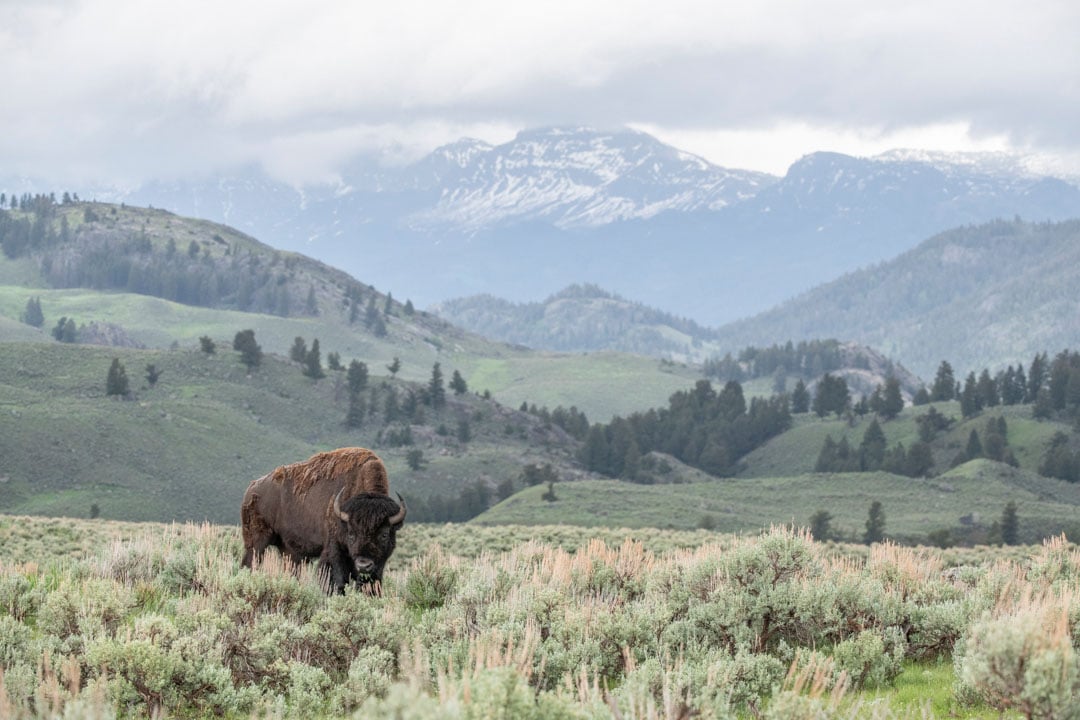
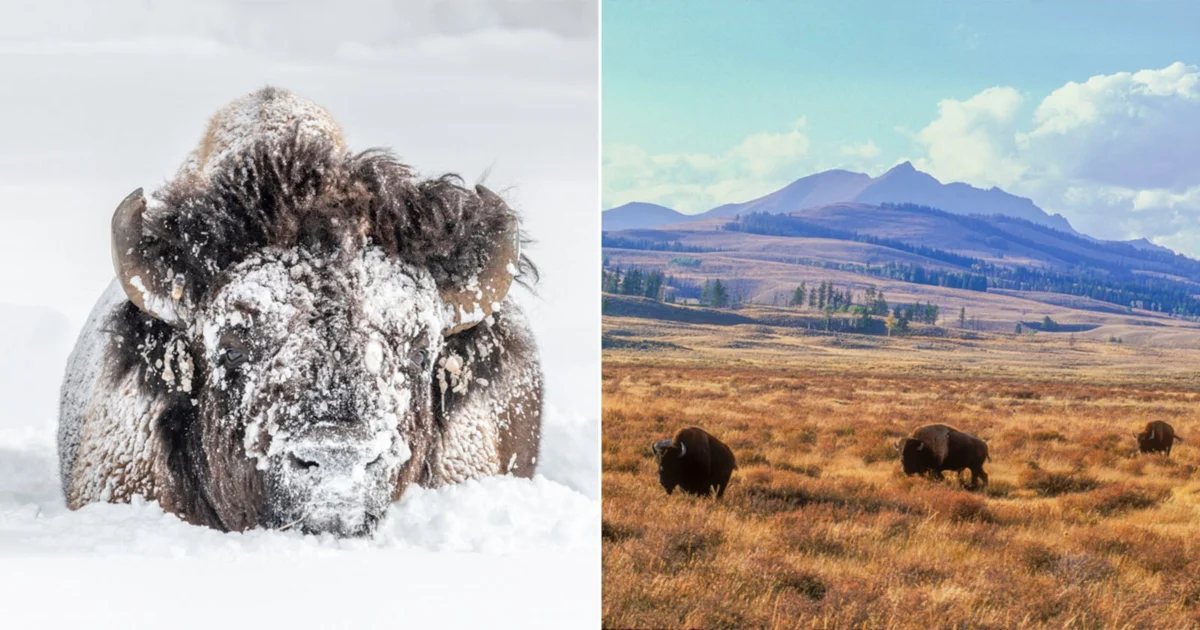
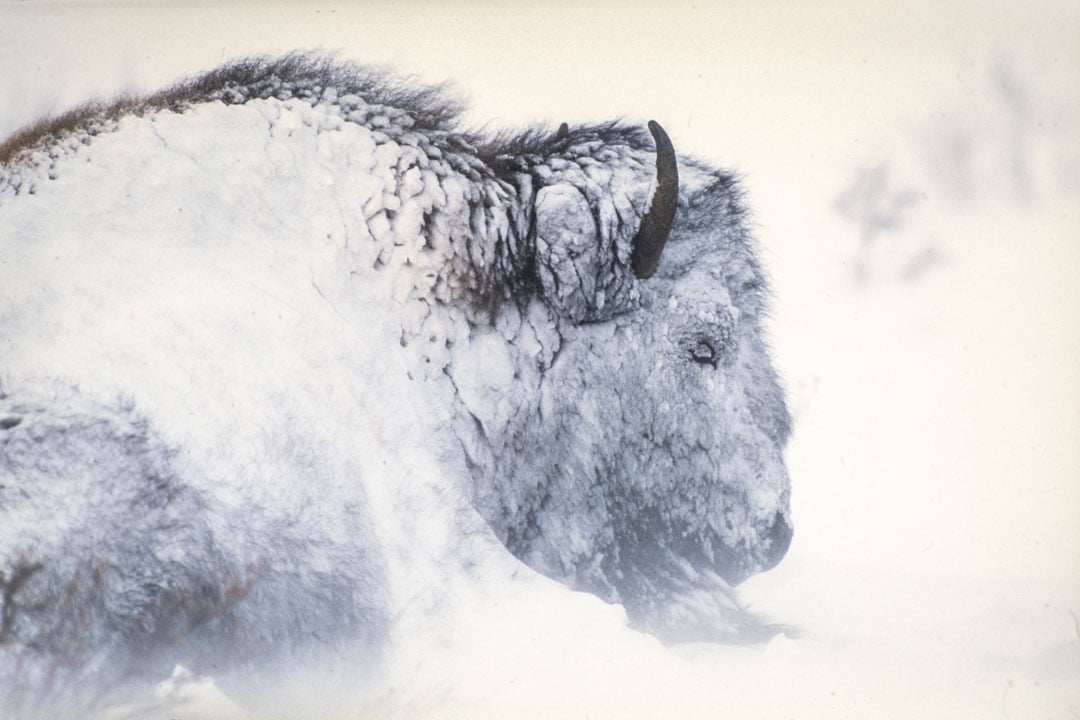
The first level is the "illustrative" photograph—a clear, beautiful, and straightforward portrait of an animal. While valuable for identification and basic appreciation, Murphy views these as the starting point rather than the destination. The second level involves capturing "action or behavior." This tier focuses on what the animal is doing, telling a story about its survival or social interactions. A prominent example of this in Murphy’s portfolio is his viral image of a bison cow covered in a thick layer of frost during a -30°F cold snap. The image, taken 35 years ago but only gaining widespread internet fame in the last decade, illustrates the extreme resilience of the species.
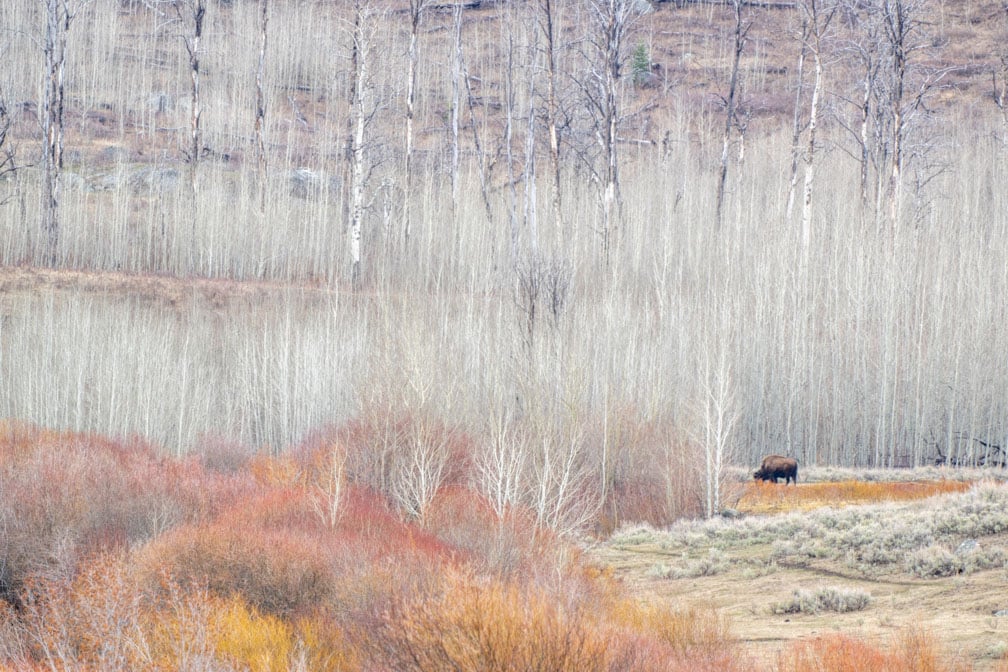
The third and most difficult level to achieve is the "environmental portrait." This involves capturing the animal performing a meaningful behavior within a compelling, high-quality landscape. These images require a perfect alignment of lighting, animal positioning, and geographical context. Murphy emphasizes that these shots cannot be manufactured; they require "perseverance and being there." He famously cites the old photography adage "F/8 and be there," noting that while modern equipment has changed, the necessity of physical presence in harsh conditions remains the primary variable for success.
Technical Resilience in Extreme Conditions
Documenting Yellowstone’s bison requires the photographer to endure the same brutal conditions as the subjects. Murphy is known for his ability to operate in sub-zero temperatures that often cause camera batteries to fail and mechanical components to freeze. His portfolio is heavy with winter imagery, a choice driven by the fact that the bison’s character is most visible when it is tested by the environment.
The cover of the new book features a bison standing amidst the geothermal steam of the Grand Prismatic runoff. This shot is emblematic of Murphy’s "Level Three" criteria. The geothermal features of Yellowstone are unique in the world, and the bison have learned to utilize the warmth of the hot springs to survive winters where snow can pile six feet deep. By placing the animal within this specific geological context, Murphy tells the story of an evolutionary adaptation that has spanned millennia.
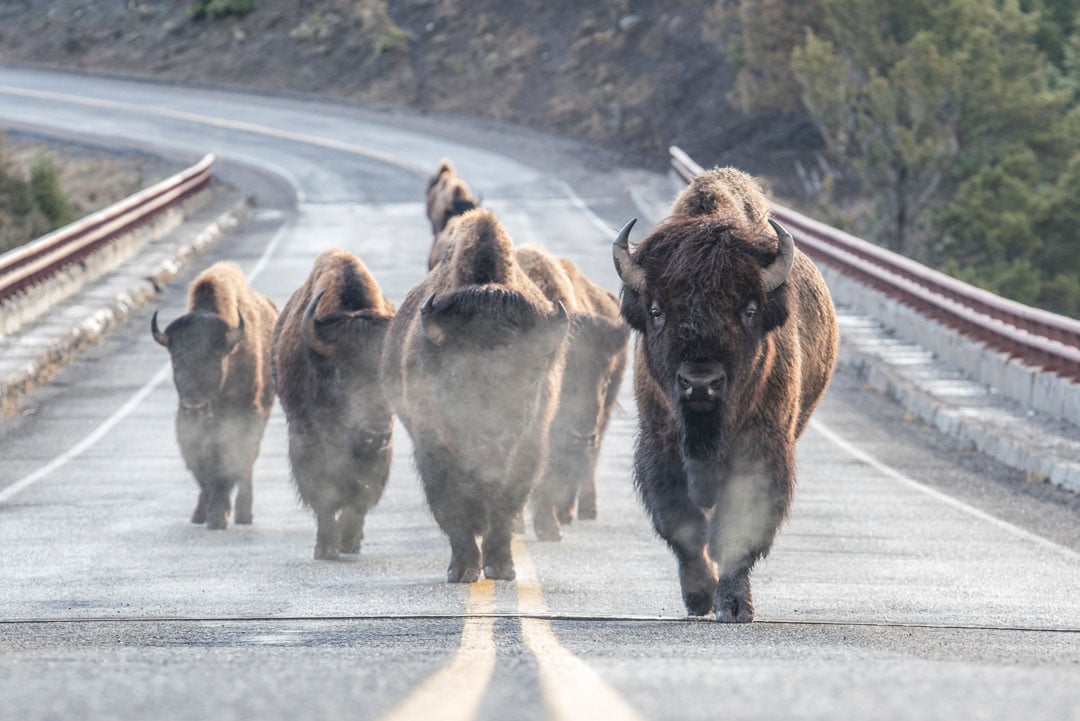
The sheer volume of Murphy’s work presented a challenge during the editing process. With over 6,000 bison photographs in his digital library alone—not including decades of film archives—narrowing the selection required a rigorous focus on narrative. The book was originally intended to be 200 pages, but the depth of the material forced an expansion to 244 pages. Murphy joked that if the publishers had allowed it, the volume could have easily reached 300 pages without a loss in quality.
Broader Implications and National Recognition
The selection of Murphy’s work for a United States Postal Service Forever stamp in 2026 marks a significant milestone. Stamps have long served as a reflection of national values, and the inclusion of a Yellowstone bison—captured by a man who has lived alongside them for half a century—underscores the animal’s status as the National Mammal of the United States (a designation signed into law in 2016).
From a conservation perspective, Murphy’s work serves an essential role in public advocacy. As the National Park Service and the Department of the Interior continue to navigate the complexities of bison management—including debates over brucellosis transmission to cattle and the expansion of bison grazing lands outside park boundaries—visual storytelling becomes a bridge for public discourse. By humanizing (or "animalizing" in a relatable way) the bison, Murphy provides a face to the policy debates.
The "Murphy’s Luck" philosophy, as the photographer calls it, suggests that his success is not a matter of chance but of preparation. "You’ve got to be there. You have to be ready. You must be paying attention. You have to be knowledgeable," he asserts. This mindset has allowed him to build what he describes as a "castle of memories," a phrase borrowed from the songwriter Blaze Foley. For Murphy, these memories are not just personal; they are a collective heritage of the American wilderness.
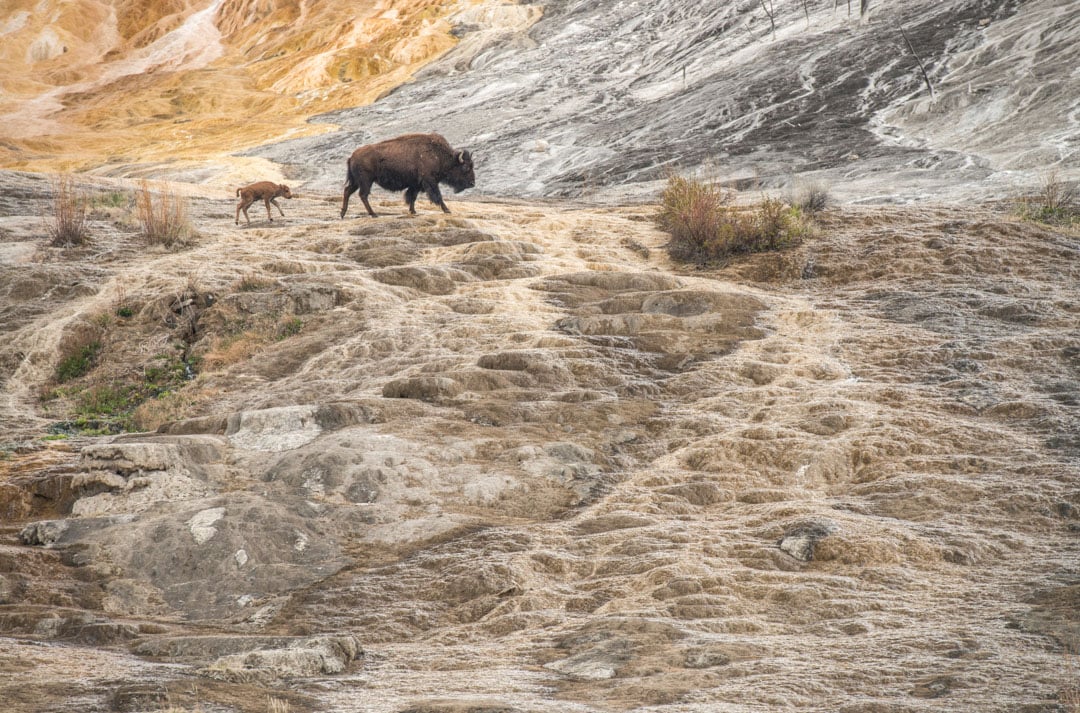
Conclusion: The Future of the Last Wild Herd
As Yellowstone Bison: Return of the Last Wild Herd reaches the public, it stands as a definitive record of a species that refused to vanish. The book arrives at a time when the world is increasingly focused on rewilding and ecosystem restoration. The Yellowstone bison serve as a blueprint for how a species can be brought back from the brink through a combination of legal protection, scientific management, and public will.
Tom Murphy’s 50-year retrospective offers more than just aesthetic pleasure; it provides a longitudinal study of a landscape in flux. While the bison are more numerous now than when he began, the challenges of climate change and habitat fragmentation remain. However, through the lens of Murphy’s camera, the bison appear as they always have: resilient, enduring, and inseparable from the thermal mists and frozen plains of Yellowstone. The photographer’s conclusion remains one of simple gratitude: "It’s a wonderful thing to spend your time pursuing beauty." For the bison of Yellowstone, that pursuit has ensured that their story—and their image—will endure for generations to come.

