


The Imperative of Step-Up Training: A Foundation for Avian Well-being
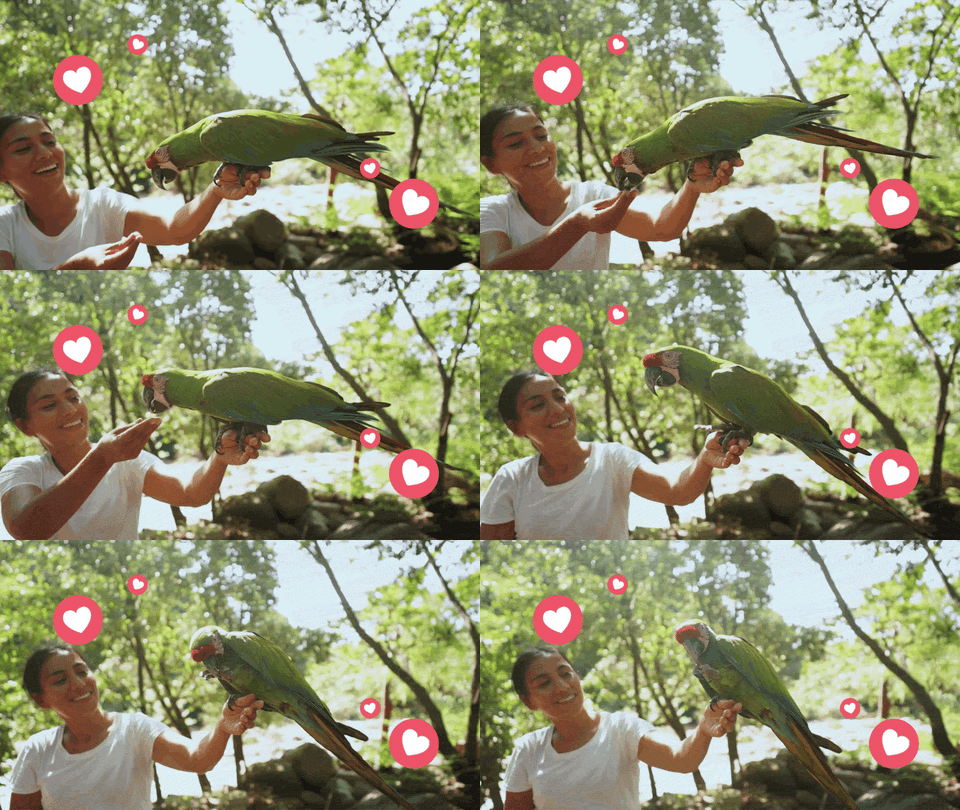
The "step up" command, where a bird willingly climbs onto a finger, hand, or designated perch, stands as one of the most vital behaviors an avian companion can learn. Its importance extends far beyond mere obedience or entertainment, forming the bedrock of a bird’s safety and an owner’s ability to provide effective care. In a home environment, especially with fully flighted birds, the potential for accidents is ever-present. A sudden fright, an open door, or an unexpected visitor can send a bird flying into dangerous territory, from hot stovetops and open windows to ceiling fans or even the outdoors. In such moments, the ability to calmly retrieve a bird through a reliable "step up" cue can prevent serious injury, loss, or even death.
Consider a scenario: a child unexpectedly bursts through a door, startling a parrot from its perch. The bird, confused and fearful, might take refuge in a precarious spot, perhaps behind heavy furniture or atop a high cabinet. A panicked owner attempting to grab the bird can exacerbate the fear, potentially leading to bites, further flight, or accidental injury to the bird. However, if the bird is trained to "step up," the owner can calmly approach, offer the cue, and safely bring the bird to a secure location, transforming a potential crisis into a manageable event. This simple skill dramatically reduces stress for both the bird and the owner, fostering an environment of trust and predictability.
Beyond emergencies, step-up training is indispensable for routine care. It facilitates stress-free cage cleaning, simplifies vet visits, allows for easy transport, and enables positive daily interactions such as playtime or gentle handling. Avian veterinarians frequently highlight the challenges of examining untrained birds, which often require restraint that can be highly stressful and even traumatic for the animal. A bird that steps up willingly can be calmly presented for examination, reducing anxiety and allowing for a more thorough assessment of its health. Rescue organizations also report that a significant percentage of surrendered birds exhibit behavioral issues, including a lack of basic handling skills like stepping up, which often contributes to owner frustration and eventual relinquishment.
Understanding Avian Psychology: Natural Instincts and Training Dynamics
To effectively train a bird, it is crucial to understand its natural instincts and cognitive abilities. Parrots, for instance, are highly intelligent, social creatures with complex communication systems. In the wild, flight is their primary mode of escape, exploration, and social interaction. When brought into a domestic setting, these instincts remain, making forced handling or capture attempts counterproductive and often terrifying for the bird. Their sharp senses mean they are highly attuned to their environment, easily startled by sudden movements, loud noises, or unfamiliar objects.
Birds learn through association, observation, and reinforcement. Historically, animal training, including for birds, sometimes relied on aversive methods or dominance theories. However, decades of research in animal behavior, particularly in the field of Applied Behavior Analysis (ABA), have unequivocally demonstrated that positive reinforcement is not only more humane but also significantly more effective for teaching and maintaining desired behaviors in animals, including parrots. Positive reinforcement involves rewarding a desired action immediately after it occurs, thereby increasing the likelihood of that action being repeated. This method builds a strong foundation of trust between the trainer and the animal, as the animal associates the human with positive experiences rather than fear or coercion. This scientific understanding underpins modern avian training philosophies, emphasizing mutual respect and clear, consistent communication.
Deconstructing Resistance: Common Reasons Birds Hesitate to Step Up
When a bird refuses to step up, it is rarely an act of "stubbornness" or defiance. Instead, it typically signals an underlying issue related to fear, discomfort, past negative experiences, or a lack of clear communication from the handler. Identifying these root causes is the first step toward successful training.
One prevalent reason is past trauma or negative associations. Birds, particularly those from rescue situations or pet stores where they may have experienced rough handling, forced restraint, or inadequate socialization, can develop a strong aversion to human hands. For them, a hand represents a threat, not an invitation. This fear can manifest as biting, lunging, or frantic flight.
Physical discomfort or unfamiliarity with the hand as a perch also plays a role. A human finger or hand is inherently different from a natural branch or a sturdy perch. It can be warm, soft, wobbly, and move unexpectedly, all of which can feel insecure to a bird that relies on stable footing. Young birds, elderly birds, or those with underlying health conditions like arthritis may also have weak or painful feet, making it difficult or uncomfortable to grip an unfamiliar surface or maintain balance.
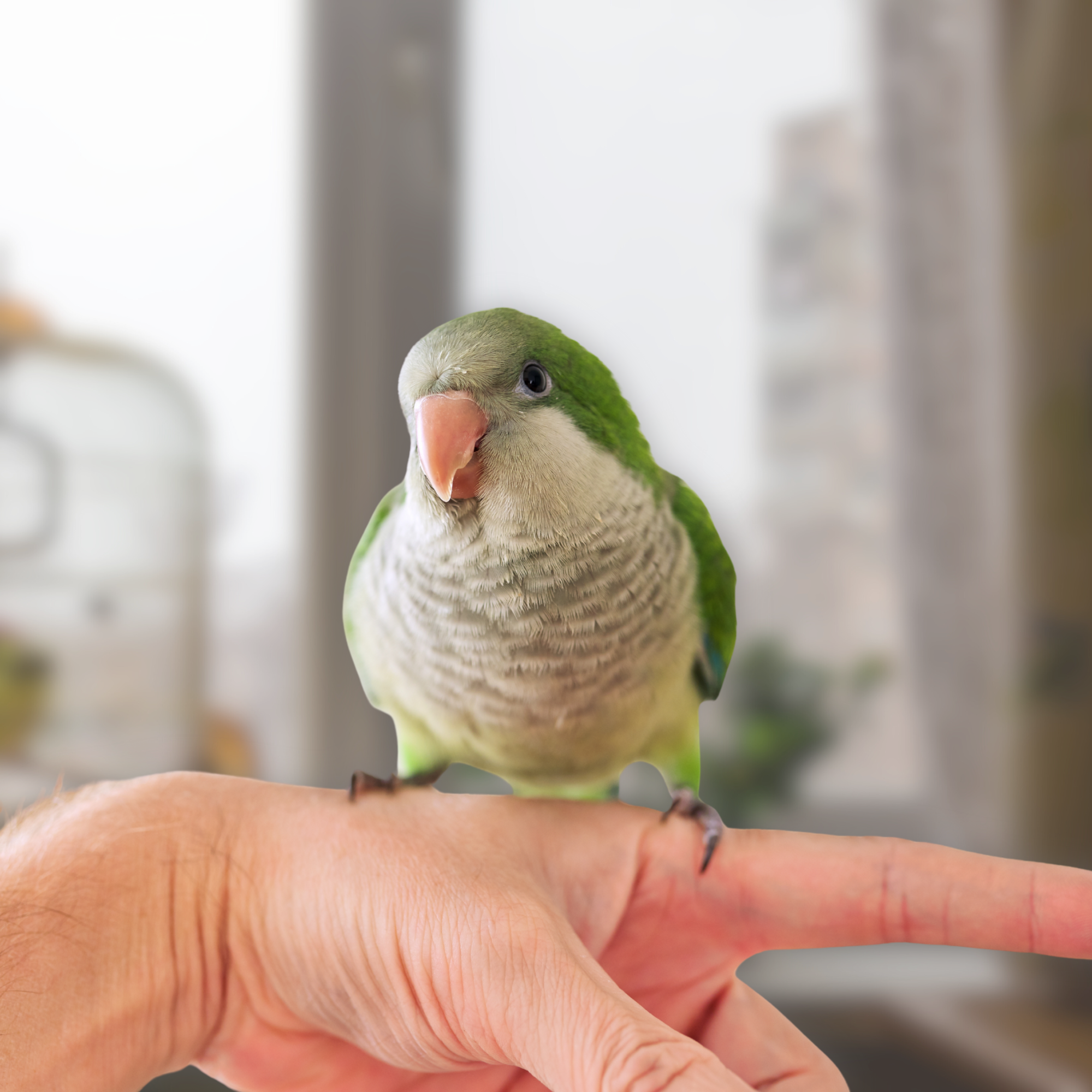
Furthermore, inconsistent or unclear handling by the owner can create confusion. If the handler’s arm is unsteady, if they move too quickly once the bird steps up, or if their cues are not consistent, the bird may become anxious or lose trust. Birds thrive on predictability, and any deviation from a clear routine can lead to hesitation. Lastly, simply using the wrong training methods – such as attempting to force a bird or relying on punishment – will inevitably backfire, eroding trust and teaching the bird to avoid interaction rather than engage with it. Successful training hinges on patience, empathy, and a systematic approach rooted in positive reinforcement.
The Methodology: A Foundation of Trust and Clear Communication
Teaching a bird to step up is a gradual process built on trust, consistency, and positive reinforcement. It requires the owner to act as a calm, predictable, and rewarding presence.
-
Establishing a Safe and Trusting Environment: Before any formal training begins, the primary goal is to foster a positive association with the human hand. This means spending time near the bird’s cage, speaking in a soft voice, and offering treats or favorite toys without demanding interaction. If the bird shows signs of fear (hissing, biting, retreating), respect its boundaries and gradually decrease the distance. Offer treats from a safe distance, allowing the bird to approach on its terms. Over time, the hand should become a predictor of good things, not a source of fear. This initial phase can take days, weeks, or even months, depending on the bird’s background and personality. Patience is paramount.
-
Introducing Cues and Gentle Guidance: Once the bird appears comfortable with the hand’s presence, the next step is to introduce the "step up" cue. This involves a clear, consistent verbal command, such as "Step up," spoken calmly and clearly. This verbal cue should always be paired with a visual cue: presenting the finger, hand, or a small training perch just below the bird’s chest, slightly above its feet. This position naturally encourages the bird to lift one foot to balance. If the bird hesitates, a very gentle pressure or nudge against the lower chest or belly can prompt it to shift its weight and lift a foot. This is not a push or a jab, but a subtle signal to initiate movement.
-
The Power of Positive Reinforcement: The moment the bird makes any movement towards the desired behavior – even just lifting one foot or shifting its weight – immediate reinforcement is crucial. This means offering a highly desired, small treat (e.g., a sliver of almond, a piece of millet, a favorite seed) and verbal praise ("Good bird!"). The timing of the reward is critical; it must be delivered within seconds of the desired action for the bird to make the correct association. Training sessions should be kept short, ideally 5 to 10 minutes maximum, to maintain the bird’s attention and enthusiasm. Always aim to end on a positive note, even if it means asking for an easier, already mastered behavior and rewarding it.
-
Leveraging Tools: The Role of Target Training: For particularly fearful or resistant birds, or to refine the "step up" behavior, a target stick can be an invaluable tool. A target stick is a simple wand with a distinct tip (often a different color or a small ball) that the bird is taught to touch. By first teaching the bird to touch the target for a reward, the trainer can then use the target to guide the bird’s movement onto the hand or perch without direct physical contact initially. This method empowers the bird, giving it control over the interaction and building confidence as it voluntarily engages with the target to earn a reward, gradually leading it to step onto the hand as part of the sequence.
Troubleshooting and Persistence: Addressing Fear and Misunderstanding
Even with the best intentions, trainers may encounter challenges. A bird might bite, fly away, or simply freeze when presented with the step-up cue. It is essential to interpret these behaviors not as defiance but as indicators of fear, confusion, or a perceived threat.
If a bird bites, it is often a defensive reaction. The immediate response should be to withdraw the hand calmly, without scolding or reacting emotionally, and reassess the situation. Was the approach too fast? Was the bird already stressed? Was the hand too close to its face? Returning to an earlier, easier step where the bird was comfortable is often the most effective strategy. This might mean simply offering treats from a distance again, rebuilding trust before attempting the "step up" cue.
For birds that consistently fly off, it could indicate that they are not yet comfortable with the proximity of the hand or that the training environment is too stimulating. Ensuring a calm, quiet space for training and working in short, positive bursts is key. If a bird appears confused, the cues might not be clear or consistent enough. Simplifying the cues, using a target stick, and breaking the behavior down into smaller, more achievable steps (e.g., rewarding for just looking at the hand, then for touching it, then for lifting one foot) can help clarify expectations.
Patience is the ultimate virtue in bird training. Every bird learns at its own pace, and setbacks are a normal part of the process. Forcing a bird will only damage the bond and create deeper behavioral issues. Instead, maintain a positive attitude, celebrate small victories, and always end sessions before the bird becomes fatigued or frustrated. Consistency in daily, short training sessions, combined with an understanding of the bird’s individual personality and needs, will ultimately lead to success.

Expanding the Repertoire: Advanced Behaviors for a Richer Life
Once a bird has mastered the "step up" command, a world of further training and enrichment opens up. These advanced behaviors not only build on the foundation of trust established by step-up but also provide significant mental and physical stimulation, contributing to a bird’s overall well-being.
-
Step-Down: Teaching a bird to "step down" from the hand onto a designated perch or its cage is a logical next step. This is trained using similar principles: a verbal cue ("Step down"), a visual cue (presenting the perch below the bird’s feet), gentle guidance if needed, and immediate positive reinforcement when the bird places one foot, then both, onto the new surface. This behavior provides the owner with complete control over where the bird goes, further enhancing safety and convenience.
-
Laddering: Laddering involves having the bird alternately step from one hand to the other (e.g., "Step up" onto the left hand, then "Step up" onto the right hand, and so on). This exercise builds coordination, balance, and responsiveness, and is an excellent way to keep a bird mentally engaged and physically active. It also reinforces the step-up cue in a dynamic context, demonstrating the bird’s trust and willingness to follow instructions.
-
Targeting and Beyond: The target stick, initially used for step-up, can be employed to teach a vast array of other behaviors, such as flying to specific locations, going into a carrier, or even performing simple tricks. These activities provide mental challenges, prevent boredom, and further strengthen the human-animal bond through shared positive experiences. Engaging a bird in regular, varied training sessions has been shown to reduce the incidence of undesirable behaviors like feather plucking or excessive screaming, which often stem from boredom or lack of stimulation.
Expert Perspectives and Broader Implications for Avian Care
Avian veterinarians and certified behaviorists consistently advocate for comprehensive training, with "step up" as a cornerstone, to promote optimal bird welfare. Dr. Eleanor Gray, a prominent avian veterinarian, often emphasizes that "a well-trained bird is a healthier bird. The ability to calmly handle a bird reduces stress during medical examinations, allowing for earlier detection and treatment of illnesses, and ultimately improving long-term health outcomes."
Similarly, certified avian behaviorists highlight the critical link between training and preventing behavioral problems that can lead to relinquishment. "Many of the birds we see in rescue shelters could have remained in their homes if owners had invested in basic training like step-up," notes Sarah Jenkins, a coordinator at a regional bird rescue. "Lack of handling skills often leads to frustration for owners, and unfortunately, the bird pays the price. Effective training significantly reduces the behavioral issues that commonly lead to surrender, such as biting or fear of hands."
The implications extend beyond individual bird welfare. As pet bird ownership continues to grow, responsible care practices become increasingly important for the entire avian community. By promoting positive reinforcement training and emphasizing the "step up" as a fundamental skill, the industry helps educate owners, raise the standard of avian care, and contribute to a more positive public perception of pet birds. Data from various avian welfare organizations indicate that birds with consistent positive reinforcement training are significantly less likely to develop severe behavioral issues and enjoy a higher quality of life, often living longer and happier lives with their human companions.
Conclusion: A Lifelong Investment in Trust and Well-being
The "step up" command is far more than a simple trick; it is a fundamental pillar of effective bird training, safety, and the development of a profound bond between humans and their feathered companions. It transforms potentially dangerous situations into manageable interactions, reduces stress during routine care, and provides a gateway to further enrichment and positive engagement. By understanding avian psychology, addressing resistance with empathy, and consistently applying positive reinforcement, owners can empower their birds to navigate the domestic environment with confidence and security.
Investing the time and patience in teaching a bird to step up is an investment in its lifelong well-being and a testament to the owner’s commitment to responsible pet ownership. It fosters a relationship built on mutual trust and clear communication, allowing birds to thrive in their human homes and enriching the lives of those who care for them. The benefits ripple outwards, creating happier birds, more fulfilled owners, and a stronger foundation for the welfare of pet birds everywhere.

