


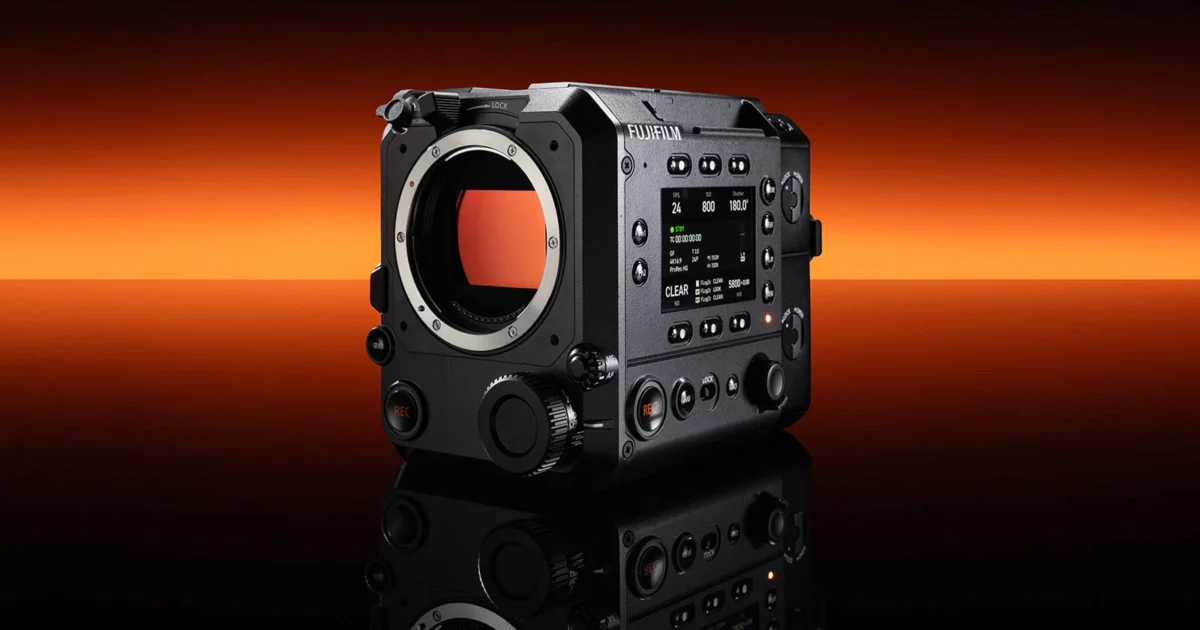
Fujifilm has officially unveiled a comprehensive firmware development roadmap for its flagship cinema camera, the GFX Eterna 55, signaling a long-term commitment to the professional filmmaking industry. This strategic announcement, which outlines a series of significant software updates scheduled to roll out through early 2027, is designed to transform the camera from a powerful hardware proposition into a versatile, production-ready ecosystem. By introducing features such as automatic electronic variable neutral density (VND) filters, expanded anamorphic support, and professional file format playback, Fujifilm is positioning the GFX Eterna 55 as a direct competitor to established industry giants in the large-format cinematography space.
The GFX Eterna 55, which initially made headlines in September 2025 for its aggressive $16,500 price point and IMAX-certified sensor, represents Fujifilm’s most ambitious foray into dedicated cinema hardware. Unlike the company’s previous X-series or GFX-series mirrorless cameras, which were primarily stills-focused with video capabilities added on, the Eterna 55 was engineered from the ground up for the rigors of a film set. The newly announced roadmap serves as a technical bridge, addressing the immediate needs of early adopters while laying the groundwork for advanced creative techniques that were previously the exclusive domain of high-end cinema systems from Sony and ARRI.
The Evolution of the GFX Eterna 55: A Three-Phase Roadmap
Fujifilm’s strategy for the GFX Eterna 55 is divided into three distinct phases, each targeting a specific aspect of the filmmaking workflow: stability, technical compatibility, and advanced creative control. This phased approach allows the company to stabilize the platform while engineering complex features that require extensive testing and sensor-level integration.
Phase 1: Immediate Stability and Refinement (Version 1.10)
Effective immediately, Fujifilm has released firmware version 1.10. While this update does not introduce headline-grabbing features, it serves as the foundational "stability" patch. In the world of professional cinema, where a single day of production can cost hundreds of thousands of dollars, equipment reliability is the highest priority. Version 1.10 focuses on internal system optimizations, bug fixes, and general usability enhancements. This update ensures that the camera’s core operating system is robust enough to handle the more resource-intensive features planned for subsequent releases.
Phase 2: Workflow Integration and Anamorphic Expansion (Version 1.20)
Scheduled for release in late 2026, version 1.20 focuses on the "Material eXchange Format" (MXF) and anamorphic cinematography. MXF is a container format for professional digital video and audio media, defined by a set of SMPTE standards. By enabling in-camera playback of MXF files, Fujifilm is streamlining the review process on set, allowing directors and cinematographers to verify footage without needing to offload it to a dedicated workstation.
Furthermore, version 1.20 will introduce expanded anamorphic desqueeze options, including a highly requested Open Gate 4K 4:3 mode. This is particularly significant for filmmakers utilizing vintage or modern anamorphic lenses, as it allows for a more efficient use of the large-format sensor area to achieve the signature wide-screen cinematic look. Additionally, Fujifilm will launch a dedicated smartphone and tablet application for backing up and restoring camera settings, a feature essential for multi-camera productions where consistency across units is paramount. This phase also promises further reductions in SDI and HDMI video latency, addressing a critical pain point for live monitoring and focus pulling.
Phase 3: Advanced Optical Control and Remote Operation (Version 1.30)
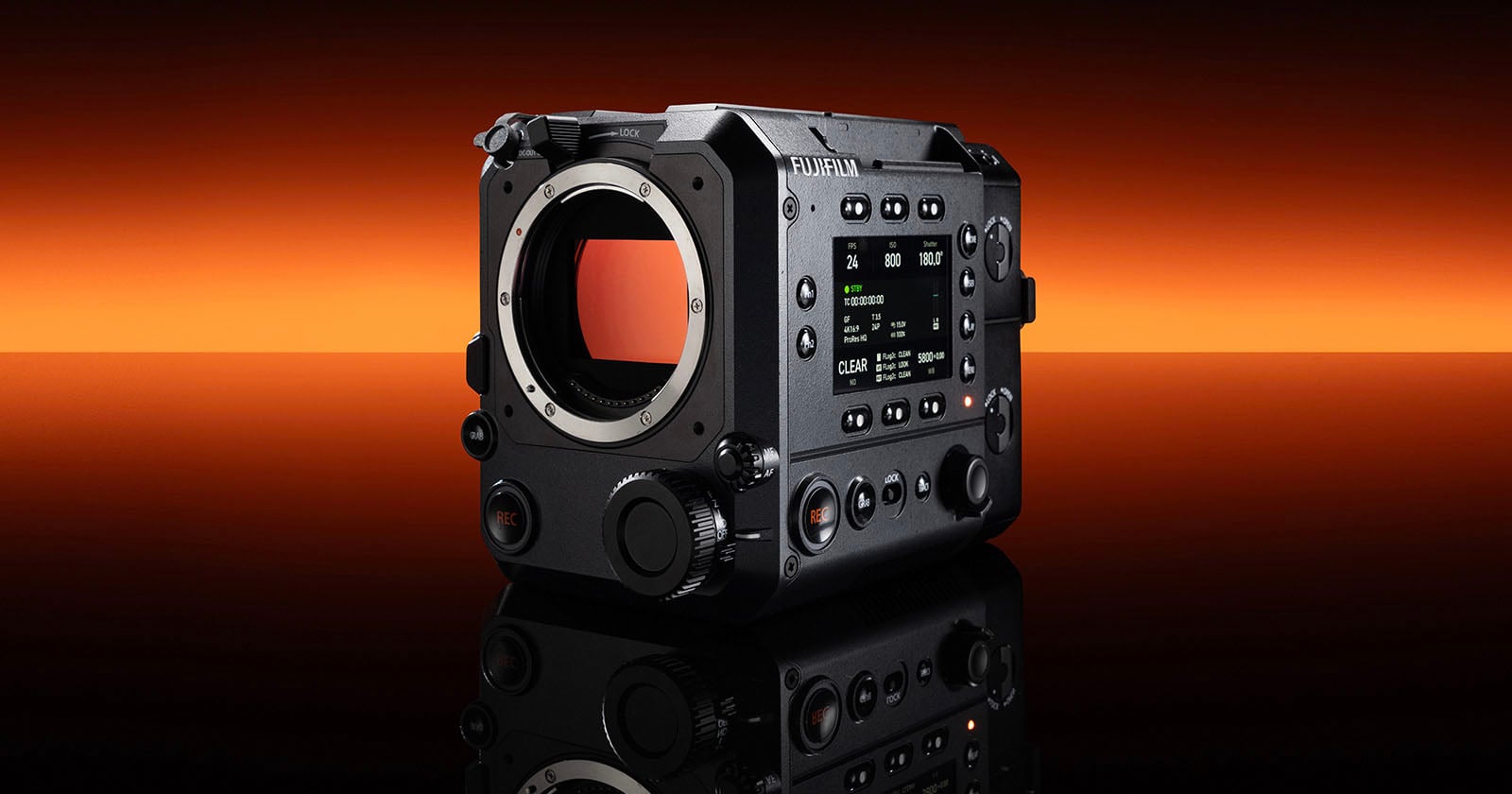
The most significant leap in capability is slated for January 2027 or later with the release of version 1.30. This update centers on the camera’s built-in electronic variable ND filter. While the camera already possesses the hardware for electronic ND, this firmware will unlock "Automatic ND" functionality. This feature allows the camera to automatically adjust the density of the ND filter in real-time to maintain a constant exposure while the filmmaker changes the iris (aperture), shutter angle, or ISO.
Technical Analysis of Automatic Electronic ND Support
The introduction of Automatic Electronic ND support is a transformative development for the GFX Eterna 55. This technology utilizes a liquid crystal layer within the filter stack that can change its opacity when an electrical voltage is applied. By automating this process, Fujifilm enables a technique known as an "iris pull" with constant exposure.
In traditional cinematography, opening the aperture to decrease depth of field would result in an overexposed image unless the shutter speed or ISO was simultaneously adjusted. However, changing the shutter angle alters motion blur, and changing ISO can affect noise levels and dynamic range. With Automatic ND, the camera compensates for the increased light of a wider aperture by instantly increasing the ND density. This allows a cinematographer to shift the focus and blur the background mid-shot—moving from a deep depth of field to a shallow one—without any visible change in the overall brightness of the scene.
This capability has previously been a standout feature of Sony’s professional cinema line, such as the FX6, FX9, and BURANO. By bringing this to a medium-format sensor (which Fujifilm markets as the "GFX format"), the creative potential is magnified. The larger sensor area already provides a shallower depth of field than standard Full Frame or Super 35 sensors; the ability to manipulate that depth of field dynamically and seamlessly is a powerful tool for visual storytelling.
Expanding the Ecosystem: LANC and Duvo Lens Support
Beyond exposure control, version 1.30 will introduce Local Application Control Bus System (LANC) support. LANC is a standard protocol used for synchronizing cameras and controlling their functions remotely. This addition is crucial for integrating the GFX Eterna 55 into complex rigging systems, such as jibs, cranes, and stabilized gimbals, where the operator cannot physically reach the camera body.
In a move to further unify its product lines, Fujifilm will also enable remote control of its Duvo Series lenses via the camera’s multi-function dials. The Duvo lenses are high-end broadcast-style zoom lenses designed to bring a "cinematic look" to live sports and event production. By allowing the camera body or the top handle dials to control lens parameters, Fujifilm is making the GFX Eterna 55 a viable option for high-end broadcast environments and multi-camera live productions, expanding its utility beyond traditional narrative filmmaking.
Market Context and Industry Implications
The GFX Eterna 55 occupies a unique niche in the current market. With a sensor size of approximately 43.8 x 32.9mm, it offers a significantly larger surface area than the 36 x 24mm sensors found in "Full Frame" cinema cameras like the Sony Venice 2 or the ARRI Alexa Mini LF. This "large format" or "medium format" aesthetic is characterized by a unique compression of space and a more gradual transition between in-focus and out-of-focus areas.
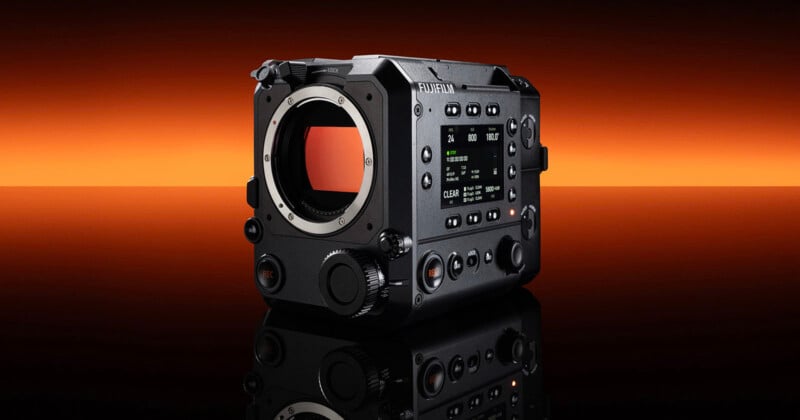
At $16,500, the Eterna 55 is positioned as a disruptive force. It is priced considerably lower than the flagship offerings from ARRI or RED, yet it offers IMAX certification—a badge of honor that guarantees the sensor meets the rigorous resolution and dynamic range requirements for projection on the world’s largest screens.
Industry analysts suggest that Fujifilm’s transparent firmware roadmap is a calculated move to build trust with rental houses and production studios. Unlike the consumer photography market, where users might upgrade bodies every few years, the cinema industry relies on "workhorse" cameras that are supported for a decade or more. By detailing updates two years into the future, Fujifilm is signaling that the GFX Eterna 55 is a stable platform that will continue to grow in value and capability.
Summary of the GFX Eterna 55 Firmware Timeline
To provide clarity for production planning, the following timeline summarizes the expected rollout of features:
| Version | Expected Release | Key Features |
|---|---|---|
| v1.10 | Available Now | General system stability and usability refinements. |
| v1.20 | Late 2026 | MXF in-camera playback; 4K 4:3 Anamorphic desqueeze; Settings backup/restore app; Reduced SDI/HDMI latency. |
| v1.30 | Jan 2027+ | Automatic Electronic ND; Preset ND coarse adjustments; LANC support; Remote Duvo lens control. |
Conclusion: A New Era for Fujifilm Cinematography
The announcement of the GFX Eterna 55 firmware roadmap marks the beginning of a new era for Fujifilm. By committing to high-level features like Automatic ND and professional MXF integration, the company is demonstrating that it understands the nuances of the professional cinema workflow.
While the GFX system was once seen as a niche choice for high-end portrait and landscape photographers, the Eterna 55 is rapidly evolving into a formidable tool for motion picture production. As these updates roll out over the next 24 months, the filmmaking community will be watching closely to see if Fujifilm can truly challenge the established hierarchy of the cinema world. For now, the roadmap provides a clear vision of a future where medium-format cinematography is more accessible, more controllable, and more integrated than ever before.

