


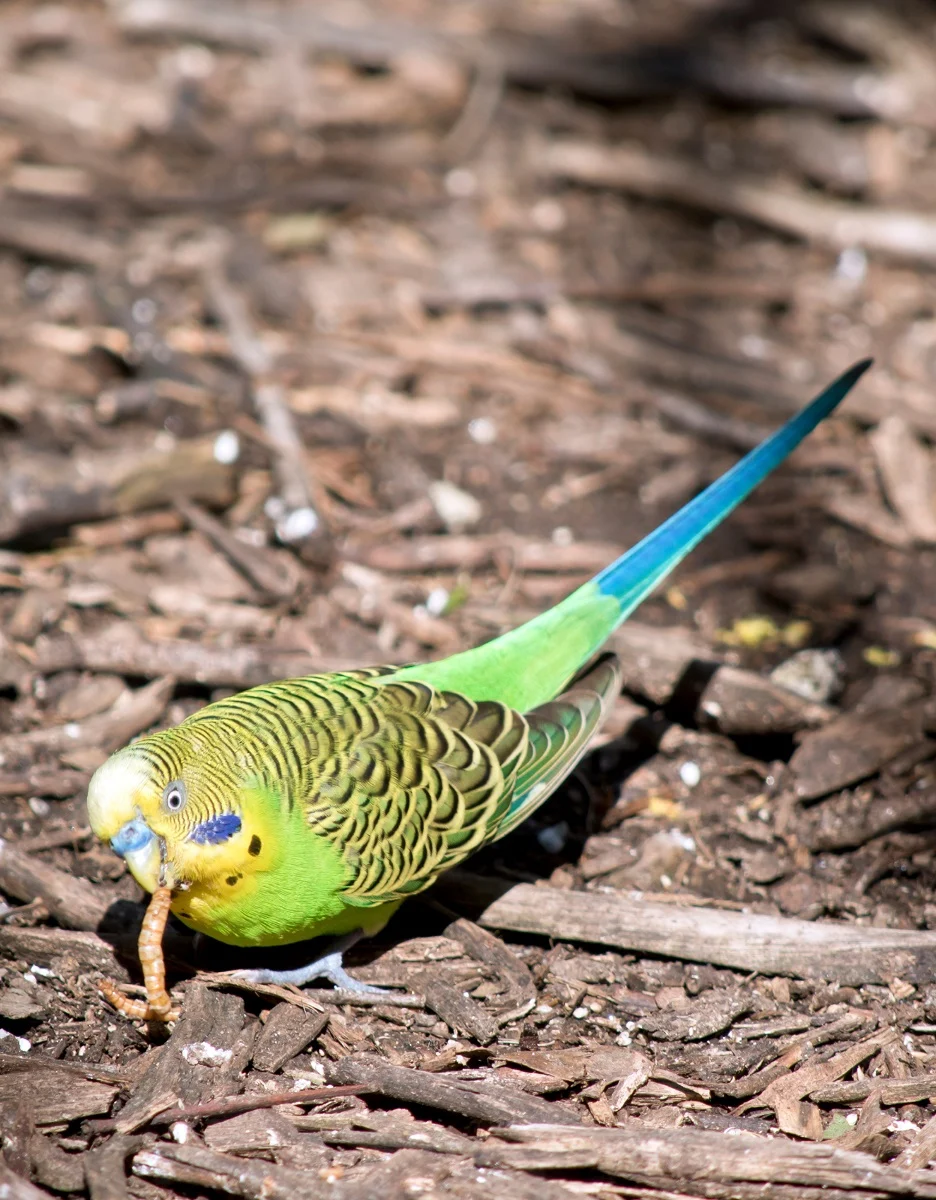
The dietary needs of captive budgerigars have been a subject of evolving scientific understanding, moving significantly from the historical reliance on simple seed mixes to a more comprehensive approach. In their native Australian habitats, wild budgies forage extensively, consuming a wide array of grass seeds, native plant matter, and occasionally insects, which provides them with a rich spectrum of nutrients. This natural foraging behavior underscores the importance of dietary variety for pet budgies, whose health can suffer greatly from monotonous or inappropriate feeding. Avian veterinarians and nutritionists now advocate for a primary diet of high-quality commercial pellets, supplemented generously with fresh, bird-safe vegetables, a smaller proportion of fruit, and occasional healthy human foods as treats and enrichment. This article delineates 19 safe household items that can complement a budgie’s diet, alongside 9 common foods that pose significant health risks and must be avoided.
The Evolving Landscape of Avian Nutrition
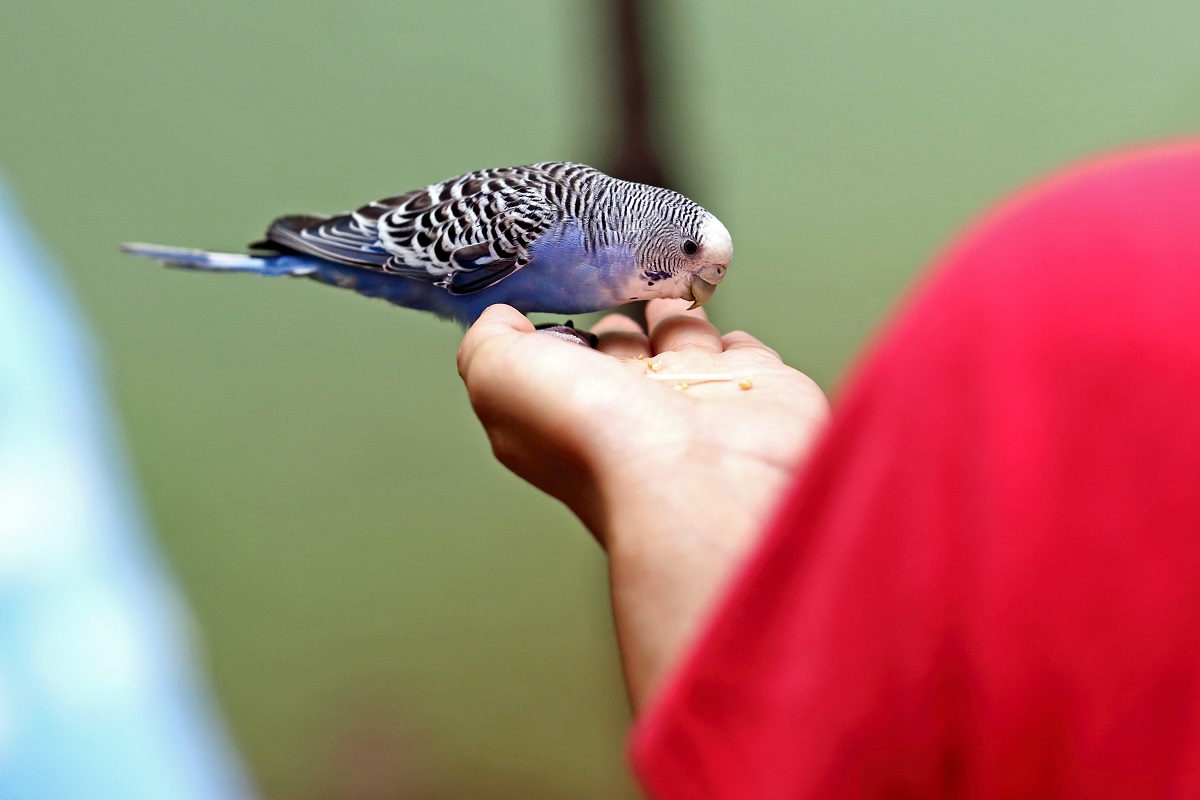
For decades, many pet bird owners unknowingly perpetuated inadequate diets by offering only seed mixes. While seeds are a natural food source for budgies, commercial seed mixes often contain an imbalanced nutrient profile, being high in fat and low in essential vitamins, minerals, and amino acids. This can lead to a host of health problems, including obesity, liver disease, kidney dysfunction, and various vitamin deficiencies (e.g., Vitamin A deficiency). The shift in avian veterinary consensus began in the late 20th century, emphasizing the development and adoption of pelleted diets specifically formulated to provide complete nutrition. Today, the recommendation is that 60-80% of a budgie’s diet should consist of a high-quality pelleted food, with the remaining percentage comprising fresh produce and appropriate supplementary treats. Understanding which human foods fall into the "safe" category is crucial for owners looking to enrich their bird’s diet and provide mental stimulation through foraging opportunities, while rigorously avoiding toxic substances.
19 Wholesome Household Foods Safe for Budgies
Integrating certain human foods into a budgie’s diet can provide valuable nutrients and enrichment, but careful selection and preparation are essential. The following 19 items are generally considered safe when offered in moderation and in their purest form.
- Bread: While not a nutritional powerhouse, small pieces of plain, unsweetened, whole-wheat bread can be offered occasionally. It provides some carbohydrates and fiber. Avoid white bread, brioche, or any bread with added sugar, excessive salt, or other additives. Seeds on top, like sesame or poppy seeds, are generally safe.
- Sunflower Seeds: A favorite for many budgies due to their high fat content, sunflower seeds should be offered sparingly as a treat, not a dietary staple. They are rich in healthy polyunsaturated fats. Crucially, they must be unsalted. These are excellent as training rewards.
- Natural Peanut Butter: Unsweetened, unsalted peanut butter, made solely from peanuts, is safe in tiny quantities. It’s an excellent source of protein and healthy fats. Its sticky texture can be utilized to encourage a budgie to explore new toys or foods by smearing a minute dollop on the item. Avoid brands with added sugar, salt, or hydrogenated oils.
- Boiled Eggs: A highly nutritious protein source, boiled eggs are particularly beneficial for laying hens or birds recovering from illness due to their high protein, calcium, and vitamin content (e.g., Vitamin D, B12). Eggs should be hard-boiled and offered plain, without any oil or seasoning.
- Chia Seeds: These tiny seeds are packed with Omega-3 fatty acids, fiber, and antioxidants. Budgies can enjoy a small sprinkle of dry chia seeds in their food bowl. While chia pudding is safe, the dry form provides excellent foraging and nutritional benefits.
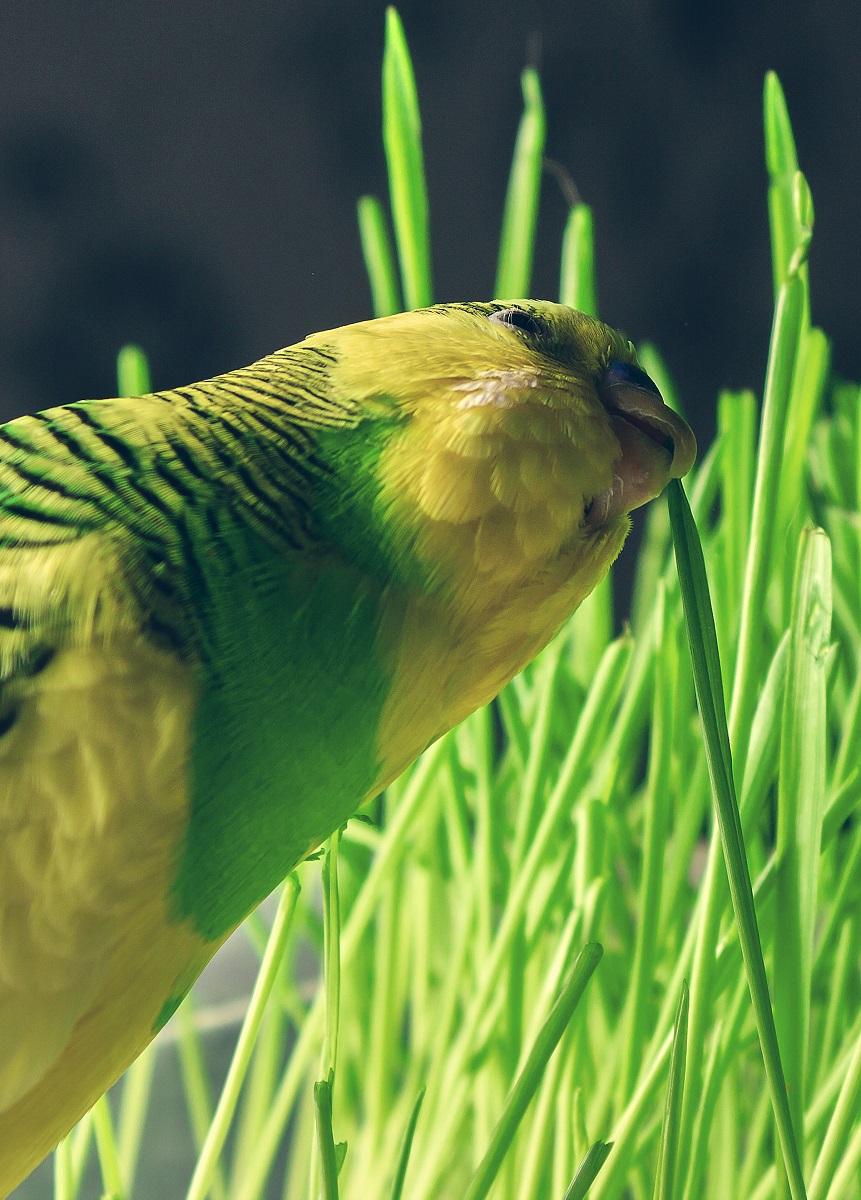
- Wheatgrass: An excellent source of vitamins (A, C, E) and minerals (iron, calcium, magnesium), wheatgrass provides both nutrition and enrichment. Both the seeds and sprouted grass are suitable. It is best offered sprouted through a mesh to prevent ingestion of potentially contaminated soil.
- Cashews: Unsalted and unroasted cashews can be offered in very small, crushed pieces. They contain healthy fats, magnesium, and zinc. Due to their high fat content, moderation is key; a quarter of a crushed nut is sufficient for a treat.
- Cheerios: Plain, unflavored Cheerios (original variety) can be given in very small amounts. They are made from whole-grain oats and corn starch. However, they do contain some sugar and salt, so they are strictly an occasional treat.
- Pumpkin Seeds: Similar to sunflower seeds, unsalted pumpkin seeds are a good source of healthy fats, zinc, and magnesium. They are larger, so offering half a seed at a time is appropriate. Budgies may enjoy the challenge of shelling them, but assistance might be needed.
- Almonds: Unsalted, raw, or roasted almonds are safe for budgies. Like cashews, they are high in fat and should be offered in very small, chopped pieces. Sprouting almonds can enhance their nutritional value.
- Cooked Chicken: Lean, plain cooked chicken breast or thigh can provide an excellent source of protein, especially for birds needing an extra boost, such as breeding hens. It must be completely unseasoned and un-oiled.
- Dried Fruit (Unsweetened): If free of added sugars and preservatives, certain dried fruits like cranberries or blueberries can be offered in tiny pieces. However, the natural sugars are concentrated, so they should be given very sparingly. Home dehydration is ideal for ensuring no additives.
- Hemp Seeds: Often found in commercial bird seed mixes, hemp seeds are rich in Omega-3 and Omega-6 fatty acids, along with protein. They are a healthy addition to a varied diet.
- Plain Pasta: Cooked, unsalted pasta (whole-wheat preferred) can be offered. Dry pasta pieces also serve as excellent edible enrichment toys. Alternatives made from lentils, corn, or peas are also suitable.
- Pine Nuts: Unsalted pine nuts, in very small quantities, are safe. Adhere to the same principles as other nuts: moderation and no added salt.
- Peanuts: While historically controversial due to concerns about aspergillosis (a fungal disease from mold), high-quality, human-grade, unsalted peanuts are safe when stored properly. Offering them in the shell with a small opening can promote natural foraging behavior.
- Popcorn: Plain, air-popped popcorn, without salt, butter, or oil, is a safe and enjoyable treat. Its texture can be appealing to budgies, and it can be incorporated into homemade foraging toys.
- Quinoa: This ancient grain, a member of the Amaranth family, is a complete protein source containing all essential amino acids. It can be offered cooked or uncooked (rinsed) and provides a range of healthy micronutrients.
- Rolled Oats: Plain rolled oats or steel-cut oats are a good source of complex carbohydrates and soluble fiber. They can be offered dry or soaked in water. Unsweetened almond milk can be used, but note its stickiness.
For owners facing an unexpected shortage of commercial budgie food, a temporary emergency meal can be created by combining suitable vegetables (e.g., leafy greens, carrots), a small amount of fruit, and grains like oats, quinoa, or plain pasta, supplemented with chia and hemp seeds, and a tiny sprinkle of chopped, plain nuts.
9 Unsafe and Toxic Foods for Budgies: A Critical Warning
Just as important as knowing what to feed is understanding what to strictly avoid. Many common human foods contain compounds toxic to birds or are nutritionally detrimental, leading to severe illness or even death. Owners must exercise extreme caution to prevent accidental ingestion.
- Avocado: This is unequivocally one of the most dangerous foods for budgies and many other bird species. Avocados contain persin, a fungicidal toxin that can cause respiratory distress, weakness, fluid accumulation around the heart and lungs, and sudden death. Budgies, due to their small size, are particularly sensitive to even minute quantities. Immediate veterinary attention is critical if ingestion is suspected.
- Chocolate: Contains theobromine and caffeine, both highly toxic to birds. These compounds can cause a range of symptoms from hyperactivity, vomiting, and diarrhea to seizures, cardiac arrhythmias, and ultimately death. All forms of chocolate, including cocoa, are dangerous.
- Honey: While seemingly natural, honey can harbor Clostridium botulinum spores, which can produce deadly botulism toxins, especially in young birds or those with compromised immune systems. Additionally, its high sugar content is detrimental to avian health.
- Processed Chips (Potato/Corn): These snacks are laden with excessive salt, unhealthy fats, artificial flavors, and preservatives. Such ingredients can lead to kidney damage, liver issues, obesity, and other serious health problems in budgies.
- Aloe Vera: Although the clear gel of the Aloe vera plant has medicinal uses for humans, the yellowish outer layer of the leaf contains aloin, a compound with strong laxative properties. Ingesting this can cause severe gastrointestinal upset in budgies.
- Ice Cream and Dairy Products: Birds are lactose intolerant, meaning they lack the enzyme lactase to digest lactose found in dairy. Ingesting ice cream or other dairy products will cause digestive upset, including diarrhea. Furthermore, ice cream is excessively high in sugar and unhealthy fats.
- Cheese: Even hard cheeses, which have lower lactose levels, are still too high in fat and salt for budgies. While a tiny crumb might not be immediately fatal, regular consumption can contribute to obesity and other health issues. Soft cheeses are particularly problematic due to higher lactose content.
- Savory Crackers: Most crackers contain significant amounts of vegetable oils and sea salt, making them an unhealthy option. They offer little nutritional value and can contribute to excessive sodium intake.
- Biscuits (Cookies/Scones): Whether referring to sweet cookies (UK/international usage) or savory leavened bread (US usage), these items are generally high in sugar, fat, salt, and preservatives. They provide empty calories and can lead to obesity and other metabolic disorders.
Other Toxic Substances: A comprehensive list of explicitly toxic items extends beyond these nine. Owners should also be vigilant about preventing access to:
- Alcohol: Highly toxic, can cause central nervous system depression and death.
- Coffee and Tea: Contain caffeine, which is cardiotoxic and neurotoxic to birds.
- Onions and Garlic: Contain thiosulphates, which can cause hemolytic anemia in birds.
- Apple Seeds: Contain cyanogenic glycosides, which release cyanide when digested.
- Xylitol: An artificial sweetener highly toxic to many animals, including birds, causing rapid drops in blood sugar and liver failure.
Broader Implications and Responsible Pet Ownership
The knowledge of safe and unsafe foods is fundamental to responsible budgerigar ownership. A well-balanced diet, predominantly composed of high-quality pellets, fresh vegetables, and appropriate treats, is a cornerstone of preventative healthcare. Regular veterinary check-ups with an avian veterinarian are crucial for monitoring a budgie’s nutritional status and addressing any potential dietary issues. Owners should also cultivate a habit of reading food labels meticulously, understanding that "natural" or "healthy" for humans does not automatically translate to safety for birds. Creating a safe home environment where potentially harmful human foods are inaccessible is equally vital. By adhering to these guidelines, budgie owners can significantly enhance the quality of life, vitality, and longevity of their cherished feathered companions.

