


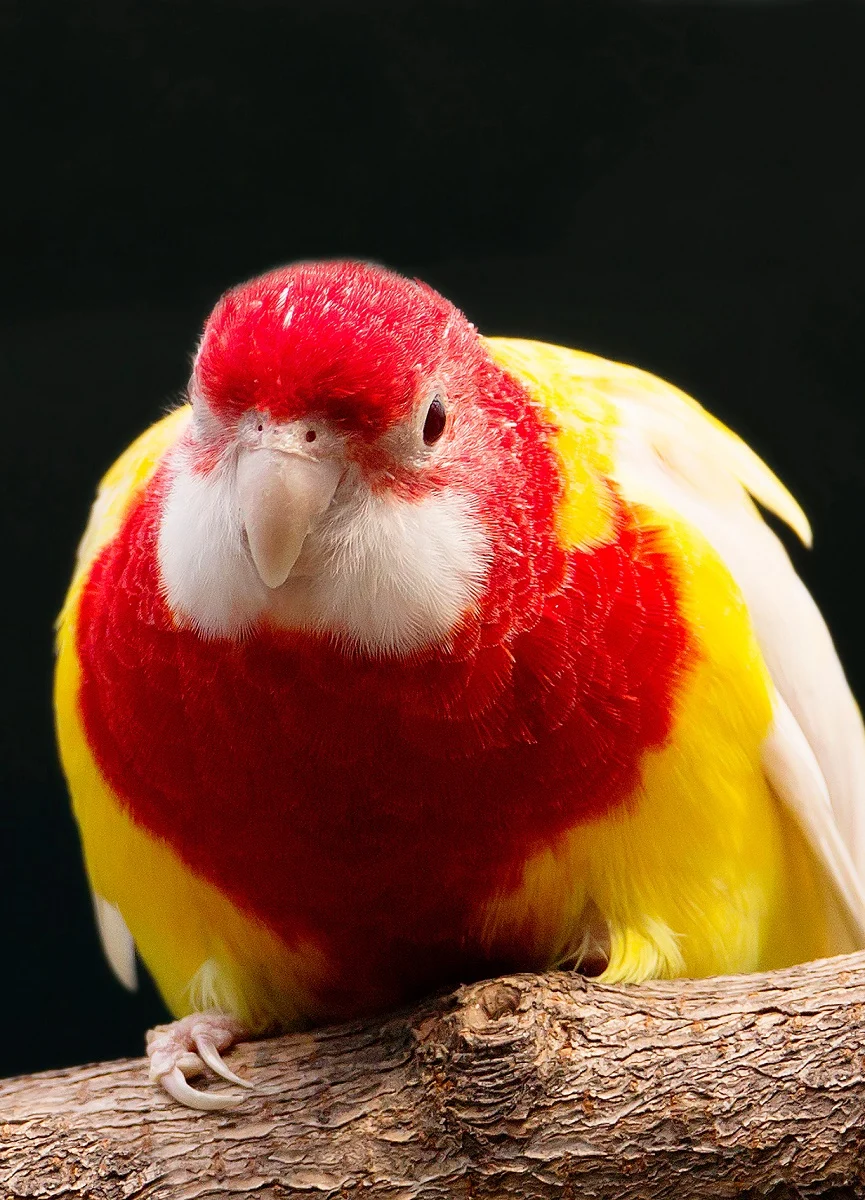
The Eastern Rosella (Platycercus eximius), a species renowned for its breathtaking plumage, stands as a testament to the vivid biodiversity of Australia. While parrots universally captivate with their coloration, the Eastern Rosella distinguishes itself with a striking mosaic of red, yellow, green, and blue, making it virtually impossible to overlook in its natural habitat. Despite its modest size, typically around 30 cm (12 inches) in length and weighing approximately 100 grams, its visual impact is profound. Beyond its aesthetic appeal, this Australian native is also a favored companion bird, cherished for its engaging and sociable disposition. With a potential lifespan ranging from 20 to 30 years, an Eastern Rosella represents a significant long-term commitment for pet owners, offering years of lively companionship.
Understanding the Eastern Rosella: Key Facts
| Attribute | Detail |
|---|---|
| Common Name(s) | Eastern Rosella |
| Scientific Name | Platycercus eximius |
| Natural Habitat | Lightly wooded areas, forest edges, open forests, parks, and farmlands in Southeastern Australia and Tasmania |
| Adult Size | Approximately 30 cm (12 inches) long; around 100 grams |
| Lifespan | 20-30 years in captivity |
| Noise Level (for a parrot) | Relatively low, primarily consisting of whistles and chattering |
| Conservation Status (IUCN) | Least Concern |
Appearance and Distinctive Features
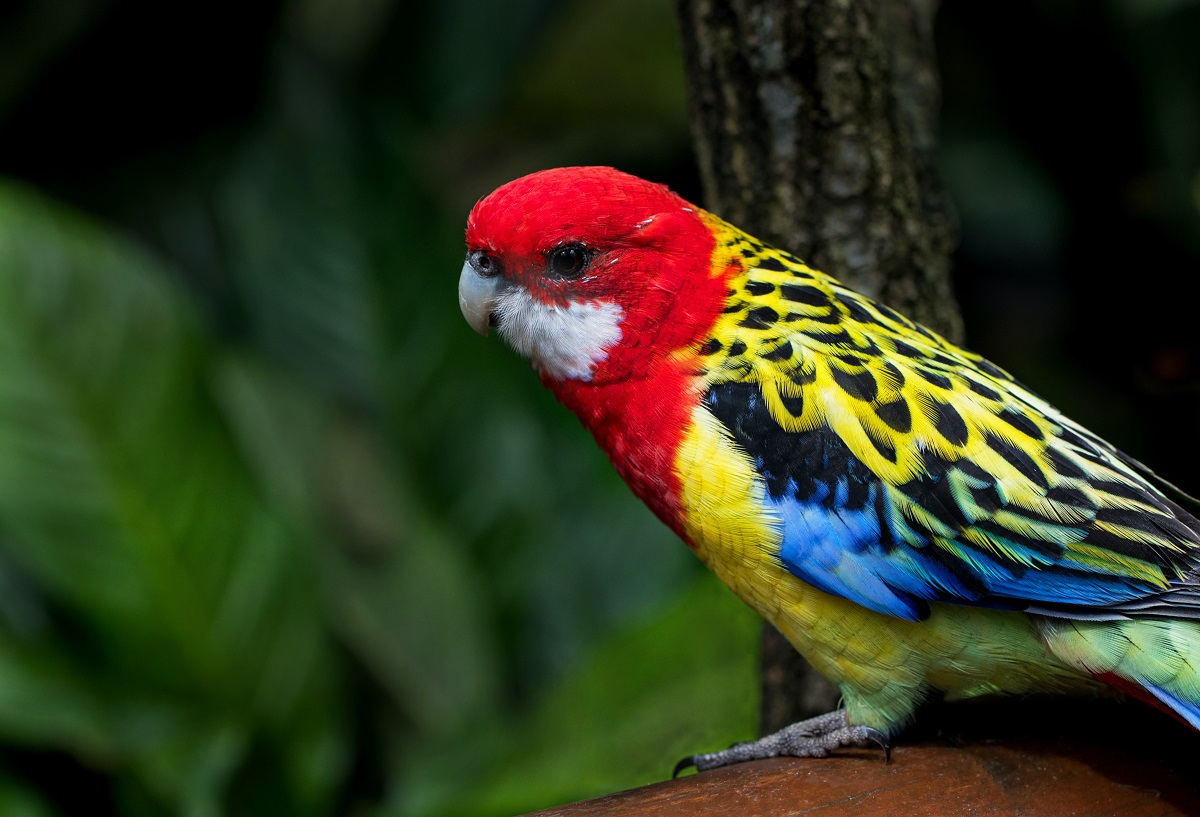
The Eastern Rosella’s appearance is a symphony of color. Its head and upper chest are a brilliant scarlet, sharply contrasted by clean white cheek patches. The lower chest transitions into a vibrant yellow-green, extending down to its "pants." The upper wing feathers display an intricate scalloped pattern of yellow-green and black, while the back is a rich green. The undersides of its wings are a striking blue, complementing its long, graduated blue-green tail. This complex palette ensures the bird is a spectacle of nature.
Three recognized subspecies of Platycercus eximius exist, each exhibiting subtle regional variations in their plumage and distribution:
- Platycercus eximius eximius (the nominate subspecies): Found primarily in Tasmania and southeastern Victoria, this variant typically displays the most intense and rich red coloration.
- Platycercus eximius elecica: Inhabiting northern New South Wales and southeastern Queensland, this subspecies often features a more pronounced yellow wash on its belly and slightly lighter red tones.
- Platycercus eximius diemenensis: Exclusively found in Tasmania, this population sometimes exhibits a slightly larger size and darker overall plumage compared to mainland birds, although distinctions can be subtle.
Juvenile Eastern Rosellas present a slightly muted version of their adult counterparts. Their colors are less vibrant, often appearing duller or more mottled, and their beaks are initially yellow, gradually transitioning to the adult white or bone color after their first molt. This crucial molt typically occurs between 2 and 6 months of age, after which their full adult plumage develops.
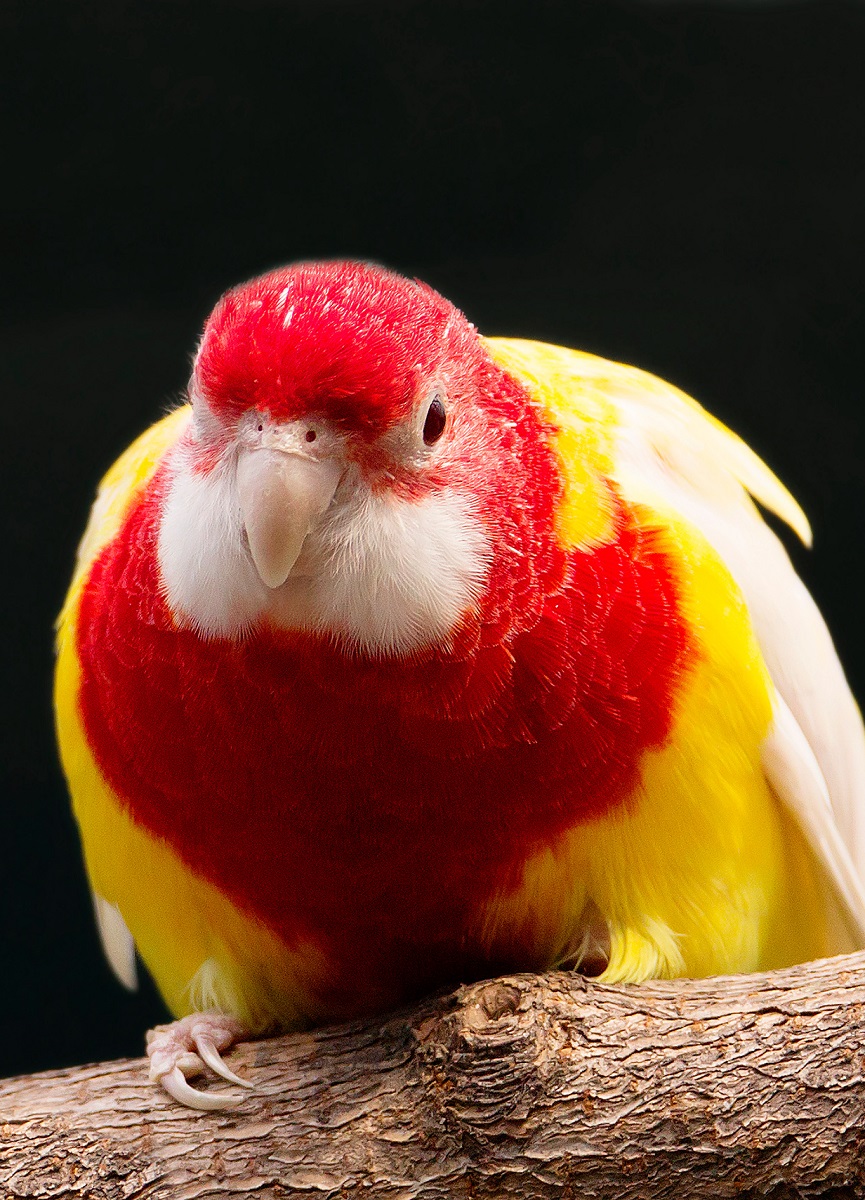
Beyond natural variations, the pet trade has seen the development of selectively bred color morphs. Rubino rosellas are a notable example, characterized by their striking red, yellow, and white plumage, completely devoid of the natural blue, green, or black tones. These morphs are highly sought after by aviculturists for their unique aesthetic.
Hybridization in the Wild
The avian world is full of fascinating genetic interactions, and the genus Platycercus is no exception. Eastern Rosellas are known to hybridize with other members of their genus where their ranges overlap, leading to unique and often stunning hybrid birds. Common crosses include the Eastern Rosella × Crimson Rosella (P. elegans) and the Eastern Rosella × Pale-headed Rosella (P. adscitus). These hybrids can pose challenges for species identification in the field but highlight the close genetic relationship within the Platycercus genus. Such hybridization events are a natural phenomenon that contribute to genetic diversity, although their long-term ecological impacts are continuously studied.
Sexual Dimorphism: Identifying Male and Female Rosellas
Determining the sex of an Eastern Rosella visually can be challenging, especially before the bird reaches full maturity and undergoes its first molt. However, once adult plumage is established, subtle differences often emerge:
- Males: Generally exhibit brighter, more intense coloration, particularly in the red of the head and chest. Their white cheek patches tend to be larger and more defined. Males also typically have a broader head and a slightly larger overall build.
- Females: Often have slightly duller or paler plumage compared to males. Their white cheek patches may be smaller, and their heads can appear narrower. In some instances, females might have a small amount of green flecking on the red of their head or chest.
While these visual cues are helpful, they are not entirely conclusive, and individual variation can occur. For definitive sex determination, particularly in breeding programs or for pet owners, DNA testing (e.g., feather or blood sample analysis) remains the most reliable method.
Geographic Distribution and Natural Habitat
The Eastern Rosella’s nomenclature aptly describes its natural range: it is endemic to Eastern and Southeastern Australia, including the island state of Tasmania. Its distribution spans across the eastern parts of Queensland, New South Wales, and Victoria.
Beyond its native shores, the Eastern Rosella has established a significant presence in New Zealand as an introduced species. The establishment of these populations is attributed to a combination of factors, including accidental escapes from captivity and deliberate releases. For instance, a notable incident in Dunedin involved the escape of 12 rosellas after their cage was destroyed, contributing to local populations. Another historical record from 1910 details a shipment of birds being released by the NZ Customs Department after entry was refused. These introduced populations highlight the adaptability of the species, but also raise ecological concerns regarding potential competition with native New Zealand bird species for resources and nesting sites.
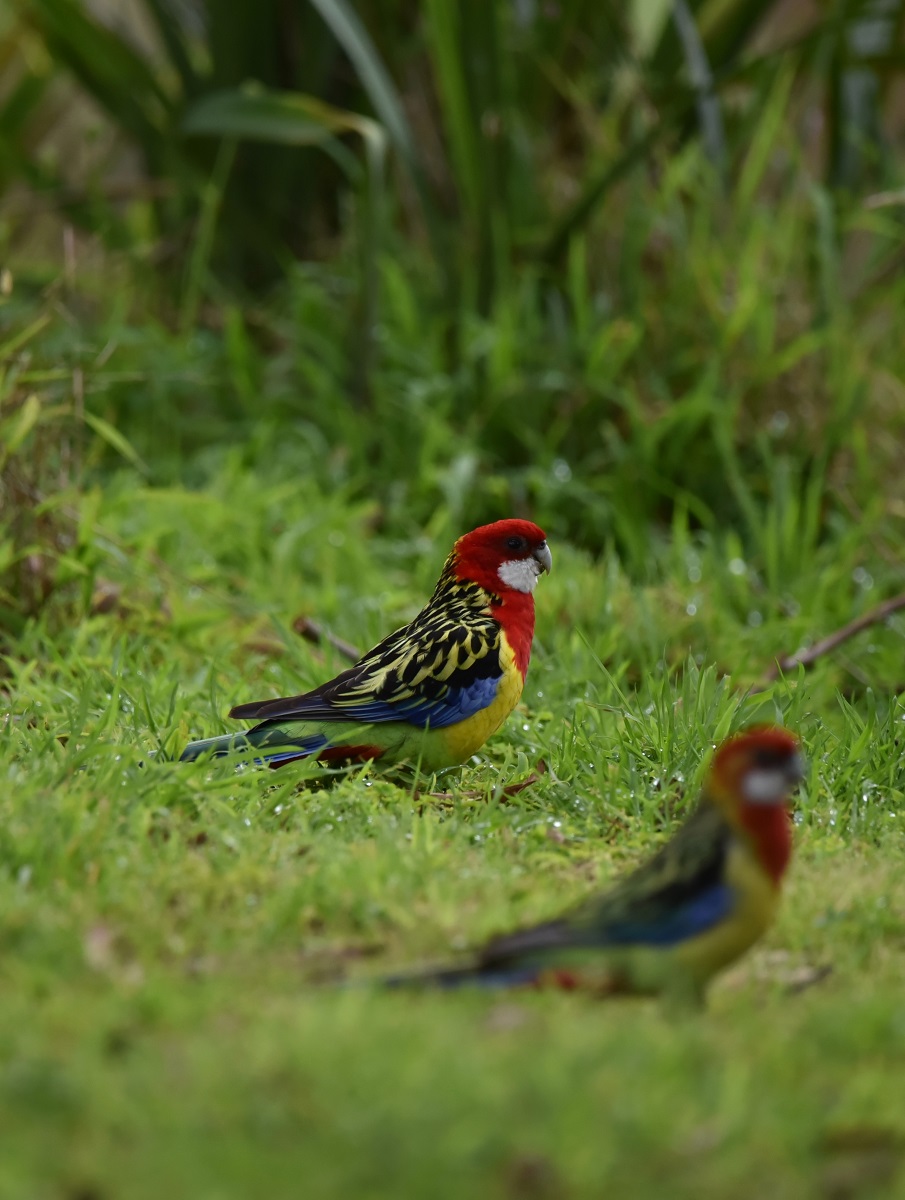
In its native environment, the Eastern Rosella thrives in a variety of lightly wooded habitats. These include open forests, forest edges, patches of eucalyptus trees, savannas, grasslands, and increasingly, human-modified landscapes such as parks, suburban gardens, and agricultural lands. They are found from sea level up to moderate altitudes, typically around 1,250 meters (4,100 feet), preferring areas with ample rainfall or reliable water sources. Wild Eastern Rosellas are generally observed in pairs or small family groups, occasionally foraging alongside other parrot and rosella species. Like most parrots, they are obligate cavity nesters, relying on hollows in mature trees for breeding, underscoring the importance of preserving old-growth forests.
Conservation Status and Ecological Dynamics
The International Union for Conservation of Nature (IUCN) Red List currently classifies the Eastern Rosella as a species of "Least Concern." This favorable status is attributed to its wide natural range and a population trend that appears to be stable, or even increasing in certain areas. This resilience is somewhat paradoxical, as it is often linked to human-induced habitat changes.
The conversion of native forests to agricultural land, while detrimental to many species, has inadvertently benefited the Eastern Rosella. The creation of open pastures interspersed with remnant woodlands, along with the cultivation of grain crops and orchards, provides abundant food sources and suitable nesting sites at forest edges. This adaptability to modified landscapes is a key factor in its current success. However, this success also places them in direct conflict with human agricultural interests, as they are known to raid crops, a situation explored further in their dietary habits. Conservation efforts, while not urgently focused on this species, still monitor population dynamics and potential impacts of further landscape changes.
Dietary Habits: Wild and Captive
The diet of the Eastern Rosella is varied and opportunistic, reflecting its adaptability across diverse environments.
In the Wild:
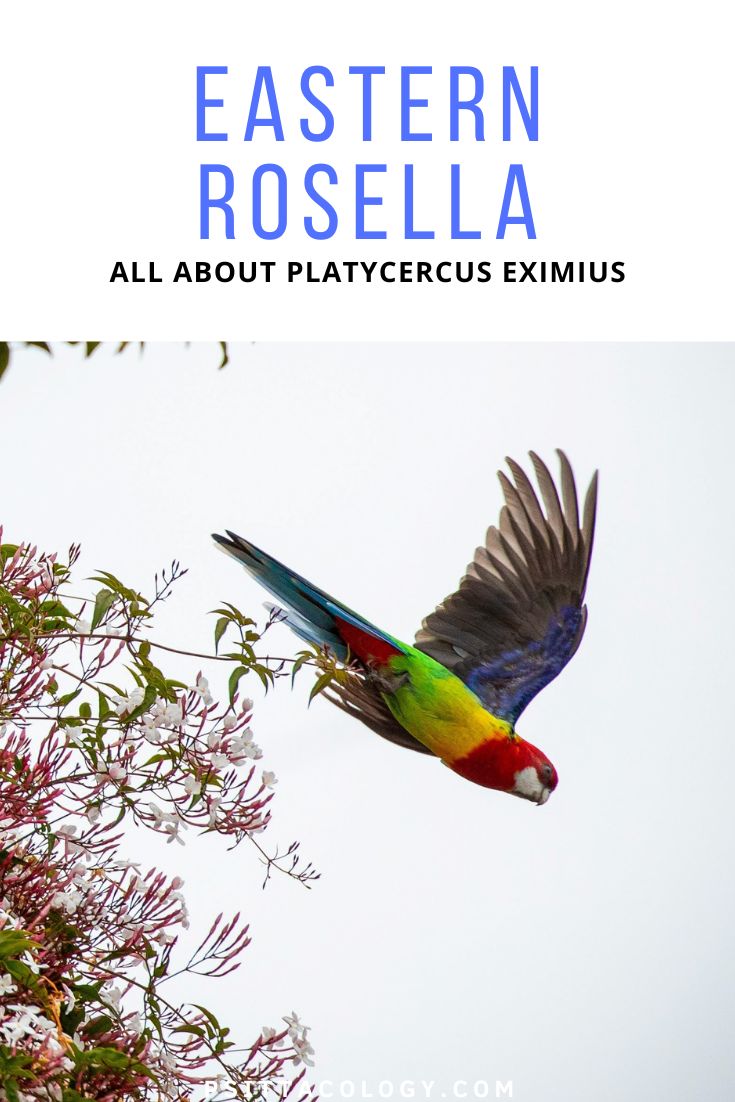
Wild Eastern Rosellas are primarily granivores, with seeds forming the cornerstone of their diet. They show a particular fondness for thistle seeds, but also consume a wide array of other seeds from native grasses, herbs, and eucalyptus trees. Fruits, such as wild berries and cultivated apples, are also significant components of their diet. Research indicates that they also consume nectar, flowers, flower buds, and a variety of insects, including larvae and small arthropods, particularly during breeding season when protein requirements are higher. This diverse foraging strategy allows them to exploit available resources efficiently.
For centuries, Eastern Rosellas and their rosella cousins have been perceived as agricultural pests in Australia. Their penchant for raiding orchards and grain fields has led to significant economic losses for farmers. Despite being protected by law, permits are occasionally granted to farmers to cull rosellas if substantial crop damage can be proven and other deterrent methods have failed. This ongoing conflict highlights the complex relationship between wildlife conservation and agricultural sustainability in areas of high biodiversity.
In Captivity:
Given their varied natural diet, providing a balanced nutritional regimen for captive Eastern Rosellas is paramount for their health and longevity. Veterinarians and avian specialists advocate for a base diet of high-quality, species-appropriate pellets, which provide a complete and balanced nutritional foundation.
Supplementing the pellet diet with a wide array of fresh produce is crucial. Daily offerings should include various vegetables, such as dark leafy greens (e.g., kale, spinach, romaine lettuce), carrots, bell peppers, broccoli, and sweet potatoes. Fruits, rich in vitamins and antioxidants, can be offered a few times a week, including apples (without seeds), berries, oranges, bananas, and melons. It is vital to avoid toxic foods like avocado, chocolate, caffeine, and fruit pits, which contain cyanide.
Further dietary enrichment can include sprouted seeds (which increase nutrient availability), cooked whole grains like brown rice, quinoa, and whole-wheat pasta, and occasional protein sources such as small amounts of cooked chicken or hard-boiled egg, and freeze-dried mealworms. Foraging for parrot-safe native branches, weeds, and flowers (e.g., dandelions, hibiscus) can also provide nutritional benefits and mental stimulation. Access to a cuttlebone or mineral block should also be provided for calcium and other trace elements.
The Eastern Rosella as a Pet
The Eastern Rosella’s captivating beauty, combined with its generally pleasant demeanor, has solidified its place as a popular pet parrot. While commonly kept in aviaries, often for their visual appeal, their somewhat territorial nature means they are not always ideal for cohabiting with smaller, less assertive species like budgies. However, for those seeking an indoor companion, a well-socialized Eastern Rosella can be a rewarding choice. They are known for being active, curious, and social, though often more independent than some other parrot species. Many rosellas still form strong bonds with their human caregivers and enjoy interactive playtime.
Housing Requirements:
Providing adequate housing is critical for the well-being of any parrot. For an Eastern Rosella, the adage "the bigger the cage, the better" holds true. A minimum cage length of 1 meter (approximately 40 inches) is recommended to allow the bird sufficient space to stretch its wings and engage in short flights. The cage bar spacing should be no more than 1.25 cm (0.5 inches) to prevent escapes and injuries. The cage should be constructed from durable, non-toxic materials, preferably stainless steel.
Within the cage, a variety of natural perches of different diameters and textures (e.g., eucalyptus, bottlebrush, java wood) are essential for foot health. Food and water bowls should be made of stainless steel or ceramic and kept meticulously clean. A dedicated bathing dish or regular misting is also beneficial for feather health.
Enrichment and Mental Stimulation:
Parrots are highly intelligent creatures prone to boredom, which can lead to stress-related behaviors such as feather plucking or excessive screaming. Therefore, providing ample enrichment is crucial for an Eastern Rosella’s mental and physical health.
- Toys: A diverse rotation of parrot-safe toys designed for chewing, shredding, and manipulation is vital. This includes wooden blocks, natural fiber ropes, acrylic toys, and bells.
- Foraging Opportunities: Incorporating puzzle feeders or hiding food items within the cage encourages natural foraging behaviors, stimulating their minds and preventing boredom.
- Out-of-Cage Time: Supervised time outside the cage, whether on a play stand or in a parrot-proofed room, allows for exercise and exploration.
- Social Interaction: Regular interaction with their human companions through talking, playing, and training strengthens bonds and provides essential social stimulation.
- Environmental Variety: Changing cage layouts, introducing new perches, or offering safe branches from outside (e.g., eucalyptus) can keep their environment stimulating.
Noise Level and Talking Ability:
Compared to many larger parrot species, Eastern Rosellas are not typically considered excessively loud. While all parrots produce vocalizations, rosellas are known more for their melodious whistles, chattering, and cheerful cheeps rather than piercing flock calls. This makes them potentially suitable for apartment living, provided walls are not unusually thin. Recordings of their vocalizations are available through resources like Xeno-Canto (Platycercus eximius) for those wishing to hear their distinct calls.
Regarding talking ability, Eastern Rosellas are not among the most prolific talkers in the parrot world, but they certainly can learn. With patience, consistent training, and positive reinforcement, many rosellas can mimic household sounds, short phrases, or even brief tunes. Their ability to imitate is often a pleasant surprise for their owners.
Safety and Emergency Preparedness:
Due to their inherent curiosity and delicate nature, parrots can easily encounter hazards in a household environment. It is imperative for owners to parrot-proof any area their rosella has access to. This includes securing windows and mirrors, covering open toilets, removing toxic plants, storing cleaning products safely, and being aware of potential dangers like ceiling fans or hot stoves.
Owners should also be familiar with basic parrot emergency care. Knowing how to recognize signs of illness or injury (e.g., lethargy, fluffed feathers, changes in droppings, loss of appetite) and having access to an avian veterinarian are critical. Regular check-ups with an avian vet are essential for preventative care and early detection of common parrot ailments, such as respiratory infections, psittacosis, or fatty liver disease.
Broader Implications and Responsible Ownership
The Eastern Rosella’s adaptability, both in the wild and in captivity, underscores its fascinating biology. Its "Least Concern" conservation status serves as a reminder that habitat alteration can sometimes inadvertently benefit certain species, even as it threatens others. However, the conflict with agriculture highlights the ongoing challenge of balancing human needs with wildlife protection.
For potential pet owners, the Eastern Rosella represents a significant, long-term commitment. Responsible ownership entails not only providing a species-appropriate diet, spacious housing, and ample enrichment but also understanding their unique behavioral traits and health needs. By offering a stimulating and safe environment, owners can ensure these vibrant parrots thrive, providing years of companionship and a living splash of Australia’s extraordinary avian beauty.

