


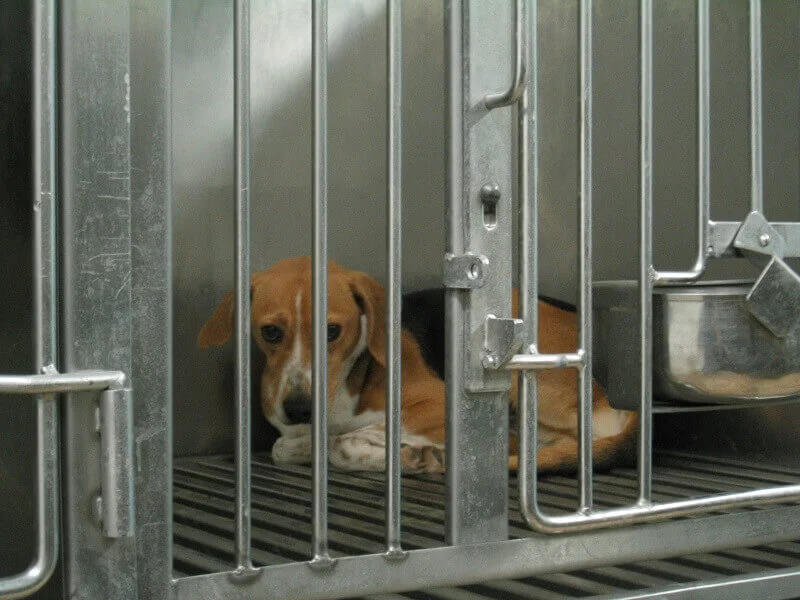
Every year, tens of thousands of domesticated animals—predominantly dogs and cats—end up behind the locked doors of research facilities across the United States. Subjected to invasive procedures, induced illnesses, and chemical toxicity tests, these animals endure profound physical and psychological trauma in the name of scientific discovery. While the scientific community has long defended animal testing as a necessary baseline for biomedical advancements, a growing chorus of lawmakers, ethicists, and animal welfare advocates argues that modern technology has rendered outdated practices obsolete.
In a significant legislative development, U.S. Representatives Nick Langworthy (R-N.Y.-23) and Mark Pocan (D-Wis.-02) have introduced the Companion Animal Protection Against Cruel Testing (COMPACT) Act. This bipartisan bill seeks to fundamentally alter how federal tax dollars are allocated for scientific research, specifically targeting the Department of Health and Human Services (HHS) and its constituent agencies, including the National Institutes of Health (NIH). If passed, the legislation would prohibit the disbursement of federal grants, contracts, cooperative agreements, and fellowships for any research involving dogs and cats, marking a potentially historic turning point in federal animal testing policy.
The Scope of the Crisis: Dogs and Cats in U.S. Laboratories
Statistical data compiled from federal oversight reports and animal advocacy organizations paint a grim picture of laboratory conditions for companion animals. Annually, more than 42,000 dogs are utilized in U.S. laboratories. Within this population, Beagles are disproportionately represented. Researchers favor the breed due to their gentle temperament, manageable size, and innate docility, which makes handling during invasive procedures simpler for laboratory technicians.
Cats are subjected to similar fates, with approximately 12,000 felines enduring experimental protocols each year. The procedures performed on these animals span a wide array of painful interventions. Records from various institutions indicate that subjects are frequently subjected to surgical alterations, infected with debilitating or painful diseases, and force-fed concentrated chemical compounds to observe toxicity thresholds. Following the conclusion of these studies, the animals are routinely euthanized, and their organs are harvested for further tissue analysis.
Critics of these practices argue that the psychological toll on these highly social animals is equally devastating. Confined to sterile, isolated cages for the duration of their lives, dogs and cats—species evolved for companionship and complex environmental interaction—suffer from severe sensory deprivation and stress-induced behavioral abnormalities.
Legislative Mechanics of the COMPACT Act
The introduction of the COMPACT Act represents a targeted legislative strike against the financial lifelines supporting animal-based biomedical research. Under the proposed framework, the restrictions would apply universally across all divisions of the Department of Health and Human Services.
The mechanism of the bill is straightforward yet sweeping:
- Immediate cessation of federal funding for any internal or external research projects involving dogs or cats.
- A ban on the utilization of federal grants, contracts, and cooperative agreements for facilities conducting such experiments.
- The elimination of federal fellowships and training awards tied to programs that rely on canine or feline subjects.
Proponents of the bill emphasize that the legislation does not seek to ban animal testing outright through a sweeping criminal prohibition; rather, it uses the power of the federal purse strings to incentivize the scientific community to pivot toward non-animal methodologies. By cutting off HHS funding—which represents a substantial portion of the financial support for academic and private research institutions—the bill forces laboratories to reevaluate their experimental designs.
Historical Context and the Evolution of Animal Testing Regulations
The debate over the ethics and necessity of animal experimentation is not new. For decades, federal oversight has slowly evolved, balancing the demands of medical advancement against growing public concern for animal welfare.
The foundational federal statute governing the treatment of animals in research is the Animal Welfare Act (AWA), originally passed in 1966. While the AWA established baseline standards for the housing, feeding, and veterinary care of certain warm-blooded animals in laboratories, critics have long argued that the law contains significant loopholes. For instance, mice, rats, and birds—which comprise the vast majority of laboratory animals—are excluded from AWA protections. While dogs and cats are explicitly covered, the law permits extensive experimentation so long as pain-mitigating drugs are administered, provided they do not interfere with the scientific goals of the study.
Over the late 20th and early 21st centuries, public pressure spurred incremental reforms. In 1993, the NIH Revitalization Act mandated the creation of the NIH Office of Alternative Medicine and encouraged the development of the "Three Rs": Replacement, Reduction, and Refinement. These principles urge researchers to replace animals with non-sentient alternatives where possible, reduce the number of animals used per experiment, and refine procedures to minimize pain and distress.
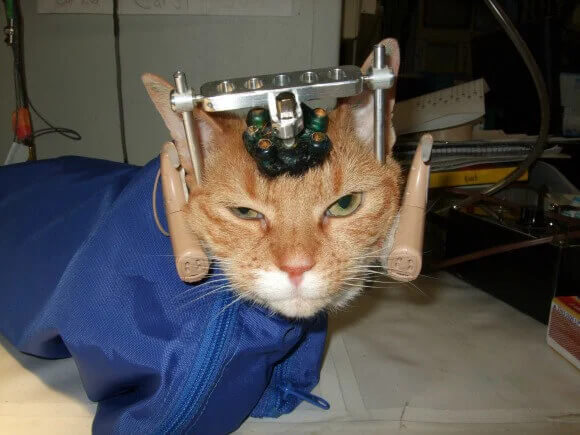
Despite these guidelines, progress has been incremental. The continued reliance on dogs and cats—species with high emotional resonance among the general public—has kept the issue in the political spotlight. Incidents of alleged mismanagement or excessive cruelty at federally funded research facilities, frequently uncovered through Freedom of Information Act (FOIA) requests by watchdog groups, have periodically inflamed public indignation and set the stage for aggressive legislative interventions like the COMPACT Act.
Arguments from Both Sides: Ethics Versus Medical Innovation
The introduction of the COMPACT Act has reignited a fierce, polarized debate between biomedical researchers and animal welfare advocates.
The Case for Animal Testing
Representatives from the biomedical research community, including associations representing universities and pharmaceutical companies, contend that animal models remain indispensable for translating basic scientific discoveries into safe, effective treatments for human patients.
Proponents of traditional research argue that:
- Biological Complexity: Living organisms possess complex, interconnected systems—such as cardiovascular, nervous, and immune networks—that cannot yet be fully replicated by computer simulations or in vitro cell cultures.
- Safety Protocols: Regulatory agencies, such as the Food and Drug Administration (FDA), historically require comprehensive animal toxicity and pharmacokinetic data before granting approval for human clinical trials. Testing on mammals like dogs is viewed as a critical safety checkpoint to identify adverse physiological reactions prior to human exposure.
- Past Successes: Countless medical milestones, ranging from the development of vaccines to surgical techniques and cancer therapies, relied heavily on animal models during their developmental phases.
The Case Against Animal Testing
Conversely, animal welfare organizations, ethical philosophers, and a growing number of scientists argue that the physiological differences between humans and other mammals often limit the translational accuracy of animal studies.
Key arguments from opponents of canine and feline experimentation include:
- Translational Failure Rates: Critics point to studies indicating that a significant percentage of drugs found safe and effective in animal models ultimately fail in human clinical trials due to lack of efficacy or unforeseen toxicity.
- Advancements in Alternatives: Modern science has made monumental strides in developing sophisticated non-animal alternatives. These include organ-on-a-chip technology, 3D human cell cultures, computer-based predictive toxicology, and advanced computational modeling, which can often provide more human-relevant data faster and at a lower financial cost.
- Ethical Imperative: Advocates maintain that sentient creatures capable of suffering deserve moral consideration that outweighs the questionable predictive value of outdated testing methods.
Broader Implications and Economic Impact
The potential passage of the COMPACT Act carries significant implications for the broader landscape of American scientific research.
Financially, research institutions that currently rely on HHS grants to fund facilities housing dogs and cats would face immediate budgetary adjustments. Universities and private contract research organizations (CROs) would need to reallocate resources, phase out existing canine and feline colonies, and pivot their research programs toward alternative methodologies to remain eligible for federal funding.
From a regulatory perspective, the bill could compel agencies like the FDA to accelerate their ongoing modernization efforts regarding non-animal testing requirements. In recent years, legislative changes—such as the modernization provisions included in the 2023 federal spending bill, which removed the strict statutory requirement for animal testing in all new drug applications—have signaled a shifting regulatory appetite. The COMPACT Act aligns with this broader trajectory, potentially serving as a catalyst for a systemic transformation in how biomedical research is conducted and funded in the United States.
Public Engagement and Next Steps
As the COMPACT Act moves through the legislative process, the success of the initiative will heavily depend on grassroots mobilization and congressional support. Animal advocacy groups have launched nationwide campaigns encouraging citizens to contact their respective members of Congress to voice support for the legislation.
Public involvement remains a potent force in shaping animal welfare policy. By urging lawmakers to sponsor and vote for the COMPACT Act, advocates aim to transition the nation’s research infrastructure away from the reliance on dogs and cats, ushering in an era of biomedical innovation driven by advanced, human-relevant technology.

