


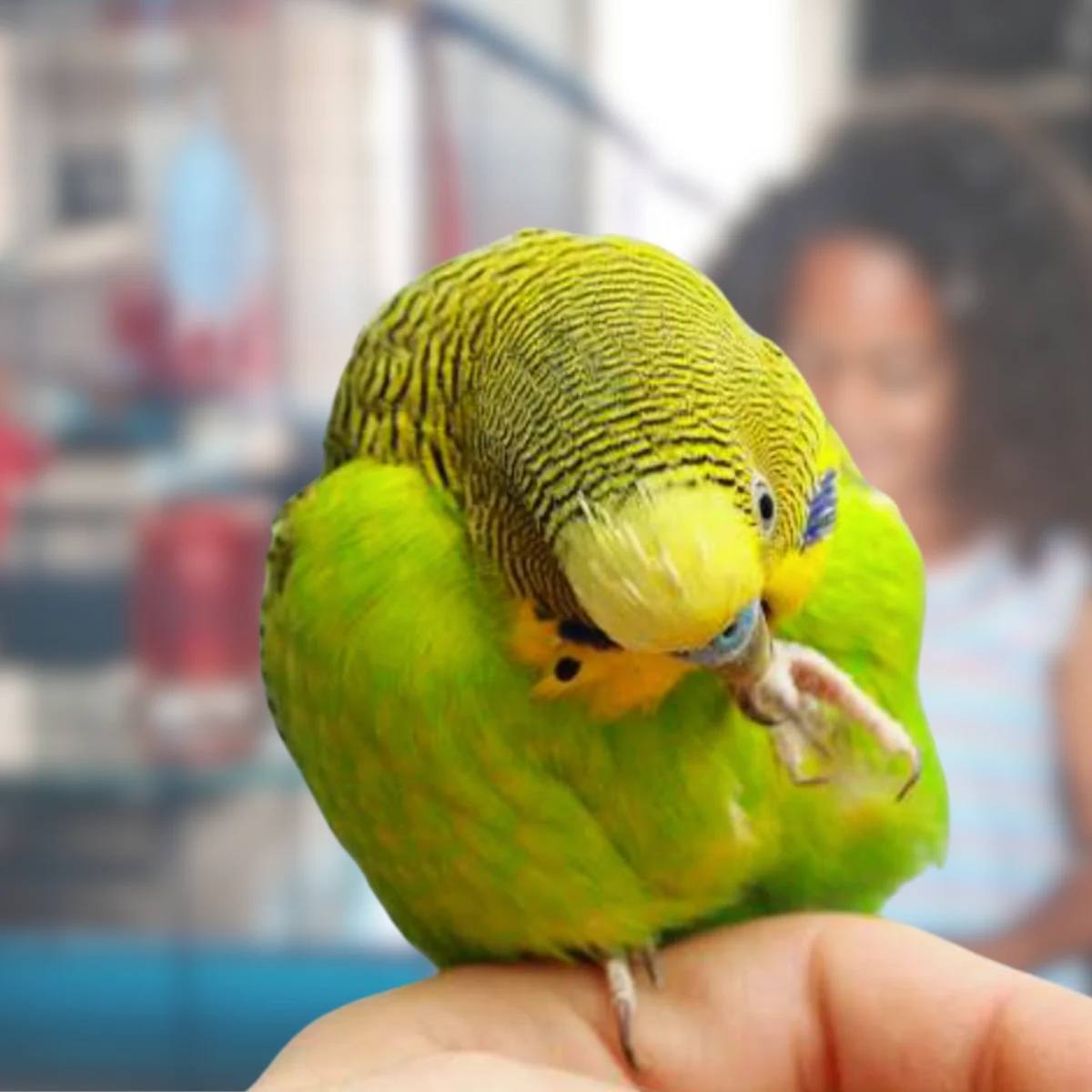
The sight of a bird biting its own feet is among the most alarming scenarios a bird owner can witness, serving as an unequivocal indicator that a significant underlying issue is at play. Given that birds spend their entire lives bearing weight on their feet, even a minor injury can rapidly escalate into a profoundly painful and potentially debilitating condition. This comprehensive guide aims to equip avian caregivers with the knowledge to provide immediate care, alleviate discomfort, and address the root causes of avian pododermatitis and self-mutilation. While this information offers a critical pathway for initial response and interim management, it is imperative to understand that it serves as a bridge to professional veterinary care, not a replacement for it. The goal is to stabilize the bird and gather crucial information to facilitate a rapid and effective healing journey in collaboration with an avian veterinarian.
Understanding the Gravity of Avian Pododermatitis and Self-Mutilation
Bird foot chewing, or pododermatitis-related self-mutilation, is a critical behavioral emergency in avian husbandry. Unlike feather plucking, which can also signal distress but often progresses more slowly, foot chewing poses an immediate and severe threat due to the rapid potential for deep tissue damage, infection, and systemic complications. The avian foot is a complex structure, vital for perching, locomotion, foraging, and even thermoregulation. Its delicate nature means that any injury, especially one inflicted by the bird itself, can quickly compromise its overall health and quality of life. Owners must recognize this behavior not as a mere quirk, but as a desperate plea from their pet, signaling pain, intense irritation, or profound anxiety.
The Silent Language of Distress: Why Birds Chew Their Feet
Birds are masters of concealing illness and pain, an evolutionary adaptation to avoid appearing vulnerable to predators. This innate tendency means that by the time a bird exhibits overt symptoms like self-mutilation of its feet, the underlying problem is often well-established and requires urgent intervention. Foot chewing is considerably less common than feather plucking across most avian species, but when it does manifest, it carries a higher degree of immediate physical risk. Avian experts and behavioral studies consistently highlight that birds rarely resort to such extreme self-injurious behavior unless something is profoundly amiss within their physiological or psychological state. The rapid escalation from minor irritation to severe wounds or infections distinguishes foot chewing as a behavioral emergency demanding swift and decisive action.
Categorizing the Root Causes: A Deeper Dive
Identifying why a bird is chewing its feet is paramount for effective treatment and long-term prevention. The causes are multifaceted, often overlapping, and can be broadly categorized into medical, environmental, and psychological factors.
-
Medical and Physiological Factors:
- Pododermatitis (Bumblefoot): This common condition involves inflammation and infection of the footpads, often due to improper perching surfaces, obesity, or vitamin A deficiency. The discomfort can lead to obsessive chewing.
- Injuries: Splinters, cuts, abrasions, burns, or even overgrown nails can cause acute pain, prompting the bird to chew at the affected area.
- Infections: Bacterial, fungal, or parasitic infections (e.g., mites) on the feet can cause intense itching, irritation, and pain.
- Arthritis or Gout: Chronic pain conditions affecting the joints of the feet can lead to chewing as a coping mechanism.
- Systemic Illnesses: Kidney disease, liver disease, or other internal ailments can manifest as discomfort or neuropathy in the extremities, leading to self-mutilation.
- Nutritional Deficiencies: Lack of essential vitamins and minerals, particularly Vitamin A and calcium, can compromise skin and foot health, increasing susceptibility to injury and irritation.
- Neurological Issues: Nerve damage or neurological disorders can cause abnormal sensations (paresthesia) in the feet, leading to compulsive chewing.
- Allergies: While less common, some birds may develop contact dermatitis or food allergies that manifest as itchy feet.
-
Environmental Stressors and Husbandry Issues:
- Inappropriate Perches: Using perches of uniform diameter, overly smooth perches (like dowels), or abrasive perches can lead to pressure sores, discomfort, and foot problems. A variety of natural branches of varying diameters and textures is crucial.
- Poor Cage Hygiene: A dirty cage, especially one with soiled perches or substrate, can harbor bacteria and fungi, leading to infections and irritation.
- Low Humidity: Dry environments can lead to dry, flaky skin on the feet, causing itching and discomfort.
- Lack of Enrichment: A barren cage devoid of toys, foraging opportunities, and mental stimulation can lead to boredom and frustration, manifesting as destructive behaviors like self-mutilation.
- Over-preening/Grooming: While not directly environmental, improper grooming habits by the owner (e.g., clipping nails too short) can cause pain and lead to the bird trying to "fix" the problem itself.
-
Behavioral and Psychological Underpinnings:
- Anxiety and Stress: Birds are highly sensitive creatures. Changes in routine, introduction of new pets, loud noises, lack of sleep, or perceived threats can induce severe stress and anxiety, which may manifest as self-injurious behavior.
- Boredom and Frustration: Intelligent birds, particularly parrots, require significant mental and physical stimulation. Chronic boredom can lead to redirected energy and self-mutilation.
- Learned Behavior: If foot chewing temporarily relieves discomfort or gains attention, it can become a learned behavior, even after the initial physical cause has resolved.
- Species Predisposition: Certain species, such as Cockatoos, African Greys, and some Conures, are statistically more prone to self-mutilation behaviors, including feather plucking and, in severe cases, foot chewing, often linked to their high intelligence and emotional needs.
Recognizing the Emergency: Critical Signs to Watch For
Early detection of the severity of foot problems is crucial. While some mild chewing might be transient, certain signs unequivocally indicate an emergency requiring immediate attention. Bird owners must adopt a detective’s mindset, as birds are adept at masking their pain. Key indicators of a serious problem include:
- Bleeding or Open Wounds: Any visible blood, lacerations, or breaks in the skin are immediate red flags for infection and severe pain.
- Redness or Swelling: Inflammation around the foot or individual toes suggests infection, trauma, or severe irritation.
- Missing Nails or Scabby Spots: These indicate chronic trauma, self-mutilation, or deep-seated infection. Scabs suggest previous wounds that may not have healed properly.
- Limping or Avoiding Pressure: A bird favoring one foot, shifting weight excessively, refusing to perch, or exhibiting difficulty walking is experiencing significant pain.
- Obsessive Chewing: Persistent, aggressive chewing that causes visible damage, rather than exploratory nibbling, is a clear sign of distress.
- Changes in Demeanor: Lethargy, loss of appetite, ruffled feathers, or unusual aggression can accompany severe pain and infection.
Immediate First Response: A Step-by-Step Guide for Owners
Upon observing a bird chewing its feet, immediate, calm action is essential. These steps are designed to stabilize the bird and prevent further injury while preparing for professional veterinary intervention.
-
Stabilization and Initial Assessment:
- Handle with Care: Approach your bird calmly. Gently wrap your bird in a soft, clean towel (a "bird burrito") to restrain it gently and prevent further self-injury. This also provides a sense of security for the bird.
- Inspect Both Feet: Carefully examine both feet, not just the one being chewed, for any signs of injury, swelling, discoloration, or foreign objects. Look between the toes and on the pads.
- Stop Bleeding: If there is active bleeding, apply gentle pressure with a clean gauze pad. For minor bleeding, cornstarch or styptic powder can be used. Do not use caustic agents or household powders that are not specifically designed for wound care.
- Clean the Area: Gently rinse the affected foot with warm, filtered water or a bird-safe saline solution. This helps remove debris and potential irritants. Ensure the water is body temperature to avoid shocking the bird.
-
Sanitation and Pain Relief: The Salt Soak Method:
- Preparation: Prepare a shallow bowl with one cup of warm, filtered water (approximately 100-105°F or 38-40°C) and dissolve 1/8 teaspoon of plain, non-iodized sea salt. Optionally, add two tablespoons of pure aloe vera juice (ensure it’s pure, no additives) for its antiseptic and soothing properties.
- Application: Gently dip the affected foot into the solution for 30-60 seconds. The goal is to soothe and disinfect, not to force the bird into a stressful situation. If your bird becomes agitated, soak a soft cloth or cotton ball in the solution and gently dab the foot instead.
- Drying: After soaking, gently pat the foot dry with a soft, clean cloth. Avoid rubbing, as this can irritate the wound further.
- Frequency: This soak can be performed once or twice daily, but always monitor your bird’s reaction. Crucially, prevent your bird from drinking the solution, as excessive salt intake can be harmful.
-
Safe Topical Applications and What to Avoid:
- Approved Treatments:
- Pure Aloe Vera Gel: Apply a thin layer of pure aloe vera gel (ensure no alcohol or additives) for its soothing and anti-inflammatory properties.
- Vetericyn Spray: This hypochlorous acid-based spray is widely recognized as bird-safe and effective for wound cleaning and infection control.
- Medical Grade Manuka Honey: A small dab of medical-grade Manuka honey can be applied for its antimicrobial and healing properties. Ensure it is pure and the bird cannot ingest large quantities.
- Products to Avoid:
- Neosporin (or other antibiotic ointments with pain relievers): Many contain ingredients toxic to birds if ingested, and birds will inevitably try to preen the area.
- Hydrogen Peroxide: Can be too harsh and damage healthy tissue, delaying healing.
- Alcohol: Extremely drying and painful for open wounds.
- Scented Lotions or Creams: Contain chemicals and fragrances that are irritating or toxic.
- Approved Treatments:
-
Creating a Sanctuary: Protecting the Injured Foot:
- Recovery Cage: Transfer your bird to a smaller, recovery-focused cage with a soft, clean substrate (e.g., clean towels or paper bedding, changed frequently) to prevent pressure on the feet and absorb exudates.
- Appropriate Perches: Remove all standard perches and replace them with flat or soft, towel-wrapped perches. This distributes weight more evenly and reduces pressure points. Ensure they are low to the ground to prevent falls.
- Environmental Control: Maintain a warm, consistent temperature and keep the lights low to reduce stress. A slightly elevated humidity level can also aid skin healing.
- Physical Barrier: If the bird continues to mutilate the foot, a bird-safe soft collar (e.g., an Elizabethan collar designed for birds) may be necessary to block access to the injury. This should be a temporary measure and fitted by a professional or with careful guidance.
Beyond First Aid: The Crucial Role of Avian Veterinary Care
Even if initial home care seems to calm the chewing and improve the wound, professional veterinary consultation is non-negotiable. The underlying cause must be diagnosed and treated to prevent recurrence and long-term complications.
-
Diagnostic Approaches:
- Thorough Physical Exam: An avian vet will conduct a comprehensive physical examination, focusing on the feet, posture, and overall health.
- Blood Work: Complete blood count (CBC) and biochemistry panel can reveal signs of infection, inflammation, organ dysfunction, or nutritional deficiencies.
- Radiographs (X-rays): Can identify fractures, arthritis, gout, foreign bodies, or bone infections.
- Culture and Sensitivity: Samples from wounds can be cultured to identify specific bacteria or fungi and determine the most effective antibiotics or antifungals.
- Biopsy: In some cases, a tissue sample may be taken for histopathological examination to rule out tumors or other specific conditions.
- Behavioral Assessment: The vet, possibly in consultation with an avian behaviorist, will inquire about the bird’s history, environment, diet, and any recent changes to identify behavioral triggers.
-
Professional Treatment Strategies:
- Medication: Depending on the diagnosis, treatment may include oral antibiotics, antifungals, anti-inflammatory drugs, or pain relievers.
- Wound Management: Vets may perform debridement (removal of dead tissue), apply specialized dressings, or administer injections directly into the foot.
- Nutritional Support: Dietary adjustments, including supplements, may be recommended to address deficiencies.
- Environmental Modification: Guidance on optimal cage setup, perches, and enrichment will be provided.
- Behavioral Therapy: For stress-induced chewing, a vet or avian behaviorist may recommend specific behavioral modification techniques, increased enrichment, or even anti-anxiety medications in severe cases.
- Surgery: In rare, severe cases, surgical intervention may be required for deep infections, foreign body removal, or even amputation if the foot is irrevocably damaged.
Unraveling the Mystery: Investigating Underlying Behavioral Triggers
While attending to the physical wound, owners must concurrently play detective to uncover the "why." This requires meticulous observation and record-keeping:
- Pain Assessment: Is there an obvious source of pain that was missed?
- Environmental Review: Is the bird suffering from chronic boredom due to a lack of mental and physical stimulation?
- Recent Changes: Have there been any significant shifts in the bird’s environment, such as a new pet, a new family member, construction noise, altered sleep patterns, or a change in diet? Even subtle changes can be highly stressful.
- Species Predisposition: Is the bird a species known for stress-induced self-mutilation (e.g., Cockatoos, African Greys), suggesting a higher need for environmental enrichment and emotional support?
Documenting these observations will provide invaluable information for your avian veterinarian and behaviorist, accelerating the diagnostic process and leading to a more targeted treatment plan.
Proactive Measures: Optimizing Habitat for Avian Well-being
Prevention is always superior to cure. Many instances of foot chewing can be mitigated by ensuring an optimal living environment that addresses both physical and psychological needs.
- Cleanliness and Disinfection: Regular cleaning and disinfection of the cage, perches, and toys are fundamental to preventing bacterial and fungal infections.
- Enrichment and Stimulation: Provide a variety of safe, engaging toys that encourage natural behaviors like chewing, foraging, and climbing. Rotate toys frequently to maintain interest.
- Proper Perch Variety: Offer perches of varying diameters, textures, and materials (e.g., natural branches, rope perches, calcium perches) to exercise different foot muscles and prevent pressure sores. Avoid dowel perches as the sole option.
- Humidity Control: Monitor ambient humidity, especially in dry climates. A humidifier can be beneficial, particularly for species native to humid regions.
- Stress Reduction: Maintain a consistent routine, provide a quiet resting area, and minimize exposure to loud noises or sudden changes. Ensure adequate sleep (10-12 hours in darkness).
- Balanced Nutrition: A high-quality, species-appropriate diet, often including a pelleted base supplemented with fresh fruits, vegetables, and occasional safe treats, is essential for overall health and strong immunity.
The Long-Term Outlook: Prevention and Ongoing Management
Even after successful treatment, ongoing vigilance is necessary. Birds that have exhibited self-mutilation may be prone to recurrence if underlying stressors are not fully addressed or if the environment becomes suboptimal again. This involves:
- Continuous Monitoring: Regular inspections of the bird’s feet and general demeanor.
- Environmental Optimization: Periodically re-evaluating and upgrading the cage, perches, and enrichment to keep pace with the bird’s evolving needs.
- Behavioral Awareness: Understanding your bird’s unique personality and stress triggers, and proactively managing them.
- Routine Veterinary Check-ups: Annual or bi-annual check-ups with an avian vet are crucial for early detection of health issues before they escalate.
Expert Insight: The Perspective of Avian Behaviorists
Diane Burroughs, LCSW, an expert with over 30 years of experience in avian behavior, emphasizes the holistic nature of bird wellness. Her work, which combines psychotherapy and Applied Behavior Analysis, highlights that understanding a bird’s psychological state is as critical as addressing its physical ailments. Burroughs’ philosophy, reflected in her UnRuffledRx parrot wellness products and behavior consultations, underscores that building trust and confidence is foundational to preventing and resolving complex behavioral issues like self-mutilation. Her products, including recovery collars and supplements, are trusted by avian veterinarians and have been featured in prominent publications like the Journal of Avian Medicine and Surgery. This expert perspective reinforces that treating foot chewing is not merely about wound care, but about fostering a comprehensive environment of calm, physical health, and emotional security.
Conclusion: A Call to Action for Responsible Bird Ownership
The discovery of a bird chewing its feet is a serious incident demanding immediate, informed action. It necessitates a multi-faceted approach: rapid first aid to stabilize the bird and prevent further damage, meticulous investigation to uncover the underlying causes, and prompt professional veterinary care to ensure comprehensive diagnosis and treatment. By understanding the urgency, implementing effective home care, and collaborating closely with certified avian veterinarians, bird owners can navigate this challenging situation, alleviate their pet’s suffering, and guide them back to a path of healing and well-being. The commitment to providing a stimulating, clean, and low-stress environment, coupled with a keen eye for subtle changes in behavior, is the hallmark of responsible avian guardianship, ensuring that our feathered companions can thrive for a lifetime.

