


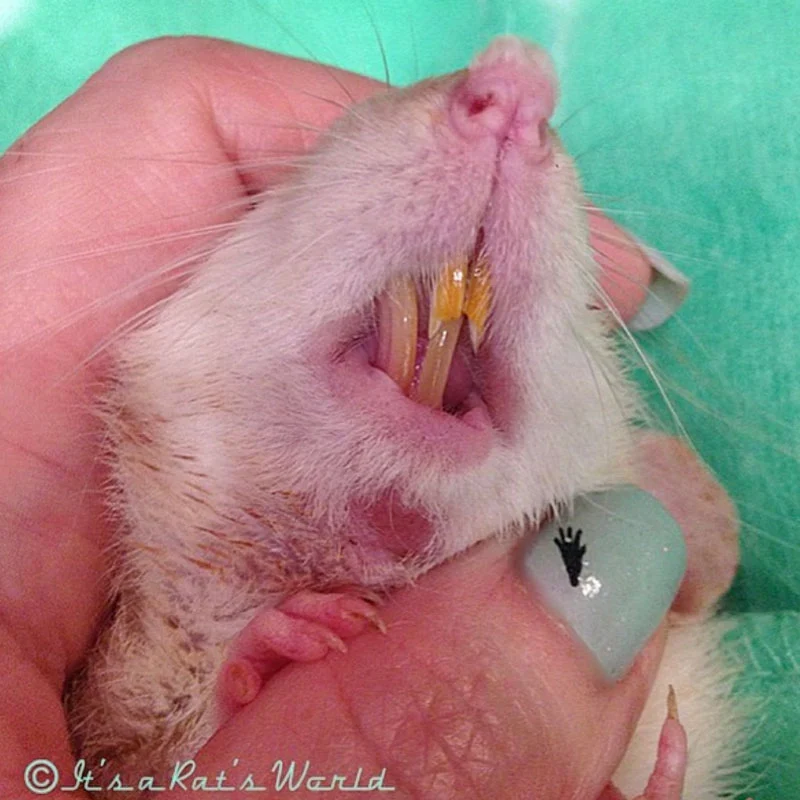
The distinctive feature that sets rats, and indeed all rodents, apart from the vast majority of the animal kingdom lies in their remarkable teeth. Specifically, their continuously growing incisors, and in some rodent species, their molars, are a biological marvel. These open-rooted teeth are designed to grow throughout the entirety of a rat’s life, a characteristic that is both fascinating and potentially problematic. While most rats navigate their lives without significant dental issues, vigilant owners must be equipped to recognize and address potential problems, as ignored dental concerns can cascade into a spectrum of serious health issues for these beloved pets. This article delves into the intricate details of rat dentition, dispelling common myths, and outlining crucial aspects of care, particularly concerning the dangers of malocclusion.
The Intricate Anatomy of Rodent Incisors
Rats possess a simplified dental structure compared to many other mammals. Unlike species with multiple sets of teeth throughout their lives, rats have only two types of teeth: incisors and molars, and they are born with the single set they will possess for their entire existence. This means there are no deciduous "baby" teeth to be replaced by permanent adult teeth.
A Deeper Look at Rat Dentition:
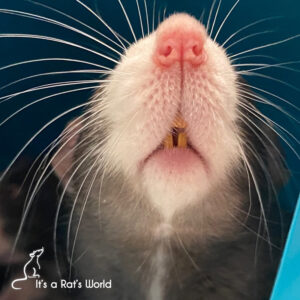
- Total Teeth Count: A rat has 16 teeth in total. The four incisors, located at the front of the mouth (two on the top, two on the bottom), are the first to emerge, typically around 8 to 9 days of age. Their primary function is gnawing.
- Molar Development: The molars, situated at the back of the mouth, number 12. The initial set of molars begins to erupt around day 19, with the final set appearing between 35 and 40 days of age. These molars are crucial for grinding food into a digestible consistency before swallowing.
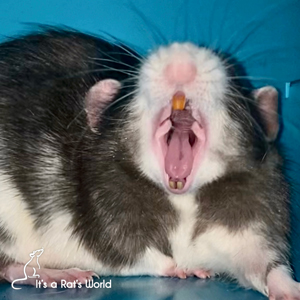
- Incisor Coloration and Health Indicators: A healthy adult rat’s top incisors are characterized by a distinct dark orangey-yellow hue. The bottom incisors are typically a lighter yellow. A sudden lightening of these teeth or a shift to a white color is a significant indicator of an underlying health issue and warrants immediate veterinary consultation. This color comes from the hard, protective enamel on the front of the incisors, which is naturally pigmented.
- Cheek Folds: A Protective Barrier: Positioned behind the incisors, in the space between them and the molars, are specialized flaps of cheek skin. These folds serve a vital purpose by closing off the back teeth, preventing the ingestion of unwanted debris or foreign objects during chewing and gnawing. This anatomical feature also poses a challenge for veterinary examination of the molars when the rat is not under anesthesia.
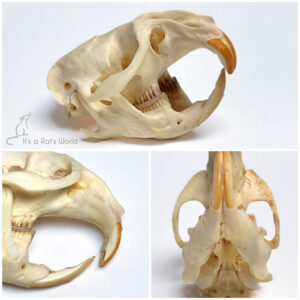
- The Power of Bruxing: Rats possess an innate mechanism for maintaining the proper length and shape of their incisors through a process called bruxing, essentially self-grinding. The unique composition of their incisors, featuring hard, pigmented enamel on the front and softer dentin on the back, facilitates this grinding process. This creates a sharp, beveled edge. Without this natural wear, incisors could grow unchecked, potentially curling upwards and impinging upon the roof of the mouth.
- Immunity to Cavities: A remarkable aspect of rat incisors is their apparent immunity to cavities. This is attributed to their continuous growth and rapid wear. By the time a cavity could theoretically form, the affected portion of the tooth has already been abraded and shed through normal wear and tear.
- Independent Lower Jaw Movement: A key to the dexterity and efficiency of a rat’s gnawing ability lies in its unique mandibular structure. Rats possess two separate lower jaw bones that can move independently, connected by a flexible joint. This allows for slight separation and rotation of the bottom incisors. This ability not only aids in sharpening the teeth but also provides a significant advantage when gnawing through various materials and maintaining optimal tooth length.
Dispelling Common Misconceptions: Rat Teeth Myths Debunked
Over the years, several persistent myths surrounding rat teeth have circulated among pet owners. Understanding the facts is crucial for providing appropriate care.
Myth: Rats Must Be Fed Hard Foods or Given Chew Toys to Wear Down Their Teeth
This belief, often heard for decades, is a common misconception. While rats do gnaw, their dental anatomy is specifically designed for self-maintenance.
Fact: Rats possess an innate ability to wear down their own teeth through natural gnawing and bruxing. Their jaw structure is engineered for this purpose. As long as their teeth are healthy and properly aligned, rats do not require specific hard foods or chew toys to maintain their dental health. Intervention is only necessary if misalignment occurs.
Myth: Rats Can Chew Through Anything, Including Steel
The powerful gnawing capabilities of rats have led to the exaggerated claim that they can chew through steel.
Fact: While rats possess formidable incisors capable of masticating a wide array of tough materials, including concrete, aluminum, cement, and drywall, their capabilities do not extend to steel. Their dental strength is impressive but not limitless.
The Perils of Malocclusion: When Dental Alignment Goes Awry
The most significant dental health concern for pet rats is malocclusion, a condition where the upper and lower teeth become misaligned. This can arise from various factors and poses serious risks if left untreated.
Causes of Malocclusion:
- Trauma and Injury: Falls, accidents, or being stepped on can lead to jaw misalignment or even fractured incisors. A broken incisor can disrupt the even wear pattern of the remaining teeth, causing them to grow at uneven lengths.
- Oral Abnormalities: The presence of mouth abscesses, cysts, or tumors near the jaw can affect dental alignment. Conversely, malocclusion itself can lead to the development of these oral issues, as teeth may rub incorrectly against gum tissue, causing irritation and infection.
- Genetic Predisposition: Some rats are genetically predisposed to developing malocclusion. In these cases, prevention is impossible, and management through veterinary intervention is the only recourse.
The Dangerous Consequences of Misaligned Teeth:
- Overgrown Teeth: The most immediate danger of malocclusion is overgrown incisors. If left unchecked, these teeth can grow to extreme lengths, potentially piercing the roof of the rat’s mouth. This can lead to severe pain, infection, difficulty eating, starvation, and ultimately, a fatal outcome.
- Difficulty Eating: As teeth become overgrown or improperly worn, rats will find it increasingly difficult to consume food. This can lead to significant weight loss and malnutrition.
- Tooth Wear Imbalance: Misaligned lower incisors can excessively wear down the upper incisors, reducing them to short, uneven stumps. This not only impedes the rat’s ability to eat but also prevents the lower incisors from wearing down appropriately, exacerbating the problem.
Proactive Measures: Minimizing the Risk of Malocclusion
While malocclusion cannot always be prevented, proactive steps can significantly reduce the likelihood of its development or aid in early detection.
Strategies for Prevention and Early Detection:
- Safe Housing and Handling: To minimize the risk of traumatic injury, it is crucial to prevent free-ranging rats from accessing potentially hazardous areas and to avoid keeping them on elevated surfaces without supervision. Careful handling is also paramount.
- Monitoring Eating Habits: A noticeable decrease in food intake or a refusal of favorite treats can be an early indicator of dental pain or malocclusion. Owners should be attentive to changes in their rat’s appetite.
- Observing for Signs of Discomfort: Symptoms such as a rat rubbing its face against surfaces or excessive drooling can signal oral discomfort, which may be related to dental issues.
- Regular Visual Examinations: Performing weekly or biweekly visual inspections of a rat’s mouth is essential. Owners should look for any signs of sores, infection, gum irritation, redness, or any irregularities in the incisors, such as cracks, chips, or breaks. It is also important to check if the incisors are wearing evenly or if one is developing a pointed or angled tip, which indicates misalignment. Consulting a veterinarian if any concerns arise is highly recommended.
Veterinary Intervention: Teeth Trimming and Ongoing Care
When malocclusion is diagnosed, veterinary intervention is necessary.

The Teeth Trimming Procedure:
Teeth trimming is typically performed by a veterinarian using specialized tools such as a Dremel or clippers. Due to the often-uncooperative nature of rats, a light plane of anesthesia may be required to ensure the safety of both the animal and the veterinarian. In some instances, a veterinarian may instruct owners on how to perform teeth trimming at home. However, this is a challenging task, as most rats will struggle intensely, increasing the risk of injury.
Long-Term Management:
For many rats diagnosed with malocclusion, the condition requires lifelong management. While a few teeth trims may be sufficient to realign the incisors and allow for natural wear to resume, it is common for malocclusion to be a chronic issue. The frequency of trimming may need to increase over time, as trimming teeth can paradoxically accelerate their growth rate. For example, a rat that initially required monthly trims might eventually need them every two weeks, and then weekly, as observed in cases of severe malocclusion.
Understanding the Underlying Causes and Preparing for Rat Dental Health
The exact cause of malocclusion in rats, such as in the documented cases of Leeloo and Crowley, often remains elusive. Speculation points to unseen falls or genetic predispositions. Regardless of the origin, responsible pet ownership necessitates preparedness for potential dental health challenges.

By understanding the unique dental anatomy of rats, dispelling common myths, and recognizing the signs and dangers of malocclusion, owners can be better equipped to provide optimal care for their pet rats. Regular observation, prompt veterinary attention when needed, and a commitment to understanding their specific needs are paramount in ensuring a healthy and comfortable life for these fascinating creatures. The remarkable resilience and adaptability of rats are underscored by their extraordinary dental system, a testament to millions of years of evolution, but one that still requires attentive human stewardship.

