


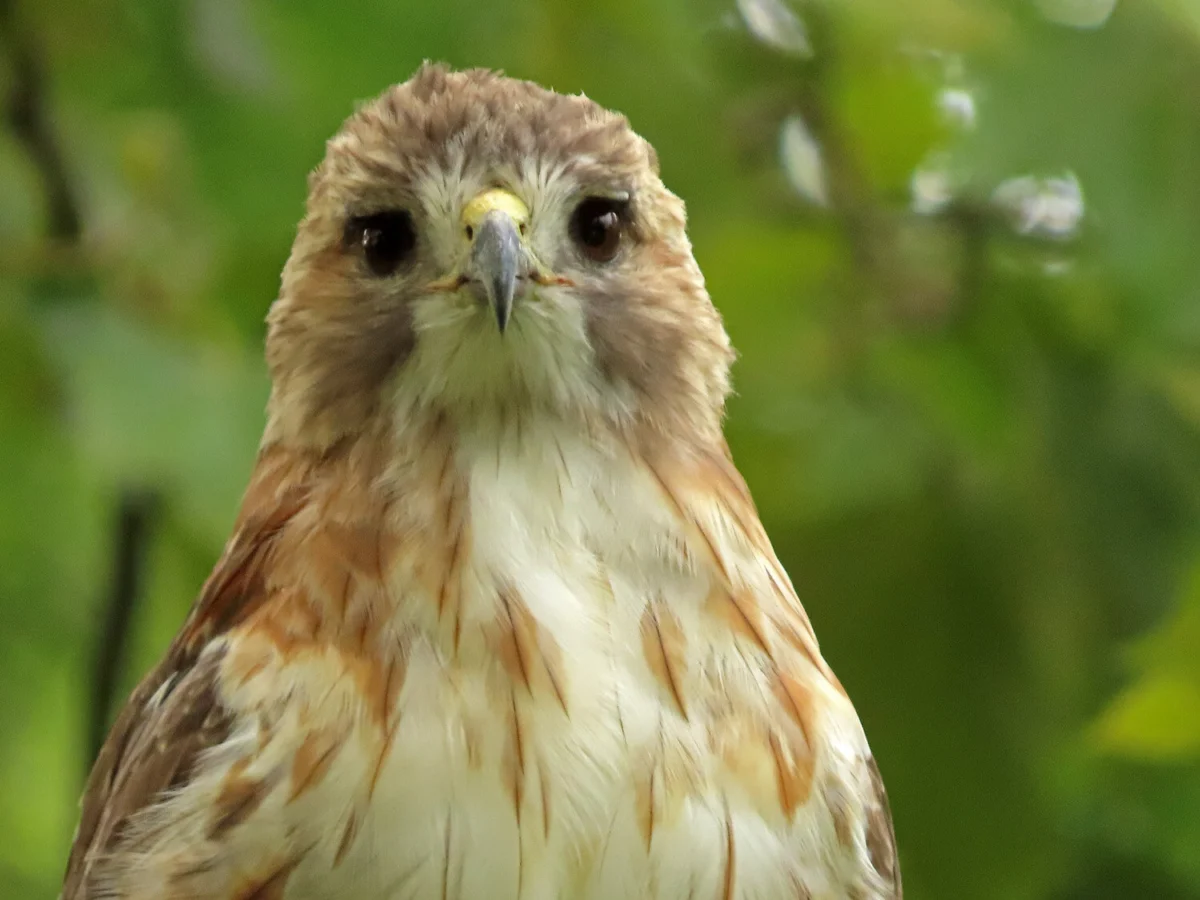
Georgia, a state renowned for its abundant natural beauty, from the misty peaks of the Blue Ridge Mountains to the vast expanse of the Okefenokee Swamp, is also a haven for a remarkable array of avian predators. Among these, the hawk family, scientifically known as Accipitridae, presents a fascinating subject for ornithologists and casual observers alike. Understanding the distinctions between various hawk species, their ecological roles, and their presence within Georgia’s diverse habitats can be a complex endeavor, often leading to common questions such as: Is a goshawk the same as a hawk? What defines a Buteo? And precisely how many hawk species grace the skies of Georgia? This comprehensive exploration delves into these intriguing inquiries, illuminating the rich tapestry of hawks found within the Peach State.

The Rich Avifauna of Georgia
Georgia’s geographical diversity is a key factor in its impressive biodiversity. With a coastline stretching approximately 100 miles, the state boasts numerous barrier islands and estuaries, alongside the expansive Okefenokee Swamp, the largest swamp in the United States. The northern regions are characterized by the Appalachian Plateau and the Blue Ridge Mountains, offering varied elevations and microclimates. These distinct environments provide crucial habitats for a multitude of wildlife species, including a significant population of birds of prey.
While Georgia ranks 32nd nationally in the number of bird species documented on eBird, a respectable 438 species have been recorded within its borders. This figure underscores the state’s importance as a migratory flyway and a year-round home for diverse avian life. Within this impressive catalog, the raptors, particularly hawks, play vital roles in maintaining ecological balance.
Unraveling the Taxonomy of Hawks
The classification of birds of prey can be intricate, with overlapping family and subfamily structures. To clarify, the order Accipitriformes encompasses most birds of prey. Within this order lies the family Accipitridae, commonly known as hawks, eagles, and kites. Further refining this classification, the subfamily Accipitrinae is reserved for what are often referred to as "true hawks." This subfamily is further divided into several genera, including Accipiter, Microspizias, Erythrotrochis, Megatrochis, and Circus.
For the purpose of understanding Georgia’s hawk population, it is important to also consider the Buteo genus. While not classified as "true hawks" within the Accipitrinae subfamily, Buteos are widely recognized and referred to as hawks due to their shared predatory characteristics and ecological niches. Therefore, this article will encompass both Accipiter and Buteo species found in Georgia.
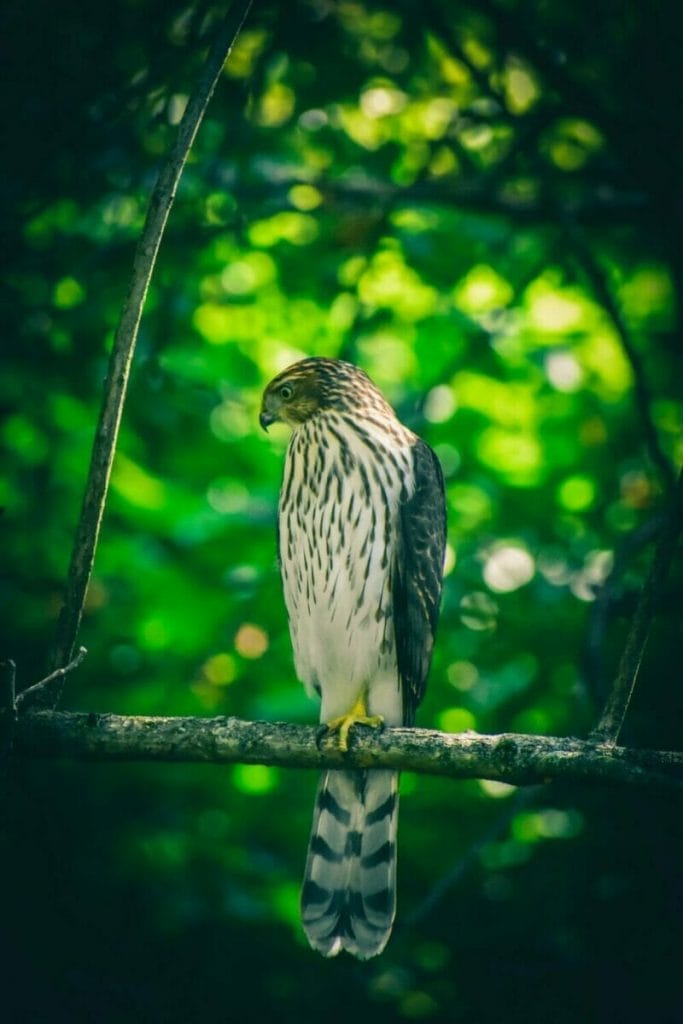
Hawks of Georgia: A Detailed Overview
Georgia is home to a variety of hawk species, each with unique characteristics, habitats, and behaviors. The following profiles detail the hawks commonly observed or present within the state, drawing upon data from ornithological resources like eBird.
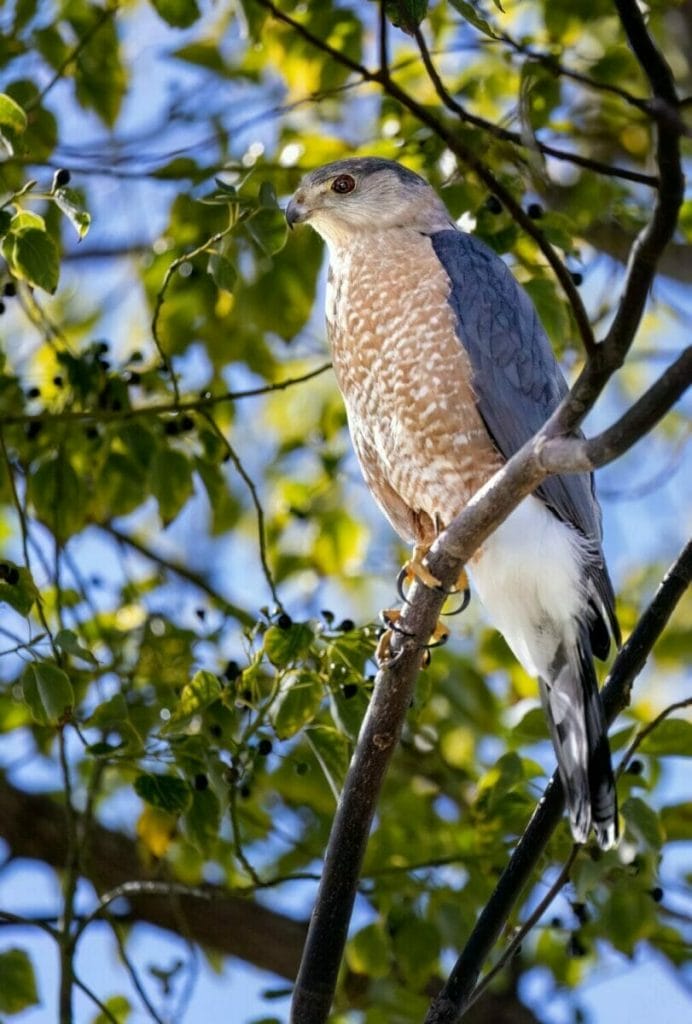
Red-shouldered Hawk (Buteo lineatus)
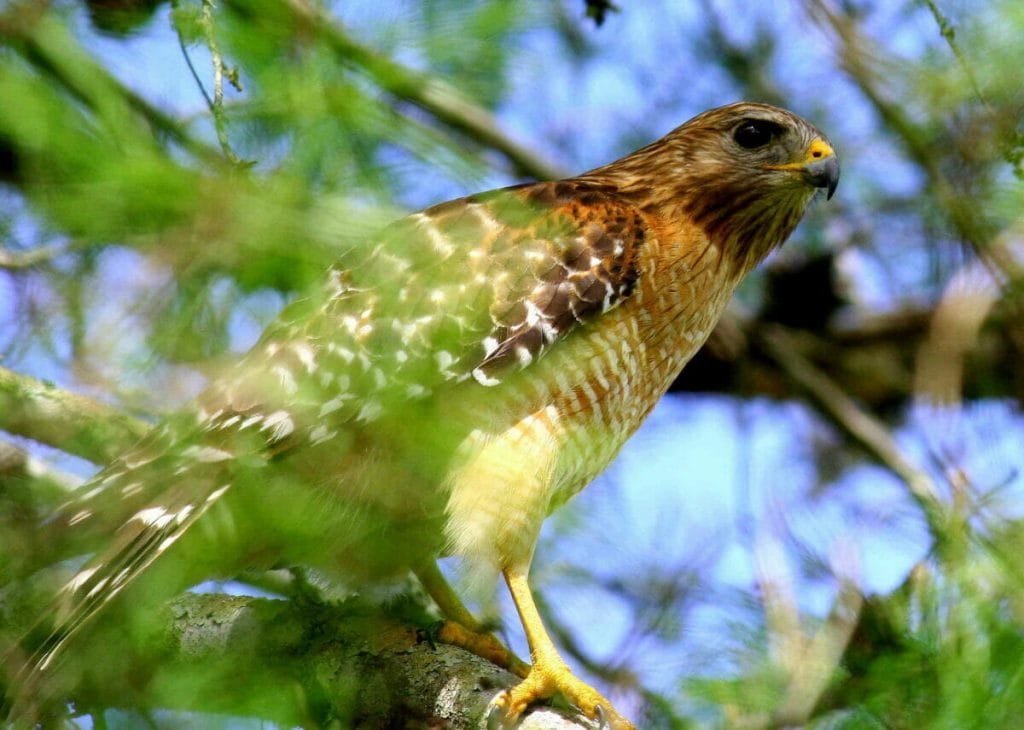
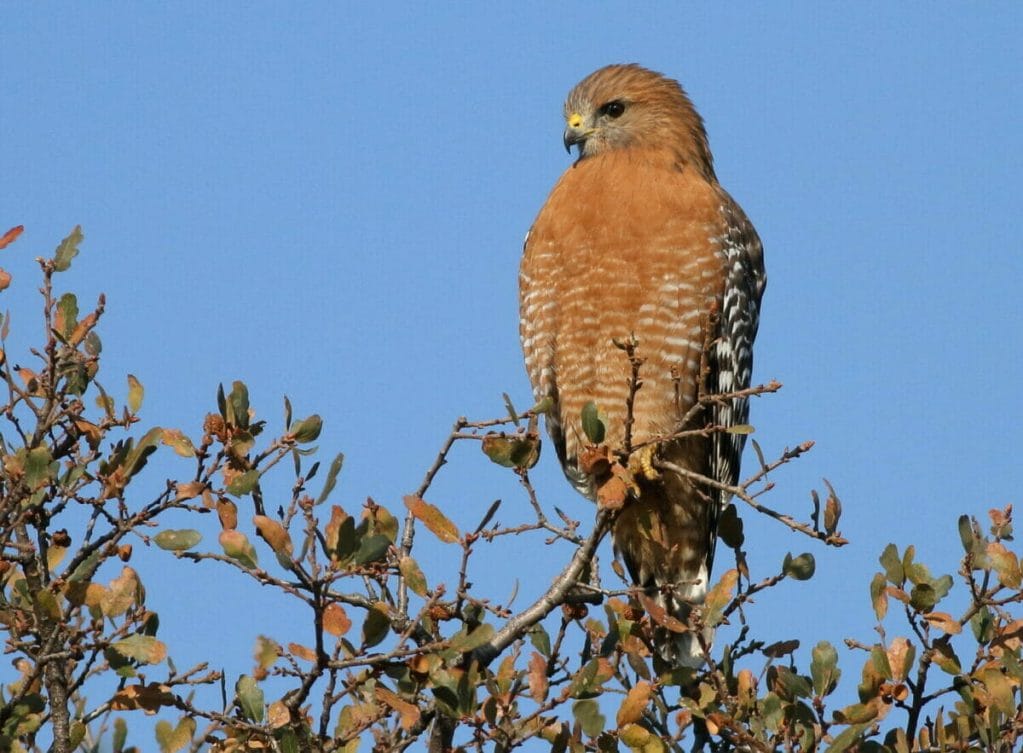
The Red-shouldered Hawk is a resident of Georgia, gracing the state with its presence throughout the year. This medium-sized hawk is easily identifiable by its distinctive rufous (reddish-brown) coloring on the breast and head, extending to its shoulders. The underside of its wings and tail display striking black and white barring, offering a visually captivating spectacle.
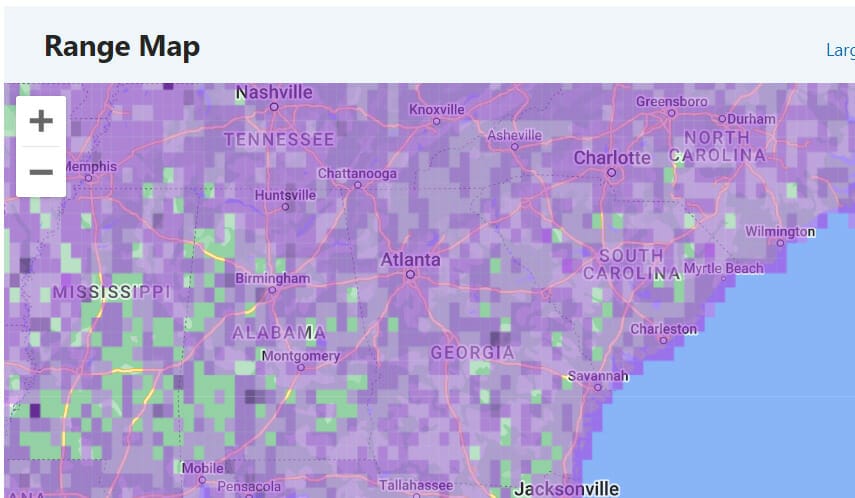
- Identification and Size: Adults exhibit a rich rufous wash across their chest and upper belly, with finely barred underwings and tail. Their back is typically dark. Length ranges from 16.9 to 24.0 inches, with a wingspan of 37.0 to 43.7 inches. Weight typically falls between 17.1 and 27.3 ounces.
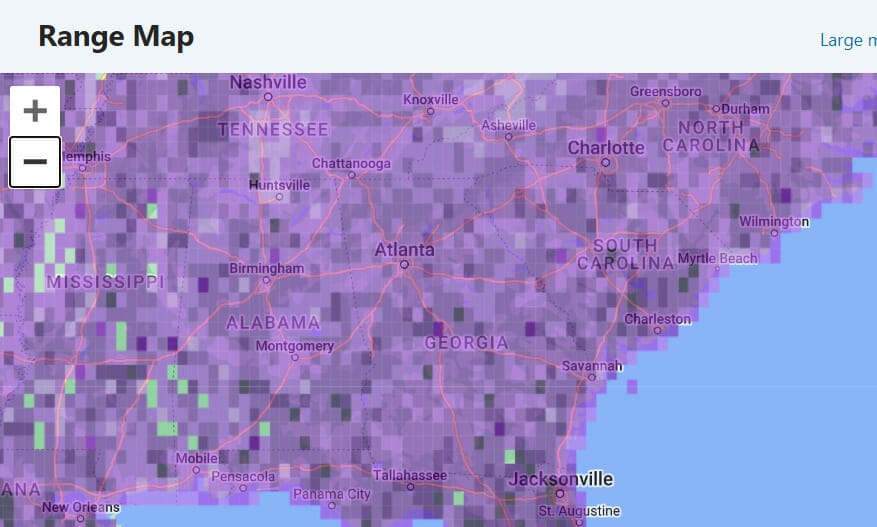
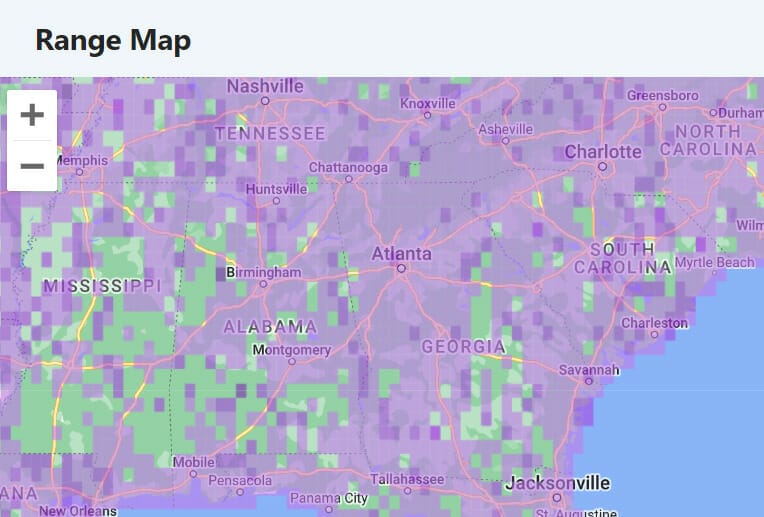
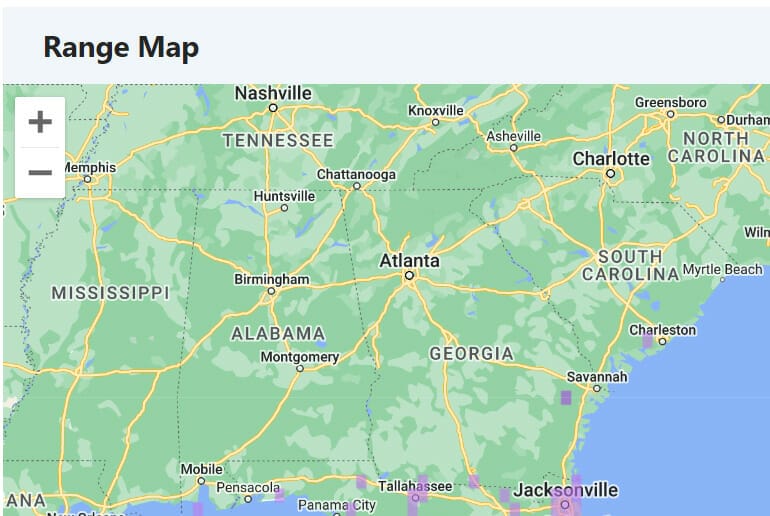
- Distribution: As a resident species, the Red-shouldered Hawk is found across Georgia in suitable wooded environments. Their presence is well-documented by eBird range maps, indicating consistent distribution throughout the state.
- Habitat and Behavior: These hawks prefer forested areas, particularly those near water sources such as swamps, riparian woodlands, and bottomland forests. They are adept hunters, preying on small mammals, amphibians, reptiles, and small birds. Their distinctive, high-pitched calls are often heard before the bird is seen.
Cooper’s Hawk (Accipiter cooperii)
The Cooper’s Hawk is another year-round resident in Georgia, though its presence might be less conspicuous due to its preference for the dense forest canopy. This hawk is a skilled hunter of birds, often ambushing its prey with remarkable speed and agility.
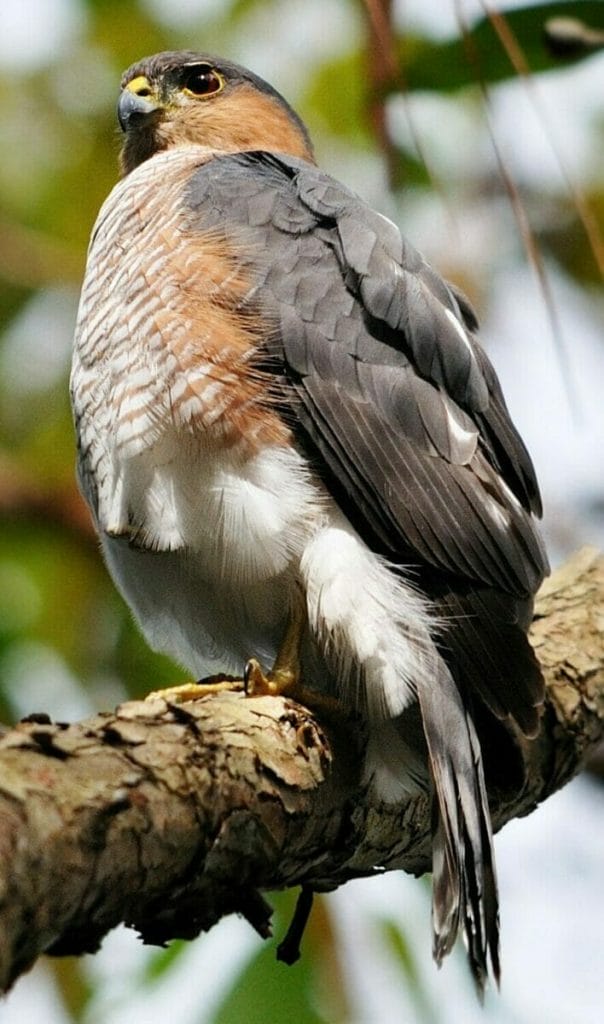
- Identification and Size: Adult Cooper’s Hawks are slate-gray on their backs with reddish barring on their pale undersides. Their eyes are a striking, staring orange-red. Females are noticeably larger than males. Juvenile birds are brown with streaky undersides. Their length typically ranges from 14.6 to 17.7 inches, with a wingspan of 24.4 to 35.4 inches. Weight varies from 7.8 to 24 ounces.
- Distribution: Cooper’s Hawks are found throughout Georgia, inhabiting wooded areas. While they are year-round residents, their preference for dense cover can make them harder to spot than more open-country raptors.
- Habitat and Behavior: They thrive in mature forests, woodlands, and even suburban areas with sufficient tree cover. Their hunting strategy involves surprise attacks, often from a concealed perch. They are known for their acrobatic flight through dense vegetation.
Sharp-shinned Hawk (Accipiter striatus)
The Sharp-shinned Hawk is a migratory species that visits Georgia during the non-breeding season. These small, agile hawks are primarily bird-eaters, renowned for their ability to pursue small songbirds through dense woodlands.
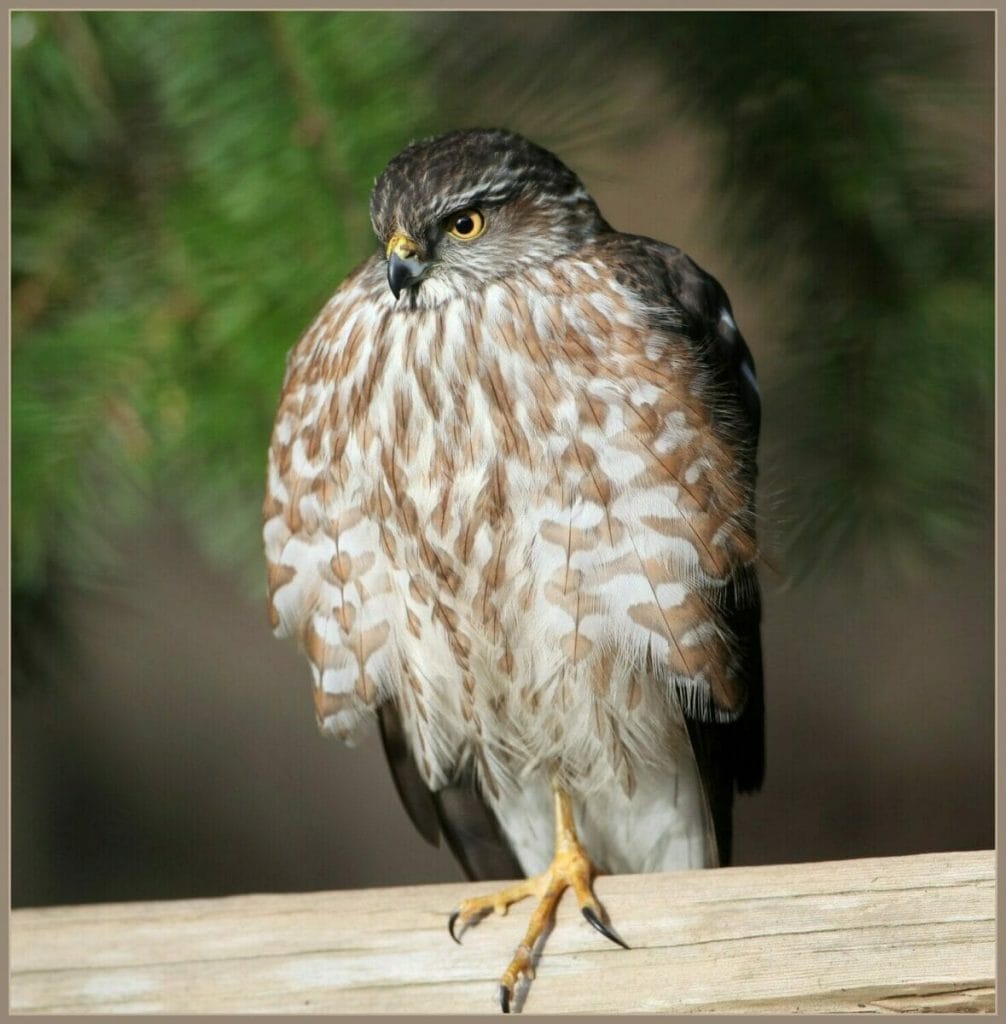
- Identification and Size: Similar in appearance to the Cooper’s Hawk, the Sharp-shinned Hawk is considerably smaller. Adults are bluish-gray on the back with finely barred undersides, often paler than Cooper’s Hawks. The tail is typically square-tipped, and the leg feathers (tarsi) are often described as "bare." Males are smaller than females. Length measures 9.4 to 13.4 inches, with a wingspan of 16.9 to 22.1 inches. Weight ranges from 3.1 to 7.7 ounces.
- Distribution: Sharp-shinned Hawks are found in Georgia during the fall and winter months, migrating from their breeding grounds in Canada. They prefer dense forests and woodlands.
- Habitat and Behavior: Their preferred habitats include mixed forests and coniferous woodlands. They are fast, maneuverable hunters, often seen darting through trees in pursuit of small birds. Their presence in Georgia is seasonal.
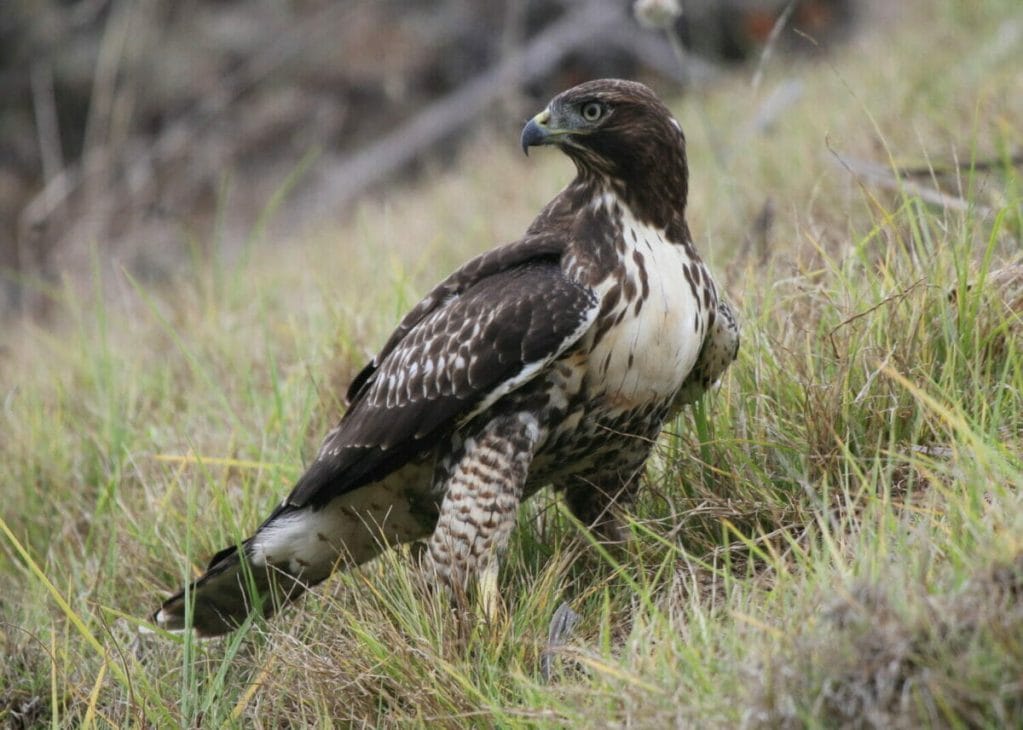
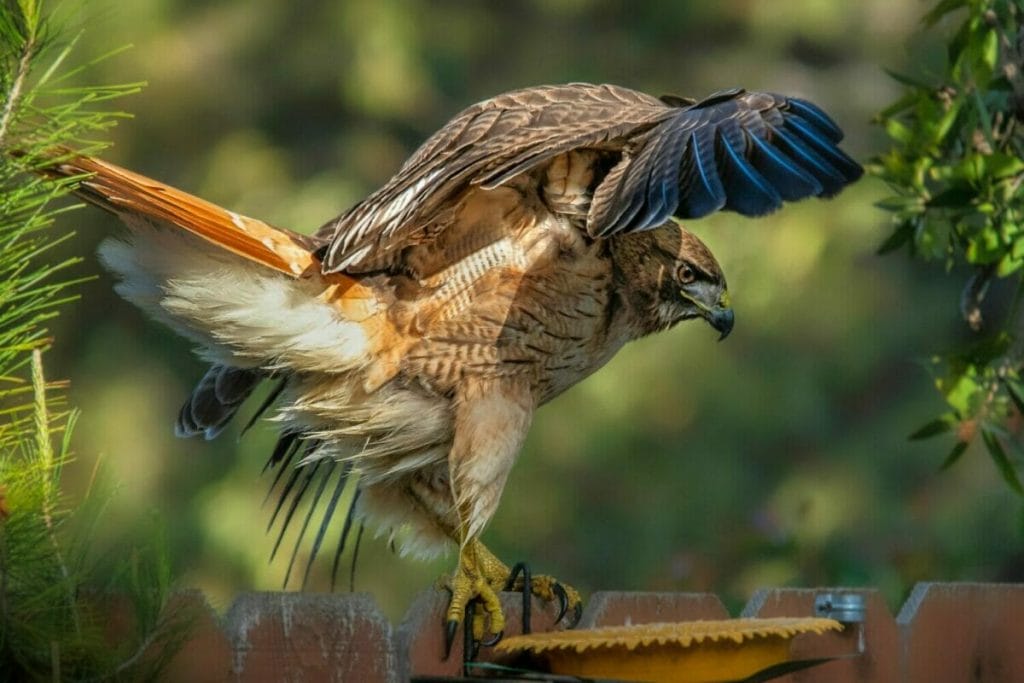
Red-tailed Hawk (Buteo jamaicensis)
The Red-tailed Hawk is arguably the most common and widespread raptor in North America, and Georgia is no exception. This large, powerful hawk is a familiar sight across the state, often seen soaring overhead or perched on prominent trees and utility poles.
- Identification and Size: Adults are easily identified by their distinctive reddish tail, particularly when seen from above. Their undersides are pale, with some red and brown markings. However, plumage can vary, and a dark morph exists. Females are generally larger than males. Length ranges from 17.7 to 25.6 inches, with a substantial wingspan of 44.9 to 52.4 inches. Weight can range from 24.3 to 51.5 ounces, making it one of the larger hawks in the state.
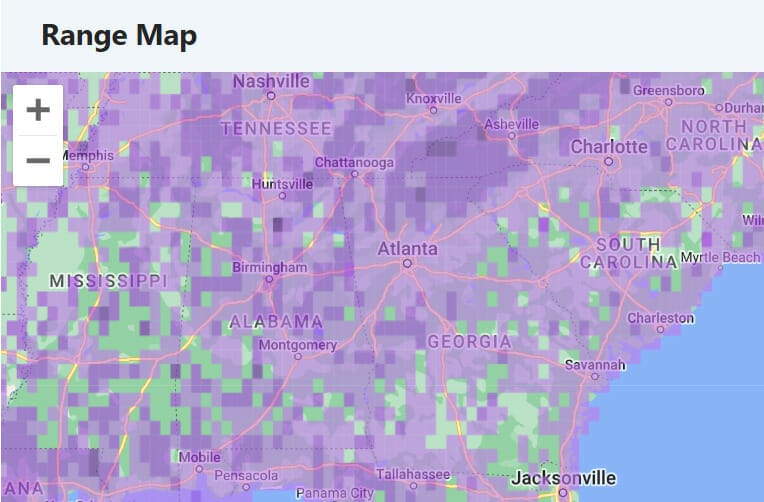
- Distribution: Red-tailed Hawks are year-round residents found throughout Georgia, with their presence covering nearly the entire state as indicated by eBird data.
- Habitat and Behavior: They are highly adaptable, inhabiting a wide range of environments including open woodlands, deserts, grasslands, and even urban parks. Their diet is varied, including small mammals, birds, and reptiles. Their piercing, shrill call is famously used in films as a generic "hawk" sound effect.
Broad-winged Hawk (Buteo platypterus)
The Broad-winged Hawk is a summer visitor to Georgia, arriving in the spring to breed before migrating south for the winter. These compact hawks are known for their impressive migratory journeys.
- Identification and Size: Characterized by their short bodies and broad wings, Broad-winged Hawks are brown above with barred undersides. Their wings show rufous coloration near the shoulders and black and white banding on the tips and tail. Length is between 13.4 and 17.3 inches, with a wingspan of 31.9 to 39.4 inches. Weight averages 9.3 to 19.8 ounces.
- Distribution: This species breeds in Georgia during the warmer months. Their presence is concentrated in wooded areas suitable for nesting.
- Habitat and Behavior: They prefer deciduous and mixed forests. A remarkable aspect of their life cycle is their migratory behavior; they often gather in large flocks, known as "kettles," during migration, circling together high in the sky – a natural spectacle for those fortunate enough to witness it.
Short-tailed Hawk (Buteo brachyurus)
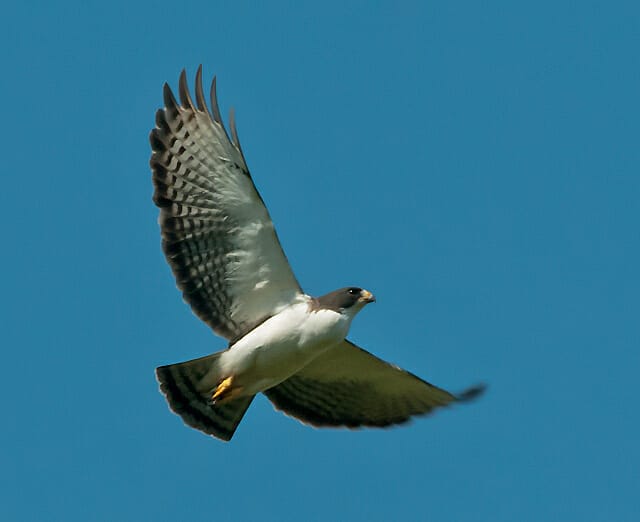
The Short-tailed Hawk is a less common visitor to Georgia, with its established population primarily found in south Florida. However, sightings have been reported in the southern parts of Georgia, suggesting occasional presence and potential for breeding in the northernmost reaches of its range.
- Identification and Size: This hawk is easily distinguished by dark facial patches surrounding a white throat. Two morphs exist: a dark morph with a uniformly dark body and some white underwing patches, and a pale morph with a white underside and black barring. Length is approximately 15.3 to 17.3 inches, with a wingspan of 32.7 to 40.5 inches. Weight ranges from 13.6 to 16.9 ounces.
- Distribution: While rare in Georgia, sightings are concentrated in the southern regions. Their breeding range extends north of their primary population in Florida.
- Habitat and Behavior: They inhabit open woodlands and savannas. The dark morph is more prevalent in Florida and likely represents the form seen in Georgia.
Northern Goshawk (Accipiter gentilis)
The Northern Goshawk is a powerful and imposing raptor, and its presence in Georgia is exceptionally rare. Its range primarily extends across more northern latitudes, with Georgia situated at the extreme southern edge of its potential territory.
- Identification and Size: This hawk is characterized by its dark gray back and finely barred, pale underside. A striking red eye and a prominent white eyebrow stripe are distinctive features. Juvenile birds exhibit varied brown plumage with streaking. Length ranges from 20.9 to 24.0 inches, with a wingspan of 40.5 to 41.1 inches. Weight can vary from 22.3 to 48.1 ounces.
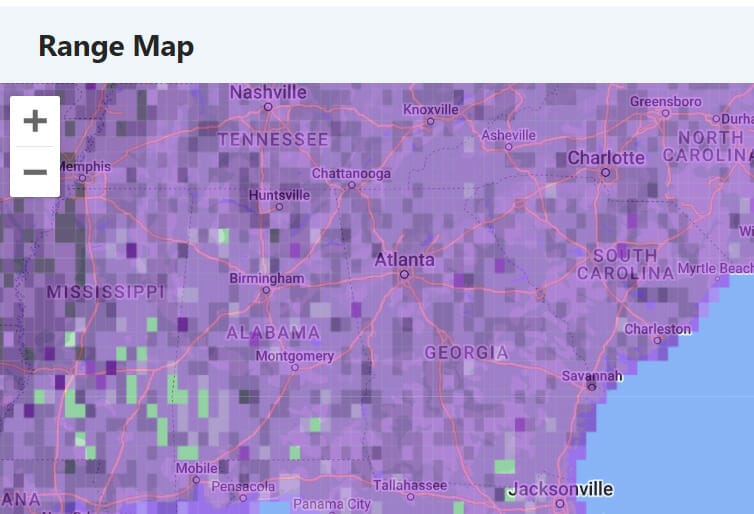
- Distribution: Very few sightings have been reported to eBird in Georgia, indicating its rarity. The northwestern border of the state lies at the outer edge of its typical range.
- Habitat and Behavior: Northern Goshawks prefer mature, dense forests. They are formidable predators, known for their aggressive hunting style and their tendency to establish multiple nesting sites, often alternating between them or reusing successful ones year after year.
Northern Harrier (Circus hudsonius)
The Northern Harrier is an elegant raptor that visits Georgia during the non-breeding season, favoring open habitats. Its distinctive flight pattern and owl-like facial disc make it a notable species.

- Identification and Size: This hawk is characterized by its slender build, long wings, and long tail. Adults are typically gray with prominent markings around the face. Thick barring is visible under the wings. Females are generally browner than males. Length measures 18.1 to 19.7 inches, with a wingspan of 40.2 to 46.5 inches. Weight varies from 10.6 to 26.5 ounces.
- Distribution: Georgia falls within the non-breeding range of the Northern Harrier, meaning they are present in the state during spring, autumn, and winter.
- Habitat and Behavior: They prefer open fields, grasslands, marshes, and coastal areas, where they hunt for small mammals, birds, and insects. Their low, buoyant flight and habit of flying with wings held in a shallow "V" shape (dihedral) are characteristic.
Conclusion: A Diverse Raptor Population
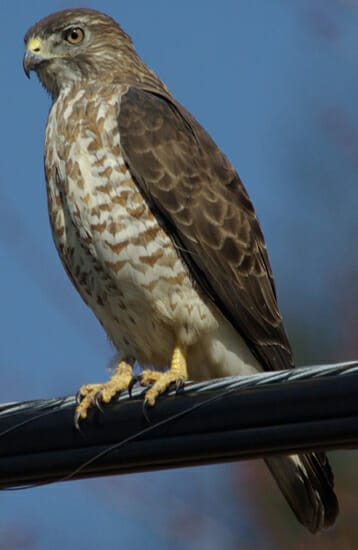
In summary, Georgia is a significant habitat for a diverse array of hawks, totaling eight distinct species when considering both true hawks (Accipiter and Circus genera) and the widely recognized Buteo hawks. This includes four Buteo species: the Red-shouldered Hawk, Red-tailed Hawk, Broad-winged Hawk, and Short-tailed Hawk. The Accipiter genus is represented by Cooper’s Hawk, Sharp-shinned Hawk, and the Northern Goshawk. Finally, the Circus genus contributes the Northern Harrier to Georgia’s avian predator roster.
While the initial expectation might be for a larger number of hawk species due to Georgia’s varied geography, it is important to note the presence of other formidable raptors. The state also supports three species of eagles – the Bald Eagle (Haliaeetus leucocephalus), Golden Eagle (Aquila chrysaetos), and Osprey (Pandion haliaetus) – as well as three falcon species: the Peregrine Falcon (Falco peregrinus), American Kestrel (Falco sparverius), and Merlin (Falco columbarius). This broader context highlights Georgia’s importance as a critical ecosystem for a wide range of birds of prey, offering ample opportunities for birdwatching and ecological study.
Frequently Asked Questions About Georgia’s Hawks
What is the largest bird of prey in Georgia?
Among the hawk species discussed, the Red-tailed Hawk is the largest, closely followed by the Northern Harrier. These powerful raptors command a significant presence in their respective habitats.
How can one differentiate between a hawk and a falcon?
Falcons possess a distinct notch on the upper mandible of their bill, a specialized adaptation for killing prey, which hawks lack. Furthermore, falcons tend to be smaller, more slender, and exhibit greater agility in flight compared to most hawks.
Can a hawk lift a dog?
While large hawks, such as the Red-tailed Hawk, possess the strength to carry off small prey items, it is highly improbable that they could lift an average-sized dog. Their hunting strategies and prey preferences typically focus on smaller mammals, birds, and reptiles. Encounters with domestic pets are rare and usually involve very small animals like kittens or puppies, and even then, it is not a common occurrence.

