


The nutritional health of captive parrots remains a primary concern for avian veterinarians and dedicated bird owners worldwide. While modern commercial pellets provide a baseline of essential vitamins and minerals, they often lack the sensory complexity, behavioral enrichment, and phytonutrient diversity found in a wild-foraged diet. Many domestic birds, particularly those accustomed to high-fat seed mixes, frequently reject fresh produce, viewing broccoli, kale, and peppers with deep suspicion. This phenomenon, while frustrating for owners, is a biological imperative: in the wild, parrots are neophobic—wary of anything new—to avoid toxic plants. Understanding how to bridge the gap between a seed-based diet and a nutrient-dense, vegetable-forward "chop" requires a systematic, evidence-based approach that mimics the social learning processes inherent in avian flock dynamics.
The Biological Basis of Avian Food Neophobia
To comprehend why a parrot refuses a bowl of garden-fresh vegetables, one must first understand the survival mechanisms of psittacine birds in their native habitats. In the wild, a parrot’s diet is exceptionally varied, encompassing seasonal fruits, nuts, flowers, bark, and foliage. However, the risk of ingesting a toxic plant is a constant environmental pressure. Consequently, juvenile birds rely heavily on their parents and flock mates to designate which items are safe for consumption.
When a companion bird is presented with a brightly colored carrot or a fibrous leafy green, they do not automatically identify it as food. To an animal accustomed to the uniform texture and appearance of seeds or dry pellets, a piece of fresh produce may be perceived as an environmental hazard or a foreign object. Veterinary behaviorists emphasize that this refusal is rarely an act of stubbornness; rather, it is a display of caution. The bird is effectively waiting for an environmental cue from its "flock"—the human household—to signal that the item is safe.
Applying Evidence-Based Conversion Methods
Recent research into diet conversion, such as the 2022 study published in the Journal of Avian Medicine and Surgery by Cummings, Hess, et al., evaluated three primary methods for transitioning psittacine birds from seed to pellets: "Birdie’s Choice," "Slow and Steady," and "Tough Love." While these methods were designed for pellet transition, the underlying psychological principles—choice, routine, and modeling—are highly effective when applied to fresh vegetable introduction.
The "Birdie’s Choice" method capitalizes on the bird’s desire for agency. By offering two or three different vegetable options simultaneously while the owner simulates eating, the bird is given the opportunity to explore without the pressure of a singular, forced dietary change. This method leverages the social nature of the parrot, who naturally desires to participate in the "flock’s" mealtime.

The "Slow and Steady" approach is ideal for birds exhibiting higher levels of neophobia. By introducing the same vegetable at the same time every day, the owner creates a predictable routine. Over time, the repeated visual and olfactory exposure reduces the bird’s anxiety, eventually leading to curiosity.
Conversely, the "Tough Love" model—which in this context refers to maximal exposure rather than caloric restriction—involves integrating vegetables into every facet of the bird’s environment. This includes placing produce in foraging cups, using skewers, or offering clipped greens in areas where the bird typically spends its time. Crucially, this does not involve withholding food; caloric restriction is dangerous and can lead to rapid metabolic decline, particularly in smaller species.
The Role of Chop in Nutritional Diversity
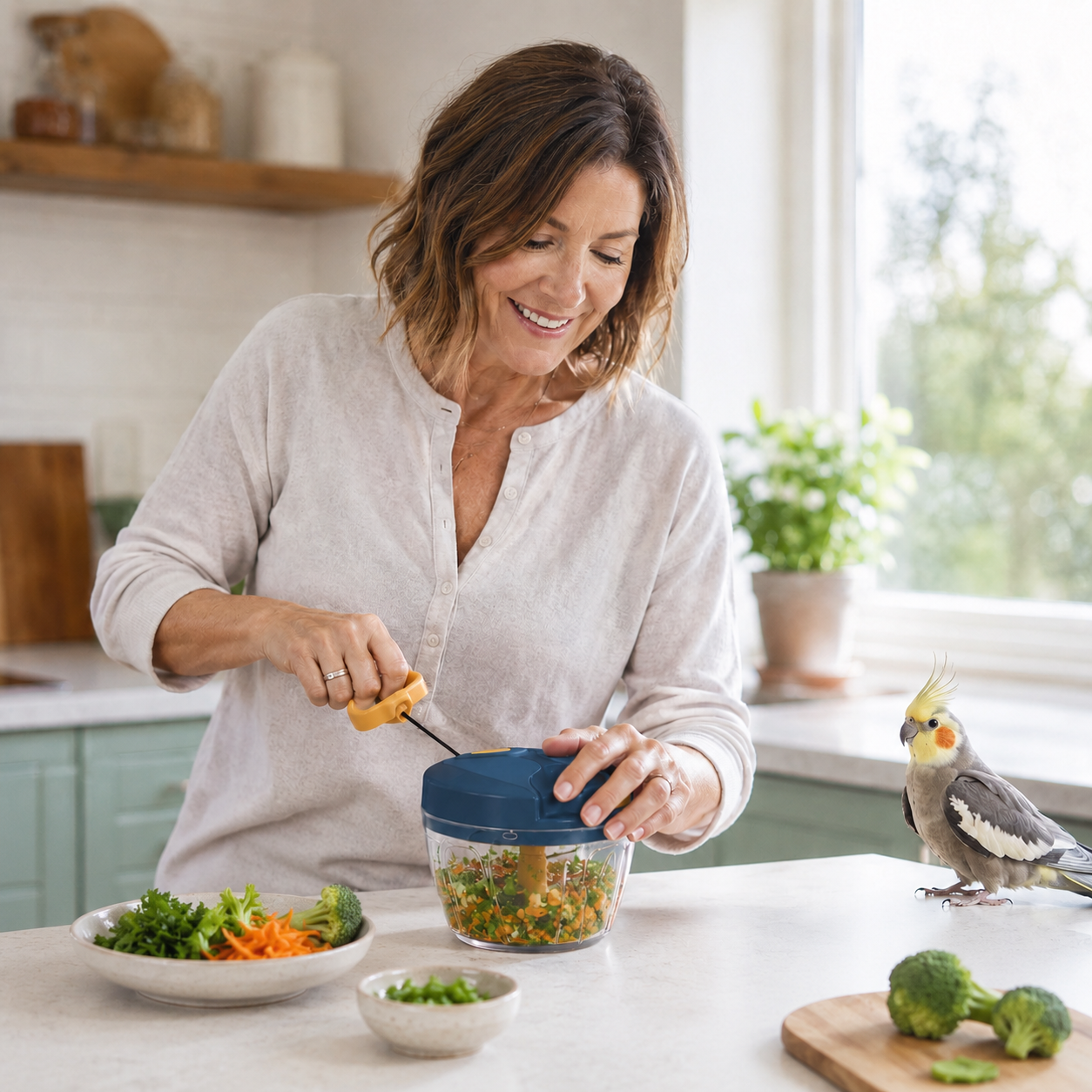
"Chop" is a term used by avian nutritionists to describe a finely diced mixture of raw or lightly steamed vegetables, leafy greens, sprouts, and limited fruits. The primary benefit of chop is that it prevents the "picky eater" syndrome, where a bird selects only its favorite items from a larger salad. By processing ingredients into rice-sized particles, the bird is forced to engage with the mixture as a whole.

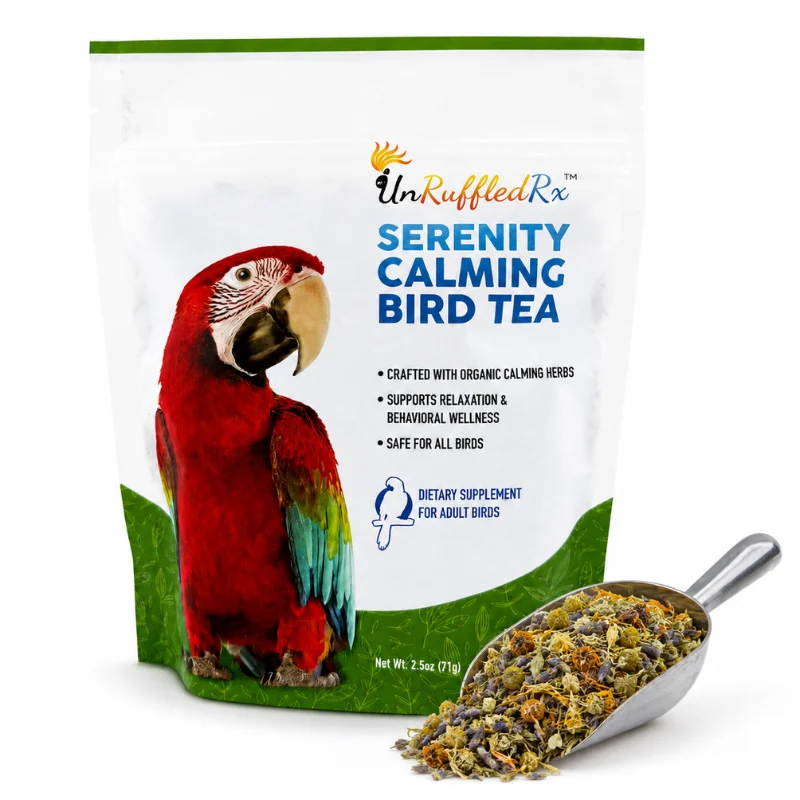
The effectiveness of chop is often enhanced by the addition of "toppers." These are not meant to be high-calorie treats, but rather sensory enhancers that provide texture, scent, or essential fatty acids. For example, ingredients such as flax, chia, or hemp seeds can introduce omega-3 fatty acids while providing a familiar crunchy texture that encourages the bird to sift through the mixture. Similarly, dried herbs like chamomile or lavender can provide a sensory, aromatic invitation, piquing the bird’s interest in the fresh ingredients beneath.
Professional Guidance and Safety Protocols
Before initiating any significant dietary change, it is vital to consult with an avian veterinarian. This is particularly urgent if the bird is showing signs of illness, such as lethargy, weight loss, or changes in fecal consistency. Birds that are already medically fragile or egg-bound require specialized nutritional support that cannot be replaced by a standard transition plan.
Veterinarians often warn against the common pitfall of replacing a balanced pellet diet with an excessive amount of fruit. While fruits are natural for many species, they are high in fructose and can lead to obesity or metabolic issues if they constitute the bulk of the fresh diet. The focus should remain on dark leafy greens (kale, collard greens, chard), cruciferous vegetables (broccoli, cauliflower), and root vegetables (carrots, sweet potato).

Chronology of a Successful Transition
- The Observation Phase (Days 1–7): The owner begins by eating bird-safe vegetables in the presence of the bird, using an enthusiastic tone to indicate that the food is a positive resource. No pressure is placed on the bird to consume anything yet.
- The Introduction Phase (Days 8–21): Small, bite-sized pieces of vegetables are added to a shallow bowl. The owner continues to "model" the behavior by interacting with the food.
- The Engagement Phase (Days 22–45): Once the bird displays curiosity—such as touching, licking, or shredding the vegetables—the owner begins incorporating "chop" into the routine. Toppers like OmegaGlow or herbal blends are used to provide interest.
- The Maintenance Phase (Ongoing): The diet is now a consistent mix of high-quality pellets and daily fresh chop. The variety is rotated to ensure a broad spectrum of nutrients.
Broader Impact and Nutritional Implications
The long-term implications of a successful transition to a fresh-food diet are profound. Parrots on a nutrient-dense, vegetable-rich diet often exhibit better feather quality, improved immune function, and a reduced risk of vitamin A deficiency—a common ailment in seed-fed birds. Furthermore, the act of foraging for fresh foods provides necessary mental stimulation, which can help mitigate common behavioral issues like feather plucking or excessive screaming, often rooted in boredom.
While the journey to a healthier diet can take weeks or even months, the investment of time is directly correlated with the bird’s longevity and quality of life. By shifting the perspective from "feeding a pet" to "managing a flock member’s nutrition," owners can foster an environment that is both physically and mentally enriching. The goal is not merely to get the bird to eat, but to satisfy the biological requirements of a complex, intelligent creature through the principles of patience, safety, and consistent, positive reinforcement. As scientific understanding of avian nutrition continues to evolve, the shift toward these multifaceted, naturalistic feeding strategies stands as the gold standard for responsible parrot stewardship.

