


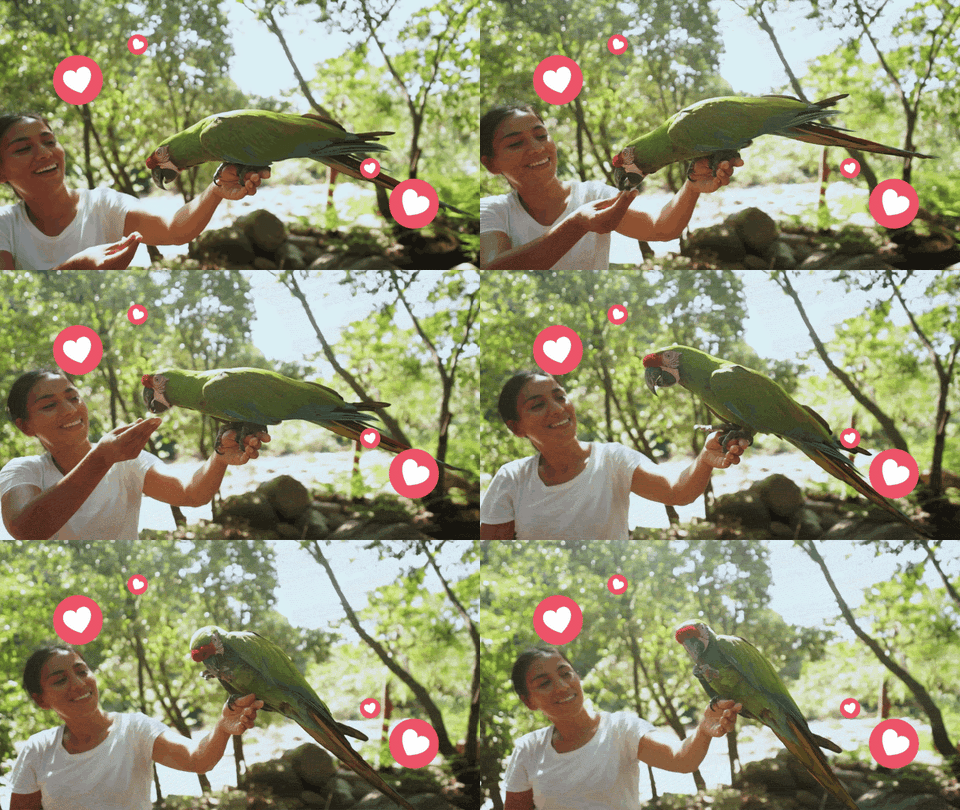
The ability to calmly cue a pet bird to "step up" onto a hand or perch is far more than a simple trick; it represents a foundational pillar of responsible avian care, directly impacting a bird’s safety, an owner’s peace of mind, and the overall quality of the human-animal bond. In households with fully flighted birds, this seemingly minor behavior can be the linchpin of daily routines, preventing stressful pursuits and mitigating potentially dangerous situations. Without a reliable step-up, an avian companion can quickly become inaccessible, leading to frustrating and exhausting interactions that range from navigating a home environment to managing emergencies.
The Indispensable ‘Step Up’: A Cornerstone of Avian Care
The "step up" command serves as a primary mode of communication and control for bird owners, enabling safe handling in a multitude of scenarios. Consider a common domestic situation: a sudden loud noise startles a parrot, causing it to take frantic flight and land in an unfamiliar or precarious location. In such moments, the capacity to calmly direct the bird to step onto an outstretched hand can prevent injury, escape, or prolonged distress. Avian veterinarians and behaviorists consistently highlight the step-up as an essential skill, not only for routine interactions but also for critical moments like health checks, nail trims, and transport to veterinary appointments.
Data from animal welfare organizations and avian veterinary practices suggest that a significant percentage of pet bird relinquishments or rehomings are linked to behavioral challenges, many of which could be ameliorated or prevented by foundational training like the step-up. The lack of reliable handling skills often results in owners feeling overwhelmed, frustrated, or even fearful of their own pets, leading to a breakdown in the relationship. Conversely, a bird that readily steps up on cue is generally more confident, less stressed by human interaction, and integrated more smoothly into the household environment.
Beyond Convenience: Safety and Welfare Implications
The importance of a consistent step-up command extends deeply into the realm of avian safety and welfare. A flighted bird without this training presents inherent risks. For instance, if a bird lands on a hot stove, near an open window, or in another hazardous area, the inability to retrieve it promptly can lead to severe injury or even death. Similarly, during unexpected events such as a fire or natural disaster, the rapid and calm retrieval of a pet bird is paramount for its survival.
Beyond acute emergencies, the step-up facilitates crucial preventative care. Regular physical examinations, which are vital for early detection of health issues, become less stressful for both bird and owner when the bird cooperates with handling. Medications, if needed, are administered more easily, and routine grooming tasks like wing or nail trims can be conducted with minimal stress and increased safety. Without a reliable step-up, these essential care components can become confrontational, fostering fear and distrust in the bird, and potentially leading to neglect of vital health practices due to owner apprehension.
Understanding Avian Psychology: Why Birds Hesitate
When a bird resists stepping up, it is rarely an act of stubbornness. Instead, it typically signals fear, confusion, or a physiological impediment. Understanding these underlying reasons is critical for effective training.
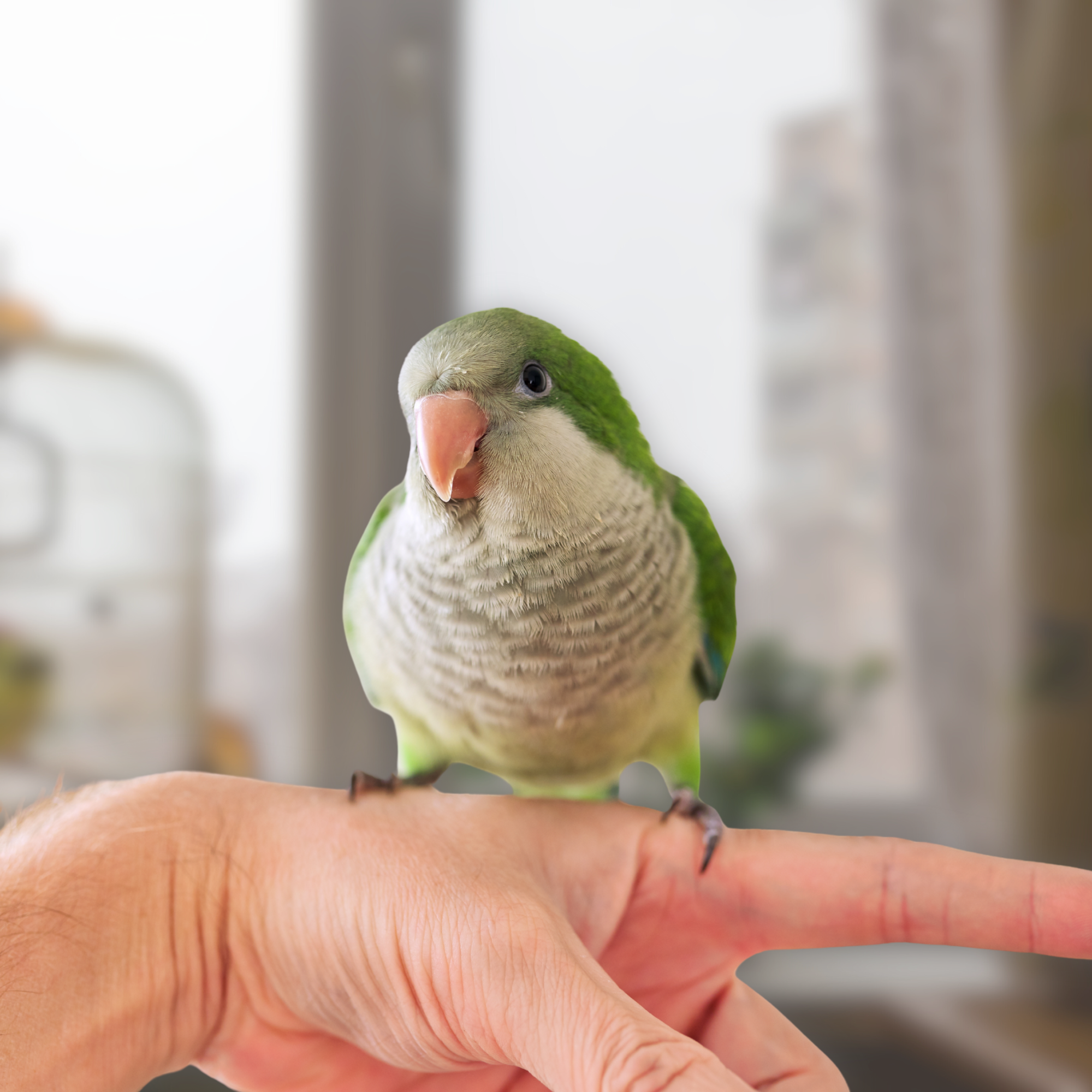
- Past Trauma or Negative Associations: Birds possess excellent memories. If a bird has experienced forceful handling, improper restraint, or uncomfortable interactions in the past, it may develop a strong aversion to hands or human contact. Hand-feeding, while often necessary, can inadvertently create negative associations if not approached with care, especially if the bird perceives it as an invasion of personal space rather than a nurturing act.
- Unfamiliarity and Sensory Perception: A human finger or hand is fundamentally different from a natural perch. It moves, it can feel warm or cold, and it lacks the consistent texture and stability of a branch. Young birds, or those new to human interaction, may simply find the sensation unsettling.
- Unsteady Handling by the Owner: Once a bird has committed to stepping up, any sudden movement or instability in the owner’s hand or arm can be startling. This can erode trust and make the bird hesitant to repeat the action.
- Physical Limitations: Age, injury, or underlying health conditions can impair a bird’s balance, grip strength, or ability to lift its feet comfortably. Arthritis, particularly in older birds, can make perching on an uneven or moving surface painful. Young birds may also have weaker feet or less developed coordination.
- Inconsistent or Incorrect Training Methods: Birds are highly intelligent and responsive to clear communication. However, if training methods are inconsistent, confusing, or based on punishment rather than positive reinforcement, the bird will struggle to understand what is being asked of it, leading to frustration for both parties.
The Science of Positive Reinforcement in Bird Training
Effective bird training, particularly for the step-up, is rooted in the principles of positive reinforcement. This methodology focuses on rewarding desired behaviors, thereby increasing the likelihood of their repetition. Unlike older, dominance-based training approaches, positive reinforcement builds trust and cooperation rather than fear or submission. It leverages a bird’s natural intelligence and its desire for rewards (food, praise, toys) to shape behavior.
Key elements of positive reinforcement include:
- Clear Cues: Consistent verbal and visual signals help the bird associate specific actions with specific requests.
- Immediacy of Reinforcement: The reward must be delivered immediately after the desired behavior occurs, so the bird can clearly link its action to the positive outcome.
- High-Value Rewards: The chosen reward must be highly motivating for the individual bird. This could be a favorite seed, a piece of fruit, a nut, or even verbal praise and a gentle head scratch.
- Short, Positive Sessions: Birds have limited attention spans. Brief, successful training sessions (5-10 minutes) prevent boredom and frustration, keeping the experience enjoyable for the bird.
A Phased Approach to Step-Up Training
Teaching a bird to step up is a sequential process that prioritizes trust, clear communication, and consistent positive reinforcement. A structured approach minimizes stress and maximizes success.
1. Building Trust and Familiarity:
Before any direct training begins, the paramount step is to establish a foundation of trust. This involves creating positive associations with your presence and hands. Spend time near your bird’s cage, speaking in a calm, soothing voice. Offer treats (e.g., a small piece of millet, a sliver of almond) from a distance your bird is comfortable with, gradually reducing the distance as its confidence grows. Never force interaction. Allow the bird to approach your hand on its own terms. For new or highly nervous birds, this phase may take days or even weeks. The goal is for the bird to view your hand as a source of good things, not a threat.
2. Introducing the ‘Step Up’ Cue:
Once your bird shows comfort with your hand nearby, you can begin introducing the specific cues.
- Verbal Cue: Choose a simple, consistent phrase like "step up," "up," or "come up." Say this cue clearly and calmly each time you initiate the action.
- Visual Cue: Present your hand, finger, or a preferred training perch (a dowel or stick can be useful for initial training, especially with larger or more cautious birds) just below the bird’s chest, slightly above its feet. This positioning encourages the bird to lift one foot to meet the offered surface.
- Gentle Pressure: As you offer the visual cue, apply very gentle, upward pressure against the bird’s lower chest or belly. This subtle nudge is typically enough to prompt the bird to shift its weight and lift a foot. It is crucial this is a soft nudge, not a forceful push, to avoid startling or upsetting the bird.
3. Reinforcing Every Win:
The moment your bird places one foot, then both feet, onto your hand or perch, immediate reinforcement is vital.
- Reward: Offer a small, highly palatable treat. The treat should be small enough to be consumed quickly, allowing the training session to continue without prolonged distraction.
- Praise: Accompany the treat with enthusiastic but calm verbal praise, such as "Good bird!" or "Clever bird!"
- Brief Sessions: Keep training sessions short, ideally 5 to 10 minutes, and aim to end on a positive note, even if it means finishing after a successful partial step. This leaves the bird eager for the next session.
- Consistency: Practice regularly, ideally once or twice a day. Consistency helps solidify the association between the cues, the action, and the reward.
Overcoming Obstacles: Addressing Fear and Miscommunication
When a bird appears "stubborn," bites, or attempts to fly away during training, it is a clear signal that the training needs adjustment. These reactions are typically rooted in fear, confusion, or a misunderstanding of the owner’s expectations.

- Re-evaluating the Pace: If a bird is fearful, it often means the training has progressed too quickly. Revert to an earlier step where the bird was comfortable. For example, if the bird is fearful of hands, go back to simply offering treats from a distance without asking for a step-up, gradually reducing the distance over several sessions.
- Identifying Triggers: Observe your bird’s body language. Pinning eyes, fluffed feathers, crouching, or beak gaping are signs of stress or defensiveness. Try to identify what might be triggering these reactions – is it the speed of your approach? The angle of your hand? A specific environment?
- Using a Target Stick: For highly fearful or reluctant birds, a target stick can be an invaluable tool. The bird learns to touch the end of the stick with its beak for a reward. Once this is mastered, the stick can be used to guide the bird onto a perch or hand without direct hand contact initially, building confidence gradually.
- Consistency and Patience: Training a fearful bird requires immense patience. Avoid any form of punishment, as this will only exacerbate fear and damage trust. Focus solely on positive reinforcement, even for tiny approximations of the desired behavior. Short, positive interactions are key.
Expanding Behavioral Repertoire: Step-Down and Laddering
Once the "step up" is mastered, it forms the basis for more complex and useful behaviors, further enhancing the bird’s confidence and responsiveness.
- Step-Down: Teaching a bird to "step down" from your hand onto a designated perch or back into its cage is equally important for control and safety. The methodology mirrors the step-up: introduce a verbal cue ("step down," "down"), present the target perch, and reward the bird as it places one foot, then both, onto the new surface. Consistent practice of both step-up and step-down ensures the bird is comfortable moving to and from various surfaces on cue.
- Laddering: This advanced skill involves having the bird alternate stepping between two hands (e.g., from left hand to right hand, then back to left). Laddering builds agility, balance, and responsiveness, requiring the bird to pay close attention to the owner’s cues. It’s an excellent exercise for mental and physical enrichment, reinforcing the owner as a reliable source of instruction and interaction.
These behaviors, along with others like target training and recall, all build upon the fundamental confidence and communication established through the step-up command.
Expert Consensus on Training’s Role
Avian professionals universally endorse the importance of positive reinforcement training for pet birds. According to Diane Burroughs, LCSW, an avian behavior specialist with over 30 years of experience, "The step-up command is not merely a convenience; it’s a fundamental aspect of preventative care, emergency preparedness, and the overall psychological well-being of a companion bird." Her work, which applies principles of psychotherapy and Applied Behavior Analysis (ABA) to avian behavior, emphasizes that clear communication and mutual trust are paramount for a thriving human-parrot relationship. Avian veterinarians often report that well-trained birds are calmer patients, making examinations less stressful and more effective, ultimately leading to better health outcomes.
The commitment to training reflects a deeper understanding of avian intelligence and emotional complexity. Parrots are highly social and intelligent creatures, capable of learning complex behaviors and forming deep bonds. Neglecting their behavioral needs can lead to frustration, anxiety, and the development of undesirable behaviors such as biting or feather plucking. Conversely, engaging them in positive training provides mental stimulation, reinforces the bond with their human companions, and ensures they are well-adjusted members of the household.
Fostering a Lifelong Bond: The Broader Impact
Ultimately, bird training, exemplified by the mastery of the step-up, transcends mere obedience; it is about building a lifelong relationship founded on mutual trust, clear communication, and respect. When a bird confidently steps onto an owner’s hand, it signifies a deep level of confidence in that individual. This trust allows the bird to explore its world more safely, engage in more enriching activities, and experience a higher quality of life.
For the owner, the benefits are equally profound. The frustration of chasing a reluctant bird is replaced by the satisfaction of harmonious interaction. The fear of potential accidents is mitigated by the assurance of control. Most importantly, the process of positive reinforcement training strengthens the human-animal bond, creating a partnership built on understanding and positive shared experiences. This deeper connection enriches the lives of both bird and owner, ensuring that the avian companion thrives in its domestic environment. The step-up, therefore, is not just a command; it is a gateway to a safer, happier, and more fulfilling life for pet birds and their dedicated caregivers.

