


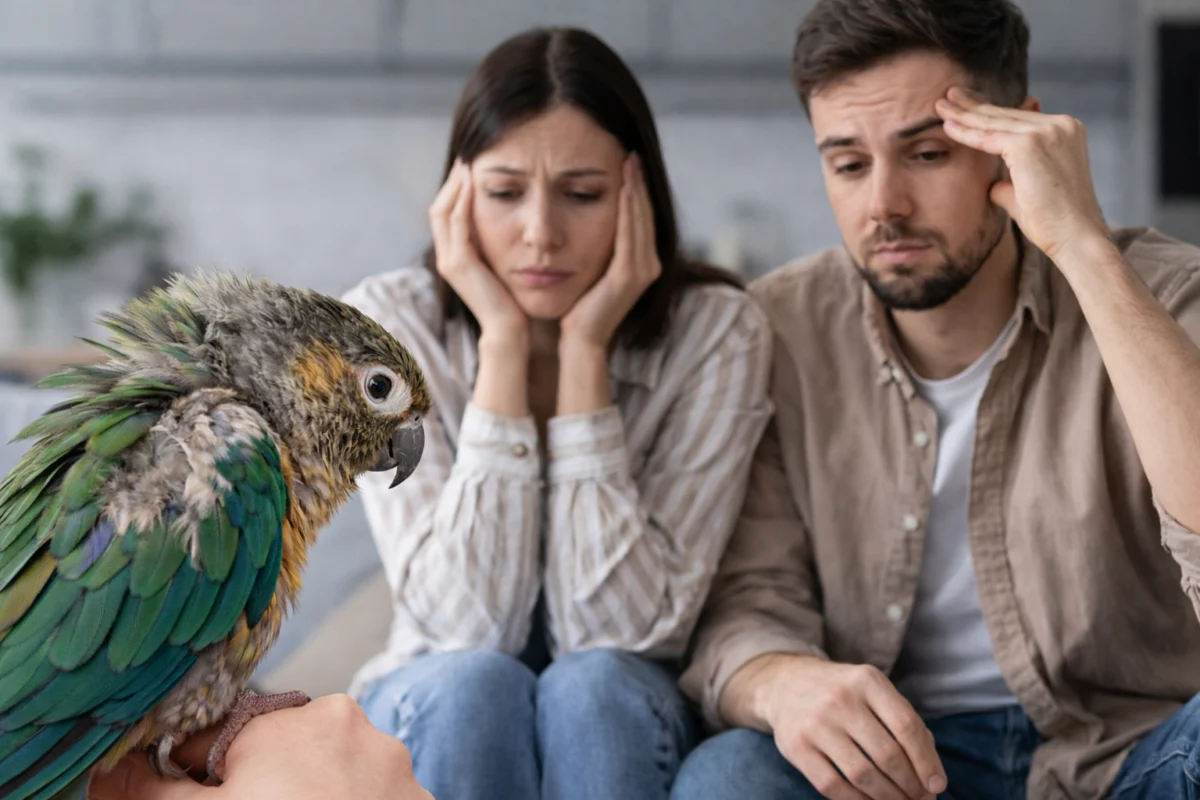
Chronic feather, skin, or what is often termed "never-ending molt" issues in pet birds are rarely sudden occurrences. Owners typically arrive at this point after observing weeks or months of concerning patterns: feathers consistently falling out, new feathers growing in poorly, or persistent skin irritation that seems to bother their bird incessantly. This prolonged state often prompts uneasy questions, such as "Is this molting or plucking?", "Why does this feel like it never ends?", and "Why won’t the feathers just heal?" These questions underscore a critical moment for pet bird owners – a recognition that their bird’s natural repair mechanisms are failing, necessitating a deeper understanding and a structured approach to intervention.
This guide is designed for that pivotal moment, moving beyond initial panic or basic advice to address the persistent, unresolved nature of these avian health challenges. It focuses on recognizing when a bird’s body is struggling to complete essential repair cycles and elucidating what truly helps next. A critical distinction is made between observable bird behavior patterns and the role of behavior modification, emphasizing that the latter is appropriate only after underlying medical causes have been thoroughly investigated and ruled out. The insights provided aim to equip owners with the knowledge to accurately assess their bird’s condition, implement supportive measures, and understand when and how to engage professional avian health and behavior specialists.
Understanding Avian Molting and Feather Health
Feathers are complex epidermal outgrowths crucial for flight, thermoregulation, protection, and display. Their health is a direct indicator of a bird’s overall physiological well-being. Molting, the natural process of shedding old feathers and growing new ones, is an essential biological cycle for all birds. This process typically occurs in a predictable, species-specific pattern, often influenced by seasons, light cycles, and reproductive status. A normal molt is characterized by a gradual replacement of feathers, ensuring the bird retains sufficient plumage for flight and protection throughout. During this time, owners may notice an increased number of shed feathers, the appearance of new pin feathers (enclosed in a keratin sheath), and temporary changes in activity or appetite. However, these phases are usually transient, with healthy, fully formed feathers emerging within a defined period.
When this natural cycle is disrupted, it can lead to chronic feather and skin issues. The distinction between a normal, albeit sometimes intense, molt and a problematic, chronic condition lies in the duration, severity, and quality of the feather regrowth. A persistent cycle where feathers fall, grow back poorly, irritate the skin, and then the cycle repeats without resolution points to an underlying issue beyond routine molting.
Identifying Concerning Patterns: What Owners Observe
The most crucial step for owners is to slow down and meticulously observe their bird’s behavior and feather condition without immediately jumping to conclusions like "molt" or "plucking." Chronic feather issues manifest as a repeating pattern, not an isolated incident. Common observations that should raise concern include:
- Continuous Feather Loss: While some feather loss is normal during a molt, continuous, heavy shedding outside typical molting seasons, or a complete lack of a "calm" period, is abnormal.
- Poor Feather Quality: New feathers that emerge misshapen, discolored, dull, frayed, or with visible stress bars (transverse lines or weak points across the feather vane) indicate systemic problems during feather formation.
- Skin Irritation and Damage: Redness, inflammation, scabbing, or open sores on the skin, often accompanied by excessive scratching or self-mutilation, are clear signs of distress.
- Bare Patches: Areas of skin that remain persistently featherless, especially if previously covered, suggest a failure of new feathers to grow or chronic removal.
- Excessive Preening or Picking: While preening is normal, obsessive, aggressive, or destructive preening that damages feathers or skin goes beyond healthy maintenance.
- Behavioral Changes: Increased irritability, lethargy, reduced appetite, changes in vocalization, or altered social interaction can accompany physical discomfort.
To effectively track these observations, a simple action plan is recommended: define when fully healthy feathers were last observed, and then photograph the same areas weekly under consistent lighting conditions. This systematic documentation helps confirm whether the issue is truly ongoing and provides objective evidence, preventing guesswork and facilitating more accurate professional assessment.
Normal vs. Concerning: A Deeper Dive
A normal molt unfolds in waves, with periods of feather shedding and regrowth followed by phases of calm. Even the "spiky" pin-feather phase, which can cause temporary itchiness, typically passes as these new feathers unfurl and the underlying skin settles. The bird maintains its overall plumage integrity, and new feathers are robust and vibrant.
Conversely, several indicators raise significant concern:
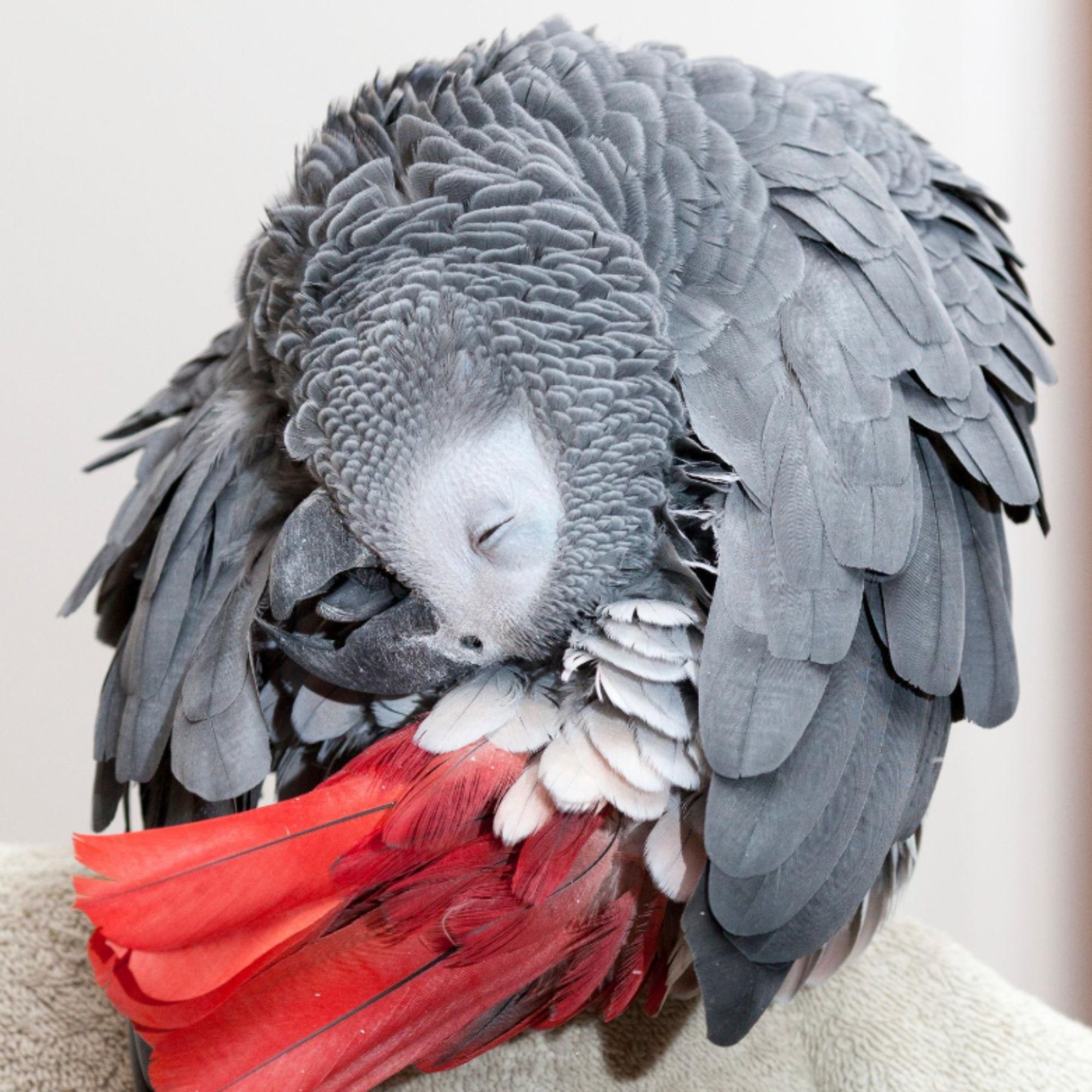
- "Stress Bars": These horizontal lines or indentations on feathers are a classic sign of nutritional deficiencies, illness, or severe stress experienced during the feather’s growth phase. They indicate a temporary halt or disruption in keratin production.
- Persistent Pin Feathers: If pin feathers appear but never fully open, or if the bird constantly picks at them, it can signify nutrient deficiencies, inadequate humidity, or discomfort.
- Dull, Frayed, or Discolored Feathers: Lackluster plumage, broken feather shafts, or unusual color changes (e.g., green feathers turning yellow in some species) often point to dietary imbalances, liver disease, or systemic illness.
- Asymmetrical Feather Loss or Damage: While normal molting is generally symmetrical, localized or one-sided feather loss, especially on the chest, wings, or legs, might indicate self-mutilation or a specific injury.
- Visible Skin Abnormalities: Beyond simple redness, any scabs, cysts, tumors, or parasites on the skin necessitate immediate veterinary attention.
- Unseasonal or Prolonged Molt: A molt that lasts for many months, seems to never end, or occurs completely out of sync with typical seasonal patterns is highly concerning.
It is crucial for owners to compare their bird’s current condition to its own past health, rather than to other birds. The most telling sign is when a problematic pattern doesn’t resolve, indicating the body hasn’t had sufficient opportunity or resources to heal.
Immediate Actions: Focusing on Stabilization
When chronic feather or skin issues are observed, the immediate focus should be on stabilization rather than attempting to "fix" everything at once. This phase is about providing foundational support to the bird’s body, creating an environment conducive to healing and reducing any additional stressors.
Key stabilization strategies include:
- Optimizing Nutrition: Ensure a high-quality, species-appropriate diet. This typically means a pelleted diet as a base, supplemented with fresh vegetables, some fruits, and a small amount of healthy seeds. Avoid all-seed diets, which are notoriously deficient in essential vitamins, minerals, and amino acids crucial for feather production. Consider supplements like omega fatty acids or specific vitamins if advised by an avian vet.
- Ensuring Adequate Hydration and Bathing Opportunities: Fresh water must always be available. Provide regular opportunities for bathing, whether through misting, a shallow water dish, or a bird bath. Proper hydration and feather moisture are vital for healthy feather emergence and reducing itchiness.
- Maintaining Optimal Environmental Conditions:
- Temperature and Humidity: Keep the ambient temperature stable and within a comfortable range for the species. Maintain appropriate humidity levels, especially for species native to tropical environments, as dry air can exacerbate skin and feather issues.
- Light Cycle: Establish a consistent 10-12 hour light/dark cycle. Adequate darkness is essential for melatonin production, which regulates sleep and hormonal processes, including molting.
- Cleanliness: Regularly clean the cage, perches, and food/water dishes to minimize exposure to bacteria, fungi, and dust, which can irritate skin and respiratory systems.
- Minimizing Stressors: Identify and reduce potential sources of stress in the bird’s environment. This could include loud noises, sudden changes, perceived threats, or excessive handling.
- Providing Rest: Ensure the bird has a quiet, undisturbed place to sleep for 10-12 hours nightly. Growing new feathers is metabolically demanding, and adequate rest is critical for recovery and regeneration.
This stabilization phase is not about:
- Immediately attempting behavior modification for plucking.
- Introducing multiple new supplements without veterinary guidance.
- Making drastic, sudden changes to the bird’s routine.
- Panicking or over-handling the bird, which can increase stress.
The underlying goal is to create a supportive environment where the bird’s body can allocate its resources towards healing and producing healthier feathers. Rushing into multiple interventions or maintaining a high-stress environment often keeps the bird’s body in a state of physiological alert, directly impeding proper feather development and repair.
Behavioral Insights: Why Feather Problems Persist
Feather regrowth is one of the most metabolically demanding processes a bird’s body undertakes. It requires a significant allocation of nutrients, energy, and precise hormonal signaling. When a bird is already expending such high effort, additional stressors—such as disrupted sleep, constant handling, inadequate nutrition, or environmental instability—can overwhelm its system. Often, the first visible manifestation of this physiological strain appears in the feathers.
Consider the analogy of human recovery from illness or exhaustion. Individuals instinctively seek rest, simplicity, gentle nourishment, and extended sleep. Birds require a similar level of supportive care when their bodies are under the strain of feather growth and repair. By observing a bird’s body language—such as ruffled feathers, lethargy, decreased appetite, or increased vigilance—owners can gain insight into its stress levels.
Viewing chronic feather issues through a "behavior study" lens clarifies why simple "fixes" often fail. A body cannot prioritize healing when it is constantly reacting to perceived threats or coping with chronic physiological demands. Reducing day-to-day stress doesn’t magically regenerate perfect feathers, but it establishes the optimal conditions under which the next cycle of feather growth has a significantly better chance of success. This involves thinking in terms of support and rest: simplifying the bird’s environment, ensuring comfort, and allowing its body to catch up.
Common, often unintentional, ways stress is added to a bird’s life include:
- Inconsistent Routines: Erratic feeding times, changing cage locations, or unpredictable interaction schedules.
- Lack of Sleep: Insufficient darkness or constant disturbance during rest periods.
- Inadequate Enrichment: Boredom, lack of mental stimulation, or insufficient opportunities for natural behaviors.
- Loud or Chaotic Environment: Constant noise, busy household activity, or perceived threats (e.g., other pets, children).
- Over-handling or Forced Interaction: Imposing interaction when the bird is not receptive, leading to anxiety.
- Nutritional Imbalances: Diets high in processed foods, sugar, or unhealthy fats, or lacking essential vitamins and minerals.
Recognizing these potential stressors is not an indictment of ownership but an opportunity to refine care practices. It shifts the focus from "what went wrong" to "how can I better support my bird’s natural healing."

The Role of Behavior Modification
Behavior modification, when applied correctly, focuses on reinforcing desired behaviors rather than reacting to undesirable ones. Crucially, in the context of feather issues, behavior modification is appropriate only after all potential medical causes have been thoroughly investigated and ruled out by an avian veterinarian.
Once medical issues are excluded, behavioral work is not about "correcting" feather plucking directly. Instead, it aims to strengthen normal, species-appropriate parrot activities such as eating, bathing, chewing, exploring, foraging, and playing. These natural behaviors serve as intrinsic stress relief mechanisms for parrots. When birds are actively engaged in these positive activities, their focus shifts away from their feathers. Calm preening, consistent eating, regular bathing, destructive chewing, and engaged exploration help birds regulate stress and provide alternative outlets for their energy and attention. As stress levels decrease and environmental predictability increases, improvements in both behavior and feather quality often emerge concurrently. This holistic approach empowers the bird to adopt healthier coping strategies.
When to Seek Professional Help
Knowing when to transition from supportive home care to professional intervention is critical. Owners should consult an avian veterinarian without delay if they observe any of the following:
- Rapid or Severe Feather Loss: Sudden onset of bald patches or significant feather loss.
- Visible Skin Damage: Bleeding, open sores, persistent redness, scabbing, or signs of infection on the skin.
- Changes in Weight or Appetite: Unexplained weight loss (prominent keel bone), decreased food intake, or unusual dietary preferences.
- Low Energy or Lethargy: A bird that is unusually quiet, inactive, fluffed up, or spends excessive time sleeping.
- Changes in Droppings: Diarrhea, unusual colors, or changes in consistency that persist.
- Any Other Signs of Illness: Discharge from eyes or nares, labored breathing, lameness, or neurological signs.
- Failure to Improve: If, despite consistent supportive care and environmental optimization, the feather or skin condition does not improve or worsens over several weeks.
The sequence of professional consultation matters significantly. If physical changes such as weight loss, prominent keel bone, skin damage, low energy, or appetite shifts are present, an avian veterinarian is the first and essential point of contact. An avian vet can perform diagnostic tests (e.g., blood work, feather biopsies, skin scrapings, cultures, viral testing for PBFD or Polyomavirus) to identify underlying medical conditions such as nutritional deficiencies, parasitic infestations, fungal or bacterial infections, organ disease, or systemic illnesses.
Only once medical causes have been definitively ruled out, and the issue appears to be predominantly habit-driven or stress-related, should a qualified bird behaviorist be consulted. A behaviorist can then work with the owner to identify and mitigate environmental stressors, reinforce healthier coping behaviors, and develop a comprehensive behavior modification plan tailored to the individual bird’s needs. This collaborative approach between veterinary medicine and behavioral science offers the most comprehensive pathway to resolving chronic feather and skin issues.
Broader Impact and Implications
Chronic feather and skin issues have significant implications for both the bird and its owner. For the bird, prolonged discomfort, pain, and physiological stress can severely diminish its quality of life, leading to chronic illness, compromised immune function, and a shortened lifespan. The inability to fly due to damaged feathers can also impact their natural instincts and sense of well-being.
For owners, witnessing a beloved pet suffer from persistent issues is emotionally taxing. The financial burden of repeated veterinary visits, diagnostic tests, and specialized treatments can be substantial. Furthermore, the frustration of not knowing how to help can strain the human-animal bond. This highlights the critical need for increased awareness, education, and access to specialized avian veterinary and behavioral care. Preventative care, including a species-appropriate diet, a stimulating environment, consistent routines, and regular wellness checks, remains the most effective strategy to avoid the onset of these complex problems.
Key Takeaway
With chronic feather and skin issues in avian companions, the timing and nature of interventions are paramount. The initial focus must be on supporting the bird’s fundamental physiological needs: optimizing physical health through proper nutrition, ensuring adequate rest, establishing predictable routines, and maintaining a low-stress environment. If, despite these supportive measures, feather problems persist, worsen, or are accompanied by other clinical signs such as weight loss, pain, or skin damage, an avian veterinarian is the immediate and indispensable first call. Behavioral support, provided by a qualified avian behaviorist, follows once all medical causes have been thoroughly investigated and ruled out. This behavioral intervention is most effective when it is centered on reducing stress and reinforcing natural, healthy parrot behaviors, rather than attempting to force a cessation of feather-focused habits. This integrated, patient-centered approach offers the best prognosis for restoring feather health and overall well-being in affected birds.

