


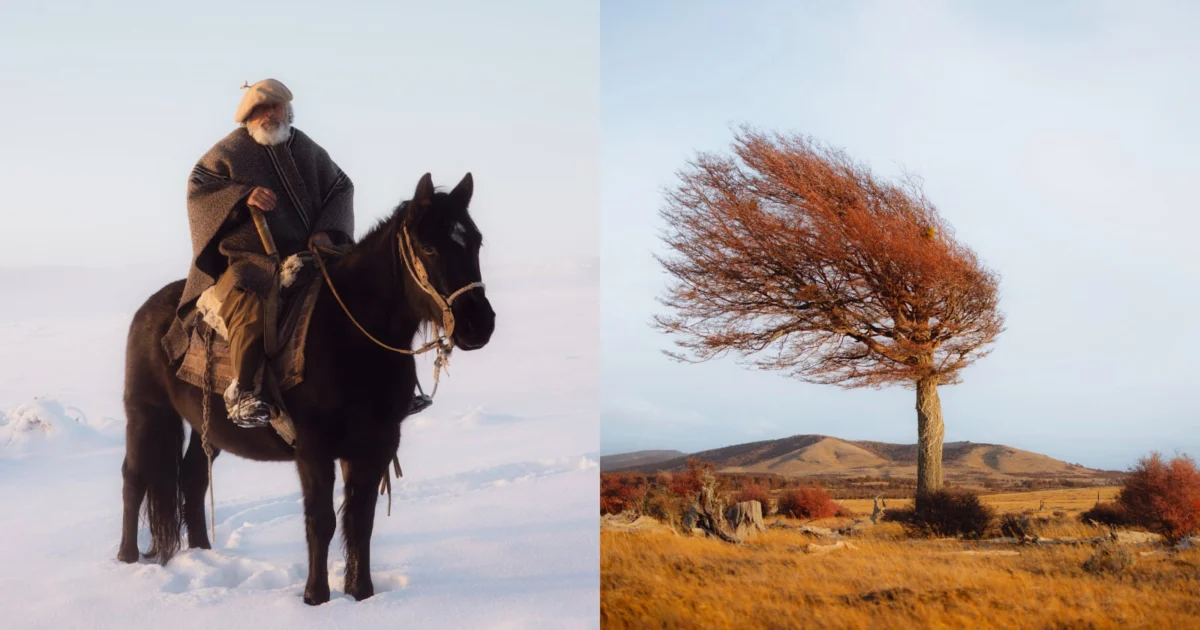
The publication of Dutch photographer Pie Aerts’ first monograph, Coirón, marks the culmination of a profound six-year journey into the heart of the Chilean Magallanes. Released by GOST Books in September, this extensive body of work offers a rare, unflinching look at the lives of "puesteros"—solitary ranchers who inhabit the vast, windswept landscapes of southern Chile. These men, often descendants of the storied gaucho tradition, live in a state of near-total isolation for months at a time, serving as the human anchors for massive private estates they will never own. Aerts’ project is more than a collection of images; it is a sociological and psychological study of a demographic that is rapidly approaching cultural extinction.
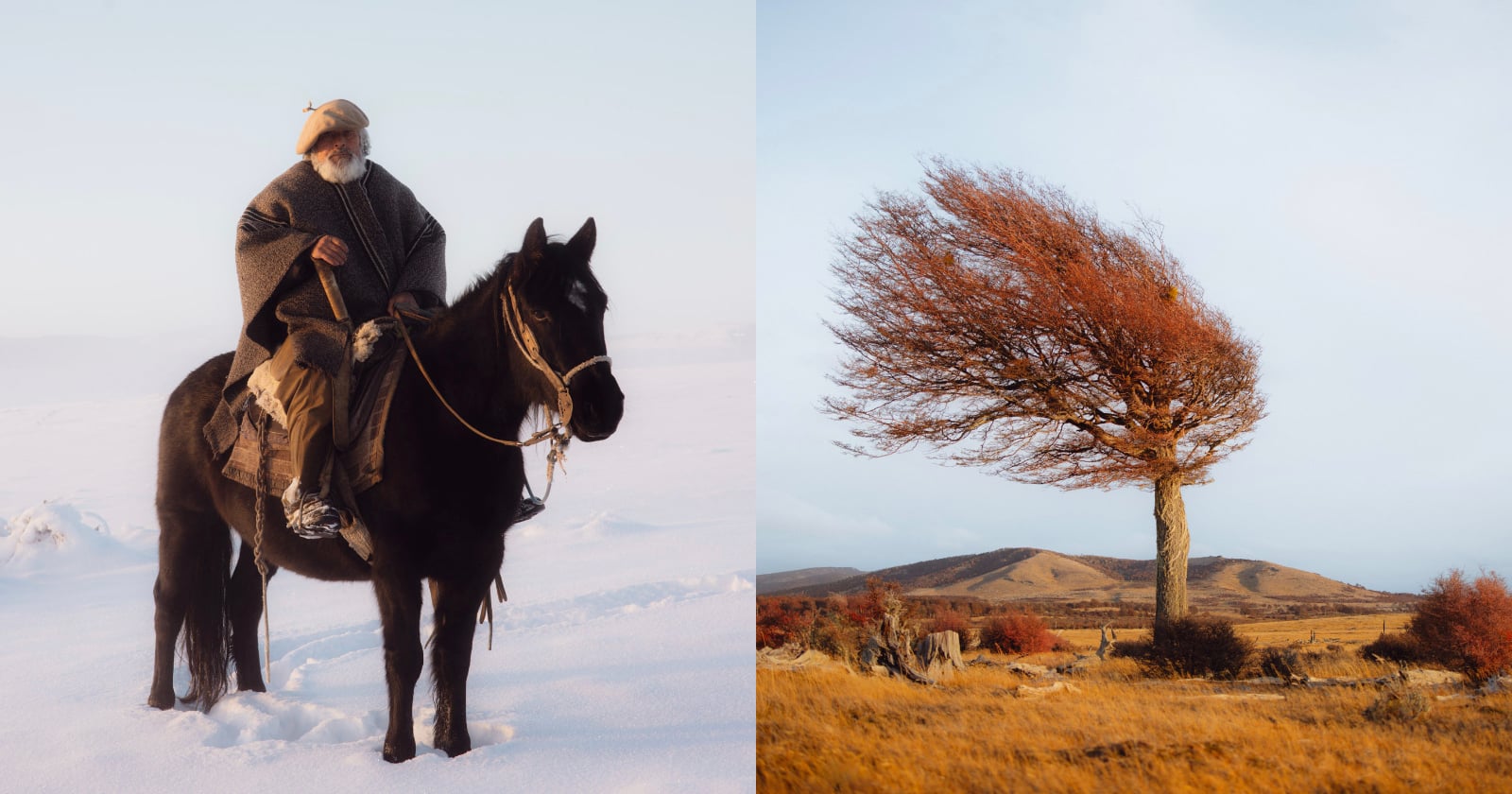
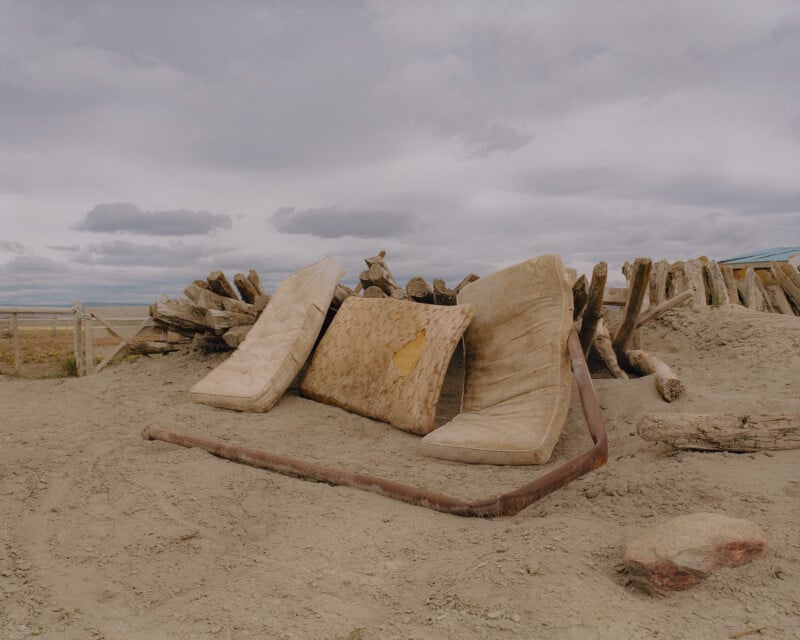
The Magallanes region, located at the southernmost tip of South America, is defined by its brutal climate and rugged terrain. It is a land of extreme wind, biting snow, and torrential rain, where the environment dictates the rhythm of human existence. Within this landscape, the "puestos"—simple, often decaying shelters built for nomadic farmers—stand as symbols of both resilience and neglect. Aerts spent more than half a decade embedded within this way of life, documenting the aging men who remain the last practitioners of a dying trade. His work captures a moment in history where tradition is colliding with the modern world, resulting in a slow, silent disappearance of a unique cultural identity.
The Geography of Isolation and the Role of the Puestero
To understand the significance of Coirón, one must first understand the geographic and economic context of the Magallanes. Spanning over 132,000 square kilometers, the region is one of the most sparsely populated areas in Chile. Much of the land is divided into enormous private ranches, or estancias, which require constant surveillance and management of livestock. The puesteros are the laborers tasked with this responsibility. Unlike the romanticized image of the gaucho who roams the plains, the puestero is often stationary, tethered to a specific outpost or "puesto" to guard the borders and health of the herd.
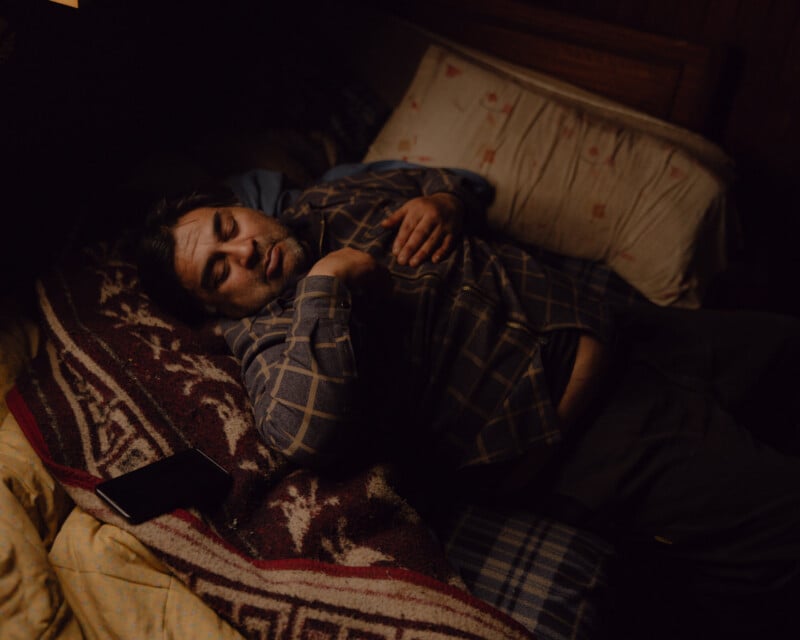
These men operate in a state of professional and social limbo. While they are essential to the operations of the estancias, they possess little to no job security. Most are aging, and as their physical strength wanes, they face a precarious future with no retirement provisions or social safety nets. Aerts’ photography highlights the duality of their existence: they are the masters of the land in terms of knowledge and endurance, yet they remain economically disenfranchised. The title of the book, Coirón, refers to a hardy, yellow-hued bunchgrass native to the Patagonian steppe—a plant that, like the men themselves, survives in conditions where little else can.
A Culture on the Brink of Extinction
The primary driver behind the disappearance of the puestero lifestyle is a profound generational shift. In contemporary Chile, the allure of urban centers like Punta Arenas or Santiago has largely eclipsed the appeal of a life defined by backbreaking labor and solitude. Aerts notes that the younger generation no longer finds the necessity or the desire to pursue a life on the land. Instead, those who wish to remain connected to their heritage often pivot toward "gaucho tourism," a commercialized version of their ancestors’ reality that caters to international travelers.
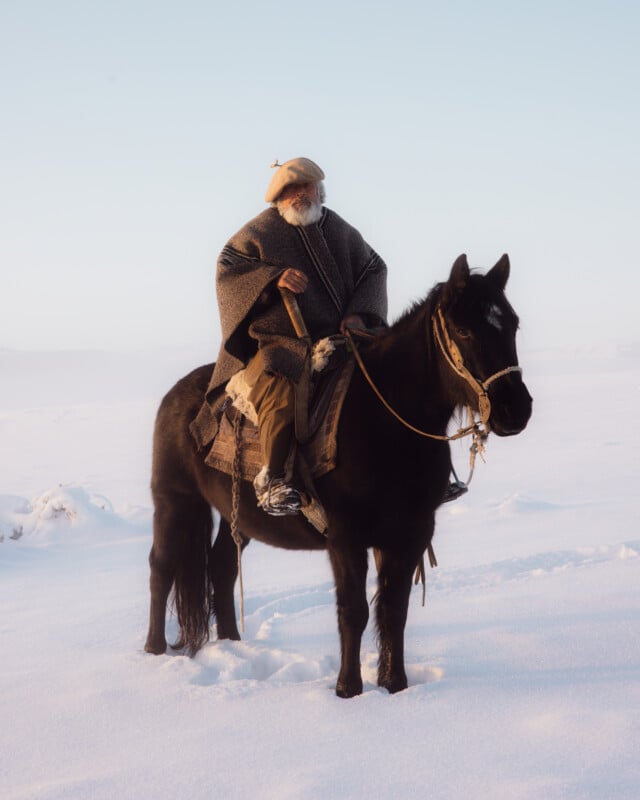
This shift has broken a generational cycle that has persisted for over a century. As the current cohort of puesteros ages, there are no successors to take their place. This cultural erosion is not merely a loss of labor but a loss of intangible heritage—the specific skills of animal husbandry, the deep understanding of Patagonian weather patterns, and the oral histories passed down through silence and shared work. Aerts’ documentation serves as a final archive of these men before their way of life is relegated to history books and museum exhibits.
The Psychological Toll of Silence and Solitude
One of the most striking aspects of Aerts’ work is its focus on the internal lives of his subjects. The traditional gaucho culture is rooted in a brand of stoicism that denies emotion and prioritizes physical endurance. However, through years of building trust, Aerts was able to peel back these layers of defense. He discovered a community grappling with significant mental health challenges, often exacerbated by decades of isolation.
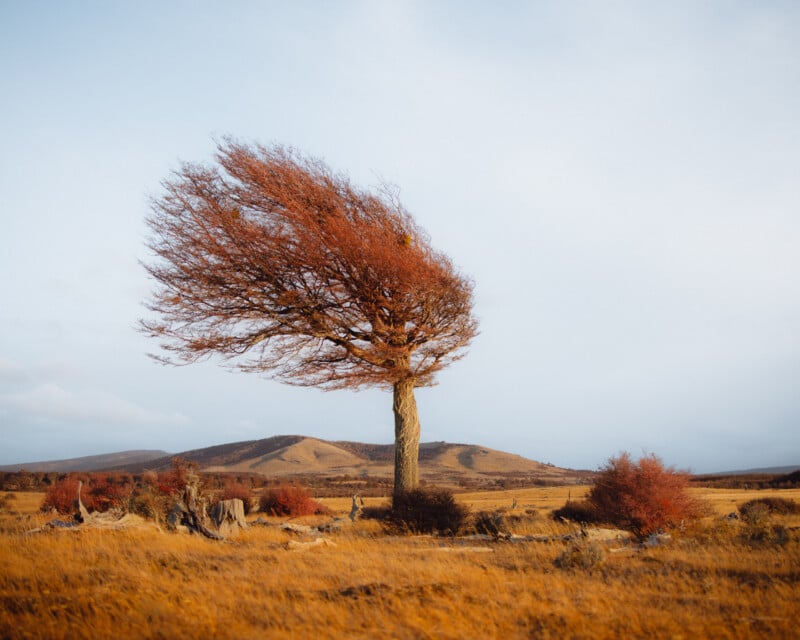
In the book, Aerts profiles individuals like Luis, a man who has lived alone for more than 40 years. Luis’s story is one of profound trauma; a difficult family history and the complexities of his adoption led him to flee as far from home as possible at the age of 20. For men like Luis, the silence of the Magallanes is both a refuge and a prison. The mental toll of this isolation frequently manifests in high rates of alcoholism and, tragically, suicide within the ranching community.
Despite these hardships, Aerts’ portraits do not depict his subjects as victims. Instead, they are shown with a sense of dignity and resilience. Recently, some of these men have begun to speak more openly about the impact of their lifestyle on their mental well-being, slowly breaking the long-standing stigma surrounding the stoic character of the gaucho. This shift in dialogue, though late in coming, represents a significant evolution in the cultural consciousness of the region.
Environmental Pressures and the Changing Landscape
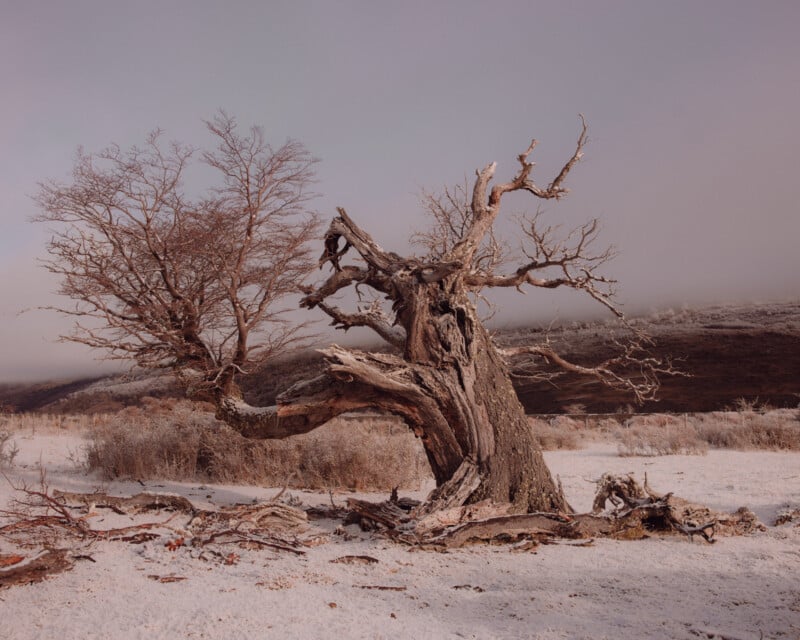
Beyond the social and cultural shifts, the puesteros are also facing an environmental crisis. The Magallanes region is currently experiencing unprecedented drought conditions, part of a broader "mega-drought" that has plagued Chile for over a decade. This lack of water puts immense pressure on the land and the livestock, making the already difficult job of the puestero even more grueling.
The environmental degradation is visible in Aerts’ photography—leafless, twisted trees standing in frost-covered fields and parched earth where grass once flourished. These images serve as a visual metaphor for the state of the culture itself: weathered, struggling, and facing an uncertain future. The combination of economic marginalization, social isolation, and environmental collapse creates a "perfect storm" that is accelerating the end of the puestero era.
The Photographer’s Journey and Personal Reflection
For Pie Aerts, the six years spent in Chile were as much a personal journey as a professional one. Aerts admits that he has long harbored a deep-seated fear of loneliness and existential silence. By immersing himself in the lives of men who have made a virtue of that very silence, he was forced to confront his own anxieties.
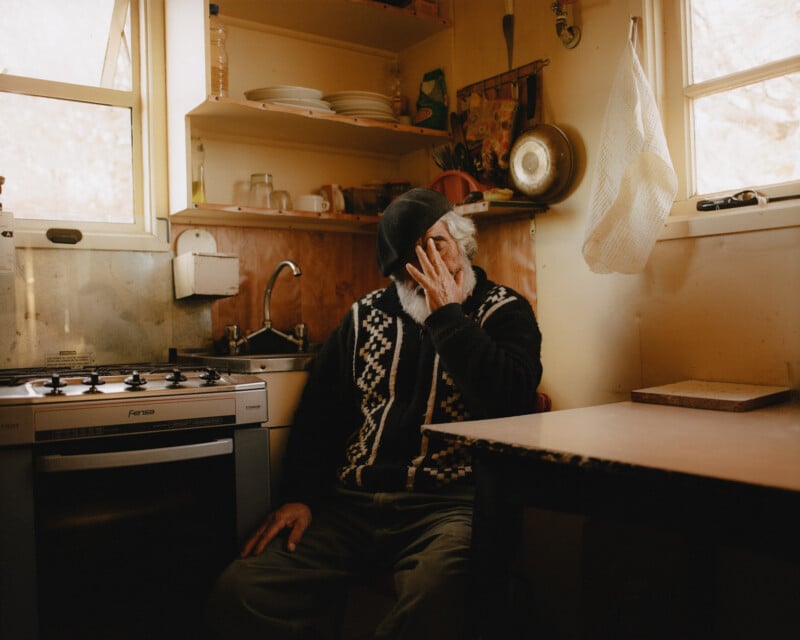
"Spending time in the presence of these puesteros, while seeing them sit through a life of silence, hardship, and endurance, I started to open up to a different perspective on the silence I’ve always feared," Aerts stated. This personal evolution is reflected in the intimacy of the photographs. The images are not those of a detached observer but of someone who has shared meals, endured the cold, and sat in the long silences alongside his subjects. This proximity allowed Aerts to capture moments of vulnerability—such as an elderly man covering his face in a dimly lit kitchen or the thoughtful, weary gaze of a rancher who recently lost his home to a fire.
Broader Implications and Cultural Legacy
The release of Coirón comes at a time when the global community is increasingly concerned with the preservation of indigenous and traditional cultures. The puesteros of Magallanes represent a specific subset of Chilean identity that is often overlooked in broader national narratives. By documenting their lives with such depth and nuance, Aerts provides a vital service to the cultural history of South America.
The book invites viewers to pause and reflect on the cost of modern progress. As the world becomes more connected and fast-paced, the "slow time" of the puesteros becomes an anomaly. Their lives offer a counter-narrative to the digital age, emphasizing a connection to the land and a level of self-reliance that is increasingly rare.
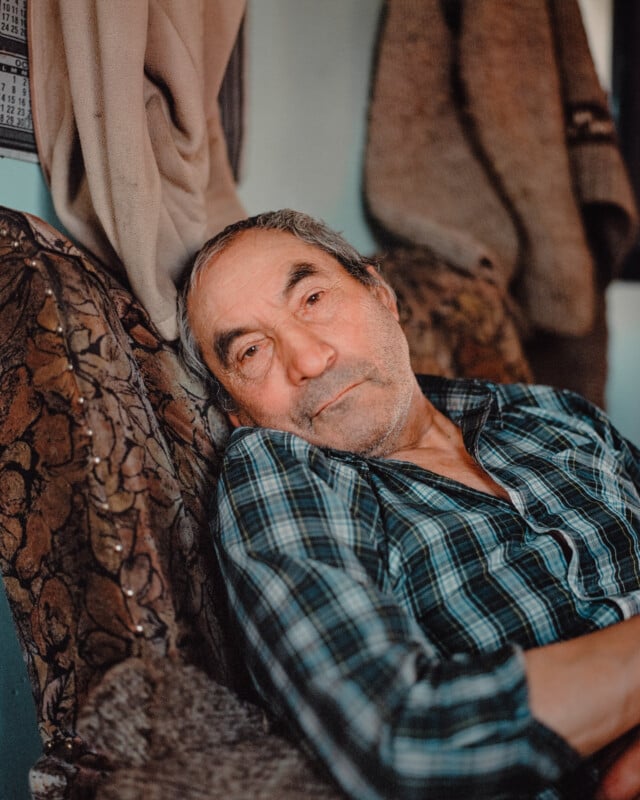
Furthermore, Aerts’ work highlights the need for better social protections for traditional laborers. The stories of men like Oscar, whose outpost burned to the ground leaving him homeless, or Luis, who narrowly escaped permanent disability after a fall from his horse, underscore the vulnerability of this population. As Chile continues to develop, the plight of its rural workers remains a critical issue for social justice and labor rights advocates.
Conclusion
Coirón is a hauntingly beautiful tribute to a group of men who have spent their lives in the shadows of the Chilean wilderness. Through Pie Aerts’ lens, the puesteros are given a voice and a face, ensuring that their contribution to the heritage of the Magallanes is not forgotten. The monograph stands as a powerful reminder of the resilience of the human spirit in the face of isolation and change. As the last of the puesteros continue their solitary watch over the southern plains, Aerts’ work ensures that their story will endure long after the last "puesto" has succumbed to the wind and rain.

