


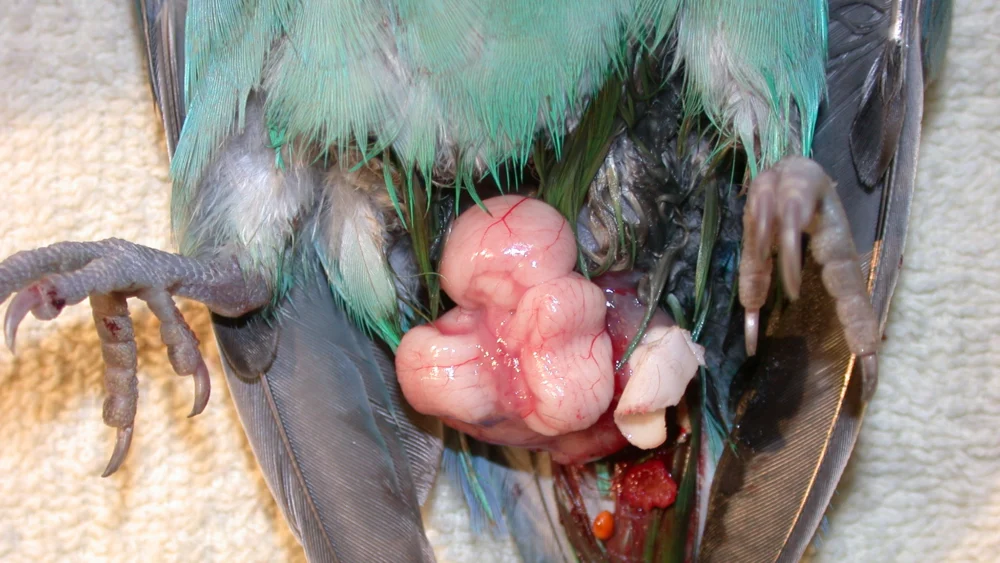
The veterinary medical community is preparing for an extensive educational deep dive into one of the most challenging aspects of avian medicine: the management of reproductive pathologies in female parrots. Scheduled for Wednesday, June 24, 2026, at 2:00 pm EDT, LafeberVet will host a comprehensive webinar titled Reproductive Disease in Female Psittacine Birds, led by the renowned avian specialist Dr. Don Harris. This session aims to address the complexities of reproductive health in captive psittacine species, with a particular focus on dystocia, commonly known as egg binding, a condition that remains a leading cause of morbidity and mortality in female pet birds.
As avian medicine continues to evolve from a niche sub-specialty into a highly sophisticated field of veterinary science, the need for specialized knowledge regarding reproductive disorders has never been greater. Captive psittacine birds—a group that includes parrots, macaws, cockatiels, and budgerigars—are uniquely predisposed to reproductive complications due to a variety of environmental, nutritional, and genetic factors. The upcoming webinar seeks to provide veterinary professionals with practical, field-tested strategies for diagnosing and treating these conditions, drawing on nearly half a century of clinical experience.
The Clinical Significance of Reproductive Disease in Avian Patients
Reproductive disease in female psittacine birds is a multifaceted challenge that encompasses a wide range of pathologies, including chronic egg laying, yolk coelomitis, ovarian neoplasia, and oviductal impaction. However, the most urgent and frequently encountered presentation is dystocia. Dystocia occurs when an egg fails to pass through the oviduct at a normal rate, often leading to life-threatening complications such as pressure-induced necrosis, metabolic exhaustion, and circulatory collapse.
In the wild, reproductive cycles are strictly regulated by seasonal changes, food availability, and social cues. In a captive environment, however, these natural checks are often absent. Constant temperatures, artificial lighting, and high-calorie diets can keep a female bird in a perpetual state of reproductive readiness. This chronic hormonal stimulation often leads to the depletion of essential nutrients, particularly calcium, which is vital for both eggshell formation and the muscular contractions required for oviposition.
Dr. Don Harris, the primary presenter for the June 2026 event, emphasizes that while there are various theoretical approaches to these conditions, clinical success often relies on refined techniques developed through decades of observation. With 45 years of practice, Harris’s methodology focuses on safety and efficacy, acknowledging that while no single method is foolproof, a systematic approach to egg binding can significantly improve patient outcomes.
Chronology of the Event and Registration Details
The webinar is structured to serve an international audience of veterinary professionals, including veterinarians, veterinary technicians, and students specializing in exotic animal medicine.
The event timeline is as follows:
- Announcement and Registration Phase: Registration is currently open through the Zoom platform. Participants are encouraged to register early to receive the necessary technical links and preparatory materials.
- Live Broadcast: The webinar will commence promptly at 2:00 pm EDT on June 24, 2026. This time corresponds to UTC -04:00, making it accessible for practitioners across the Americas and evening viewers in Europe.
- Interactive Q&A Session: Following the formal presentation, a live Question and Answer session will allow attendees to engage directly with Dr. Harris to discuss specific case studies and technical nuances.
- Post-Event Access: For those unable to attend the live broadcast, a recorded version will be archived on the LafeberVet website several days after the event.
- Follow-up Support: Questions not addressed during the live session will be answered via email and subsequently posted on the webinar’s resource page, ensuring a lasting educational record.
Expert Profile: Dr. Don Harris
The selection of Dr. Don Harris as the lead speaker underscores the high level of expertise associated with LafeberVet’s educational programming. Dr. Harris is a graduate of the Louisiana State University School of Veterinary Medicine and has been a pivotal figure in exotic animal medicine since 1990. As the owner of Miami’s first exotics-only veterinary hospital, the Avian & Exotic Animal Medical Center, he has dedicated his career to the specialized care of non-traditional pets.
His influence extends beyond the clinic. Dr. Harris is a past president of several prestigious organizations, including the South Florida Veterinary Medical Association, the Association of Avian Veterinarians (AAV), and the North American Veterinary Community (NAVC). He was also a key organizer of the North American Veterinary Conference, recognized as the largest veterinary gathering in the world. Furthermore, his roles as a consulting veterinarian for the Georgia Aquarium Research Center, Miami MetroZoo, and Jungle Island highlight his standing as a global authority on avian and exotic health.
Supporting Data and Pathophysiological Context
Understanding the gravity of reproductive disease requires an analysis of the physiological demands placed on the female bird. The avian reproductive system is unique; most female birds possess only a functional left ovary and oviduct. The process of creating an egg is a massive metabolic undertaking. For instance, a cockatiel may lose a significant percentage of her total body calcium to produce a single clutch of eggs.
Data from avian clinical surveys suggest that nutritional secondary hyperparathyroidism (calcium deficiency) is a contributing factor in over 60% of dystocia cases. When blood calcium levels drop, the smooth muscles of the oviduct cannot contract effectively, leading to the "stuck" egg. Furthermore, environmental factors such as "inappropriate" pair bonding with human owners can trigger hormonal surges that exacerbate these risks.
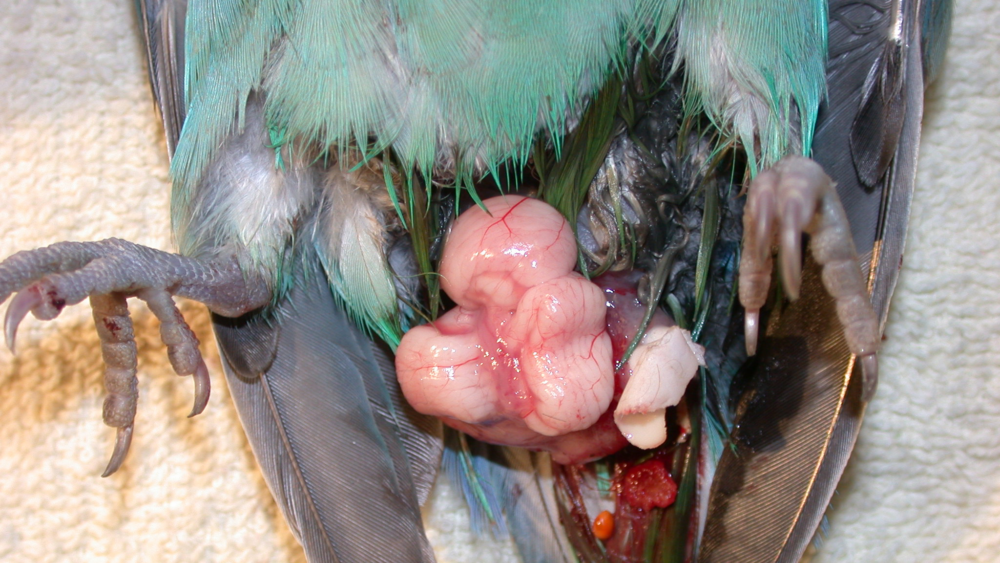
The webinar will provide an analytical breakdown of these triggers, moving beyond simple symptom management to address the root causes of reproductive distress. This involves a combination of medical stabilization—often involving fluid therapy, calcium administration, and thermal support—and surgical or manual intervention when necessary.
Continuing Education and Professional Standards
For veterinary professionals, the webinar offers more than just clinical insights; it provides essential Continuing Education (CE) credits. The program has been granted 1.0 credit hour by the American Association of Veterinary State Boards (AAVSB) Registry of Approved Continuing Education (RACE).
RACE approval is a critical benchmark for veterinary education, ensuring that the content meets rigorous standards for scientific integrity and clinical relevance. In many jurisdictions, veterinarians and technicians are required to complete a specific number of RACE-approved hours annually to maintain their professional licensure. By providing high-quality, accessible CE, LafeberVet supports the ongoing professional development of the global veterinary workforce, ultimately raising the standard of care for avian patients worldwide.
Technical Requirements and Global Accessibility
In an effort to ensure a seamless experience for a global audience, the organizers have provided detailed technical guidelines. The webinar will be hosted on the Zoom platform, which is compatible with Windows, macOS, and mobile operating systems (iOS and Android).
Recommended browsers for the best viewing experience include updated versions of Google Chrome, Mozilla Firefox, Safari, and Microsoft Edge. Participants are advised to download the Zoom software in advance and ensure their audio systems are functional. This emphasis on technical preparedness reflects the shift toward digital-first education in the medical community, allowing for the rapid dissemination of specialized knowledge across geographic boundaries.
Broader Implications for Avian Welfare
The implications of this educational initiative extend to the broader field of animal welfare and conservation. Psittacine birds are among the most popular pets globally, yet they are also among the most frequently misunderstood in terms of their complex biological needs. By equipping veterinarians with the tools to manage reproductive diseases more effectively, the incidence of preventable deaths can be reduced.

Furthermore, the strategies discussed by Dr. Harris have applications in conservation medicine. Many endangered parrot species face reproductive challenges in captive breeding programs. The clinical techniques used to resolve dystocia in a pet cockatoo can often be adapted for use in high-stakes conservation efforts for species such as the Spix’s Macaw or the Puerto Rican Parrot.
Analysis of the Impact on Veterinary Practice
The transition from general practice to specialized avian care is a significant trend in the veterinary industry. As pet owners increasingly view birds as integral family members, their expectations for medical care have risen accordingly. They no longer accept "wait and see" approaches to reproductive distress; they demand advanced diagnostic imaging, such as digital radiography and ultrasonography, and sophisticated medical interventions.
Dr. Harris’s presentation is expected to bridge the gap between academic theory and practical "in-the-trenches" medicine. His focus on "safe and effective" methods developed over 45 years suggests a move toward pragmatic clinical protocols that can be implemented in a variety of practice settings, from specialized exotic clinics to general small animal hospitals that see occasional avian patients.
As the June 2026 date approaches, the veterinary community views this webinar not just as a lecture, but as a critical update to the collective knowledge base regarding psittacine health. The combination of Dr. Harris’s veteran expertise and LafeberVet’s platform ensures that the latest advancements in treating reproductive disease will reach those who need them most: the practitioners on the front lines of avian medicine.

