


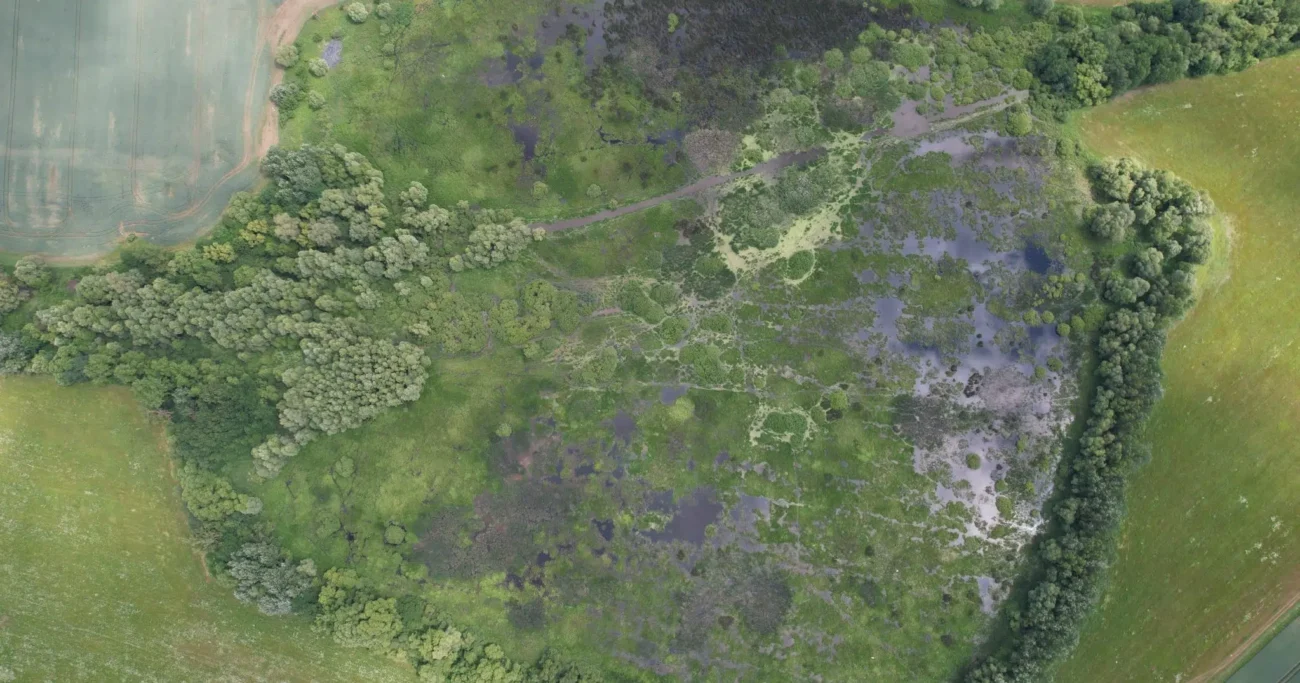
In the southern reaches of Paraguay, the San Rafael landscape stands as a defiant remnant of the Upper Paraná Atlantic Forest, a biological treasure trove struggling against the encroachment of modern agricultural expansion. Covering 72,489 hectares of dense forest and native grasslands, San Rafael serves as a critical refuge for 440 bird species, seven of which are endemic to the region. Yet, this area, formally designated as a Reserve for a National Park, exists in a precarious state. Despite its ecological significance—including vital roles in carbon sequestration and regional water regulation—the reserve faces systemic threats from underfunded government oversight, illegal land-use conversion, and the looming danger of catastrophic wildfire.

The paradox of San Rafael is that it remains a vibrant, living ecosystem despite a century of pressure from cattle ranching, infrastructure development, and the relentless advance of industrial farming. The forest is not merely a collection of trees; it is a complex biological engine that, when properly managed, provides essential services to downstream communities. However, the disconnect between the intrinsic value of this ecosystem and the economic reality of the region has historically left the forest vulnerable to fragmentation.
A History of Fragility and Resilience
The history of the San Rafael landscape is marked by a series of ecological shocks. In November 2020, the reserve suffered a devastating blow when wildfires razed approximately 33,000 hectares—nearly 45% of its total area—according to data from Paraguay’s Ministry of Environment (MADES). The aftermath of these fires revealed the vulnerability of the region, as scorched tree stands became symbols of a potential ecological collapse.

Ecologists estimate that full biodiversity restoration in these scarred areas could take between two and three decades. This timeline is complicated by the constant, encroaching threat of illegal agriculture, which consumes an additional 800 hectares of forest per year. The tension is clear: a soy field can replace a primary forest in a single planting season, but the recovery of that forest is a process measured in generations. This temporal mismatch—where environmental destruction happens rapidly while restoration unfolds slowly—is the primary driver of the crisis facing conservationists in Paraguay.
The Emergence of Tangará: A New Financial Model
For over two decades, the organization Guyra Paraguay has acted as the primary steward of this landscape. Through the acquisition of 7,000 hectares of private reserves and extensive collaboration with Mbyá Guarani indigenous communities, the organization has pioneered models for sustainable land management. Yet, even with deep institutional presence and scientific expertise, the reliance on traditional philanthropic grants proved insufficient. Conservation initiatives often hit a "funding wall" when grant cycles expire, leaving long-term projects without the capital necessary to maintain monitoring, enforcement, and community engagement.

In response to this structural limitation, the social enterprise Tangará was established in 2021. The objective was not to abandon philanthropy, but to create a self-sustaining revenue stream capable of covering at least 30% of the maintenance costs for the reserve network. By leveraging commercial activity tied directly to the health of the forest, Tangará seeks to align the financial interests of local producers with the preservation of the landscape.
Diversified Revenue Streams and Market Integration
Tangará operates through four distinct commercial pillars, each designed to ensure the forest remains standing:

- Shade-Grown Organic Yerba Mate: As the most mature revenue stream, this initiative has already facilitated the production and export of over 110,000 kilograms of certified organic, Fair for Life yerba mate to the United States. By utilizing traditional shade-growing techniques, farmers maintain the forest canopy, preventing the deforestation common in industrial monoculture.
- Petitgrain Essential Oil: Through partnerships with more than 50 local producers, this product has successfully entered the international supply chain, notably through a partnership with the UK-based cosmetics company Lush.
- Sustainable Honey Production: While currently in its early stages with 60 kilograms of commercialized honey, this venture provides an immediate economic incentive for communities to protect native flora.
- Low-Impact Ecotourism: This sector aims to leverage the area’s natural beauty, having already welcomed over 180 international visitors to sites such as the Kangüery Biological Station.
By diversifying these income streams, Tangará reduces the risk of market volatility. If the price of one commodity fluctuates or a specific harvest is impacted by climate conditions, the enterprise remains insulated by its multi-faceted approach. This "stacking" of value is a growing trend in global conservation finance, acknowledging that resilience is built through diversity.
The Role of International Partnerships
The development of Tangará has been significantly bolstered by the BirdLife International Forest Impact Accelerator. This program has provided the technical mentorship and market strategy necessary for a scientific-focused organization like Guyra Paraguay to transition into a commercial entity. With initial catalytic funding from the Hempel Foundation, the project was able to navigate the high-risk, early-stage development phase.

Subsequent support from the Darwin Initiative and the Jensen Foundation has allowed the project to look toward the future, including the design of an Afforestation, Reforestation, and Revegetation (ARR) carbon project. By integrating carbon credit potential with existing agroforestry systems, Guyra Paraguay hopes to create a long-term financial backbone that can withstand political and economic cycles.
Institutional Perspectives and Future Outlook
For the practitioners on the ground, the transition has been a profound learning experience. Ana Barriga, Forest Program Coordinator at BirdLife International Americas, notes that the initiative forces conservationists to think beyond traditional ecological roles. "One of the biggest lessons from Tangará has been understanding that conservation alone is not enough," Barriga observes. "Long-term sustainability requires market understanding, logistics, and constant adaptation."

The impact of this approach is already being felt by those who live in the landscape. Lalo Baez, a yerba mate producer from the Oga Ita community, notes the change in perspective: "Before, the forest was just there. Now it’s what feeds my family. If the forest goes, so does everything we’ve built." This sentiment captures the core objective of the enterprise: to transform the forest from an abstract, vulnerable space into an essential economic asset for the 132 families currently involved, with a target of reaching 250 families in the coming years.
A Critical Analysis of Conservation Finance
The global biodiversity financing gap is estimated to be between $598 billion and $824 billion annually. Current funding levels cover only roughly 20% of what is required to halt the current rate of species loss and habitat degradation. In this context, the Tangará model offers a compelling, albeit limited, case study in how to bridge that gap.

Critics and proponents alike point out that the model is not a panacea. The success of Tangará is deeply contingent upon the specific institutional history of Guyra Paraguay and the existence of specialized international markets willing to pay a premium for certified, sustainable products. It is not a "plug-and-play" solution that can be exported to every threatened landscape globally. However, it demonstrates that when conservation organizations are empowered to operate as social enterprises, they can create conditions where the preservation of nature is not just an ethical imperative, but an economic necessity.
As the project moves forward, the focus will shift toward attracting impact investors. By moving from grant-dependency toward a model that can eventually utilize debt financing to scale operations, Tangará aims to prove that conservation organizations can become credible, long-term partners for the private sector.

Implications for the Atlantic Forest
The future of the Upper Paraná Atlantic Forest remains uncertain. The pressures of agricultural expansion and climate-driven wildfire risk are not abating. Yet, the existence of initiatives like Tangará suggests a maturation in the field of conservation. By treating the forest as a system that requires social, economic, and biological integration, practitioners are attempting to build a form of resilience that is harder to dismantle than traditional protected areas.
For the international conservation community, the San Rafael experiment provides a vital takeaway: philanthropy is and will remain indispensable, especially in funding the early-stage innovation and risk-taking that markets cannot support. However, philanthropy must be paired with economic models that offer long-term stability. As the forest continues to stand in San Rafael, it serves as a testament to the idea that the best way to protect a landscape is to ensure that those who live within it are invested in its endurance. The path forward for global biodiversity may well depend on the ability of local organizations to successfully navigate the complex, often unforgiving intersection of environmental stewardship and commercial viability.

