


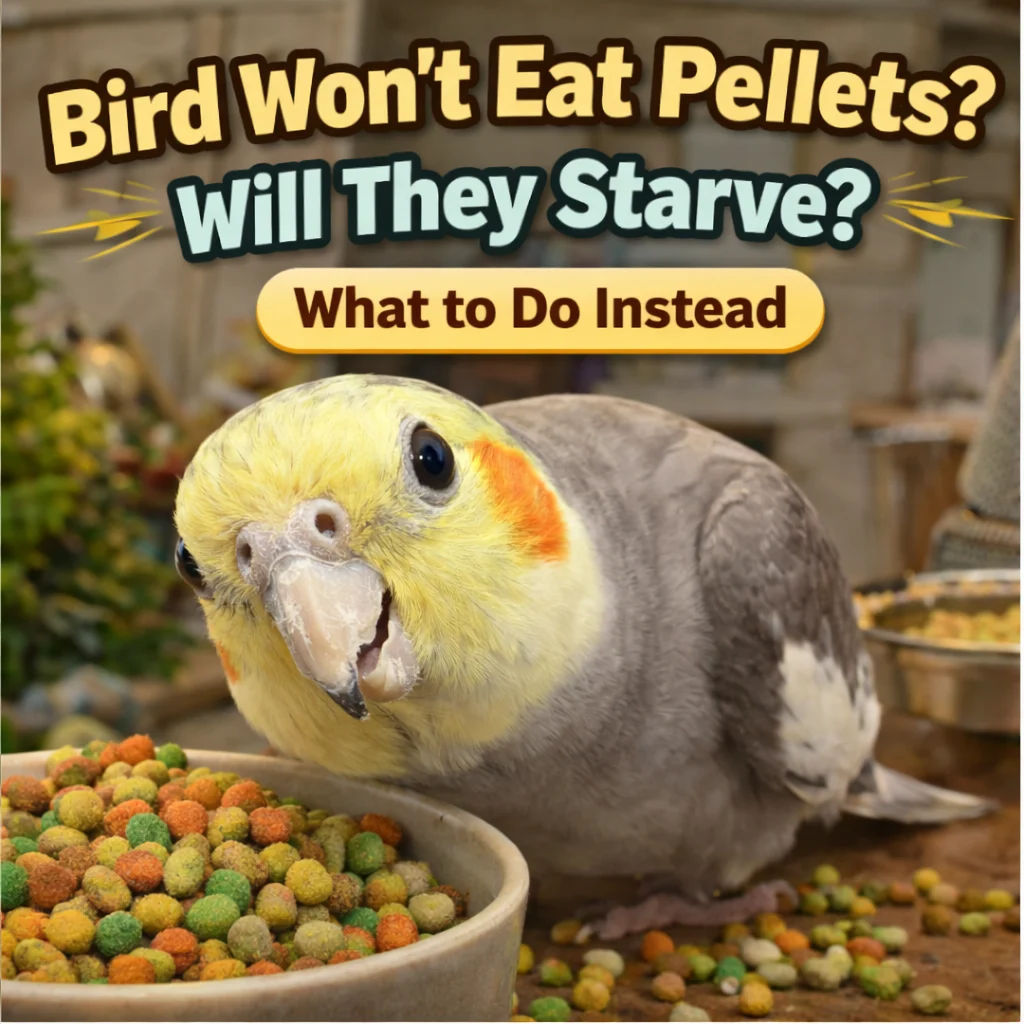
For many bird owners, the challenge of transitioning a pet bird from a seed-based diet to a nutritionally complete pelleted one can be a source of significant anxiety and frustration. While the benefits of pellets are widely recognized by avian veterinarians, the practicalities of convincing a bird, often habituated to seeds for years, to accept this new food can seem insurmountable. This guide, originally published by Diane Burroughs on April 14, 2026, addresses these concerns, offering evidence-based, force-free strategies to ensure a successful and safe dietary shift without compromising the bird’s health or well-being.
The core issue often stems from a fundamental misunderstanding of avian behavior. Owners frequently report their birds refusing pellets outright, picking around them, or exhibiting a sudden decrease in food intake when pellets are introduced. These behaviors are not indicative of stubbornness, but rather a deeply ingrained survival instinct. In the wild, parrots learn what is safe to eat from their parents and flock members, a process that can take weeks or even months. Foods not recognized as safe are instinctively avoided. This innate caution, known as neophobia, explains why a bird might ignore or discard a perfectly nutritious pellet; it simply doesn’t perceive it as food.
The Evolution of Avian Nutrition: Why Pellets Became Essential
For decades, the standard diet for pet birds largely consisted of seed mixes, often supplemented with grit and occasional table scraps. While seeds are a natural food source for many wild birds, commercial seed mixes typically lack the balanced nutritional profile required for captive birds. They are often high in fat and carbohydrates but deficient in essential vitamins, minerals, and amino acids. This imbalance, akin to a human living solely on fast food, has profound long-term health consequences.
The scientific understanding of avian nutritional needs began to evolve significantly in the latter half of the 20th century. Research revealed that many common ailments in pet birds, such as liver disease (hepatic lipidosis), kidney problems, vitamin A deficiency, and compromised immune systems, were directly linked to seed-heavy diets. These discoveries spurred the development of pelleted diets, which are formulated to provide a complete and balanced spectrum of nutrients in every bite. Unlike seed mixes, where birds can selectively eat their preferred (often less nutritious) components, pellets ensure consistent nutrient intake.
Today, the consensus among avian veterinarians and animal welfare organizations is that a high-quality pelleted diet should form the cornerstone of a pet bird’s nutrition, ideally comprising 70-80% of their daily intake, supplemented with fresh vegetables, fruits, and a small amount of healthy seeds or grains as treats.
Diagnostic Cues: Understanding Your Bird’s Resistance
Recognizing the specific behaviors your bird exhibits can offer valuable insight into their resistance:
- Refusal to eat pellets at all: This often signifies that the bird does not recognize pellets as a food source. It’s an entirely foreign item in their environment.
- Picking around or throwing pellets out: This behavior indicates a preference for familiar foods. The bird is actively choosing the known, trusted seeds over the unknown pellets, treating the pellets as an obstacle or non-food item.
- Eating less after the switch: This is a critical warning sign. It suggests the bird is confused and not adjusting. A sudden reduction in food intake can quickly lead to weight loss, lethargy, and serious health complications.
- Waiting for seeds or old food: The bird is holding out, expecting the return of their preferred diet. This highlights a lack of trust in the new food item and the belief that the "safe" food will eventually reappear.
The Peril of "Waiting Them Out": Why Abrupt Switches Are Dangerous
A common misconception among owners, often rooted in advice to "let them get hungry enough," is that a bird will eventually eat pellets if no other food is available. This approach is not only incorrect but profoundly dangerous. Unlike some mammals, birds have a very high metabolic rate and cannot go long without food. A sudden, drastic reduction in food intake can lead to rapid weight loss, hypoglycemia, and, critically, hepatic lipidosis (fatty liver disease). When a bird starves, its body begins to metabolize its fat reserves, which can overwhelm the liver and lead to irreversible damage or death.
Therefore, the answer to the question "Will my bird starve if I switch to pellets?" is a resounding yes, if the switch is abrupt and unsupervised. This is precisely why a force-free, gradual approach is not merely preferable but essential for the bird’s survival and long-term health. The goal is not to remove food but to teach the bird what is safe and healthy to eat, while consistently protecting their nutritional intake and maintaining trust.
Avian Psychology and Trust: The Foundation of Dietary Change
Birds don’t switch to new foods purely because they are healthier; they eat what they recognize as safe. This safety signal often comes from their flock, and in a home environment, the owner becomes the surrogate flock leader. When your bird watches you intently while you eat, or "begs" for your food, they are not being pushy; they are seeking reassurance about food safety. They are observing you to learn what is edible and non-threatening.
This critical insight shifts the paradigm of dietary transition. Instead of seeing it as forcing a change, it becomes an intentional teaching process. You are guiding your bird, leveraging their natural learning instincts and your bond, to understand that pellets are a safe, desirable, and nutritious food source. This learning can occur at any age, even with older birds or rescues, provided the methods are consistent, patient, and based on positive reinforcement.
The 3-Step Pellet Transition Reset: A Structured Approach
Successful transitions are built on consistency and positive exposure, not coercion. Small, daily interactions with pellets gradually build long-term acceptance.
-
Introduction and Familiarization:
- Initial Exposure (Weeks 1-2): Begin by offering pellets separately from their regular food, perhaps in a different dish or as "treats" during interaction time. Do not mix them into the seed bowl initially, as this often leads to the bird picking them out and developing a negative association.
- Shape Perception: Make pellets intriguing. Crush a few and sprinkle them over their favorite fresh vegetables, or mix them with a tiny amount of fruit puree. You can also dampen pellets slightly to change their texture, making them softer and potentially more appealing.
- Role Modeling: A powerful technique is for the owner to "eat" pellets in front of the bird, making enthusiastic noises and appearing to enjoy them. Birds are highly mimetic and often learn by observing their trusted human flock member.
- Foraging Opportunities: Introduce pellets into foraging toys. This turns eating into an engaging activity, associating pellets with play and reward rather than a forced meal. Start with easy foraging toys and gradually increase complexity.
- Consistency: Offer pellets for short periods (e.g., 15-30 minutes) at a consistent time each day, ideally when the bird is naturally hungriest, such as first thing in the morning. Remove them if not eaten, preventing them from becoming stale or ignored.
-
Gradual Increase and Observation:
- Phased Reduction of Old Food (Weeks 3-6+): Once the bird shows some interest in pellets, even if only tasting or playing with them, begin to slowly reduce the amount of their old seed mix. This reduction must be extremely gradual. For example, reduce the seed by 5-10% each week, strictly monitoring the bird’s weight and droppings daily. Any significant weight loss (more than 5-10% of body weight) or changes in droppings (e.g., undigested food, very watery) require an immediate pause or reversal of the reduction.
- Variety in Pellets: Birds can be particular about shape, size, and flavor. Experiment with different brands, colors, and textures of pellets. Some birds prefer crumbles, others larger nuggets. Some enjoy fruit-flavored varieties, while others prefer natural.
- Morning Offerings: Offer pellets first in the morning when the bird’s hunger drive is strongest. After a few hours, if pellets are not eaten, a small, measured amount of the old diet can be provided to ensure adequate intake. This prevents starvation while still incentivizing pellet consumption.
- Environmental Enrichment: Continue to use foraging toys, but gradually increase the proportion of pellets within them. This encourages active engagement with the new food.
-
Reinforcement and Maintenance:
- Positive Interaction: Always praise and interact positively with your bird when they show any interest in pellets. This reinforces the idea that engaging with pellets is a good thing, strengthening the bond and trust.
- Ongoing Monitoring: Continue to monitor your bird’s weight and general health. A healthy bird will maintain a stable weight, have bright eyes, clean nares, and consistent, well-formed droppings.
- Balanced Diet Integration: Once pellets are accepted as a primary food source, continue to introduce a wide variety of fresh vegetables, a smaller amount of fruits, and occasional healthy treats. Pellets are the foundation, but a varied diet enhances overall nutrition and mental stimulation.
Supporting Data and Expert Insights
Research indicates that dietary deficiencies are a leading cause of illness and premature death in pet birds. A 2018 study published in the Journal of Avian Medicine and Surgery highlighted that a significant percentage of avian patients presenting with liver, kidney, or immune system disorders had a history of seed-dominant diets. Dr. Eleanor Vance, a leading avian veterinarian and advocate for preventative care, states, "The transition to a pelleted diet is one of the most impactful changes an owner can make for their bird’s long-term health. It requires patience and a deep understanding of avian behavior, but the benefits in terms of longevity and quality of life are immeasurable." Animal welfare organizations consistently recommend pelleted diets as a cornerstone of responsible avian husbandry, often finding that birds transitioned to pellets exhibit improved feather quality, brighter eyes, and more consistent energy levels.
Broader Implications and Long-Term Benefits
Successfully transitioning a bird to a pellet diet has far-reaching implications beyond just improved nutrition. It signifies a deeper understanding of avian psychology and strengthens the human-animal bond through trust and positive reinforcement. Birds on a balanced pelleted diet typically experience:
- Improved Health and Longevity: Reduced risk of diet-related diseases, leading to fewer veterinary visits and a longer, healthier lifespan.
- Enhanced Behavior: Nutritional deficiencies can sometimes manifest as behavioral issues like feather plucking, lethargy, or aggression. A balanced diet can often mitigate these problems, leading to a happier, more active bird.
- Stronger Human-Animal Bond: The process of teaching, rather than forcing, builds trust and reinforces the owner’s role as a reliable caregiver. This fosters a more harmonious relationship.
- Dispelling Misconceptions: It helps challenge the common narrative that birds are "stubborn" or "difficult," revealing that their behaviors are often rooted in instinct and a lack of proper guidance.
This journey, often referred to as "parronting," is about being patient, consistent, and focused on teaching rather than coercing. It’s a commitment to your bird’s health and happiness that pays dividends in a vibrant, long-lived companion. For those seeking a more detailed, step-by-step system, specialized resources and avian behavior consultants can provide tailored plans to ensure a safe and stress-free transition for any bird, regardless of age or previous dietary habits.

