


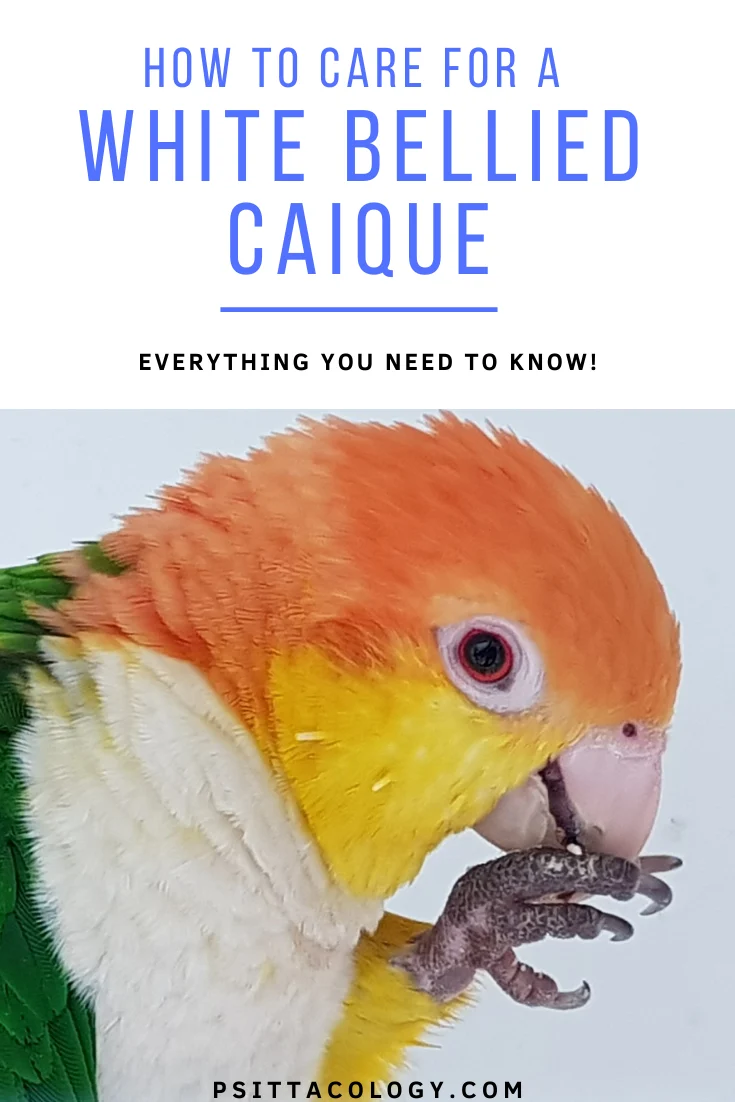
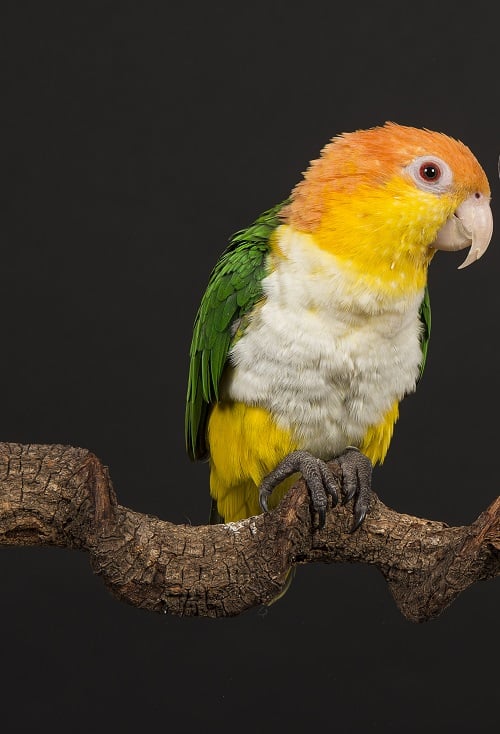
The white-bellied caique (Pionites leucogaster), a vibrant and charismatic South American parrot native to the rainforest canopies of the Amazon basin, has increasingly captured the attention of exotic bird enthusiasts worldwide. Renowned for their distinctively stocky builds, striking plumage—featuring bright orange heads, yellow cheeks, green wings, and pristine white-to-cream bellies—and high-energy antics earning them the moniker "clowns of the parrot world," these birds present unique challenges and rewards for aviculturists. As the demand for captive-bred exotic pets grows, wildlife and avian welfare organizations emphasize the critical need for prospective owners to understand the extensive physiological, behavioral, and environmental requirements of these long-lived psittacines before integration into a household.
Natural Habitat and Conservation Status
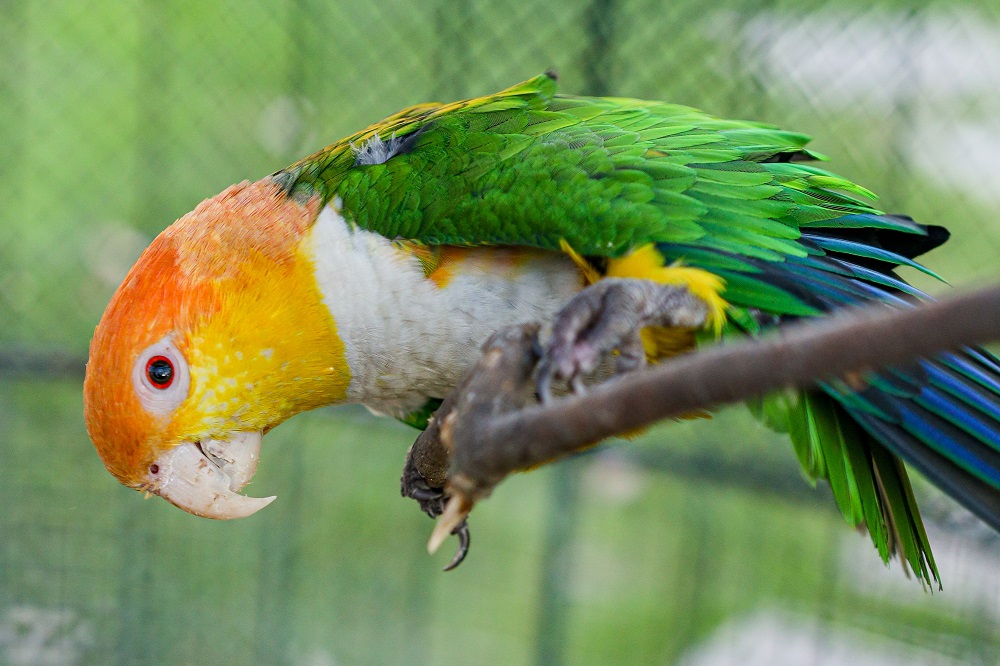
Endemic to the tropical rainforests of South America, white-bellied caiques are primarily concentrated in the Brazilian Amazon basin, with established populations extending into neighboring Bolivia, Peru, and Ecuador. In the wild, these social birds typically inhabit the high forest canopies in tight-knit groups of up to ten individuals, utilizing natural tree hollows for nesting and roosting. Field studies regarding their ecological niche highlight their significant role as seed predators and pollinators, feeding on a diverse array of flora including unripe fruits, seeds, flowers, buds, nectar, and pollen. Additionally, wild populations have been documented engaging in geophagy—frequenting clay licks to consume soil—a behavior ornithologists attribute to the ingestion of vital micronutrients and the neutralization of plant toxins.
Despite their adaptability within undisturbed forest ecosystems, the International Union for Conservation of Nature (IUCN) classifies white-bellied caique populations under increasing environmental pressure, primarily driven by widespread deforestation and habitat fragmentation across the Amazon. Conservation biologists and avian ecologists warn that continuous destruction of primary rainforest canopies threatens not only local caique populations but the broader biodiversity of the region. While international trade is regulated under the Convention on International Trade in Endangered Species of Wild Fauna and Flora (CITES), captive breeding programs managed by experienced aviculturists play a vital role in preserving genetic lines and reducing reliance on wild-caught specimens.
Taxonomic Classification and Subspecies Divergence

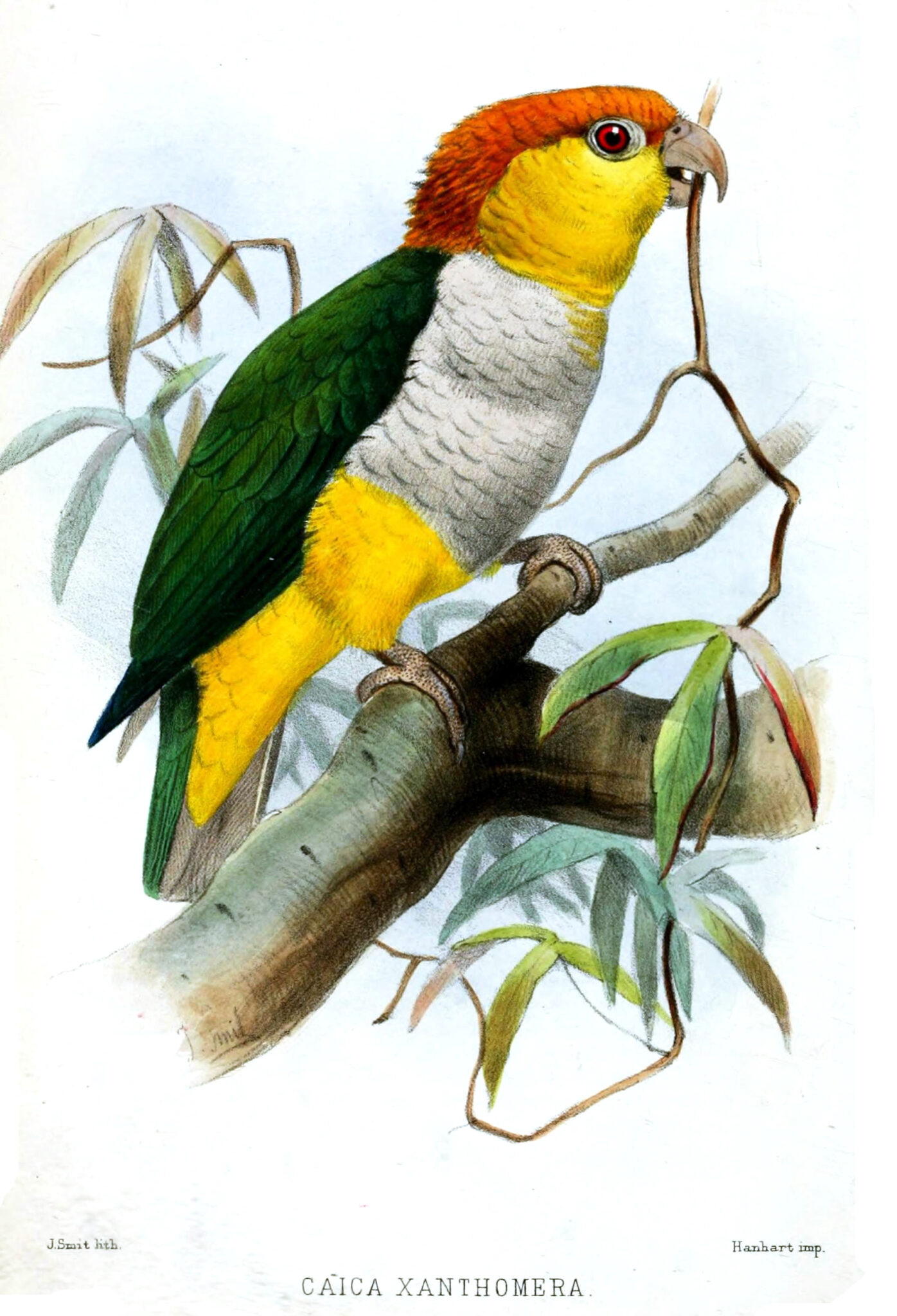
Avian taxonomy surrounding the genus Pionites has historically been a subject of scholarly debate among ornithologists. Traditionally, the genus was categorized into two primary species: white-bellied parrots (Pionites leucogaster) and black-capped parrots (Pionites melanocephalus). Within the white-bellied classification, three established subspecies were recognized based on morphological variations in leg and tail coloration: the nominate white-bellied caique (Pionites leucogaster leucogaster), the yellow-thighed parrot (Pionites leucogaster xanthomerius), and the yellow-tailed parrot (Pionites leucogaster xanthurus).
Contemporary taxonomic databases and scholarly resources, such as the Cornell Lab of Ornithology’s Birds of the World, increasingly elevate certain subspecies—specifically P. l. xanthurus and P. l. xanthomerius—to distinct species status based on distinct plumage markers and geographic isolation. Morphologically, adult white-bellied caiques measure approximately nine inches (23 centimeters) in length, weigh up to 170 grams, and feature unique reddish irises encircled by bare orbital skin. Because sexual dimorphism is absent—meaning males and females share identical external physical characteristics—reliable sex determination necessitates molecular DNA testing via feather or blood samples.
Nutritional Requirements in Captivity

Replicating the complex wild diet of a white-bellied caique presents a formidable challenge for domestic pet owners. Field research analyzing the stomach contents of wild caiques indicates a diet spanning dozens of plant species, dominated by fibrous seeds and unripe fruits. Consequently, avian veterinarians and nutritionists strongly advise against simplified captive diets consisting exclusively of commercial seed mixes, which are notoriously high in fats and deficient in essential micronutrients, predisposing birds to hepatic lipidosis (fatty liver disease) and nutritional deficiencies.
Similarly, an overreliance on domesticated, high-sugar fruits can lead to metabolic disorders. Unlike wild fruits, cultivars bred for human consumption contain significantly higher sugar concentrations. A balanced domestic diet should instead prioritize high-quality formulated pellet feeds as a nutritional baseline, supplemented daily with fresh vegetables, dark leafy greens, sprouted seeds, and controlled portions of low-sugar fruits. Treats high in fats and carbohydrates, such as nuts and dried fruits, must be strictly limited to positive reinforcement training exercises. Furthermore, continuous access to fresh water from multiple sources and an adequate calcium source, such as a mineral block, are mandatory components of proper avian husbandry.
Behavioral Profile, Temperament, and Socialization
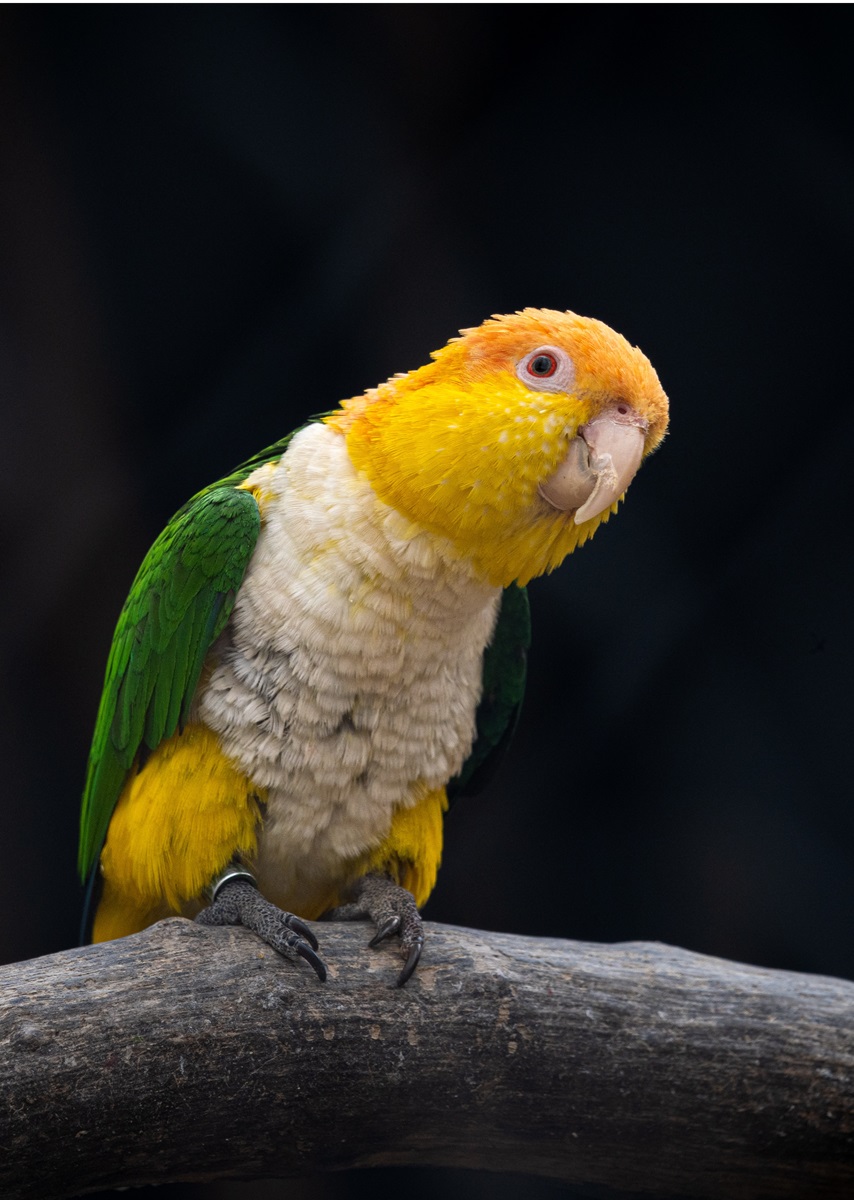
The temperament of the white-bellied caique is arguably its most defining characteristic, setting it apart from other companion parrot species. Exhibiting boundless energy, these birds are celebrated for their distinctive physical play styles, which include exuberant hopping, wrestling, and object manipulation. However, this high-energy profile requires a dedicated owner. Animal behaviorists note that caiques possess intense personalities that can rapidly transition from affectionate companions to fiercely independent or defensive individuals, particularly upon reaching sexual maturity between one and three years of age.
Like many psittacines, caiques frequently form an intense bond with a single primary caregiver. Post-pubescent hormonal fluctuations, however, can trigger territorial aggression or nipping, requiring experienced handling, consistent boundaries, and positive reinforcement training. Furthermore, caiques are notoriously territorial birds and cannot safely be housed or intermixed with other avian species, as disputes over cage dominance or food resources routinely result in severe altercations. Because of their social complexity and high demand for mental stimulation, experts caution that caiques are entirely unsuited for novice bird keepers.
Housing, Environmental Enrichment, and Safety

Due to their perpetual motion and inquisitive nature, white-bellied caiques require robust, generously proportioned enclosures despite their compact physical size. Cages must be constructed from durable, non-toxic metals equipped with secure, complex locking mechanisms, as caiques are exceptionally intelligent and adept at manipulating simple latches to effect escapes. The interior environment should feature multiple natural-wood perches of varying diameters to promote foot health, alongside stainless steel food and water vessels and a designated bird bath.
Environmental enrichment is critical to mitigating behavioral pathologies such as feather-destructiveness syndrome, stereotypic pacing, and excessive vocalization. Captive enrichment programs must incorporate foraging toys, puzzle feeders, and destructible materials like untreated wood and cardboard to satisfy the bird’s natural urge to chew. Because caiques require a minimum of several hours of supervised out-of-cage activity daily, owners must establish fully parrot-proofed designated play areas. Household hazards—including toxic indoor plants, non-stick polytetrafluoroethylene (PTFE) cookware fumes, aerosol sprays, and ceiling fans—must be strictly eliminated from any room accessible to the bird.
Vocalizations and Auditory Characteristics
While white-bellied caiques are generally considered moderately noisy compared to larger cockatoos or macaws, they are by no means silent pets. Their standard daily vocal repertoire consists of pleasant whistles, rapid beeps, and low-amplitude chuckles. However, when alarmed, seeking flock members, or experiencing excitement, they are fully capable of emitting piercing, high-frequency screaks designed to carry over long distances in rainforest environments.
Regarding human speech acquisition, caiques do not rank among the premier talking species, such as African grey parrots or Amazon parrots. While individual birds may learn to mimic a limited vocabulary of words or household sounds, they excel primarily in mastering melodic whistles, tunes, and rhythmic patterns. Vocal training through consistent repetition and positive reinforcement serves as an effective mechanism for mental stimulation and strengthening the human-avian bond.
Medical Management and Veterinary Preparedness
Proactive healthcare is an essential element of responsible caique ownership. Due to their relentless curiosity, caiques are highly susceptible to accidental ingestions, trauma, and toxin exposures. Prospective owners should establish a relationship with a certified avian veterinarian prior to acquiring the bird, ensuring emergency contact information is readily accessible.
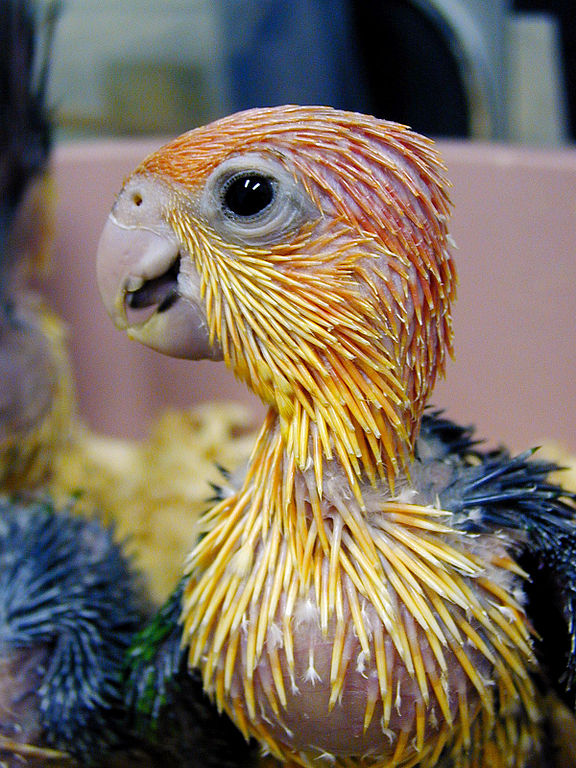
Medically, young caiques under four weeks of age are particularly vulnerable to avian polyomavirus (APV), a highly contagious and frequently fatal pathogen causing acute necrosis of internal organs, particularly the liver and spleen. Vaccination protocols recommended by avian veterinarians provide a critical layer of defense against this and other viral pathogens. Routine wellness examinations, fecal parasite screenings, and behavioral assessments are strongly advised to maintain optimal long-term health throughout the bird’s potential lifespan of forty years or more.
Implications for Potential Owners
The decision to integrate a white-bellied caique into a domestic environment demands a multi-decade commitment of time, financial resources, and emotional resilience. With a captive lifespan exceeding four decades, these birds outlive many traditional household pets, necessitating long-term estate and lifestyle planning by the owner. As avian welfare advocates and rescue organizations continually intake surrendered exotic birds resulting from impulse purchases, industry professionals emphasize that thorough education regarding the rigorous demands of caique husbandry remains the single most effective tool in ensuring positive welfare outcomes for both the birds and their human caregivers.

