



The American Federation of Aviculture (AFA) has officially maintained a comprehensive digital repository of its flagship publication, Watchbird, providing an exhaustive historical record of avian husbandry, veterinary breakthroughs, and conservation efforts spanning over four decades. This archive, which documents the progression of aviculture from 1974 through 2015, serves as a critical resource for ornithologists, private breeders, and conservation scientists. By preserving these volumes, the AFA offers a transparent look into the evolution of bird care and the shifting legislative landscape that has defined the relationship between humans and exotic birds in the United States and globally.
The Genesis of a Movement: 1974–1979
The inception of Watchbird in 1974 coincided with a pivotal era in environmental and wildlife history. Following the establishment of the Convention on International Trade in Endangered Species of Wild Fauna and Flora (CITES) in 1973, the need for a unified voice for bird keepers became apparent. The early volumes of Watchbird, specifically Volume 1 (1974) and Volume 2 (1975), focused heavily on the fundamentals of cage-bird keeping and the initial organization of the American Federation of Aviculture.
During this period, the magazine functioned as a primary conduit for information regarding the importation of exotic species. As the United States implemented stricter quarantine regulations to prevent the spread of Exotic Newcastle Disease (END), Watchbird provided breeders with essential updates on USDA policies. The late 1970s issues, such as Volume 6 (1979), show an increasing sophistication in content, moving from basic care to the specifics of breeding biology for parrots, finches, and softbills. This era established the AFA’s mission: to ensure the future of aviculture through education and legislative advocacy.
The Golden Age of Breeding and Specialization: The 1980s
The 1980s represent what many historians of the hobby call the "Golden Age" of aviculture. The Watchbird archive from this decade, spanning Volumes 7 through 16, illustrates a massive surge in the successful captive propagation of rare species. As international trade became more restricted, the emphasis shifted from wild-caught imports to sustainable, captive-bred populations.
A significant trend observed in the 1980s issues is the rise of specialty clubs. Watchbird frequently featured contributions from organizations dedicated to specific genera, such as the African Parrot Society or the International Softbill Society. This specialization led to more rigorous data collection on incubation temperatures, hand-rearing formulas, and genetic diversity. By Volume 12 (1985), the magazine was publishing detailed papers on the artificial insemination of raptors and parrots, a testament to the high level of technical expertise emerging within the private sector.

Furthermore, the 1980s saw the AFA take a more prominent role in conservation. The archive reveals the early stages of the Spix’s Macaw recovery efforts and the AFA’s involvement in the California Condor recovery program. These articles provided a bridge between private aviculture and academic ornithology, proving that the skills of bird breeders were essential to saving species on the brink of extinction.

Legislative Shifts and Veterinary Breakthroughs: The 1990s
The 1990s brought significant challenges and changes, most notably the passage of the Wild Bird Conservation Act (WBCA) in 1992. The Watchbird issues from 1991 to 1993 (Volumes 18 to 20) are filled with analysis and debate regarding this landmark legislation, which effectively ended the commercial importation of most CITES-listed birds into the United States.
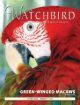
This legislative shift forced a total transformation of American aviculture. Without a steady stream of new imports, the health and longevity of existing captive populations became paramount. Consequently, the 1990s volumes of Watchbird saw a dramatic increase in veterinary-focused content. Research into Psittacine Beak and Feather Disease (PBFD), Polyomavirus, and Proventricular Dilatation Disease (PDD) became front-page news within the community.
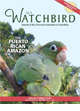
The archive from 1994 to 1999 (Volumes 21 to 26) documents the pioneering work of avian veterinarians like Dr. Branson Ritchie and Dr. Greg Harrison. Their contributions to Watchbird helped standardize avian medicine, introducing the concept of "well-bird exams" and specialized avian diets. This era also marked the transition from seed-based diets to formulated pellets, a change heavily advocated for in the magazine’s pages to combat malnutrition and fatty liver disease.

The Turn of the Millennium and the Conservation Focus: 2000–2009
As the new millennium dawned, Watchbird reflected a community that had matured from a hobbyist group into a conservation powerhouse. The volumes from 2000 to 2009 (Volumes 27 to 36) show a marked increase in reports from the field. AFA members began funding and participating in international conservation projects in Brazil, Mexico, and the Caribbean.
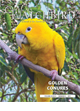
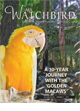
A notable shift in the publication’s structure also occurred during this time. The magazine moved from a bimonthly schedule (six issues per year) to a quarterly format (four issues per year) in the mid-2000s, as seen in the transition from Volume 31 (2004) to Volume 33 (2006). This change allowed for more in-depth, long-form articles and higher production values. The imagery became more vibrant, and the editorial focus expanded to include "Citizen Science," encouraging breeders to keep meticulous records of their birds’ life histories to assist in broader scientific studies.
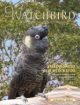
The 2007–2009 period was also defined by the global debate over the ethics of captive breeding. Watchbird served as a platform for the AFA to argue that captive populations serve as "biological insurance" against extinction in the wild. Articles during this time often highlighted the successful reintroduction of species like the Thick-billed Parrot and the Bali Myna, both of which relied heavily on avicultural expertise.
The Digital Transition and Modern Challenges: 2010–2015
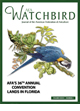
The final years represented in the current digital archive, 2010 to 2015 (Volumes 37 to 42), document the most recent evolution of the organization. During this time, the rise of the internet and social media began to change how information was disseminated. The AFA responded by digitizing its back catalog, recognizing that the decades of knowledge contained in print needed to be accessible to a new generation of digital-native bird enthusiasts.

The content of these final volumes reflects contemporary concerns: avian bornavirus, the impact of climate change on wild habitats, and the increasingly complex legal requirements for moving birds across state lines. Volume 41 & 42 (2014-2015) stands as a culmination of forty years of progress, blending high-level science with the practical, hands-on experience that has always been the hallmark of the AFA.
Supporting Data and Publication Trends
An analysis of the Watchbird archive reveals several key data points regarding the trajectory of American aviculture:
- Publication Volume: Over 40 years, the AFA produced more than 200 individual issues of Watchbird, containing thousands of articles.
- Species Diversity: The archive documents successful breeding protocols for over 300 distinct avian species, many of which had never been bred in captivity prior to the AFA’s documentation.
- Veterinary Integration: Between 1974 and 2015, the percentage of articles written by or co-authored with veterinary professionals rose from approximately 5% to over 35%, indicating the professionalization of the field.
- Legislative Advocacy: The AFA tracked and responded to over 50 major federal and international regulatory changes through the pages of Watchbird, providing a primary source for legal history in wildlife trade.
Official Reactions and Community Impact
The digitization of the Watchbird archive has been met with widespread acclaim from the scientific community. Dr. James Gilardi of the World Parrot Trust has previously noted that the historical records maintained by organizations like the AFA are "invaluable for understanding the baseline health and behavior of species that are now critically endangered."

Long-time AFA members and commercial breeders have reacted to the archive as a "lifeline of legacy," noting that the techniques developed in the 1970s and 80s form the foundation of modern avian care. For many, the archive is not just a collection of magazines but a roadmap of how the community survived legislative pressure and disease outbreaks to remain a vital part of the conservation landscape.
Broader Impact and Future Implications
The existence of the Watchbird digital archive has implications that extend far beyond the niche world of bird breeding. It serves as a model for how non-profit organizations can preserve specialized knowledge in the face of changing technology.

As we move further into the 21st century, the role of captive populations is becoming increasingly central to global conservation strategies. The detailed records found in Watchbird regarding the diet, social structure, and reproductive cycles of exotic birds provide the necessary data for future reintroduction programs. If a species goes extinct in the wild, the Watchbird archive may very well contain the blueprints for bringing it back.

Furthermore, the archive provides a cautionary tale and a guide for other animal-related industries. It shows the power of self-regulation, the importance of partnering with the scientific community, and the necessity of maintaining a unified voice in the face of legislative change. The AFA’s commitment to transparency and education, through the continued maintenance of this archive, ensures that the lessons learned over the past 40 years will not be forgotten by the conservationists of tomorrow.

