


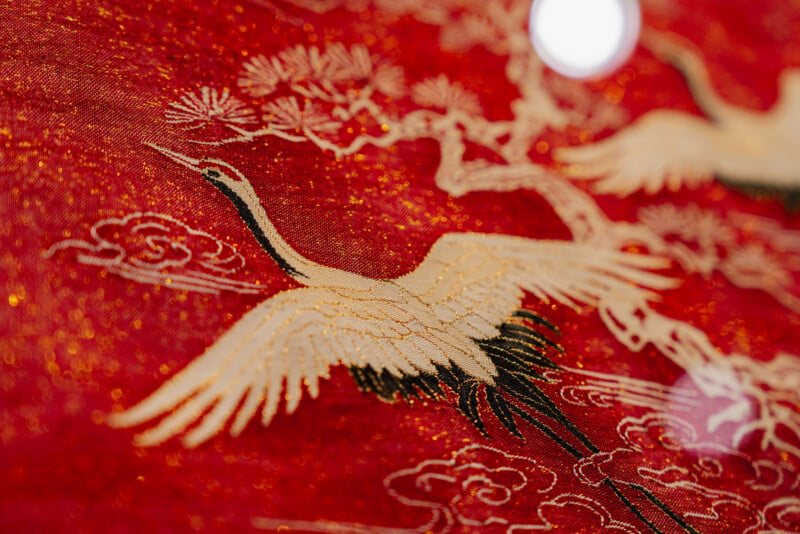
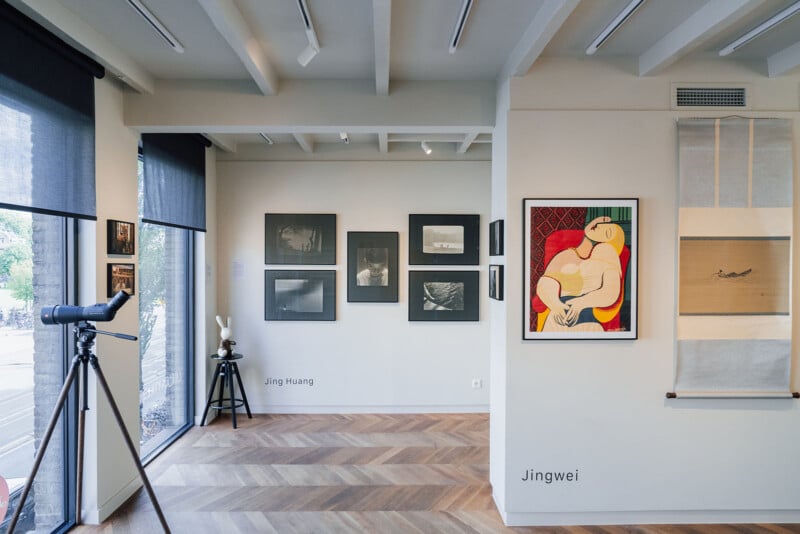
Kesi, pronounced “kooh-su,” remains one of the most sophisticated and labor-intensive textile traditions in human history. Often described as "cut silk" due to its distinctive technique where the weft threads are woven into the warp to create intricate, puzzle-like patterns, this Chinese art form reached its creative zenith during the Song Dynasty (960–1279 AD). Today, the survival of this craft is a precarious affair, sustained by a mere handful of masters. A recent collaborative exhibition at the Leica Gallery in Amsterdam has brought this vanishing art into the global spotlight, bridging the gap between centuries-old manual labor and contemporary photographic documentation.
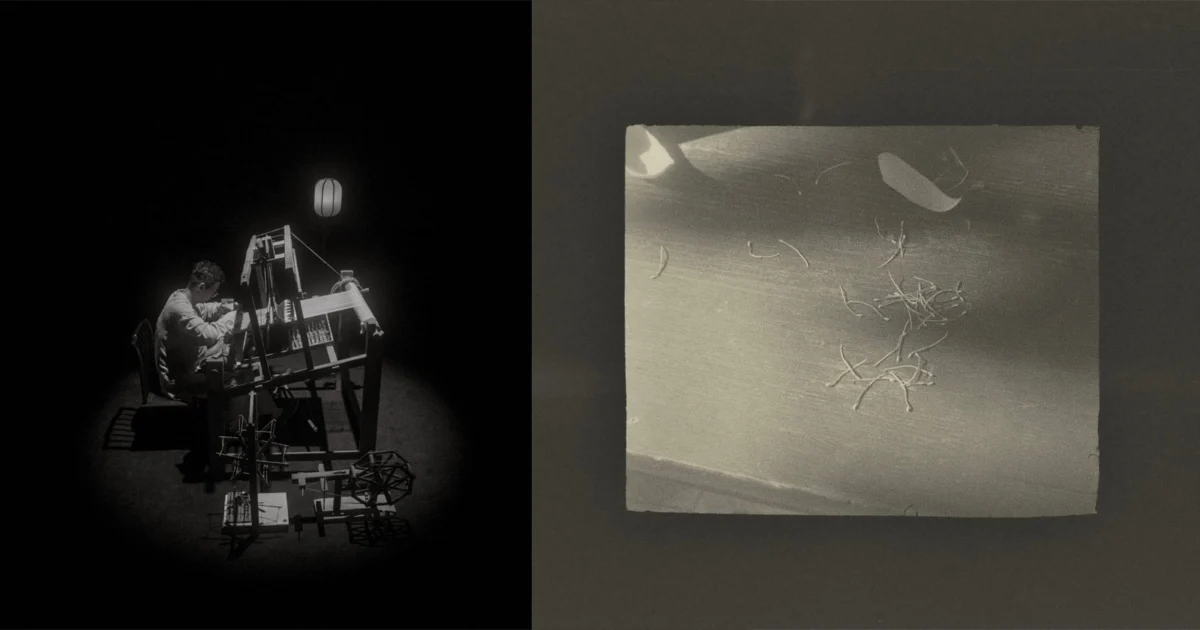
The project, commissioned by memory solutions manufacturer Lexar in partnership with Leica, features the work of photographer Jing Huang, who was tasked with capturing the life and work of Jingwei, one of the eight officially recognized inheritors of the traditional Suzhou kesi weaving technique.
A Legacy of Threads: The History of Kesi
The complexity of kesi lies in its structural methodology. Unlike standard tapestry weaving, where the weft threads run continuously across the entire width of the fabric, kesi involves discontinuous weft threads. Each color area is woven independently, creating small gaps or "slits" between the colors when viewed against the light—a hallmark that gives the craft its name, derived from the Chinese words for "cut" (ke) and "silk" (si).
During the Southern Song period, kesi was elevated to a status rivaling fine painting. It was favored by the imperial court for its ability to replicate the nuances of ink wash landscapes, calligraphy, and delicate floral motifs with unparalleled precision. However, the industrialization of the 20th century, coupled with the immense time required to master the loom—often taking decades of apprenticeship—led to a sharp decline in practitioners. By the early 21st century, the Chinese government categorized kesi as an Intangible Cultural Heritage, emphasizing the urgent need to protect the remaining master weavers who hold the knowledge of this delicate process.
The Artistic Dialogue: Jing Huang and Jingwei
The recent exhibition in Amsterdam was not merely a retrospective of finished textiles; it was a conceptual study on the nature of creation. Photographer Jing Huang, known for his minimalist aesthetic and focus on negative space, approached the assignment with an eye toward the quiet, meditative aspects of the weaver’s life.
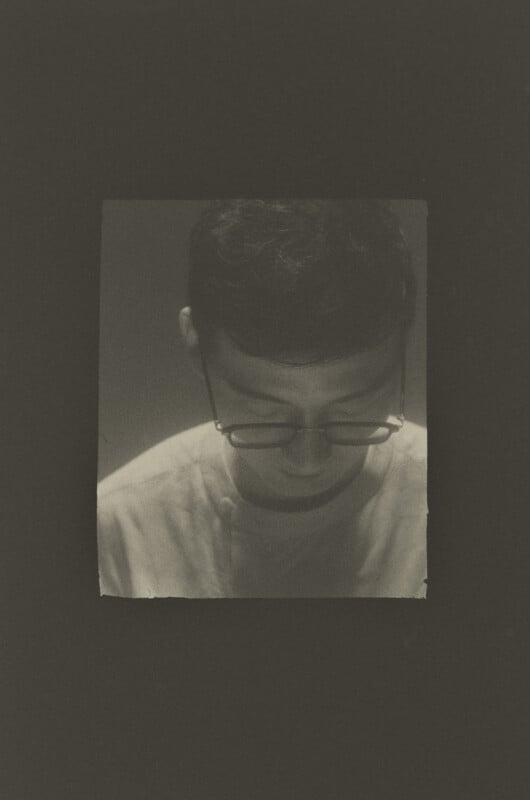
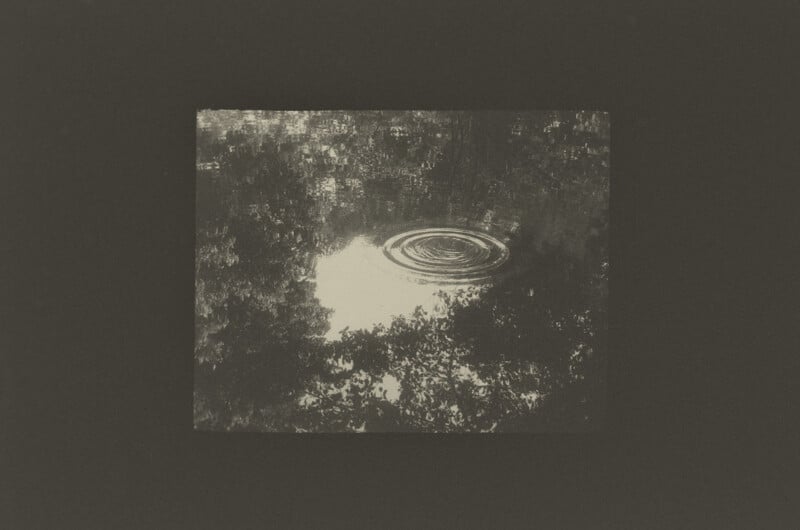
Huang’s photography, executed on a vintage Leica SLR using 35mm film, eschews the rapid-fire digital aesthetic common in modern documentation. Instead, he sought a "conversation" with the artisan. His images—sepia-toned, high-contrast, and focused on textures—reflect the rhythmic, almost hypnotic pace of Jingwei’s work.
"For me, photography is not only about recording time," Huang noted during the exhibition launch. "Sometimes it is about forgetting time. What stays in an image is not simply when or where it was taken, but whether it carries a sense of beauty that can still be felt beyond that moment."
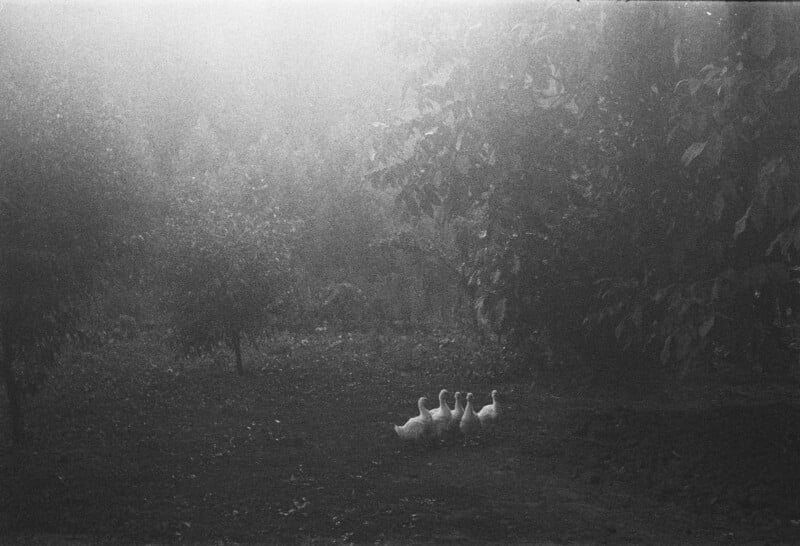
This philosophy mirrors the work of Jingwei, who describes his own process as an exercise in constraint. "It is not a free gesture," the weaver explained. "It is created within the order of warp and weft, built slowly through time, patience, and the experience of the hand."
Chronology of the Collaboration
The collaboration between Lexar and the artisans unfolded over several months in 2026. The planning phase began in early spring, with the production team identifying the need to preserve the visual legacy of the Suzhou school of weaving.
- March 2026: Lexar initiates discussions with Leica Gallery Amsterdam to explore the intersection of technical storage and artistic preservation.
- April 2026: Photographer Jing Huang is selected for the project, citing his previous work on negative space and his affinity for analog methodologies.
- May–June 2026: Huang travels to Suzhou to spend weeks in residence with Jingwei. This period is marked by an exchange of techniques, where Huang documents the physical toll and mental focus required to weave just a few centimeters of silk.
- August 2026: The resulting images and samples of Jingwei’s weaving are curated for an exhibition at the Leica Gallery.
- September 2026: The exhibition opens to the public, drawing attention to the dialogue between the photographer’s eye and the weaver’s hand.
Technical and Cultural Implications
The partnership with Lexar, a company deeply rooted in digital data storage, might seem at odds with the tactile, analog world of silk weaving. However, the company argues that their involvement is a necessary evolution of their role as stewards of human history.
"Lexar has always been close to the creative process," said Grace Su, General Manager of Lexar EU. "Photographers, filmmakers, and creators rely on storage to protect work that often cannot be recreated. Kesi builds an image over time, while photography often captures one in a fraction of a second. But both depend on the same thing: a creator deciding what is worth seeing, and how it should be remembered."
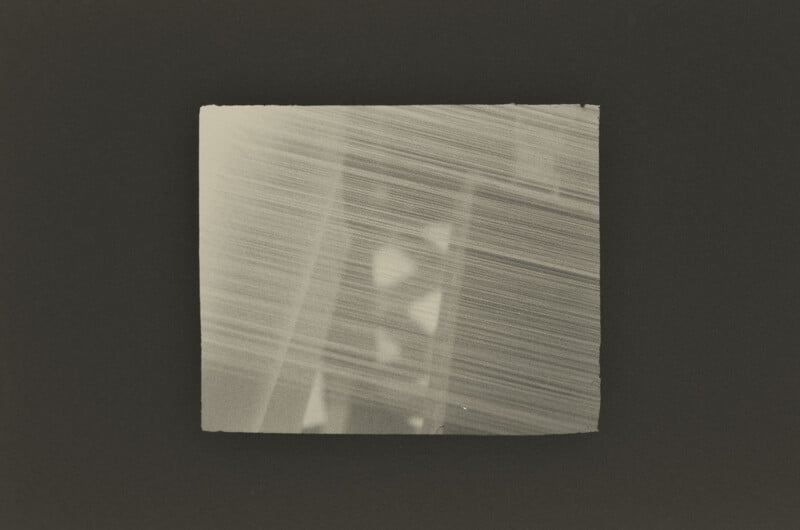
From a preservationist perspective, this exhibition serves a dual purpose. It provides a high-resolution, artistic archive of the weaving process, and it fosters a broader appreciation for the "slow art" movement in a world dominated by rapid consumption. The exhibition, curated by Linda Warmerdam, underscores that these artifacts are not just museum pieces but living processes. "Through photography, audiences can encounter Suzhou kesi not only as a heritage object, but as a living process shaped by time, patience, and human presence," Warmerdam observed.
Fact-Based Analysis of the Craft’s Future
The survival of kesi remains a complex challenge. While international exhibitions and high-end brand collaborations provide visibility, the economic realities of the craft are daunting. A single, high-quality kesi piece can take months to complete, making it inaccessible to the mass market.
Analysis from cultural economists suggests that for such crafts to survive, they must transition from utilitarian textile production to the realm of fine art collecting. The "official inheritor" status provided by the state is a significant step, as it grants stipends and recognition to masters like Jingwei, yet the pipeline of younger apprentices remains narrow. The rigorous training required—often beginning in early adulthood and requiring a decade of "unpaid" refinement—poses a barrier to entry that traditional market forces struggle to overcome.
The Leica/Lexar initiative highlights a potential path forward: the documentation and "mythologizing" of the maker. By elevating the artist to the status of a philosopher-practitioner, the craft gains cultural capital that may incentivize younger generations to engage with the medium.
Conclusion
The exhibition of Jing Huang’s photography alongside Jingwei’s textiles is a testament to the power of cross-disciplinary storytelling. By stripping away the noise of modern life and focusing on the interplay of light, thread, and shadow, the project invites the audience to consider the value of patience. In a world where digital data is stored in the blink of an eye, and silk is woven with the deliberation of a heartbeat, the connection between the two is found in the intent of the creator.
As the curtains close on the Amsterdam exhibition, the lingering impact remains the recognition that some things—whether captured on a film negative or woven into a silk tapestry—require the human hand to truly exist. The documentation of Jingwei’s work ensures that even if the physical looms were to fall silent, the process, the rhythm, and the philosophy of the kesi master remain etched into the cultural record, preserved for a time when such patience might be considered the ultimate luxury.

