


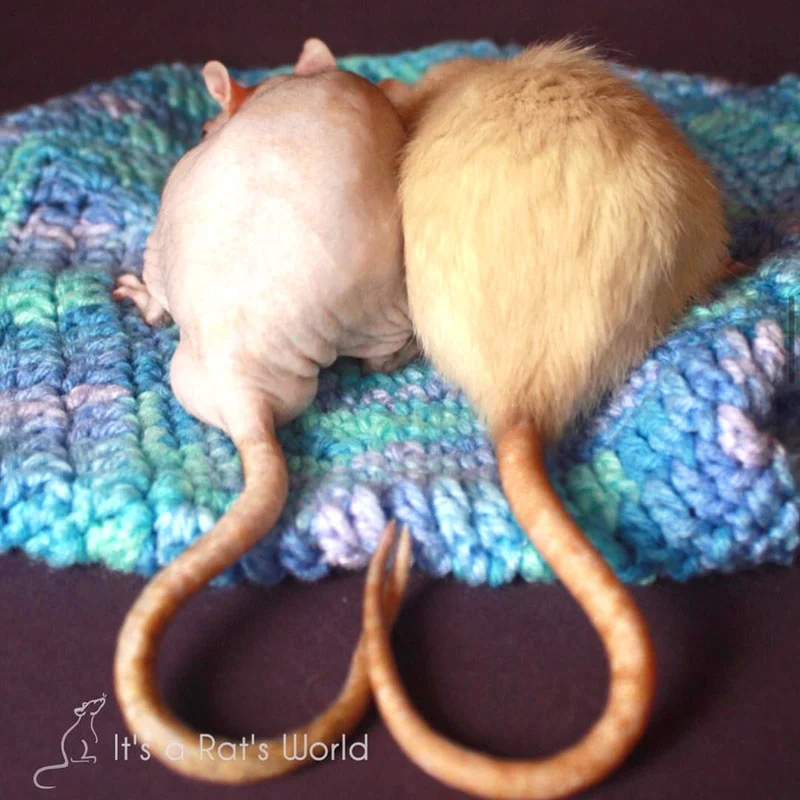
For many pet owners, the journey of caring for a new companion is a steep learning curve, often marked by unintentional missteps. This is particularly true for owners of rats, whose complex social needs and specific environmental requirements can be easily misunderstood. Brandi Saxton, a seasoned rat enthusiast with over three decades of hands-on experience and two decades dedicated to researching and writing about these intelligent rodents, shares her insights on ten common, yet avoidable, mistakes that can significantly impact a rat’s well-being. Her firsthand experience, which includes an early period of misinformed care, underscores the importance of accurate information and meticulous attention to detail.
Saxton’s personal journey as a rat owner began with what she now identifies as critical errors. "For better or for worse, one of my main personality traits is perfectionism," she admits. "This does not mean I’m perfect at everything—I’m definitely not. It just means that I will drive myself crazy trying to be perfect at anything I’m passionate about. This, of course, includes rats." This drive for perfection, she explains, led to a profound realization of past oversights.
One of the earliest and most significant mistakes was housing rats individually. "Having singletons rather than two or more rats was one of those mistakes. Oops, rats are social and really need friends!" Saxton emphasizes the inherent social nature of rats, noting that isolation can lead to stress, depression, and behavioral issues. Rats, by nature, thrive in a colony setting, exhibiting complex social hierarchies, grooming behaviors, and mutualistic interactions that are vital for their psychological and emotional health.

Another major oversight involved inadequate housing. Saxton recalls using a 10-gallon aquarium as a cage, a size that is widely considered insufficient for even a single rat, let alone a group. Furthermore, her choice of bedding, pine and cedar shavings, posed a significant health risk. "Then there was the 10-gallon aquarium I used as a cage. UGH!!! But if that weren’t bad enough, I filled it with pine and cedar shavings, which are, um… toxic for small pocket pets! Double UGH!" These aromatic wood shavings release phenols, volatile organic compounds that can irritate a rat’s delicate respiratory system, leading to chronic respiratory infections, a common and serious health concern in pet rats. The widespread use of these shavings in the past, coupled with limited accessible information, contributed to this widespread issue.
Saxton recounts feeling immense guilt and distress upon realizing the extent of her early mistakes. "I literally shudder every time I have flashbacks of my early days as a rat owner." She attributes these errors not solely to her own lack of knowledge but also to the limited and often inaccurate information available in the 1990s, a period when resources on small pet care were scarce and sometimes misleading. Moreover, pet stores at the time often displayed inadequate setups and promoted unsuitable products, further contributing to owner misinformation.
However, her perfectionist drive soon transformed into a powerful engine for correction and education. Upon gaining access to more reliable information, Saxton immersed herself in research, determined to provide the best possible care for her rats. This dedication to learning and her passion for the subject ultimately inspired her to share her accumulated knowledge with others. "But the minute I got access to accurate rat care information, my perfectionism went into overdrive with research, as I set out to course correct. And this ultimately led me to the realization that I had a real passion for sharing this newfound knowledge with other owners."
While acknowledging that complete perfection in pet ownership is an elusive ideal, Saxton stresses the critical importance of recognizing and rectifying mistakes. "I’d like to say that I eventually developed into the perfect rat owner, but who are we kidding? Some mistakes are unavoidable, but it’s important that we recognize when we’re making them so that we can fix the problem."

1. Relying On The Wrong Resources: Navigating the Information Landscape
In the digital age, access to information is unprecedented, yet so is the potential for misinformation. Saxton highlights the critical need for owners to become discerning consumers of rat care advice. "Education should be a never-ending part of rat ownership. But as great as the internet is, it is also the breeding ground of disinformation." She cautions against blindly trusting online sources, including blogs and social media influencers, as they may inadvertently perpetuate outdated or incorrect information.
To combat this, Saxton advises owners to critically evaluate their sources. Key questions to consider include: How long has the source been involved with rats? How do they manage their own rats’ care and health? Do they cite reputable sources or provide information from a veterinarian specializing in rat care? Are they committed to ongoing learning and open to new information?
Saxton points to the Rat Guide (ratguide.com) as an exemplary resource for health advice, a testament to its veterinarian-approved and extensively researched content. Her own extensive experience, coupled with consultations with veterinarians and experienced rescue professionals, informs her comprehensive approach. She also strongly advises against relying on Artificial Intelligence (AI) for definitive answers on complex pet care issues, as AI models can misinterpret nuances or pull from inaccurate data, making it challenging for even knowledgeable users to verify the information.
2. Inadequate Housing and Supplies: Creating a Safe Haven
The physical environment in which a rat lives is paramount to its health and happiness. Saxton identifies several common oversights in housing and supplies. "I see so many rat owners online making the worst cage choices." An ideal rat cage should offer ample ventilation, multiple levels to encourage exploration and activity, and sufficient space to comfortably accommodate the number of rats housed. A cage calculator, such as the one provided by the Midlands Rat Club, can be a valuable tool for determining appropriate cage size based on the number of rats.
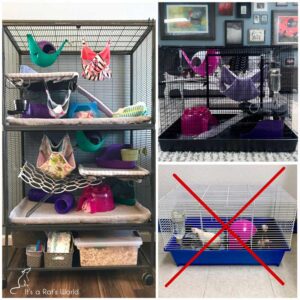
Safety features are non-negotiable. Bar spacing must be narrow enough to prevent escapes, and latches should be secure. Critically, wire floors are a significant hazard. Saxton passionately advocates against them: "Exposed wire can lead to injury, bumblefoot, and a filthy living space. Seriously, don’t make your rats walk and sleep on wire bars." Bumblefoot, a painful infection of the foot, is a direct consequence of prolonged contact with rough or unsanitary wire surfaces. Covering wire floors with solid materials like fleece or cardboard is essential.
Beyond the cage itself, the choice of bedding and accessories is crucial. While some commercially available beddings are marketed as safe, they can still trigger respiratory issues in sensitive rats. Saxton’s preferred bedding is fleece, which is washable and less likely to cause respiratory irritation. For litter boxes, she recommends crushed walnut shells, with a crucial caveat: they must be frozen for 24-48 hours before use to eliminate any potential parasites. Forgetting this step, as she once did, can lead to mite infestations.
The placement of the cage also impacts a rat’s well-being. Factors like proximity to drafts, direct sunlight, and loud noises should be considered to ensure a stable and comfortable environment.
3. Insufficient Cage Cleaning: Maintaining a Hygienic Environment
A well-equipped cage quickly loses its benefit if not maintained. Saxton stresses that neglecting regular cage cleaning poses significant health risks. "A perfect cage setup stops being perfect once it stinks. Plus, it’s unhealthy for your rats." The accumulation of urine and feces produces ammonia, a potent irritant that can severely aggravate rats’ already sensitive respiratory systems. High ammonia levels can lead to chronic respiratory infections, eye irritation, and an unpleasant odor on the rat’s fur. Maintaining a clean environment is not just about aesthetics; it’s a fundamental aspect of preventing disease and ensuring the rat’s comfort and longevity. Saxton recommends her article, "Resolve To Keep Your Rat’s Habitat Cleaner," for detailed guidance on establishing an effective cleaning routine.

4. Poor Feeding Habits: Nutrition as a Cornerstone of Health
Dietary mistakes are among the most common and detrimental errors made by rat owners. Saxton points out that not all commercial rat foods are created equal. "Just because it says it’s for rats doesn’t mean that it’s healthy or meets their nutritional needs." Owners must scrutinize ingredient lists and nutritional profiles.
Another prevalent issue is overfeeding and the provision of unhealthy "junk food." Saxton acknowledges the temptation to share human food, but warns against it. "And do you really think your rats should be regularly splitting your fries, pizza, chips, and other fatty, salty, greasy, sugary guilty pleasures? Of course not." Excessive intake of such foods leads to obesity, which in turn can cause a cascade of health problems, including heart disease, diabetes, and joint issues. Even healthy treats like fruits and vegetables should be offered in appropriate, portion-controlled amounts. Saxton emphasizes the importance of balanced nutrition, referencing co-authored articles on the Rat Guide that detail staple diets and appropriate snack portions, including information on Lafeber’s rat food.
5. Lack of Exercise and Mental Stimulation: Fostering an Active Mind and Body
Rats are intelligent, curious, and energetic creatures. A sedentary lifestyle can lead to significant health and behavioral problems. Saxton warns that while a lazy rat might seem appealing, it’s crucial to provide opportunities for physical activity and mental engagement. "Lack of exercise and mental stimulation can lead to obesity, health issues, and behavioral problems." She offers practical suggestions in her article, "Daily Exercise For Rats," to encourage movement and keep rats entertained, preventing boredom and associated stress.
6. Improper Handling: Protecting the Rat’s Tail
The rat’s tail is a vital and sensitive appendage, not a handle. Saxton strongly advises against picking up rats by their tails. "Why? Because this appendage is far more than just an ordinary tail, it’s a multifunctional tool that provides thermoregulation, helps with balance, communication, and sensory input, and is technically an extension of their spine. It’s almost as if their tail is a source of superpowers!" Improper handling can cause severe pain, injury, and even lead to the tail being degloved (skin being torn off), a traumatic and often irreparable injury. Her article, "Why Rat Tails Are So Important," delves into the intricate functions of this crucial body part.

7. Financial Unpreparedness: Planning for Veterinary Care
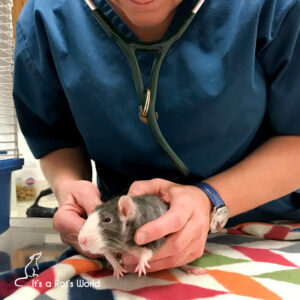
The financial commitment of owning rats is often underestimated. Saxton highlights the rising cost of veterinary care, noting a significant increase since 2014. "Rats may be small, but the financial responsibility for their care isn’t." Rats are prone to various health issues, including respiratory infections, tumors, and age-related ailments, making veterinary visits almost a certainty.
Saxton shares a poignant personal experience: "Sadly, this is one of the main reasons why I had to take a break from my most favorite pet and prioritize my own health instead," referring to the financial strain of extensive veterinary bills. She strongly recommends that owners start a dedicated savings account for their rats’ care immediately and identify a veterinarian experienced with small exotics before an emergency arises. This proactive financial planning can alleviate stress during a health crisis and ensure that rats receive necessary medical attention.
8. Rushing into Free-Ranging: Ensuring a Safe Environment
While free-ranging can be a rewarding experience, it requires careful preparation to ensure both the rat’s safety and the integrity of the home. Saxton cautions new owners against rushing this process. "There are a lot of things to enjoy about free-ranging rats, but new owners may not fully grasp all the dangers that lurk around their home for their rattie kids, and just how much damage they can inflict on it, or how unhygienic it can be." Rats are known to chew through electrical cords, furniture, and other household items, posing electrocution risks and causing costly damage. Saxton’s article, "Free-Ranging Pet Rats: What Every Owner Needs to Know," provides essential guidance on rat-proofing a home and safely introducing free-ranging opportunities.
9. Neglecting Senior Rat Needs: Adapting Care for Aging Companions
As rats age, their needs change, and owners must adapt their care accordingly. Saxton emphasizes the importance of recognizing and addressing these changes to ensure a comfortable and pain-free transition into senior years. "The needs of senior rats differ, so making adjustments for them enhances their lives." Mobility issues, decreased appetite, and increased susceptibility to illness are common in older rats. Modifications may include lower ramps, accessible food and water dishes, and supportive bedding. Close monitoring for signs of illness, such as changes in appetite or behavior, is crucial. Prompt veterinary intervention with antibiotics and pain management can significantly improve the quality of life for senior rats. Her article, "Senior Rats: What To Expect And How To Care For Them," serves as a comprehensive guide to assisted living for aging rats.
10. Lack of Full Commitment: Prioritizing Daily Well-being
Ultimately, responsible rat ownership hinges on a deep and consistent commitment. Saxton questions whether owners are truly integrating their rats into their lives, or if the pets are merely existing in the home. "Are you spending enough quality time with your rats every day? Not once a month, not once a week, but every day?" Bringing rats into one’s life signifies a profound responsibility for their physical and mental well-being.
Establishing daily routines for feeding, playtime, and quality interaction is paramount. Rats are creatures of habit and thrive on predictability. Saxton fondly recalls her rats’ eager anticipation of their daily routines, a testament to the strong bonds formed through consistent engagement. Prioritizing their needs daily ensures their happiness and fosters a deep, rewarding connection between owner and pet. She also refers to her articles, "How To Be The Best Rat Mom Or Rat Dad" and "Pet Rat Care Do’s And Don’ts," for further insights into comprehensive and dedicated rat ownership.
By heeding these ten essential tips, rat owners can navigate the complexities of pet care with greater confidence, ensuring their intelligent and affectionate companions lead long, healthy, and fulfilling lives. The pursuit of perfection in rat care, as Saxton demonstrates, is not about being flawless but about continuous learning, diligent effort, and an unwavering commitment to the well-being of these remarkable creatures.

