


For many, the journey into pet ownership is paved with the best intentions, but a lack of comprehensive knowledge can inadvertently lead to suboptimal care. This is particularly true for owners of rats, intelligent and social creatures whose specific needs are often misunderstood. The following compilation, drawing from extensive experience and veterinary consultation, aims to illuminate common pitfalls in rat care, offering practical guidance to ensure these beloved companions thrive. From initial housing choices to the nuances of their diet and social structure, addressing these frequent errors is paramount for any responsible rat guardian.
The Evolution of Rat Care Understanding
The landscape of pet care information has transformed dramatically over the past few decades. In the 1990s, when the author first embarked on rat ownership, readily accessible and accurate information was scarce. Online resources were nascent, and pet store recommendations often reflected outdated or incomplete advice. This era saw many well-meaning owners inadvertently using materials like pine and cedar shavings, now known to be toxic due to their aromatic oils, or housing rats in inadequate, small aquariums that lack proper ventilation. The shift towards more informed care practices has been driven by dedicated rat enthusiasts, rescue organizations, and veterinary professionals who have diligently researched and disseminated accurate guidelines. This ongoing process of education is vital, as misinformation can persist, especially through informal online channels and even some retail environments.
Crucial Steps to Optimal Rat Well-being
Ensuring a high quality of life for pet rats involves a multifaceted approach, covering their living environment, nutrition, social interaction, and overall health management. Recognizing and rectifying common mistakes is an ongoing process for any dedicated owner.
1. Sourcing Reliable Rat Care Information
A fundamental error many new owners make is relying on untrustworthy or outdated sources for information. The internet, while a vast repository of knowledge, also hosts a significant amount of misinformation. It is critical to discern credible sources from anecdotal advice or regurgitated myths.

Key Considerations for Information Sources:
- Longevity of Experience: How long has the source been involved with rat care? Do they demonstrate a consistent and evolving understanding?
- Veterinary Consultation: Is the information backed by advice from veterinarians specializing in exotic pets or rats?
- Evidence-Based Practices: Does the source cite research, reputable organizations, or provide clear reasoning for their recommendations?
- Transparency and Learning: Is the source open to learning from others and updating their knowledge?
- Distinguishing Fact from Opinion: Personal anecdotes can be valuable, but they should not supersede scientifically supported information.
- AI-Generated Content: While AI can process large amounts of data, it can also synthesize incorrect or misleading information. Owners must critically evaluate AI responses, especially regarding health and care, by cross-referencing with verified sources.
Reputable sources, such as the Rat Guide (ratguide.com), which provides extensive, vet-approved information, are invaluable. Experienced owners and rescue groups with a proven track record of healthy rats also offer practical insights, provided their advice aligns with veterinary recommendations.
2. Providing Appropriate Housing and Essential Supplies
The cage is the primary environment for a pet rat, and its design and contents significantly impact their physical and mental health. Inadequate housing is a frequent oversight with serious consequences.
Essential Housing Criteria:
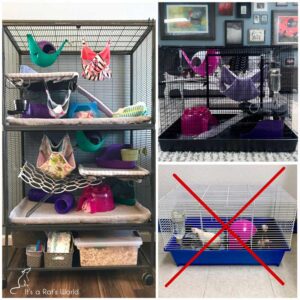
- Size and Ventilation: Cages must be spacious enough to accommodate the number of rats, with ample room for movement, exploration, and enrichment. Multi-level cages are ideal for maximizing vertical space. Good ventilation is crucial to prevent the buildup of ammonia from urine, which can severely irritate their respiratory systems. Small, single-level cages or tanks are generally unsuitable for permanent housing, often only serving as temporary transport.
- Bar Spacing and Security: Wire bar spacing should be narrow enough to prevent escape and injury, typically no more than 1/2 inch for adult rats. Secure latches are essential to prevent accidental escapes.
- Flooring: Wire flooring is detrimental to rat paws, leading to bumblefoot (pododermatitis), pain, and potential injury. Wire floors should always be covered with solid platforms, fleece, or appropriate bedding materials.
- Bedding: The choice of bedding is critical. Pine and cedar shavings are toxic and should be avoided. Safe alternatives include paper-based bedding, aspen shavings, or fleece liners. Some rats may develop sensitivities to even "safe" beddings, leading to sneezing or respiratory irritation. Careful observation and selection are necessary.
- Litter Box Substrate: For litter-trained rats, crushed walnut shells (after freezing for 24-48 hours to eliminate parasites) or paper-based litters are good choices.
The selection of accessories, such as hammocks, climbing structures, and toys, also contributes to a stimulating and safe environment. Placement of the cage is equally important, avoiding drafty areas, direct sunlight, and proximity to strong odors or fumes.

3. Maintaining a Clean Living Environment
A clean cage is fundamental to a rat’s health and well-being. The accumulation of waste produces ammonia, a potent respiratory irritant that can lead to serious health problems, including pneumonia.
Cleaning Schedule Recommendations:
- Daily Spot Cleaning: Remove soiled bedding and droppings daily.
- Weekly Full Cleaning: A complete cage clean, including washing the cage base, accessories, and replacing all bedding, should be performed weekly.
- Deep Cleaning: Periodically, a more thorough disinfection of the cage and accessories may be necessary, using pet-safe cleaning solutions.
Neglecting cage hygiene not only poses health risks but also diminishes the quality of life for the rats, impacting their comfort and hygiene.
4. Implementing Proper Nutritional Practices
Dietary mistakes are among the most common and detrimental errors in rat care. Providing a balanced diet is essential for their overall health, energy levels, and longevity.
Key Nutritional Considerations:
- Quality Staple Diet: Not all commercial rat foods are created equal. A high-quality lab block or pelleted diet formulated for rats should form the cornerstone of their nutrition. These are designed to provide a balanced mix of protein, carbohydrates, fats, vitamins, and minerals.
- Avoiding Overfeeding and Junk Food: Overfeeding, even with healthy foods, can lead to obesity. It is a significant mistake to regularly feed rats processed human foods such as fries, pizza, chips, or sugary treats. These are high in fat, salt, and sugar and offer little nutritional value, contributing to weight gain and related health issues.
- Balanced Supplementation: Fresh fruits and vegetables should be offered daily in appropriate portions as supplements to the staple diet. It is crucial to research which human foods are safe for rats and to offer them in moderation. Even healthy treats should be given judiciously.
- Portion Control: Understanding appropriate portion sizes for both staple diets and fresh foods is vital to prevent overconsumption and maintain a healthy weight.
Consulting resources like the Rat Guide’s nutrition section can provide detailed information on appropriate staple diets, safe fruits and vegetables, and recommended feeding practices.
5. Ensuring Sufficient Exercise and Mental Stimulation
Rats are intelligent and active animals that require both physical activity and mental engagement to thrive. A sedentary lifestyle can lead to obesity, boredom, and behavioral problems.
Promoting Activity and Engagement:
- Daily Out-of-Cage Time: Providing several hours of supervised free-ranging time daily in a safe, rat-proofed area is essential. This allows them to explore, climb, and engage in natural behaviors.
- Enrichment within the Cage: The cage itself should be an engaging environment. This includes providing a variety of toys, climbing opportunities, tunnels, chew items, and puzzles that challenge their minds.
- Interactive Play: Engaging with your rats through play, training, and exploration fosters a strong bond and provides mental stimulation.
A lack of stimulation can manifest as destructive behavior, lethargy, or increased aggression.
6. Proper Handling Techniques: The Tail Exception
A common and potentially harmful mistake is picking up a rat by its tail. While seemingly a convenient grab point, the rat’s tail is a vital and sensitive appendage.

Understanding the Rat Tail:
- Thermoregulation: The tail helps regulate body temperature.
- Balance and Agility: It is crucial for balance, especially when climbing and navigating complex environments.
- Sensory Input: The tail is highly sensitive and provides sensory information about the rat’s surroundings.
- Extension of the Spine: The tail is anatomically an extension of the rat’s spine, and improper handling can cause severe injury, including fractures or the detachment of the tail skin.
The correct method for picking up a rat involves gently scooping them up with two hands, supporting their entire body.
7. Financial Preparedness for Pet Ownership
The financial commitment to pet ownership, especially for exotic animals like rats, is often underestimated. Vet care, in particular, can be a significant and unexpected expense.
Financial Planning for Rat Owners:
- Veterinary Care Costs: Rats, like all pets, can suffer from various health issues, including respiratory infections, tumors, and age-related ailments. Veterinary visits, diagnostic tests, and treatments can be costly. The average cost of veterinary care for small animals has been on the rise.
- Ongoing Expenses: Beyond vet bills, owners must budget for food, bedding, cage accessories, and replacement items as they wear out or break.
- Emergency Fund: It is highly advisable to establish a dedicated savings account for your rat’s healthcare needs. Having a pre-selected veterinarian who is experienced with rats is also crucial, allowing for prompt care when needed.
Failing to prepare financially can lead to difficult decisions when a rat requires medical attention.

8. Gradual Introduction to Free-Ranging
While free-ranging is a vital part of a rat’s enrichment, rushing this process without proper preparation can be hazardous for both the rat and the home.
Safe Free-Ranging Practices:
- Rat-Proofing: The environment must be thoroughly "rat-proofed" before allowing free-ranging. This involves securing electrical cords, removing toxic plants, blocking off small openings, and ensuring no hazardous materials are accessible.
- Supervision: Even in a rat-proofed area, supervision is recommended to prevent accidents and to monitor the rat’s behavior.
- Hygiene Considerations: Rats may mark their territory, which can lead to hygiene issues in a home. Understanding and managing this aspect is important.
Owners should research and implement safe free-ranging protocols to ensure a positive experience for all involved.
9. Adapting Care for Senior Rats
As rats age, their needs change significantly, and failing to make appropriate adjustments can compromise their comfort and well-being. Senior rats (typically over 18-24 months old) require specialized care.
Addressing Senior Rat Needs:
- Mobility Issues: Reduced mobility may necessitate lowering ramps, providing easier access to food and water, and ensuring comfortable resting places like soft bedding and accessible hammocks.
- Dietary Adjustments: Older rats may have decreased appetites or difficulty chewing. Softer foods, smaller portions, and readily available hydration become more important. Monitoring their weight and food intake is crucial to prevent starvation or malnutrition.
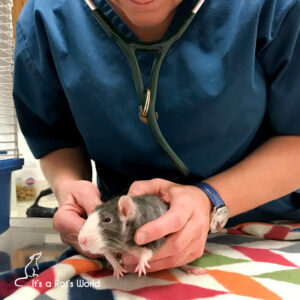
- Health Monitoring: Senior rats are more prone to age-related illnesses, such as tumors and respiratory problems. Regular observation for changes in behavior, appetite, or physical condition is vital. Prompt veterinary intervention with antibiotics or pain management can significantly improve their quality of life and extend their lifespan.
A dedicated article on senior rat care can provide owners with the knowledge to navigate this stage of their pet’s life effectively.
10. Full Commitment to Daily Care and Companionship
Ultimately, being a responsible rat owner requires a deep and consistent commitment. Rats are social creatures that thrive on interaction and daily attention.
The Importance of Daily Engagement:
- Quality Time: Spending dedicated quality time with your rats daily is non-negotiable. This includes interaction, play, and simply being present with them.
- Routine and Predictability: Rats benefit from consistent daily routines for feeding, playtime, and social interaction. This predictability fosters a sense of security and strengthens the bond between rat and owner.
- Active Participation: Rat ownership is not a passive endeavor. It requires actively monitoring their physical and mental well-being, responding to their needs, and integrating them into the family’s life.
The reward for this commitment is a profound bond built on trust and mutual affection, transforming these small creatures into cherished family members. Their intelligence and capacity for affection make them exceptionally rewarding pets when provided with the care and understanding they deserve.

