


The sudden appearance of a swollen eye in a pet parrot is a common but frequently misunderstood clinical presentation that necessitates immediate, measured action by avian caretakers. Whether manifesting as localized puffiness, eyelid enlargement, or profound periorbital inflammation, these symptoms serve as critical indicators of underlying physiological distress. Because birds often mask illness until it reaches an advanced stage, the presence of ocular swelling should be treated as a potential harbinger of systemic infection, trauma, or environmental toxicity rather than a superficial or isolated ailment.
Clinical Assessment and Diagnostic Identification
The diagnostic process begins with a meticulous visual evaluation. Owners are encouraged to compare the affected eye with the healthy one to establish a baseline for inflammation. In clinical practice, avian veterinarians classify swelling based on whether it is unilateral—often pointing to localized trauma or infection—or bilateral, which may suggest a broader respiratory or nutritional deficit.
The anatomy of a bird’s eye is uniquely susceptible to environmental stressors. Unlike mammals, birds possess a specialized infraorbital sinus system that sits directly beneath the eye. Consequently, when these sinuses become inflamed due to bacterial, fungal, or viral pathogens, the pressure often displaces the ocular tissue, resulting in a false appearance of eye disease when the primary pathology is actually respiratory. Determining whether the swelling is confined to the conjunctiva, the eyelid, or the surrounding facial sinuses is the first step in clinical triage.
The Chronology of Avian Ocular Distress
When an owner notices swelling, establishing a timeline is paramount for veterinary consultation. A condition that arises suddenly—for instance, after a collision with a window or a territorial dispute with another bird—points to mechanical trauma. Conversely, swelling that develops insidiously over several days or weeks often indicates an infectious process or chronic nutritional deficiency.
In the case of traumatic injury, immediate veterinary intervention is required to rule out corneal abrasions or fractures of the orbit, which can lead to permanent vision loss if left untreated. If the swelling follows a pattern of intermittent recurrence, the veterinarian will likely investigate environmental factors, such as the presence of aerosolized irritants (e.g., non-stick cookware fumes, scented candles, or heavy dust) or chronic exposure to low-quality seed diets that compromise the bird’s mucosal integrity.
Data-Driven Risk Factors
Statistical trends in avian medicine suggest that parrots maintained on seed-only diets are disproportionately represented in clinical cases involving periocular inflammation. This is primarily attributed to a chronic deficiency in Vitamin A, a critical nutrient for maintaining the health of the epithelial tissues, including the lining of the sinuses and the eyelids. Without adequate dietary Vitamin A, these tissues become keratinized and highly susceptible to secondary bacterial infections like Chlamydia psittaci or Mycoplasma species.
Furthermore, current veterinary data indicates that birds housed in high-humidity or poorly ventilated enclosures are at an elevated risk for fungal infections, such as Aspergillus, which can colonize the sinus cavities and cause localized facial swelling. Data from clinical case studies highlight that mortality rates in birds displaying ocular swelling are significantly lower when owners seek professional diagnostics within the first 24 to 48 hours of symptom onset.
Expert Guidelines for Immediate Triage
The consensus among avian specialists is that owners must avoid the impulse to self-medicate. The application of over-the-counter human eye drops, which may contain preservatives or medications that are toxic to avian physiology, can exacerbate the condition and complicate the subsequent clinical diagnosis.
The recommended course of action involves three key steps:
- Documentation: Capture high-resolution photographs or videos from multiple angles. These visuals provide the veterinarian with a record of the swelling’s appearance at its peak, which is invaluable if the inflammation subsides slightly during transport to the clinic.
- Environmental Stabilization: Immediately remove the bird from potential irritants. This includes relocating the cage to a quiet, dimly lit area to reduce stress, which is essential as cortisol spikes can further suppress an already compromised immune system.
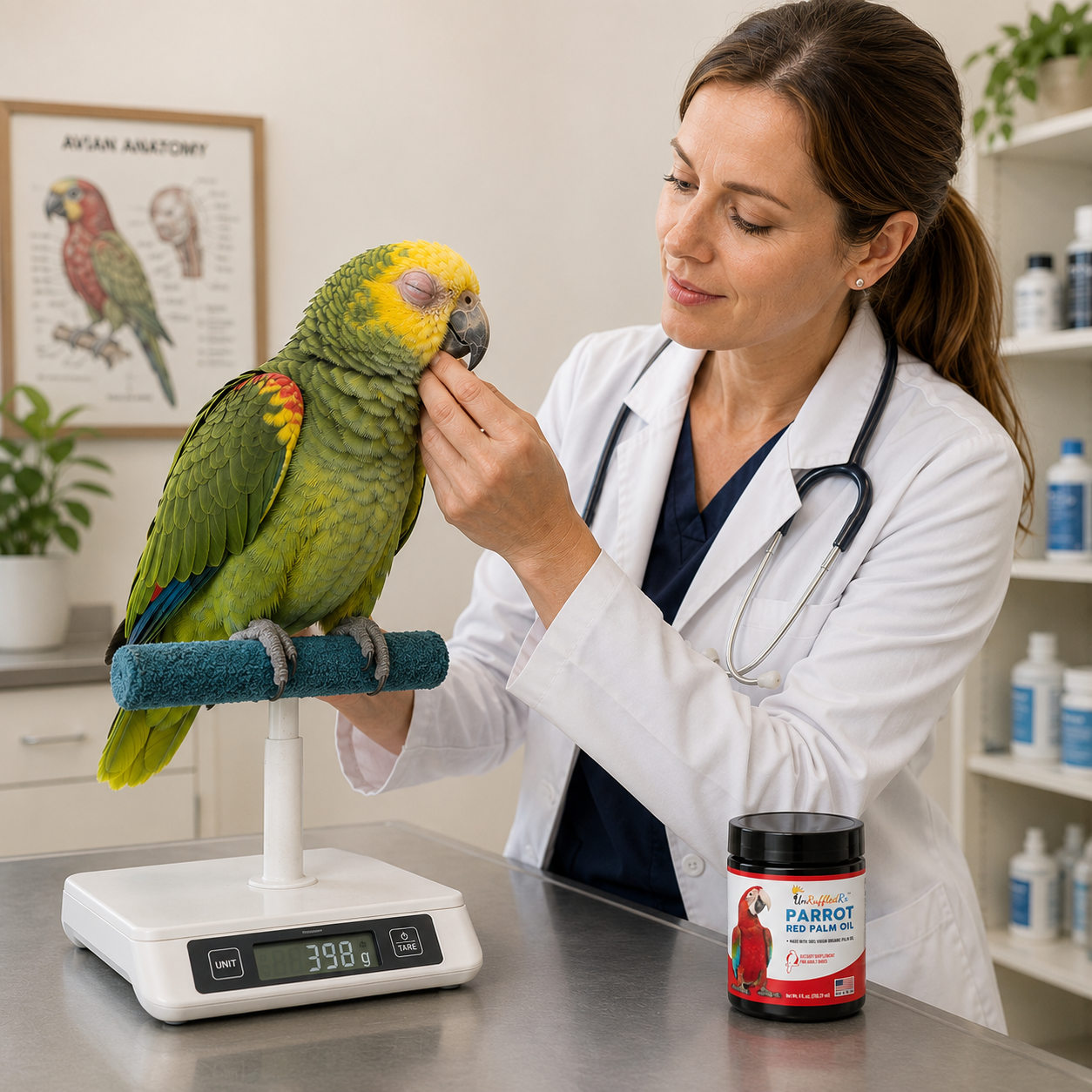
- Veterinary Consultation: Prioritize an appointment with a board-certified avian veterinarian. During the examination, the veterinarian will likely employ diagnostic tools such as Gram stains, cytology, or diagnostic imaging to differentiate between localized irritation and deep-seated systemic illness.
Long-term Implications and Nutritional Support
The long-term prognosis for birds with ocular swelling is generally positive, provided the underlying cause is identified and addressed early. However, the implications of recurring swelling extend beyond the eye. Chronic inflammation can cause permanent damage to the sinus structures, potentially leading to a lifetime of respiratory fragility.
Nutritional management remains a cornerstone of post-recovery care. For birds with a history of malnutrition, transitioning to a balanced diet is critical. While supplements such as red palm oil—a potent source of natural carotenoids—and specialized avian vitamins can support tissue health, they are not substitutes for medical treatment. These should be viewed as supportive measures intended to bridge nutritional gaps in selective feeders who may refuse the introduction of fresh vegetables and high-quality formulated pellets.

Addressing Common Misconceptions
A frequently asked question in the avian medical community is whether a bird can be monitored overnight if it is still eating and drinking. The professional standard is to err on the side of caution. Because birds have a high metabolic rate and are adept at hiding symptoms, the fact that a bird is still eating does not rule out a life-threatening infection. In many cases, a bird will continue to consume food until it is physically unable to do so, by which point the disease process is often far advanced.
Similarly, there is a persistent myth that unilateral swelling is "less dangerous" than bilateral swelling. While it is true that bilateral symptoms often indicate systemic issues, a unilateral swollen eye is a frequent indicator of localized abscesses or foreign bodies that, if left unattended, can rupture or cause catastrophic tissue necrosis.
The Role of Preventive Care
The most effective strategy for managing ocular health in parrots is a proactive approach to husbandry. This includes annual physical examinations, which allow for the detection of subtle changes in the eyes or sinuses before they progress to visible swelling. Furthermore, maintaining a clean, dust-free environment and providing a varied diet rich in bioavailable nutrients minimizes the likelihood of the inflammatory responses that lead to these conditions.
In summary, a swollen eye is never a condition to be ignored. It is a visible manifestation of a potential internal crisis. By documenting symptoms, avoiding self-administered remedies, and securing prompt veterinary care, parrot owners play a critical role in safeguarding their birds’ long-term health and preventing what could be a minor irritation from becoming a life-altering medical emergency. The integration of high-quality diagnostic veterinary care with responsible daily nutrition and environmental management remains the gold standard for avian wellness. Through diligent observation and timely professional intervention, most avian ocular issues can be managed successfully, ensuring that these complex and intelligent companions continue to thrive in their domestic environments.

