


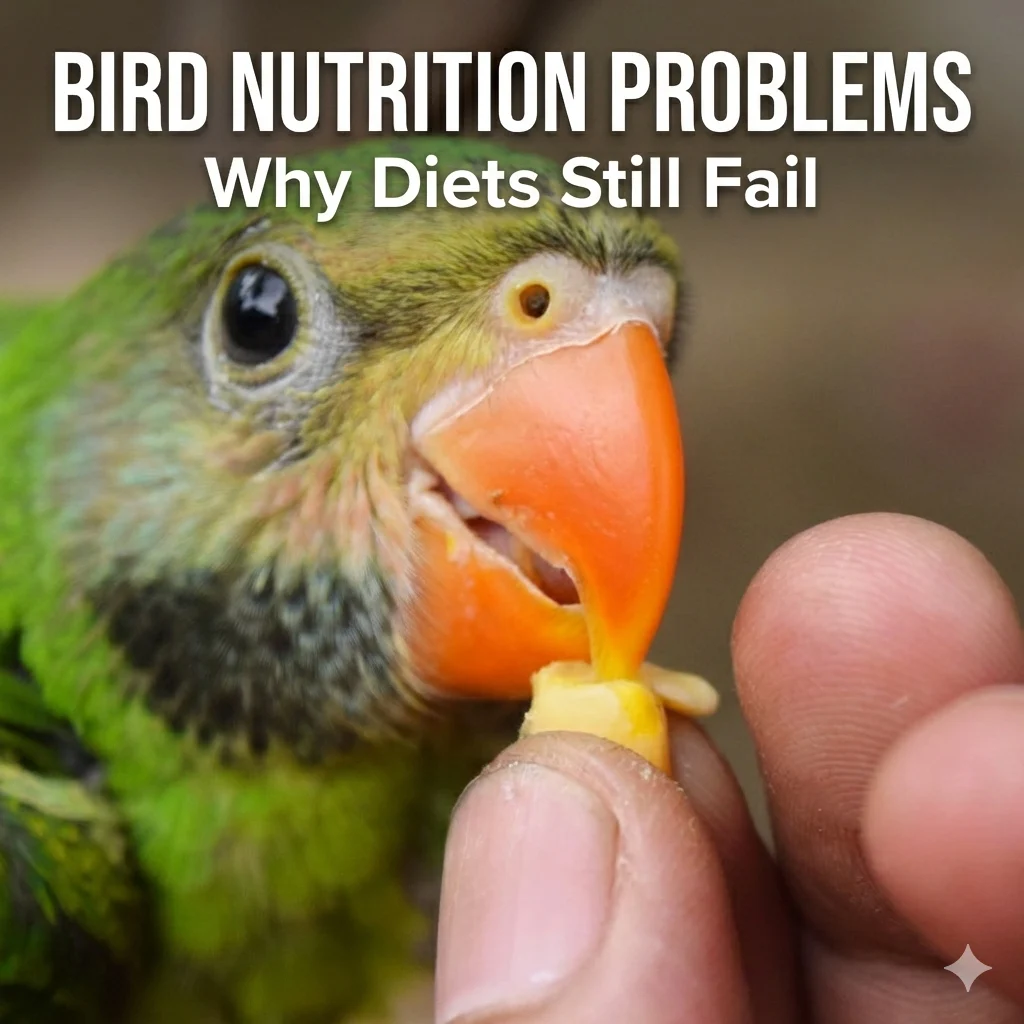
The paradox of a seemingly well-fed bird displaying signs of weakness, dull plumage, or subtle behavioral shifts is a growing concern among avian enthusiasts and veterinary professionals. While owners often strive to provide high-quality diets, the intricate metabolic pathways of avian nutrition mean that intake alone does not guarantee optimal health. The true measure of a diet’s success lies in the bird’s ability to absorb and effectively utilize essential nutrients, a process frequently undermined by a confluence of dietary imbalances, environmental deficiencies, and species-specific biological challenges. This article delves into the critical factors that cause even "good" bird diets to fall short, exploring the nuances of nutrient absorption, the pitfalls of common feeding practices, and the holistic strategies required for genuine avian wellness.
The Unseen Struggle: When Intake Doesn’t Equal Absorption
Many bird owners confidently assert that their pet "eats well," yet the bird’s physical condition may tell a different story. The assumption that consumption directly translates to nutrient assimilation is a fundamental misconception. The journey of a nutrient from the food bowl to the bird’s cells is complex, involving digestion, absorption across the intestinal wall, transport in the bloodstream, and activation into a usable form. If any stage of this metabolic chain is compromised, even a diet rich in essential components can fail to support health.
A prime example is calcium, a mineral vital for skeletal integrity, nerve transmission, and muscle function. For calcium to be absorbed efficiently from the gut into the bloodstream, it requires the presence of adequate vitamin D3. Crucially, vitamin D3 itself often requires activation through exposure to specific wavelengths of ultraviolet B (UVB) light, mimicking natural sunlight. In an indoor environment, where glass windows block virtually all beneficial UVB rays, birds can consume calcium-rich foods but remain functionally deficient due to impaired D3 synthesis and, consequently, poor calcium absorption. This metabolic disconnect can lead to a range of subtle but progressive health issues.
Subtle Indicators of Nutritional Shortfall
The initial signs of metabolic imbalance are often inconspicuous, leading owners to attribute them to aging or normal behavior. However, astute observation can reveal early warnings.
- Weak Grip and Instability: Calcium plays a direct role in neuromuscular control. When circulating calcium levels are marginal, one of the first observable symptoms can be a subtle loss of grip strength. Owners might notice their bird occasionally slipping on perches, struggling to maintain balance, or exhibiting less confident movements. This isn’t always a dramatic event but a quiet, progressive decline in stability.
- Compromised Flight and Landings: For species capable of flight, calcium deficiency can manifest as reduced endurance or impaired coordination. Birds may take shorter flights, hesitate before launching, or experience clumsy landings. The fine-tuned muscle contractions and nerve signals required for controlled flight are highly dependent on stable calcium levels, making these activities early indicators of systemic issues.
- Dull or Poor-Quality Feathers: Feather quality is a robust biomarker of overall metabolic health. While a varied diet is important, if mineral balance or protein metabolism is compromised, new feathers grown during a molt can appear thinner, duller, brittle, or exhibit stress bars. Even birds on seemingly "high-quality" pelleted diets can display compromised feather condition if underlying absorption or activation processes for key nutrients like amino acids, trace minerals, or calcium are inefficient. This is because feather production is metabolically demanding, requiring a consistent supply of building blocks and cofactors.
The Neophobic Parrot: Navigating Dietary Transitions
One of the most significant hurdles in achieving optimal avian nutrition is the inherent neophobia (fear of new things) common in many parrot species. Birds, particularly those raised on seed-only diets, often do not instinctively recognize formulated pellets as food. This deeply ingrained behavior, a survival mechanism in the wild, can make dietary transitions challenging and, if mishandled, dangerous.
Abruptly removing familiar food, such as seeds, and replacing it entirely with pellets can trigger severe food refusal. Parrots are highly routine-driven eaters, and a sudden change can lead to rapid weight loss, starvation, and potentially life-threatening health crises. According to avian expert Diane Burroughs, LCSW, a successful pellet conversion is not about inducing hunger but about "supplementing the bridge" – ensuring the bird receives adequate nutrition, particularly calcium and amino acids, while gradually learning to trust and consume the new food.
- Safe Transition Strategies: A gradual approach is paramount. This involves slowly introducing small amounts of pellets mixed into the bird’s existing diet. Constant monitoring of body weight using a gram scale is critical. A drop of more than 3-5% of body weight signals inadequate intake and requires a deceleration of the transition process. Caloric stability must always be prioritized over immediate nutritional optimization. Expert consensus suggests that this process can take weeks to months, requiring patience and consistency from the owner.
- The Problem of Seed Dominance: Seed-only diets, while palatable due to their high fat content, are notoriously deficient in several key nutrients vital for long-term health. These typically include vitamin A, bioavailable calcium, and essential trace minerals like zinc and iodine. While birds on seed diets may initially appear energetic, they are often slowly developing insidious nutrient imbalances that compromise immunity, bone density, epithelial health, and feather quality over time. This preference for seeds is a learned behavior, driven by texture and caloric density rather than inherent nutritional wisdom, and overcoming this "seed addiction" is a cornerstone of responsible avian care.
The Pervasive Threat of Vitamin A Deficiency
Among the most common and impactful nutritional deficiencies observed in captive parrots is hypovitaminosis A. Vitamin A is crucial for maintaining the health and integrity of epithelial tissues throughout the body, including the lining of the mouth, sinuses, respiratory tract, gastrointestinal tract, and reproductive organs.
When vitamin A is deficient, these protective linings can become thickened, keratinized, and lose their normal function, making the bird highly susceptible to secondary bacterial, fungal, or viral infections. The signs of vitamin A deficiency often develop gradually and can be mistaken for other illnesses or simply "getting older."
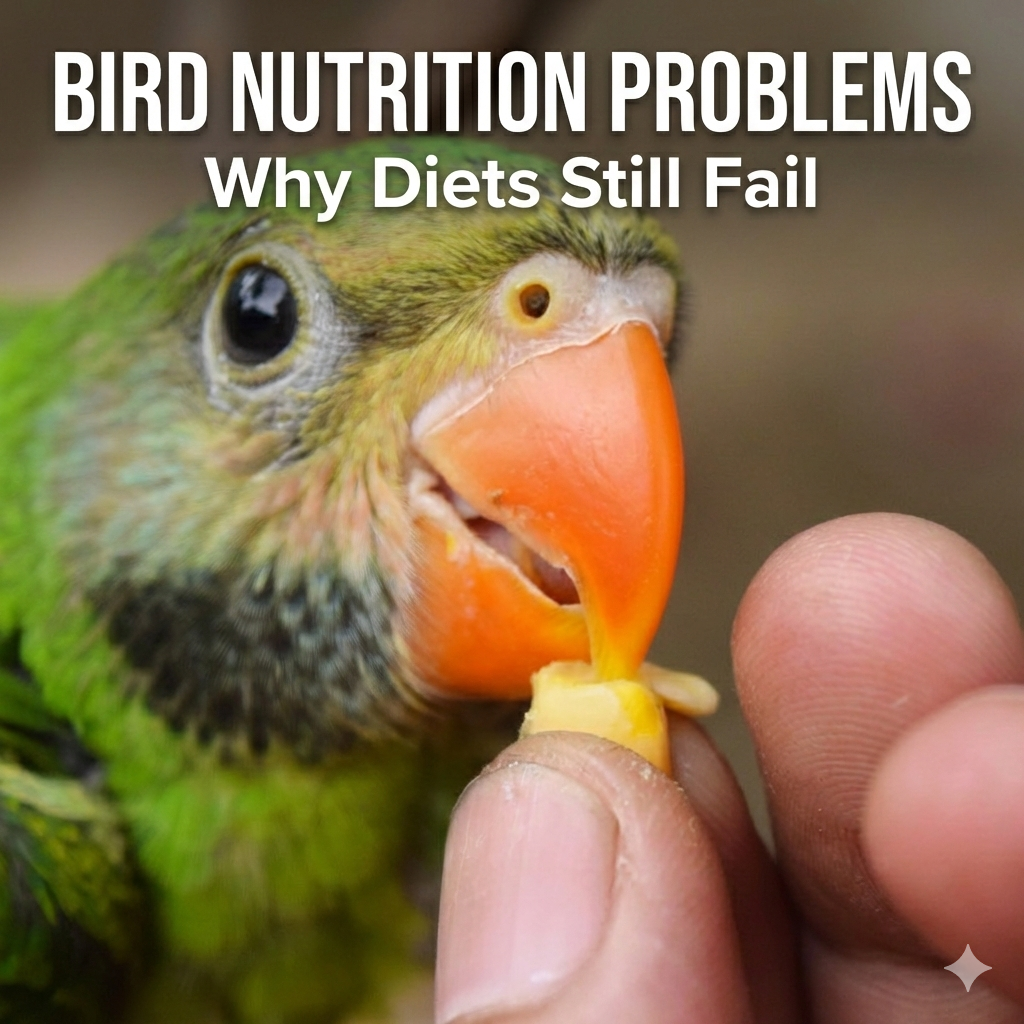
- Clinical Signs of Vitamin A Deficiency:
- Nasal discharge or crusting: Compromised respiratory tract lining.
- Ocular discharge or swelling: Impaired tear ducts and conjunctival health.
- Poor feather quality: Dull, brittle, or discolored plumage.
- Abnormal growth on feet (pododermatitis) or beak: Keratinization issues.
- Changes in oral tissue: White plaques, abscesses, or abnormal papillae in the mouth and throat.
- Respiratory distress: Labored breathing, sneezing, coughing, often due to secondary infections.
- Reduced immune function: Increased susceptibility to various infections.
- Lethargy and poor appetite: General systemic decline.
These symptoms often appear before laboratory abnormalities are detected, highlighting the importance of early recognition. While vitamin A is essential, it’s critical to note that excessive synthetic vitamin A supplementation can also be toxic, stressing the liver and causing other health complications. Balance, achieved through a diverse diet with appropriate precursors (e.g., beta-carotene from dark leafy greens, carrots), is key.
Environmental Influences: Light, Seasons, and Metabolic Rhythm
Beyond diet, the indoor environment profoundly impacts a bird’s metabolic health, particularly regarding vitamin D3 synthesis. Most parrot species originate from tropical and subtropical regions where daylight length and intensity remain relatively stable year-round. Their physiology is adapted to consistent, high-intensity natural light exposure, including ample UVB.
In northern climates, and for birds housed indoors, this environmental context is drastically altered. Winter brings dramatically shorter days and weaker sunlight. More critically, standard window glass blocks virtually all beneficial UVB radiation, effectively creating a "UVB desert" for indoor birds. This lack of UVB directly impairs the skin’s ability to synthesize vitamin D3. As discussed, without adequate D3, dietary calcium cannot be efficiently absorbed, leading to a cascade of issues.
- Seasonal Exacerbation: Many owners observe a worsening of their bird’s condition during the winter months. This "winter decline" is not coincidental. Reduced UVB exposure means reduced D3 activation and weaker calcium utilization, even if the diet remains consistent.
- Impact on Circadian Rhythms and Hormones: Light exposure is a primary regulator of circadian rhythms, hormone signaling, and metabolic stability. Inconsistent or shortened photoperiods, common in indoor environments, can disrupt these delicate balances. This can manifest as irritability, reduced activity levels, further weakening of grip strength, or delayed and poor-quality molts. The physiological expectation of tropical consistency clashes with the reality of temperate indoor living, leading to a decline in overall well-being. This highlights the critical need for species-appropriate artificial full-spectrum lighting, including UVB, for indoor birds.
The Role of Supplements: Targeted Support, Not a Cure-All
The question of whether supplements are effective is frequently raised. The answer is nuanced: supplements can be effective, but only when specific variables are meticulously controlled. These include ingredient stability, consistent intake, and bioavailability.
- Water-Soluble vs. Food-Based Delivery: Many bird owners opt for water-soluble supplements, assuming consistent intake. However, water intake fluctuates daily, and many water-soluble nutrients (like certain vitamins) can degrade rapidly when exposed to light, heat, or even certain minerals in tap water. This makes consistent dosing unpredictable. Food-based delivery, such as mixing supplements into a known portion of chop or soft food, generally improves dose reliability because intake can be directly observed and measured. For nutrients requiring consistent levels, like calcium, magnesium, or biotin, controlled food application significantly reduces the risk of underdosing or waste.
- The Dangers of Over-Supplementation: While deficiencies are a concern, excessive supplementation, particularly of fat-soluble vitamins (A, D, E, K) and certain minerals, can be equally detrimental. For instance, too much synthetic vitamin A can stress the liver, and excess calcium can lead to soft tissue mineralization, kidney strain, and metabolic imbalances. Supplementation should always be intentional, targeted to specific needs, and ideally guided by an avian veterinarian, rather than a blanket "more is better" approach.
Recognizing and Responding to Crisis: When to Call an Avian Vet
While understanding deficiency signs is crucial for proactive care, it is equally important to recognize when a situation warrants immediate professional veterinary intervention. The following signs are educational but not diagnostic; they should prompt an urgent consultation with a qualified avian veterinarian.
- Emergency Signs Requiring Immediate Veterinary Attention:
- Acute onset of seizures or tremors: Can indicate a severe calcium crash or neurological event.
- Sudden inability to perch or stand: Suggests profound weakness or neurological impairment.
- Severe respiratory distress: Open-mouthed breathing, tail bobbing, gasping.
- Profuse bleeding from any orifice.
- Lethargy so severe the bird cannot respond.
- Collapse or loss of consciousness.
- Rapid, unexplained weight loss (more than 10% in a few days).
These are not "watch and wait" symptoms. Conditions like acute hypocalcemia or severe secondary infections due to vitamin A deficiency can progress rapidly and be fatal without prompt veterinary care. An avian veterinarian can perform diagnostic tests such as blood calcium testing, radiographs to assess bone density, and supportive treatments that cannot be safely or effectively replicated at home. Documenting weight changes, grip strength, appetite, and behavioral shifts prior to the visit can provide invaluable information to the vet.
Holistic Solutions for Avian Wellness
Addressing the complexities of avian nutrition and metabolic health requires a multifaceted approach that goes beyond simply filling the food bowl. It involves correcting environmental shortcomings, optimizing dietary structure, and, when necessary, providing targeted support under veterinary guidance.
- Structured Diet as Foundation: The cornerstone of avian health is a balanced, formulated pelleted diet, which provides a consistent base of micronutrients. This should be complemented by a diverse array of fresh vegetables, offering phytonutrients, hydration, and mental enrichment. Seeds should be offered sparingly, if at all, as treats rather than a dietary staple, to prevent nutrient imbalances.
- Appropriate UVB Lighting: Installing a safe, species-appropriate UVB bird light is non-negotiable for indoor birds. These specialized bulbs emit the necessary wavelengths for vitamin D3 synthesis. Consistency is more important than intensity; the light should be on for a consistent period each day, mimicking natural daylight cycles. Crucially, these bulbs degrade over time, even if they still appear bright, and must be replaced according to the manufacturer’s schedule (typically every 6-12 months).
- Targeted Supplementation with Calcium, Magnesium, and D3: For birds with identified deficiencies, those in high-demand states (e.g., egg-laying hens), or those living in indoor environments without adequate UVB, a properly formulated calcium, magnesium, and D3 combination can be vital. Magnesium is often overlooked but plays a critical role in calcium regulation and neuromuscular signaling. This integrated approach supports nerve function, muscle contraction, and bone stability. However, dosing must be precise and species-appropriate to avoid the risks of over-supplementation.
- Regular Monitoring and Veterinary Check-ups: Consistent monitoring of a bird’s weight, droppings, feather quality, and behavior provides early indications of health shifts. Regular check-ups with an avian veterinarian, ideally annually, allow for professional assessment, early detection of potential issues, and guidance on diet and environment.
The reality is that many parrots show early warning signs long before a crisis erupts. Their resilience often masks underlying problems until they become severe. Birds do not fail because their owners do not care; they fail when one critical link in their complex metabolic chain is missing or compromised. When intake, absorption, and activation are harmonized through thoughtful diet, appropriate environmental enrichment, and targeted support, a bird’s strength returns, grip improves, feathers regain their structure and sheen, and overall energy and well-being stabilize, allowing them to thrive rather than merely survive. This holistic understanding is the key to unlocking true avian health.

