


As the conflict in Ukraine enters another grueling phase in the summer of 2026, the humanitarian crisis continues to extend far beyond the human population, deeply affecting the nation’s domestic animals and wildlife. Reports from the front lines and liberated territories highlight a persistent and desperate need for animal intervention services. Central to these efforts is the partnership between Animal Rescue Kharkiv (ARK) and PETA’s Global Compassion Fund, which has recently scaled its operations to address both immediate tactical rescues and long-term sanctuary infrastructure. On July 20, 2026, officials provided an update on recent successes, including the high-stakes rescue of wildlife trapped in military infrastructure and the critical "winterization" of shelters during the summer heat.
The scale of the animal crisis in Ukraine is unprecedented in modern European history. Since the escalation of hostilities years ago, millions of pets have been displaced, and local ecosystems have been shattered by shelling, chemical runoff, and the installation of defensive barriers. While international attention often fluctuates with the movement of front lines, the work of ARK remains a constant, providing a localized response to a systemic disaster. The latest reports emphasize that the mission has evolved from simple evacuation to a complex framework of veterinary medicine, psychological rehabilitation for traumatized animals, and large-scale engineering projects to ensure the survival of rescued species through the harsh Ukrainian climate.
The Impact of Modern Warfare on Local Fauna
A recent incident brought to light by PETA and ARK underscores the unintended consequences of defensive military technology on local biodiversity. Two hedgehogs were discovered entangled in anti-drone netting stretched across a roadway in a high-risk area. These nets, designed to intercept loitering munitions and reconnaissance UAVs (unmanned aerial vehicles), have inadvertently become death traps for small mammals and birds. The hedgehogs were hopelessly ensnared in the high-tensile mesh, unable to extricate themselves as the netting tightened with every movement.
ARK’s specialized rescue team, which operates in regions often bypassed by standard humanitarian convoys, spotted the animals during a routine patrol. The extraction required precision to avoid further injury to the hedgehogs’ fragile limbs and spines. Following their removal from the netting, the animals were transported to a triage center where they received hydration, nutritional support, and treatment for constriction-related injuries. After a period of monitoring and recovery, both were successfully returned to a safe habitat away from active military installations.
This rescue serves as a case study for the broader "ecocide" occurring within the conflict zones. Environmental analysts suggest that the proliferation of trenches, razor wire, and anti-drone mesh has disrupted the migratory and foraging patterns of countless indigenous species. The work of ARK is therefore not merely a matter of animal welfare but a critical component of preserving Ukraine’s ecological heritage amidst ongoing destruction.
Chronology of Sanctuary Expansion and the Peace Sanctuary Initiative
To manage the influx of animals—primarily dogs and cats abandoned during mass evacuations—ARK has focused heavily on the development of its "Peace Sanctuary." This facility has undergone several phases of expansion since its inception.
- Initial Phase (2022–2023): Emergency intake and temporary sheltering in repurposed industrial buildings.
- Consolidation Phase (2024–2025): Establishment of permanent veterinary clinics and the first specialized enclosures for traumatized animals.
- Expansion and Rehabilitation Phase (2026): The current stage focuses on the "Peace Sanctuary," a facility designed to move beyond basic survival toward long-term psychological recovery.
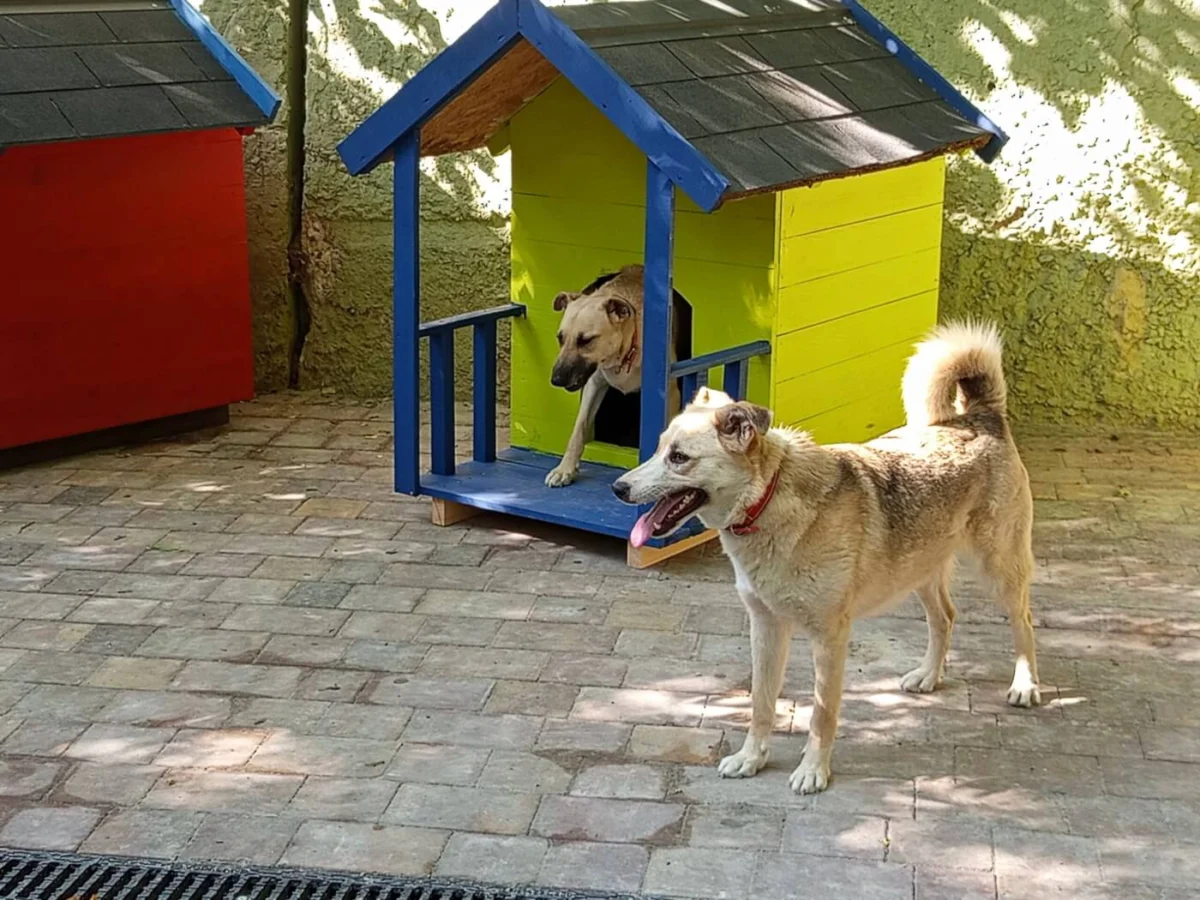
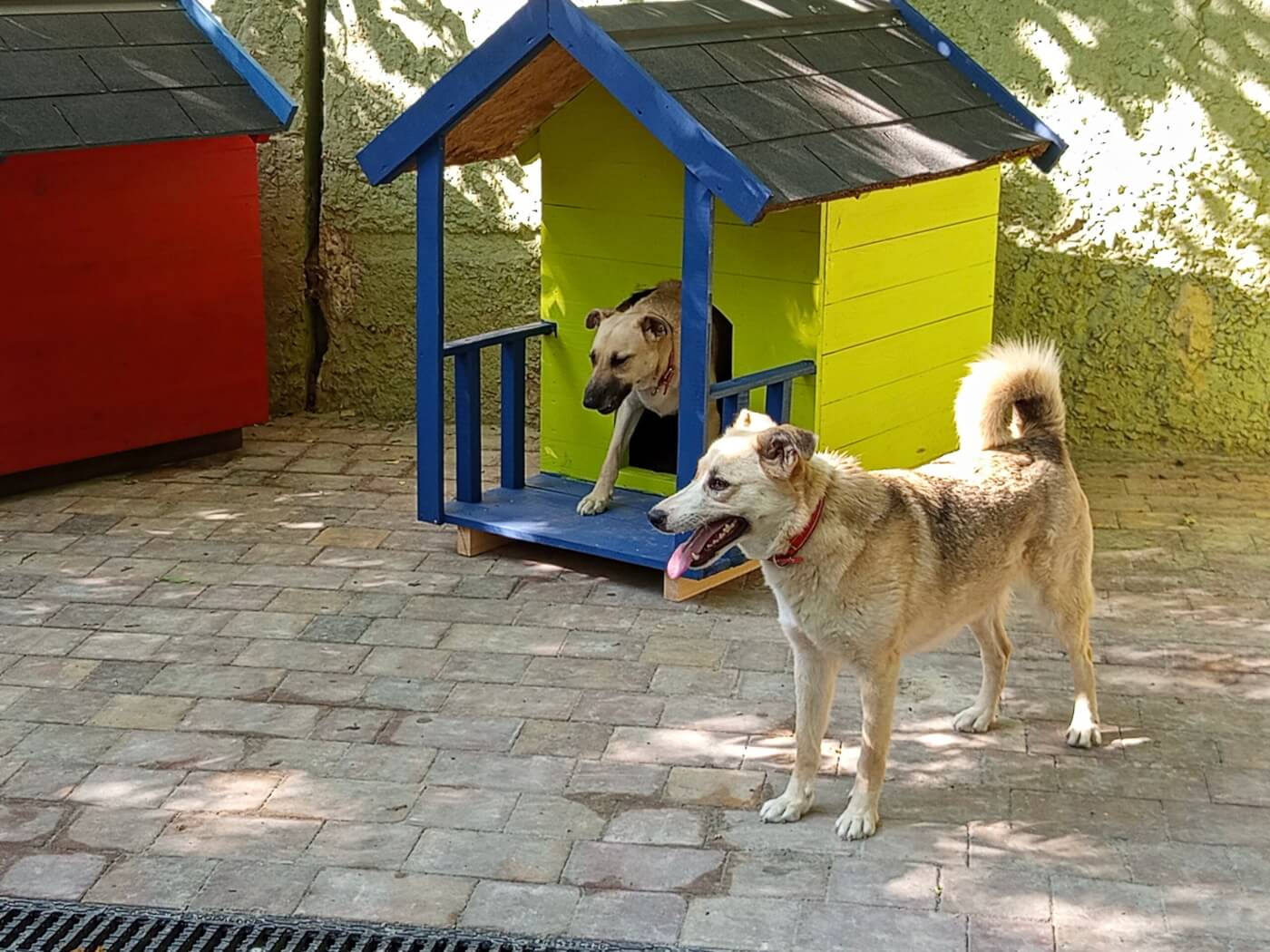
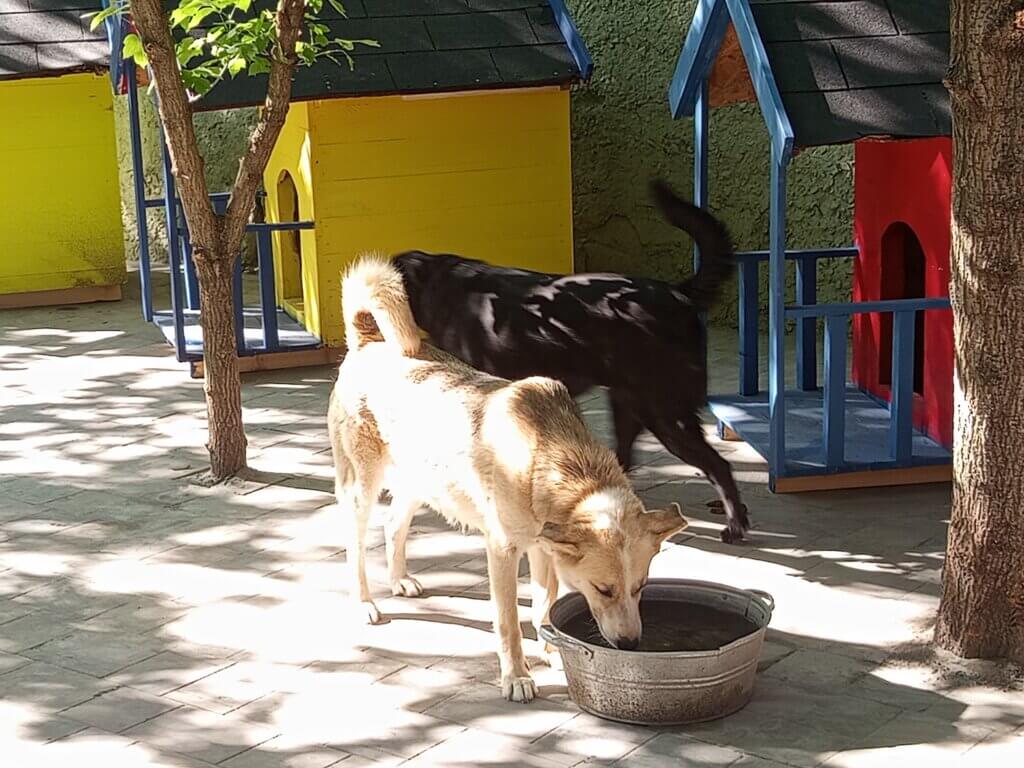
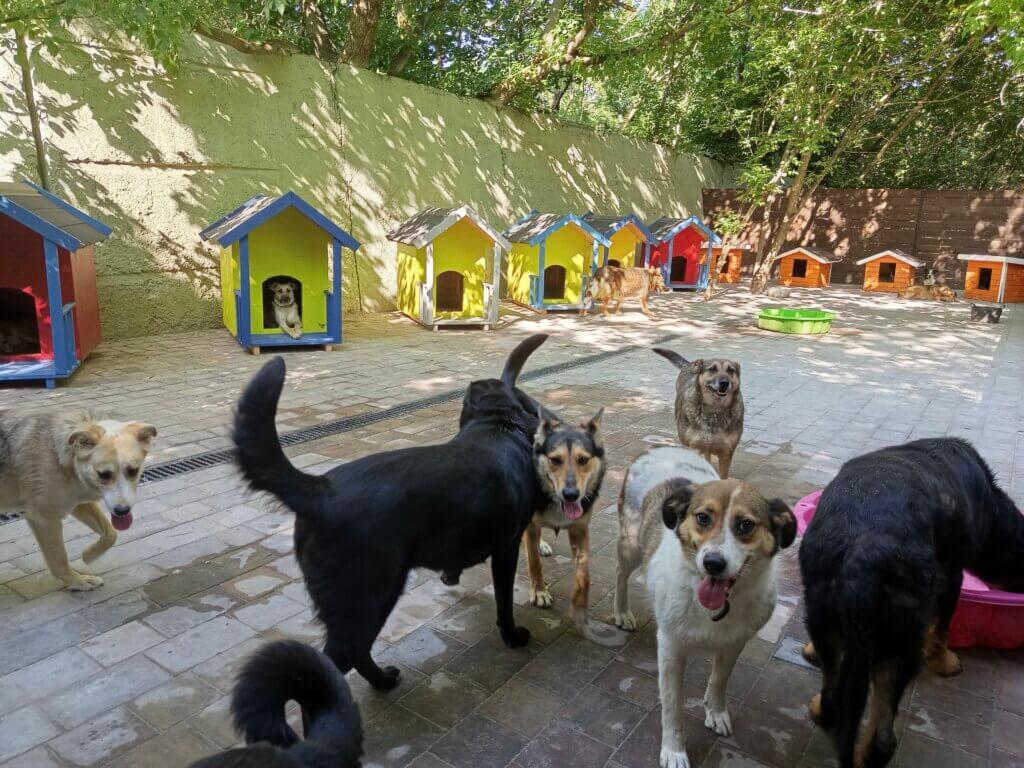
In the summer of 2026, the sanctuary successfully opened newly expanded enclosures. These areas are designed with the specific needs of "war-zone survivors" in mind—animals that often exhibit signs of post-traumatic stress, including extreme noise sensitivity and aggression toward humans. The new enclosures provide significantly more square footage, allowing for social hierarchy stabilization among dog packs and providing shaded retreats to combat the rising summer temperatures, which have reached record highs in the Kharkiv region this year.

Infrastructure as a Lifeline: Preparing for the 2026–2027 Winter
While the current focus is on heat mitigation and enrichment, the ARK team is simultaneously engaged in a race against time to prepare for the upcoming winter. Ukrainian winters are notoriously brutal, with temperatures frequently dropping below -20 degrees Celsius. For a shelter housing hundreds of animals, the logistical requirements for heating, dry bedding, and liquid water are immense.
Engineering projects currently underway at the Peace Sanctuary include the installation of advanced drainage systems and the laying of new tiling in outdoor enclosures. These improvements are designed to prevent the accumulation of mud and ice, which can lead to pododermatitis and other infections in kenneled animals. By upgrading the infrastructure during the dry summer months, ARK ensures that the facility remains hygienic and manageable when the autumn rains and winter snows arrive.
According to PETA representatives, these capital improvements are funded almost exclusively through the Global Compassion Fund. The fund acts as a financial backbone, allowing ARK to purchase construction materials, specialized veterinary equipment, and bulk feed. The stability provided by this funding is essential in a volatile economy where the cost of goods can fluctuate wildly based on supply chain disruptions and energy costs.
Supporting Data and Humanitarian Context
The necessity of these animal rescue operations is backed by staggering data. Estimates suggest that at the peak of the displacement crisis, up to 40% of households in conflict zones were forced to leave pets behind or relinquish them to overcapacity shelters. Furthermore, the stray population in Eastern Ukraine has surged, leading to concerns regarding the spread of zoonotic diseases such as rabies, which poses a secondary public health risk to both civilians and military personnel.
ARK’s data indicates that since the beginning of 2026, they have maintained a steady intake of approximately 50 to 100 new animals per month, ranging from domestic pets to displaced farm animals and wildlife. The "Peace Sanctuary" currently operates at a capacity that would have been unimaginable at the start of the conflict, housing several hundred animals in various stages of rehabilitation.
Official Responses and Broader Implications
Statements from PETA leadership emphasize that the work in Ukraine is a blueprint for international animal disaster response. "The determination of the people on the ground—those who refuse to leave animals behind even under the threat of shelling—is a testament to the strength of the human-animal bond," a PETA spokesperson stated. "Through the Global Compassion Fund, we are not just providing food; we are building a sustainable infrastructure of kindness in a place where it is most needed."
The implications of ARK’s work extend into the realm of social stability. Sociologists observing the Ukrainian conflict have noted that the presence of animal rescue teams provides a psychological boost to local populations. Knowing that there is a mechanism in place to care for the "smallest victims" of war offers a sense of normalcy and moral fortitude to communities that have lost nearly everything else.
Furthermore, the professionalization of animal rescue in Ukraine during this period has led to increased cooperation with local governmental bodies. ARK often works in tandem with municipal services to manage stray populations humanely, moving away from the antiquated and often cruel methods of animal control used in previous decades.
Conclusion: The Long Road to Recovery
As July 20, 2026, marks another milestone in the effort to protect Ukraine’s animals, the road ahead remains fraught with challenges. The "Peace Sanctuary" is more than a shelter; it is a symbol of resilience. However, the sustainability of these operations depends entirely on continued international support. The costs of medical supplies, specialized high-protein kibble, and fuel for rescue vehicles remain high.
The story of the two hedgehogs and the hundreds of dogs now playing in shaded enclosures at the sanctuary serves as a reminder that the cost of war is paid by all living beings. While the geopolitical landscape remains complex, the mission of Animal Rescue Kharkiv and PETA remains clear: to ensure that when the guns finally fall silent, there is still a vibrant, living world left to inhabit the peace. The ongoing upgrades and the daily acts of heroism by rescuers ensure that hope survives—one animal, one enclosure, and one rescue at a time.

