


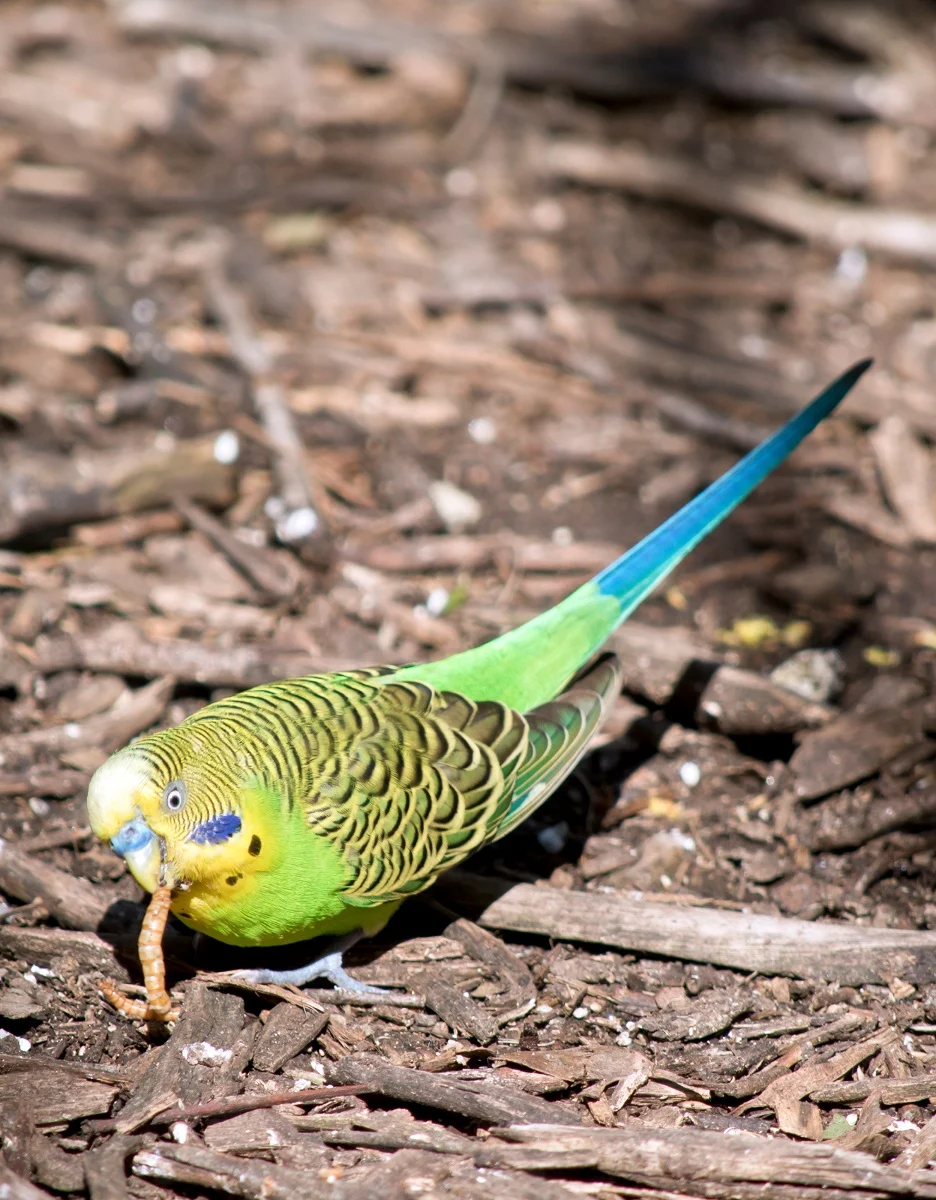
Avian veterinarians and pet nutritionists frequently emphasize that maintaining optimal health in budgerigars (commonly known as budgies or parakeets) requires a diverse and nutritionally balanced diet. While commercial pellets and seed mixes traditionally form the foundation of a captive parakeet’s daily intake, incorporating fresh, whole-food options is critical for preventing nutritional deficiencies and providing behavioral enrichment. In emergency scenarios—such as running out of commercial feed—or simply to enhance daily dietary variety, many common household pantry items can serve as suitable alternatives or treats. However, pet owners must navigate these options carefully, as the digestive systems of small psittacines differ significantly from those of humans, and several everyday foodstuffs present severe toxicity risks.
Nutritional Foundations and the Importance of Variety in Captive Budgerigars
In their native Australian habitat, wild budgerigars forage extensively across arid and semi-arid grasslands, consuming a fluctuating array of grass seeds, fresh vegetation, and occasionally insects. Replicating this diverse foraging behavior in a domestic environment is essential for psychological well-being and physical vitality. According to comprehensive avian care standards, relying exclusively on a monolithic seed diet often leads to chronic health issues, including fatty liver disease, obesity, and vitamin deficiencies.
To combat these risks, modern avian husbandry advocates for a diet rich in high-quality pellets supplemented by fresh vegetables, sprouted grains, and limited, single-ingredient treats. When incorporating human foods into a bird’s routine, experts stress the absolute necessity of avoiding processed items laden with artificial preservatives, excessive sodium, refined sugars, and hydrogenated fats. Natural, whole-ingredient foods align much more closely with an avian digestive tract, reducing the incidence of gastrointestinal distress and metabolic disorders.
Chronology of Avian Dietary Evolution in Captivity
The understanding of psittacine nutrition has evolved substantially over the past several decades. Historically, domestic parakeets were fed almost exclusively commercial millet and seed blends, a practice rooted in nineteenth-century husbandry methods when specialized pelleted diets did not yet exist.
By the late twentieth century, advancements in veterinary pathology linked all-seed diets to widespread mortality from nutritional secondary hyperparathyroidism and hepatic lipidosis. This realization prompted avian researchers and veterinarians to formulate nutritionally complete extruded pellets during the 1980s and 1990s.
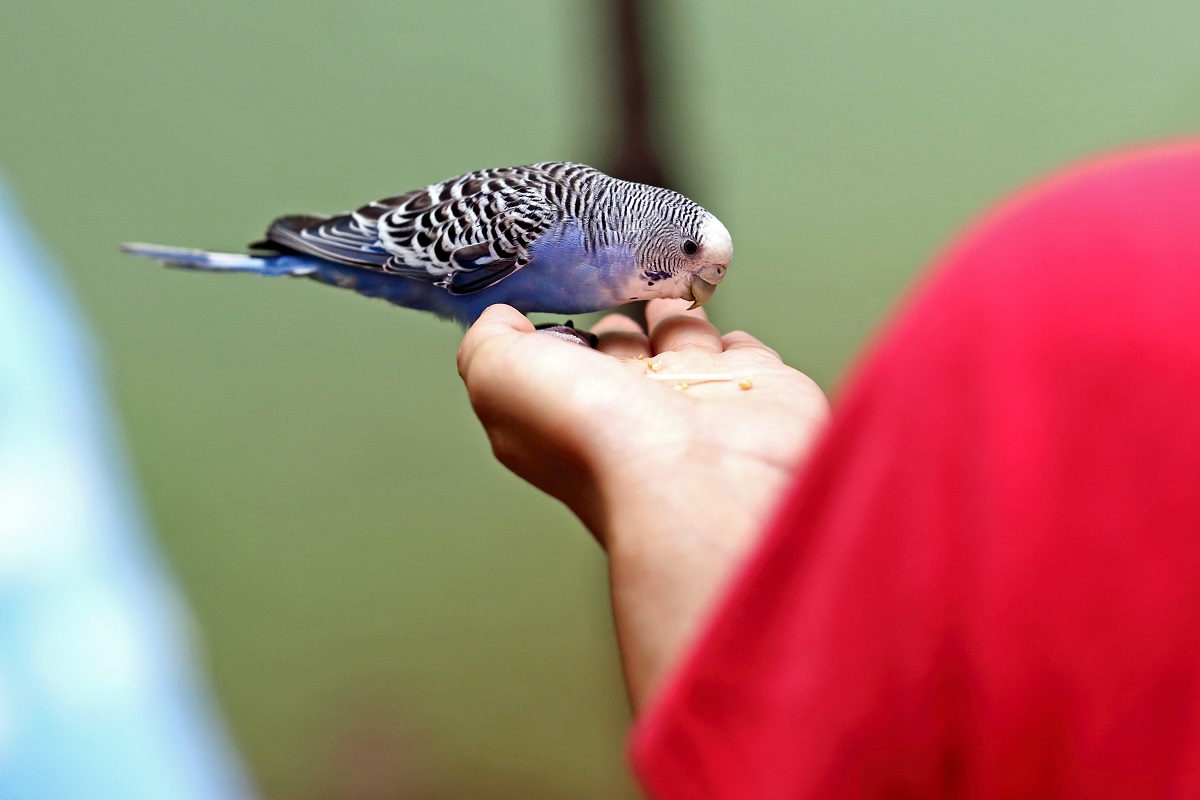
In recent years, the focus has expanded beyond mere survival to include behavioral enrichment and holistic wellness. Modern avian care protocols now actively encourage the introduction of human-grade staples—such as cooked grains, pseudo-grains like quinoa, and fresh greens—to stimulate foraging instincts. This historical shift underscores the importance of transitioning budgies from a restricted seed-based paradigm to a multifaceted nutritional regimen that mirrors natural foraging diversity.
Nineteen Household Foods Safe for Budgerigars in Moderation
When navigating household supplies, owners often possess a surprising array of safe items that can supplement a budgie’s diet. These foods range from daily grains to occasional training treats.
Whole-Wheat Bread: Budgies can safely consume small quantities of whole-wheat bread, provided it is free from excessive sugar, artificial additives, and high sodium levels. Processed white breads and brioches lack sufficient nutritional value and should be strictly avoided, though any natural seeds embedded in the crust, such as sesame or poppy seeds, provide a welcome bonus.
Sunflower and Pumpkin Seeds: Highly favored by parakeets, raw, unsalted sunflower and pumpkin seeds serve as exceptional training treats. Because they are exceptionally high in fat, they must never form a staple of the daily diet; overconsumption rapidly leads to obesity. Furthermore, salted varieties intended for human consumption must be avoided due to sodium toxicity risks.
Natural Peanut Butter: Unsalted, all-natural peanut butter containing only peanuts and trace salt can be utilized cautiously. Beyond serving as an occasional snack, avian trainers frequently use a minute smear of peanut butter to entice hesitant birds toward new perches, toys, or unfamiliar food items, thereby reducing novel-object anxiety.
Eggs: Both boiled and scrambled eggs—prepared completely without oil, butter, or salt—offer a valuable protein boost. Avian specialists frequently recommend incorporating eggs into the diet of breeding hens, whose bodies demand heightened protein and calcium reserves during egg production.
Chia and Hemp Seeds: Nutrient-dense seeds such as chia and hemp provide essential Omega-3 fatty acids and micronutrients. Hemp seeds, entirely devoid of psychoactive compounds, integrate seamlessly into standard seed blends, while chia seeds can be served dry or lightly soaked.
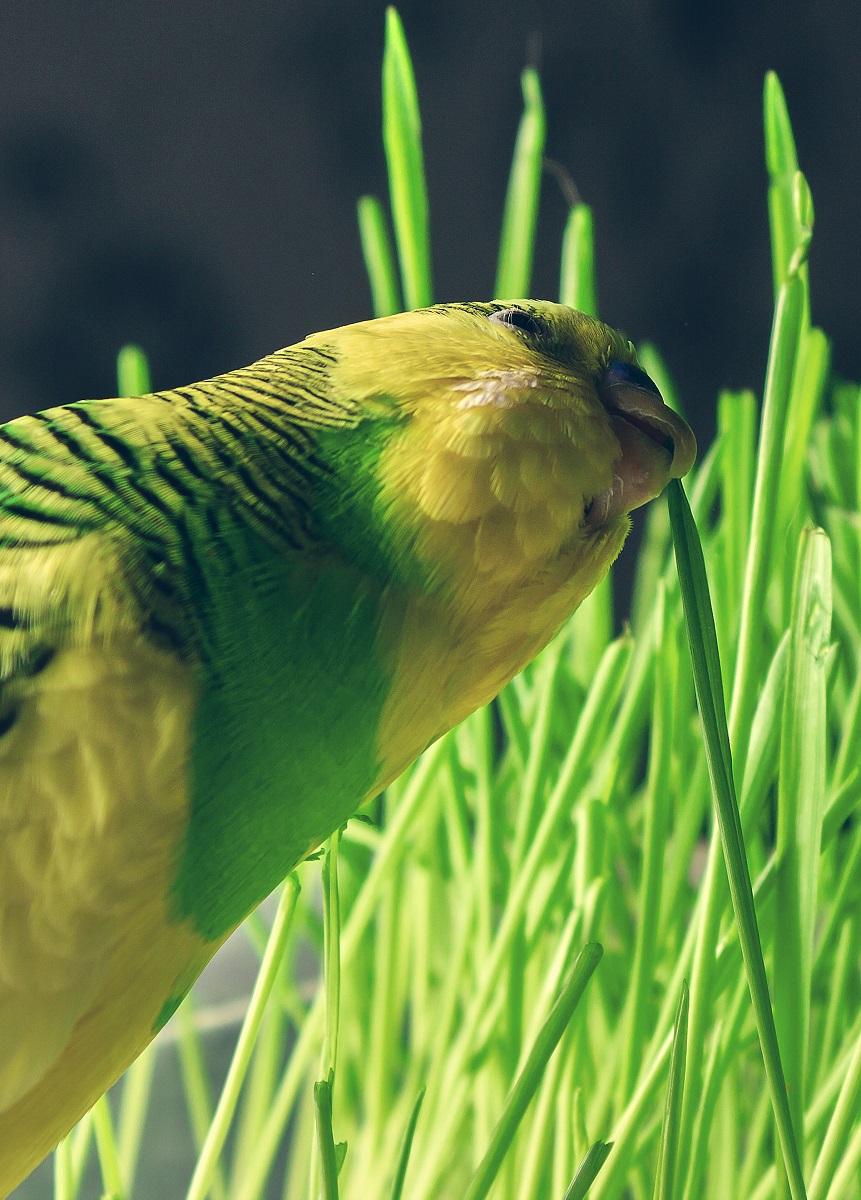
Wheatgrass: Sprouted wheatgrass offers exceptional nutritional benefits and promotes natural foraging behavior. To prevent bacterial or fungal contamination from potting soil, owners should cultivate wheatgrass using specialized sprouting mesh rather than standard dirt.
Nuts (Cashews, Almonds, Pine Nuts, and Walnuts): All raw, unsalted nuts are safe in microscopic portions. Due to their high fat content, a quarter of a single crushed nut is more than sufficient for an individual budgie.
Whole-Grain Cereals: Plain whole-grain cereals with minimal ingredients, such as standard Cheerios (which consist primarily of whole-grain oats and corn starch), can be offered in small pieces on rare occasions, provided sugar content remains low.
Chicken: Plain, thoroughly cooked chicken breast or thigh meat, entirely devoid of seasoning, oils, or skin, can be offered to provide supplemental protein, particularly for breeding or recovering birds.
Dried Fruit: Naturally dehydrated fruits without added sugars or sulfites are acceptable in strict moderation. Because dehydration concentrates natural fruit sugars, excessive consumption can lead to rapid weight gain and digestive upset.
Plain Pasta and Quinoa: Cooked or dry whole-wheat pasta, along with cooked or raw quinoa (white, red, or black), provides complex carbohydrates and essential amino acids. Unsalted, dry pasta also doubles as an engaging structural element for homemade bird toys.
Popcorn: Air-popped, completely unseasoned popcorn offers a novel texture that many parakeets enjoy shredding and consuming.
Rolled Oats: Rolled or steel-cut oats can be served dry or soaked in water. While oatmeal prepared with unsweetened nut milks is acceptable, sticky residues must be carefully monitored to prevent blockages around the beak.
Analysis of Unsafe and Toxic Foods for Psittacines
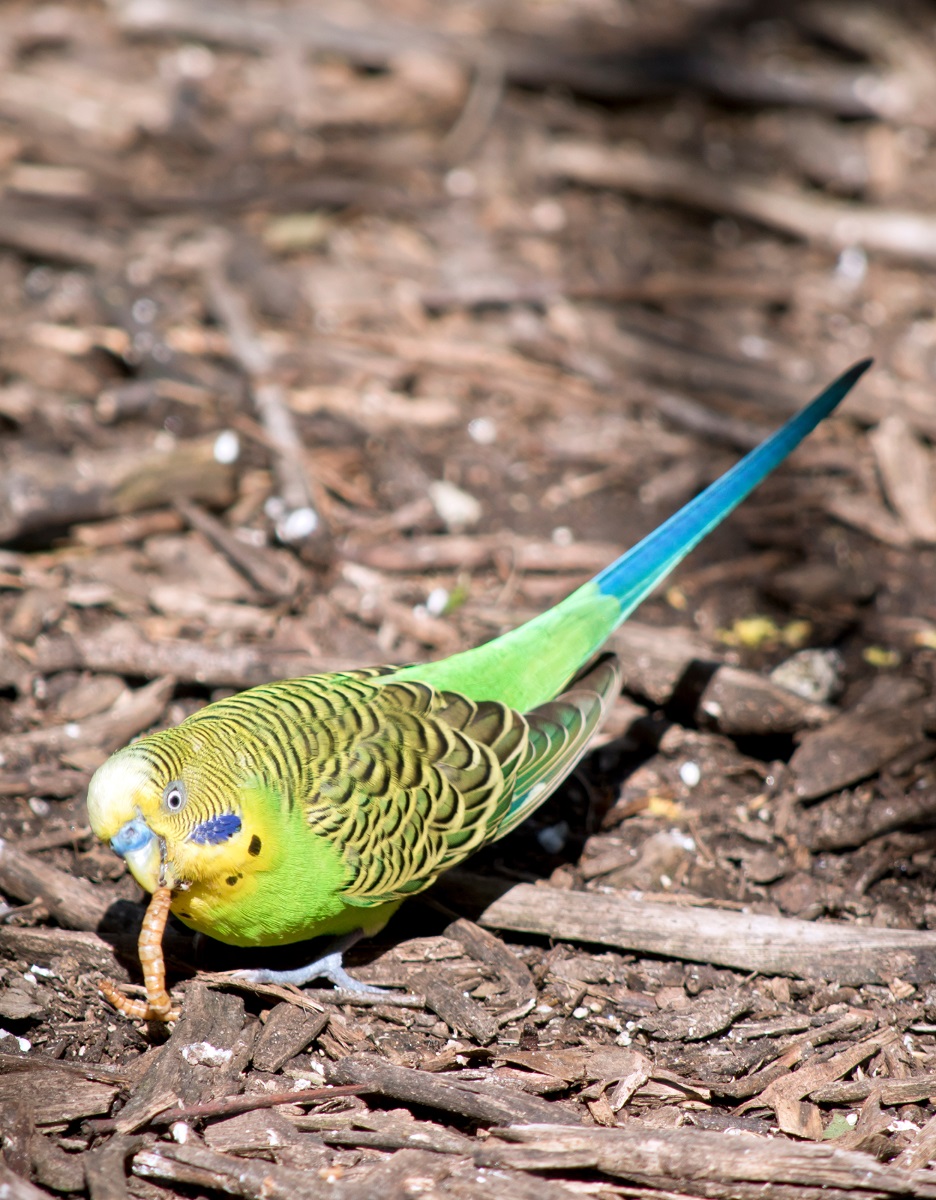
While many pantry staples are safe, a critical subset of household items poses severe, potentially fatal risks to budgerigars. Avian medicine documents several substances that must be kept entirely out of a parakeet’s reach.
Avocado: Avocado is explicitly toxic to avian species. According to veterinary literature, parakeets are exceptionally sensitive to persin, a fungicidal toxin found in the fruit, skin, and pit of avocados. Ingestion of even minute quantities can induce acute myocardial necrosis and rapid mortality.
Chocolate and Caffeine: Chocolate contains theobromine and caffeine, both of which stimulate the avian central nervous system and cardiovascular system dangerously. Ingestion frequently results in tremors, seizures, cardiac arrest, and death.
Honey: Raw honey and corn syrup carry a theoretical risk of containing dormant botulism spores. While rare, the avian gastrointestinal tract is uniquely susceptible to the neurotoxins produced by Clostridium botulinum. Furthermore, the exceptionally high sugar concentration is entirely unsuited for avian physiology.
Alcohol, Coffee, and Tea: All alcoholic beverages and caffeinated infusions are strictly contraindicated. Herbal infusions crafted from safe botanicals like chamomile are permissible, but standard caffeinated teas and coffee lead to acute systemic toxicity.
Alliums (Onions and Garlic): Onions and garlic contain organosulfoxides that can oxidize hemoglobin, leading to Heinz body hemolytic anemia in birds.
Xylitol: Artificial sweeteners, particularly xylitol found in sugar-free gums and baked goods, induce a rapid, catastrophic drop in blood sugar and subsequent hepatic failure in various animal species, including birds.
Processed Snacks, Dairy, and Plant Toxicity
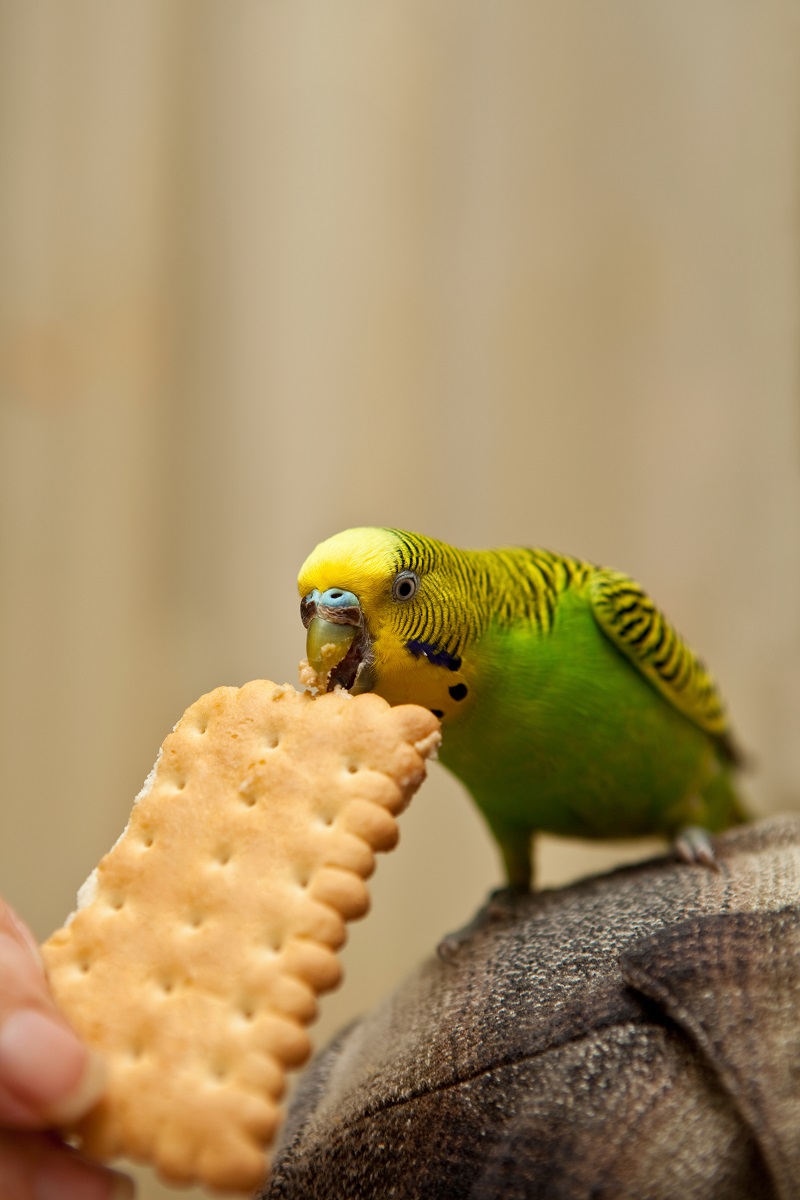
Processed comfort foods—such as potato chips, corn chips, crackers, and cookies—present a dual threat of excessive sodium, unhealthy fats, and chemical preservatives. Similarly, because adult birds lack the lactase enzyme necessary to process lactose, dairy products like ice cheese, cream, and milk result in acute gastrointestinal distress, manifesting as severe diarrhea.
Botanical hazards also extend beyond the food pantry. The leaves of the Aloe vera plant, while possessing soothing properties in their clear internal gel, feature a protective yellow latex layer containing aloin. This compound acts as a potent laxative and can cause severe dehydration and electrolyte imbalances in small parakeets.
Official Avian Veterinary Responses and Emergency Protocols
Major veterinary organizations, including the Association of Avian Veterinarians (AAV), consistently issue guidelines emphasizing rapid intervention in cases of accidental toxic ingestion. If a budgerigar consumes avocado, chocolate, caffeinated beverages, or items containing xylitol, owners are advised to contact an avian veterinarian immediately. Attempting home-remedy emetics without professional veterinary instruction can cause further physical trauma to the bird’s delicate crop and esophagus.
Broader Impact and Implications for Avian Welfare
The growing availability of specialized avian care literature reflects a broader shift toward holistic companion animal welfare. As pet owners increasingly view budgerigars not merely as cage decorations but as sentient, intelligent companions requiring complex mental and physical stimulation, dietary standards have risen accordingly.
Understanding the biochemical sensitivities of small psittacines protects them from common household hazards while empowering owners to utilize safe pantry items for behavioral enrichment and emergency feeding. Ultimately, bridging the gap between traditional seed-based feeding and modern nutritional science ensures longer, healthier lives for captive budgerigars worldwide.

