


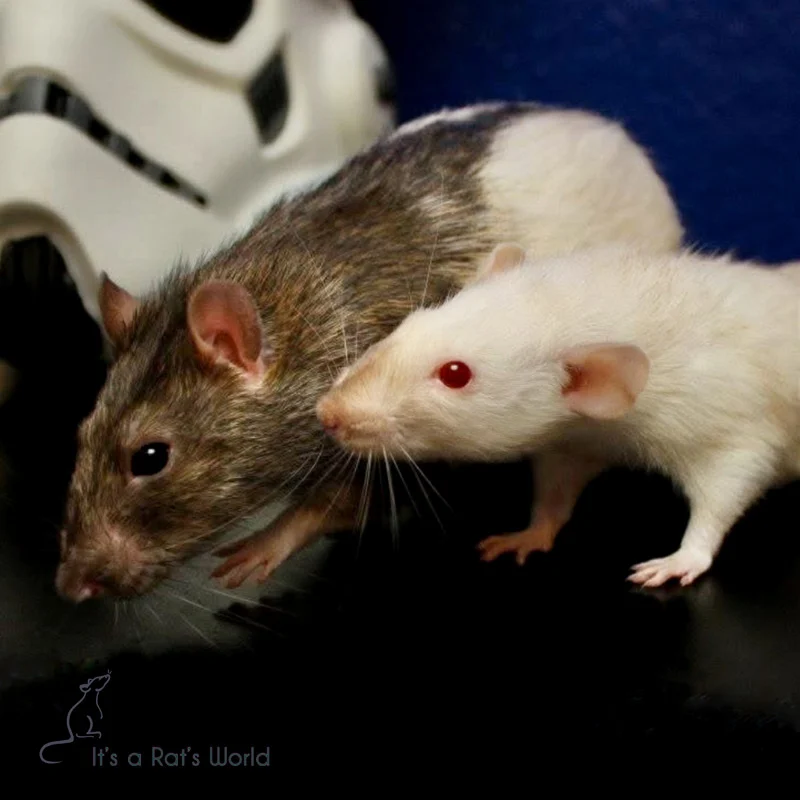
Deciding whether to adopt male or female rats is a common dilemma for prospective owners, as both sexes offer distinct advantages and challenges in terms of physiology, temperament, and health requirements. While many potential owners base their choice on anecdotal preferences, understanding the biological and behavioral differences between the sexes is essential for providing optimal care. This guide examines the objective differences between male and female domestic rats (Rattus norvegicus) to assist owners in making informed decisions.
Physiological and Biological Divergence
Physical differences between male and female rats are often the first factors prospective owners encounter. Generally, male rats are larger, with an average length of 10 to 12 inches—excluding the tail—and a weight range of 450 to 650 grams. Females are typically more compact, measuring 9 to 10 inches and weighing between 350 and 450 grams. However, these figures are averages; individual genetic variation, diet, and exercise levels play a significant role in final size.

A notable biological distinction involves the coat texture and skin secretions. Intact males produce a yellow-orange, oily substance commonly referred to in the fancy rat community as "buck grease." This secretion is a byproduct of high androgen levels. While this oil often gives the male’s fur a coarser, denser feel compared to the softer, thinner coat of the female, it can also necessitate more frequent grooming by the owner to prevent skin irritation. Neutering significantly reduces the production of this oil, frequently resulting in a softer coat texture similar to that of a female.
Olfactory Characteristics and Environmental Impact
The olfactory differences between the sexes are significant enough to be noticeable to human owners. Female rats possess a subtle, somewhat floral or sweet aroma, often compared to grape-scented products. In contrast, intact males have a distinct, muskier scent described by many as reminiscent of warm corn tortillas or grain.
These scents are part of the rat’s complex social signaling system. Owners may observe "marking" behavior, where rats leave small amounts of urine to claim territory. Intact males are significantly more prone to persistent urine marking than females, which can influence the choice of flooring, cage accessories, and cleaning schedules for the household. While spaying and neutering can reduce these behaviors, prospective owners should be prepared for the baseline environmental impact of owning rodents.
Temperament and Behavioral Maturation
Behavioral patterns in rats evolve significantly as they reach social maturity. While kittens and young rats of both sexes exhibit high levels of curiosity and energy, their personalities diverge between the ages of six and nine months.
Males are often characterized as "lazy" in adulthood, preferring to spend time lounging near their owners rather than engaging in high-intensity exploration. This does not necessarily equate to a desire for physical handling; some males prefer proximity over direct contact. Conversely, females are frequently more active, retaining a high level of curiosity throughout their lives.
A critical consideration is the "puberty" phase in males. Between six and nine months, some males may exhibit increased agitation or territorial aggression toward cage mates. This period often necessitates careful monitoring. If aggression compromises the welfare of the colony, veterinary intervention, such as castration, is frequently recommended as a standard behavioral management tool.

Medical Considerations and Long-Term Health
The medical profiles of male and female rats differ substantially, primarily due to reproductive anatomy. Female rats are predisposed to hormone-dependent tumors, particularly mammary tumors. Studies indicate that early spaying—ideally between three and four months of age—can significantly mitigate the risk of developing mammary, uterine, and ovarian diseases.
For males, the primary health benefits of neutering are behavioral, though there are physical advantages as well. Neutering eliminates the risk of testicular cancer and reduces the incidence of "penis plugs" (vesical proteinaceous plugs) in elderly or mobility-impaired males. Unlike females, however, there is currently no consensus in veterinary literature suggesting that neutering drastically reduces the risk of pituitary tumors in males.
The Importance of Professional Veterinary Guidance
Veterinary practitioners emphasize that regardless of sex, rats are social, intelligent creatures that require mental stimulation and stable group dynamics. The decision to spay or neuter should be made in consultation with an exotic animal veterinarian. This is particularly vital when housing mixed-sex groups.

Because female rats are sexually mature as early as five weeks and can produce litters of eight to 18 pups, the risk of accidental pregnancy is a primary concern for multi-sex households. The "oops" litter is a significant issue in the pet industry, often resulting in animal welfare challenges. Therefore, if a household includes both sexes, sterilization is not merely an elective procedure but a fundamental requirement for responsible pet management.
Integration and Social Dynamics
Introducing new rats to an existing group is a delicate process that requires patience and strict supervision. Data from long-term keepers suggests that female-to-female and male-to-female introductions are often less volatile than male-to-male introductions. Male rats, being naturally territorial, may require more time and a more controlled environment to establish a social hierarchy.
Experts recommend the "neutral territory" approach for all introductions, regardless of sex. This involves placing rats in a location where neither has established dominance, allowing them to interact under controlled conditions. The presence of a dominant male may require a more graduated integration process to ensure the safety of all parties involved.

Summary of Findings
The choice between male and female rats ultimately depends on the owner’s capacity for specific care routines and their goals for the pet’s environment.
- For those prioritizing ease of cleaning and lower odor levels: Females are generally considered the superior choice due to lower levels of buck grease and less frequent territorial marking.
- For those prioritizing a more sedentary, "cuddly" pet: Males are often favored for their propensity to become calmer and more relaxed as they reach middle age.
- For those concerned with long-term medical costs: Females carry a higher statistical risk for reproductive-related cancers, making early spaying a critical, though potentially expensive, health priority.
- For social dynamics: Prospective owners should note that both sexes require a cage-mate; solitary housing is detrimental to the psychological well-being of the rat, regardless of sex.
Ultimately, the personality of an individual rat will always supersede general sex-based traits. Many owners find that the most rewarding experiences come from observing the unique, individual quirks of their pets rather than relying on generalizations. Whether one chooses the more energetic, inquisitive female or the slower, more placid male, the fundamental requirements remain the same: high-quality nutrition, consistent veterinary oversight, social interaction, and a safe, stimulating living environment. By understanding the biological, behavioral, and medical variables outlined above, owners can ensure they are providing the highest standard of care throughout the rat’s lifespan.

